

FSH and LH testing reveals whether your acne is being driven by a hormonal imbalance at the pituitary level, most commonly an elevated LH-to-FSH ratio that signals conditions like polycystic ovary syndrome. In a healthy woman during the early follicular phase of her cycle, the LH:FSH ratio sits at roughly 1:1, with both hormones typically falling in the 4 to 8 mIU/mL range. When that ratio climbs to 2:1 or 3:1, with LH levels reaching 10 to 20 mIU/mL while FSH stays put, it points toward the kind of androgen excess that makes acne stubborn, deep, and resistant to topical treatments alone. A woman in her late twenties who has tried every cleanser and retinoid on the market, only to keep breaking out along her jawline and chin, may finally get clarity from a simple blood draw showing her LH is three times her FSH.
The connection between these two pituitary hormones and your skin is not direct but rather a chain reaction. Elevated LH stimulates the ovaries to produce more androgens, which in turn ramp up sebum production and feed the inflammatory cycle that produces cystic and nodular acne. A 2024 study published in Scientific Reports confirmed that the LH:FSH ratio significantly correlates with androgen levels and hyperandrogenism manifestations in lean PCOS patients, reinforcing what dermatologists and endocrinologists have observed clinically for years. This article walks through what normal versus abnormal FSH and LH levels look like, why the ratio matters more than either number alone, what a full hormonal acne blood panel includes beyond these two markers, when and how to get tested for accurate results, and what the findings actually mean for your treatment options.
Table of Contents
- What Does the LH-to-FSH Ratio Tell You About Hormonal Acne?
- Why PCOS Is the Most Common Hormonal Driver of Acne
- The Full Hormonal Acne Blood Panel Beyond FSH and LH
- When and How to Get Tested for Accurate Hormonal Results
- What an Elevated Ratio Does Not Tell You
- How Hormonal Testing Changes Your Treatment Path
- The Evolving Role of Hormonal Testing in Acne Care
- Conclusion
- Frequently Asked Questions
What Does the LH-to-FSH Ratio Tell You About Hormonal Acne?
The LH:FSH ratio is essentially a window into how your brain is communicating with your ovaries. FSH, or follicle-stimulating hormone, tells the ovaries to mature an egg. LH, or luteinizing hormone, triggers ovulation and stimulates androgen production. When LH runs disproportionately high, the ovaries get a louder signal to produce testosterone and androstenedione, and your skin pays the price. An LH:FSH ratio greater than 3 is a common clinical marker for PCOS, the single most prevalent endocrine disorder in women of reproductive age and a leading cause of hormonal acne. According to a meta-analysis published in PubMed, women with PCOS had an acne prevalence of 43 percent compared to just 21 percent in women without the condition, a 1.6-fold higher rate. But here is where interpretation gets nuanced.
The ratio is not a standalone diagnostic tool. Some women with confirmed PCOS have perfectly normal LH and FSH levels and are diagnosed based on other Rotterdam criteria, such as irregular periods, ovarian morphology on ultrasound, or clinical signs of androgen excess like hirsutism. So if your LH:FSH ratio comes back normal but you still have persistent jawline acne and irregular cycles, that does not rule out a hormonal driver. It means your doctor needs to look at the fuller picture. Conversely, a mildly elevated ratio in isolation, without symptoms or elevated androgens, does not automatically mean PCOS or hormonal acne. A useful comparison: think of the LH:FSH ratio as a check engine light. It tells you something may be off, but it does not tell you which part is failing. A ratio of 2.5:1 in a woman with regular periods and no other symptoms carries a very different clinical weight than the same ratio in a woman with acne, thinning hair, and cycles that show up every 45 days.
Why PCOS Is the Most Common Hormonal Driver of Acne
PCOS accounts for a disproportionate share of hormonal acne cases precisely because it creates the perfect storm of elevated androgens, insulin resistance, and disrupted ovulation. A 2025 systematic review and meta-analysis covering 95 studies found that the pooled prevalence of acne among women with PCOS was 49 percent, adjusting to 37 percent after correction for publication bias. A 2023 to 2024 study of 212 North African women with PCOS found acne prevalence as high as 65.6 percent. These are not small numbers. If you have PCOS, you are statistically more likely to have acne than not. The mechanism works like this: excess LH drives the ovarian theca cells to overproduce androgens.
Those androgens, particularly testosterone and its more potent derivative dihydrotestosterone, bind to receptors in the sebaceous glands and ramp up oil production. More sebum means more fuel for Cutibacterium acnes bacteria, more clogged pores, and more inflammation. The acne that results tends to cluster on the lower face, jawline, chin, and neck, though it can appear anywhere. However, if your acne is primarily on the forehead and nose with no jawline involvement, and your periods are regular with no signs of hirsutism, the hormonal contribution may be minimal or absent, even if you happen to have a slightly off LH:FSH ratio. Hormonal acne has a fairly recognizable pattern, and location matters. A dermatologist who sees widespread comedonal acne across the T-zone in a teenager with a normal menstrual history is going to think about retinoids and topical treatments before ordering a hormone panel. Context determines whether the blood work is even warranted.
The Full Hormonal Acne Blood Panel Beyond FSH and LH
FSH and LH are just two pieces of a larger puzzle. A comprehensive hormonal acne workup includes total and free testosterone, DHEA-S, and androstenedione. According to guidelines published in the PMC, screening should include serum DHEAS, total and free testosterone, and the LH:FSH ratio. Each marker points to a different potential source of androgen excess, and knowing which one is elevated changes the treatment approach. DHEA-S is particularly telling. Roughly 90 percent of DHEA and 98 percent of DHEAS are secreted from the adrenal cortex’s zona reticularis. If your DHEA-S is the elevated marker while your LH:FSH ratio is normal, that suggests an adrenal source of excess androgens rather than an ovarian one. This distinction matters because adrenal-driven acne may respond better to low-dose corticosteroids or different anti-androgen strategies than PCOS-driven acne.
A 2023 study published in the Journal of Cosmetic Dermatology by Meena and colleagues found significant biochemical and hormonal abnormalities in adult female acne patients, reinforcing that the androgen picture is rarely simple enough to capture with a single test. For example, consider two women who both present with deep cystic acne along the jawline. Woman A has an LH:FSH ratio of 3:1, elevated free testosterone, and irregular periods. Woman B has a normal LH:FSH ratio but markedly elevated DHEA-S. Both have hormonal acne, but the source differs. Woman A likely has PCOS-driven ovarian androgen excess. Woman B may have an adrenal issue, possibly late-onset congenital adrenal hyperplasia or idiopathic adrenal hyperandrogenism. Without the full panel, they might receive the same generic treatment when they actually need tailored approaches.
When and How to Get Tested for Accurate Hormonal Results
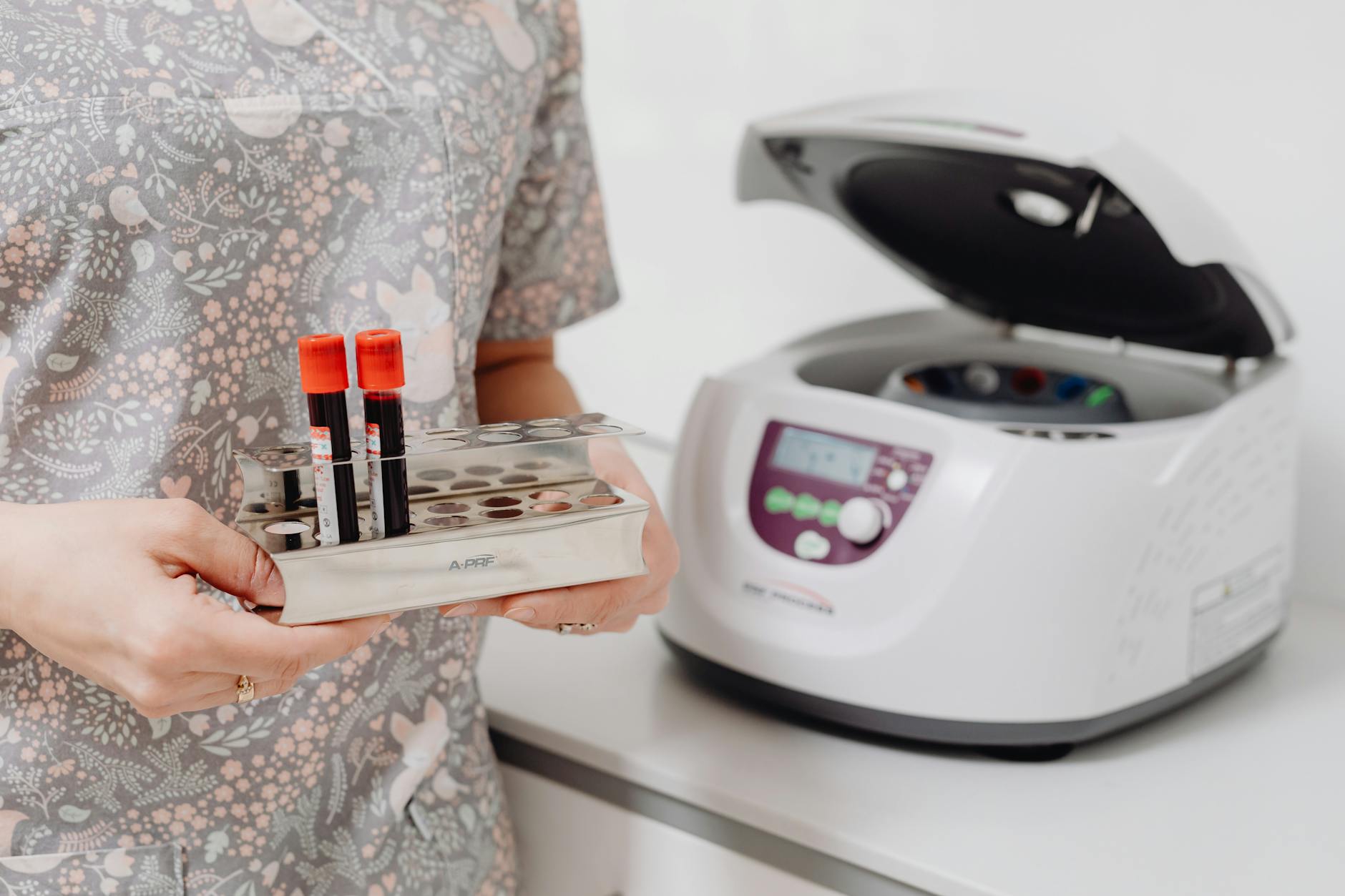
Timing your blood draw incorrectly can render the results nearly useless. Blood samples should be drawn between 8:00 and 10:00 AM during the first half of the menstrual cycle, specifically the follicular phase, to avoid the natural LH surge that occurs around ovulation. If you get your blood drawn on day 13 of a 28-day cycle, you might catch the LH peak and walk away thinking your ratio is abnormal when it is actually just your body doing what it is supposed to do before releasing an egg. Androstenedione follows a circadian rhythm with a morning peak, which is why early morning sampling between 0700 and 0900 hours is recommended. If you stroll into the lab at 3 PM, your androstenedione level may read lower than it actually is during its physiological peak, potentially masking a meaningful elevation. The same applies to cortisol and, to a lesser degree, testosterone.
The practical takeaway is straightforward: schedule your lab appointment for first thing in the morning, ideally between days 2 and 7 of your cycle if you menstruate regularly. There is a tradeoff worth acknowledging here. European and American acne guidelines support anti-androgen treatment for hormonal acne but do not clearly specify when hormonal testing should be performed. UK primary care guidelines recommend testosterone testing when PCOS is suspected based on oligomenorrhea or hirsutism. This means that in many clinical settings, you may need to advocate for testing yourself. If your dermatologist is focused on topical protocols and you suspect a hormonal component, asking specifically for a morning follicular-phase hormone panel is reasonable and appropriate. Not every doctor will order one reflexively, especially if your acne is mild to moderate.
What an Elevated Ratio Does Not Tell You
An elevated LH:FSH ratio is not a diagnosis. It is a clue. Some clinicians over-rely on this single metric, and patients sometimes leave appointments thinking that a high ratio equals PCOS equals hormonal acne, when the reality is more conditional. According to clinical guidance from Liv Hospital, some women with confirmed PCOS based on the Rotterdam criteria have completely normal LH and FSH values. The diagnosis requires meeting at least two of three criteria: oligo-ovulation or anovulation, clinical or biochemical hyperandrogenism, and polycystic ovarian morphology on ultrasound. There is also the issue of false reassurance.
If a woman has persistent, treatment-resistant acne along the lower face, irregular cycles, and mild hirsutism, but her LH:FSH ratio comes back at 1.2:1, it would be a mistake to dismiss a hormonal workup. The ratio is elevated in roughly 60 percent of PCOS cases, not all of them. Relying on it as a binary yes-or-no test will miss a significant number of women who have the condition. A related limitation involves oral contraceptives. If you are already on the pill when your blood is drawn, your LH and FSH levels will be suppressed by the exogenous hormones, and the ratio will not reflect your natural endocrine state. Most endocrinologists recommend being off hormonal contraception for at least one to three months before testing, which creates a practical dilemma for women who are on the pill specifically to manage their acne. Stopping the medication to get tested means potentially dealing with a flare, and that conversation with your provider should happen before you just quit cold turkey.

How Hormonal Testing Changes Your Treatment Path
Acne driven by a confirmed hormonal imbalance, supported by an elevated LH:FSH ratio plus high androgens, responds to hormonal therapies such as combined oral contraceptives and anti-androgens like spironolactone rather than topical treatments alone. This is a critical distinction. A woman who has spent years cycling through benzoyl peroxide, salicylic acid, and even isotretinoin without lasting improvement may see her skin clear within three to six months of starting spironolactone at 50 to 100 mg daily, because the treatment is finally addressing the root cause rather than the downstream symptoms. The comparison is stark.
Topical retinoids and antibiotics target the surface-level mechanisms of acne: cell turnover, bacterial load, and local inflammation. Hormonal treatments target the upstream signal, the excess androgens that are telling the sebaceous glands to overproduce in the first place. Both have roles, and many women with hormonal acne benefit from a combination approach. But without the blood work to confirm the hormonal component, you are essentially guessing at the treatment strategy.
The Evolving Role of Hormonal Testing in Acne Care
The conversation around routine hormonal testing for acne is shifting. For decades, it was standard practice to treat acne as a primarily dermatological issue, topical first, systemic antibiotics second, isotretinoin third. Hormonal evaluation was reserved for obvious cases with overt virilization or severe menstrual irregularity.
But a growing body of evidence, including the 2023 Meena study and the 2024 lean PCOS research published in Scientific Reports, is making a case for earlier and broader hormonal assessment in adult women whose acne is persistent, late-onset, or concentrated in hormonally sensitive areas. This does not mean every teenager with a few pimples needs a full endocrine panel. But for women in their twenties and thirties who have not responded to first-line treatments, who notice their breakouts worsen predictably around their period, or who have any accompanying signs like irregular cycles, thinning hair, or unwanted facial hair, pushing for FSH, LH, testosterone, and DHEA-S testing is not excessive. It is increasingly the responsible standard of care, even if guidelines have not yet caught up to the practice.
Conclusion
FSH and LH testing provides a critical piece of the hormonal acne puzzle by revealing whether the pituitary-ovarian axis is producing a disproportionate androgen signal. An LH:FSH ratio of 2:1 or higher, particularly when accompanied by elevated testosterone or DHEA-S, points strongly toward conditions like PCOS that require hormonal rather than purely topical intervention. But the ratio alone is neither sufficient for diagnosis nor reliable enough to rule out hormonal acne when it comes back normal.
It must be interpreted alongside symptoms, other lab markers, and clinical context. If you suspect your acne is hormonally driven, the actionable steps are clear: schedule a morning blood draw during the follicular phase of your cycle, request a panel that includes FSH, LH, total and free testosterone, DHEA-S, and androstenedione, and bring the results to a provider who understands the nuances of hormonal acne. Armed with that data, you and your doctor can make an informed decision about whether your treatment plan should include hormonal therapies, rather than spending another year on topical products that are not addressing the real problem.
Frequently Asked Questions
What is a normal LH:FSH ratio, and when should I be concerned?
A normal ratio during the early follicular phase is approximately 1:1, with both hormones in the 4 to 8 mIU/mL range. Ratios consistently at or above 2:1 warrant further investigation, especially if you have acne, irregular periods, or signs of excess androgen activity. A ratio above 3:1 is a commonly cited clinical marker for PCOS.
Can I get my hormones tested while on birth control?
Oral contraceptives suppress LH and FSH, which means results obtained while on the pill will not reflect your natural hormonal state. Most endocrinologists recommend stopping hormonal contraception for one to three months before testing. Discuss the timing and implications with your provider, since stopping the pill may trigger an acne flare.
If my LH:FSH ratio is normal, does that mean my acne is not hormonal?
Not necessarily. Some women with PCOS and hormonally driven acne have normal LH and FSH levels but are diagnosed through other criteria such as elevated androgens or polycystic ovarian morphology on ultrasound. A normal ratio should not end the investigation if other clinical signs are present.
What is the difference between ovarian and adrenal hormonal acne?
Ovarian hormonal acne is typically driven by excess testosterone production stimulated by elevated LH, as seen in PCOS. Adrenal hormonal acne is associated with elevated DHEA-S, since roughly 90 percent of DHEA and 98 percent of DHEAS originate from the adrenal glands. The distinction matters because treatment strategies differ depending on the source.
When during my cycle should I get blood drawn for hormone testing?
Blood should be drawn between 8:00 and 10:00 AM during the follicular phase, ideally between days 2 and 7 of your cycle. This avoids the midcycle LH surge and captures androstenedione during its circadian peak, giving the most accurate baseline reading.
Will my acne clear up if my hormone levels return to normal?
In many cases, yes. Acne that is confirmed to be driven by hormonal imbalance often responds well to treatments like combined oral contraceptives or spironolactone that address the underlying androgen excess. However, hormonal therapies may take three to six months to show full effect, and some women benefit from combining hormonal treatment with topical therapies for faster surface-level improvement.