
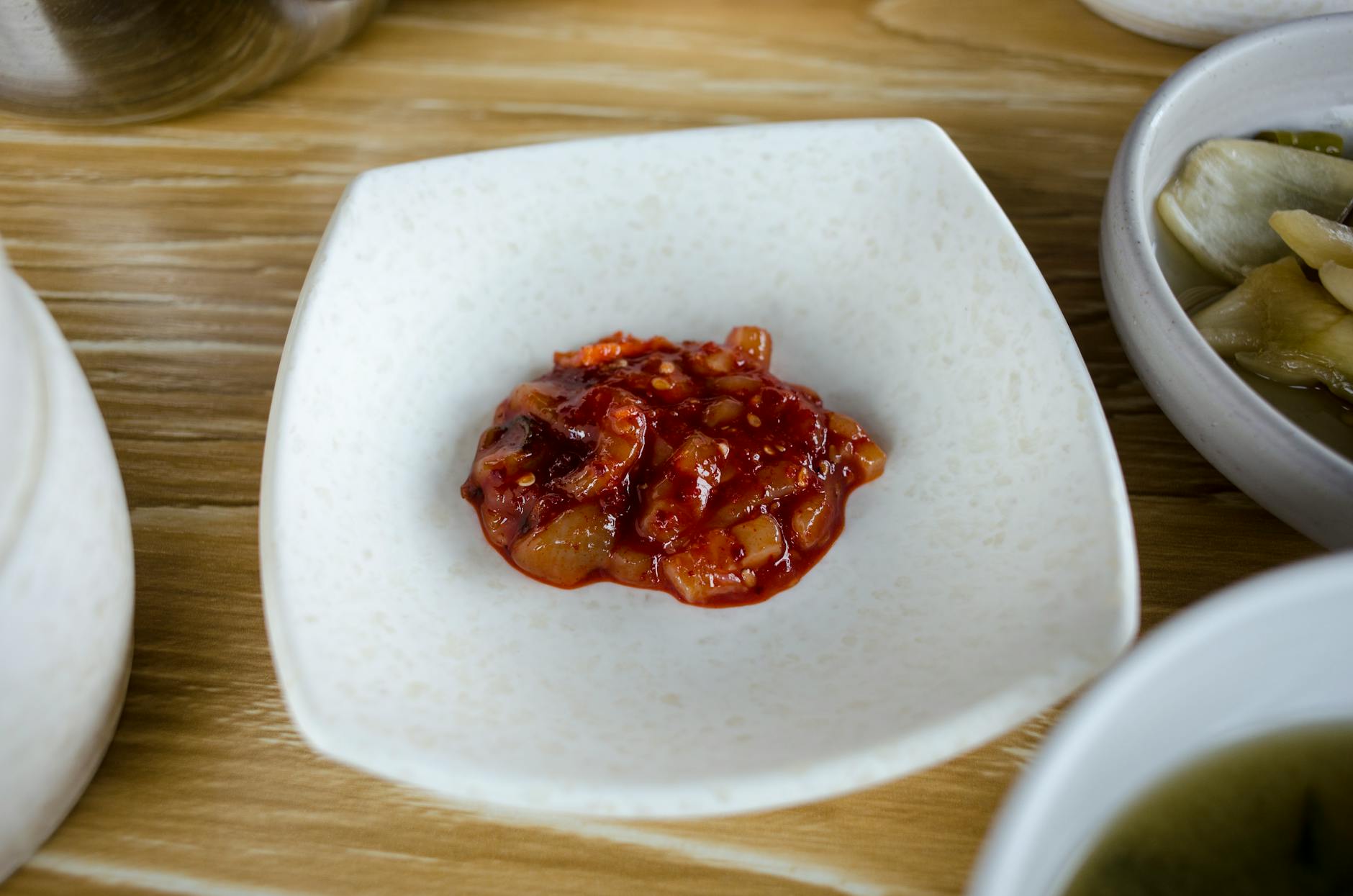
Fermented foods help some people clear acne because they introduce beneficial bacteria into the gut, which directly influences systemic inflammation and the skin’s immune response. When your gut microbiome is out of balance — a state called dysbiosis — it can trigger inflammatory cascades that show up on your face as cystic bumps, persistent redness, and stubborn breakouts. For someone like a 28-year-old who spent years cycling through topical retinoids and benzoyl peroxide without lasting results, adding a daily serving of kimchi or plain kefir might be the missing variable that finally calms things down. The mechanism is not magic; it is microbiology.
But this is not a universal fix, and that distinction matters. Fermented foods work best for people whose acne has a significant gut-driven inflammatory component, which is not everyone. If your breakouts are primarily hormonal or caused by comedogenic products, sauerkraut alone will not save you. This article breaks down the science behind the gut-skin axis, which fermented foods have the strongest evidence behind them, who is most likely to benefit, and the situations where fermentation can actually make acne worse.
Table of Contents
- How Does the Gut-Skin Axis Connect Fermented Foods to Acne?
- Which Fermented Foods Have the Strongest Evidence for Skin Health?
- The Role of Short-Chain Fatty Acids in Reducing Skin Inflammation
- How to Introduce Fermented Foods Without Triggering a Breakout
- When Fermented Foods Make Acne Worse
- What the Research Says About Probiotics and Acne Severity
- The Future of Microbiome-Based Acne Treatment
- Conclusion
- Frequently Asked Questions
How Does the Gut-Skin Axis Connect Fermented Foods to Acne?
The gut-skin axis is a bidirectional communication pathway between your intestinal microbiome and your skin. Researchers have understood since the early 2000s that the gut produces short-chain fatty acids, neurotransmitters, and immune signaling molecules that travel systemically and affect distant organs — including the skin. When pathogenic bacteria overpopulate the gut relative to beneficial strains, the intestinal lining becomes more permeable. This condition, sometimes called “leaky gut,” allows lipopolysaccharides and other bacterial endotoxins to enter the bloodstream, where they activate toll-like receptors and promote the kind of low-grade chronic inflammation that manifests as acne. Fermented foods counter this by delivering live Lactobacillus, Bifidobacterium, and other probiotic strains directly to the digestive tract. A 2019 study published in the journal Gut Microbes found that participants who consumed fermented dairy for 12 weeks showed measurable decreases in serum interleukin-6 and C-reactive protein, both markers of the systemic inflammation linked to acne.
Compare that to someone taking a broad-spectrum antibiotic for acne — the antibiotic may kill acne-causing Cutibacterium acnes on the skin, but it simultaneously devastates beneficial gut bacteria, often causing rebound breakouts once the prescription ends. Fermented foods work in the opposite direction by building microbial diversity rather than destroying it. The comparison between antibiotics and fermented foods is worth sitting with. Dermatologists still prescribe doxycycline and minocycline as front-line acne treatments, and they do suppress breakouts in the short term. But a growing body of evidence suggests that the long-term cost — reduced microbial diversity, increased antibiotic resistance, and higher rates of gut-related issues — may not be worth it for moderate acne. Fermented foods represent a slower, less dramatic intervention, but one that addresses a root cause rather than a symptom.

Which Fermented Foods Have the Strongest Evidence for Skin Health?
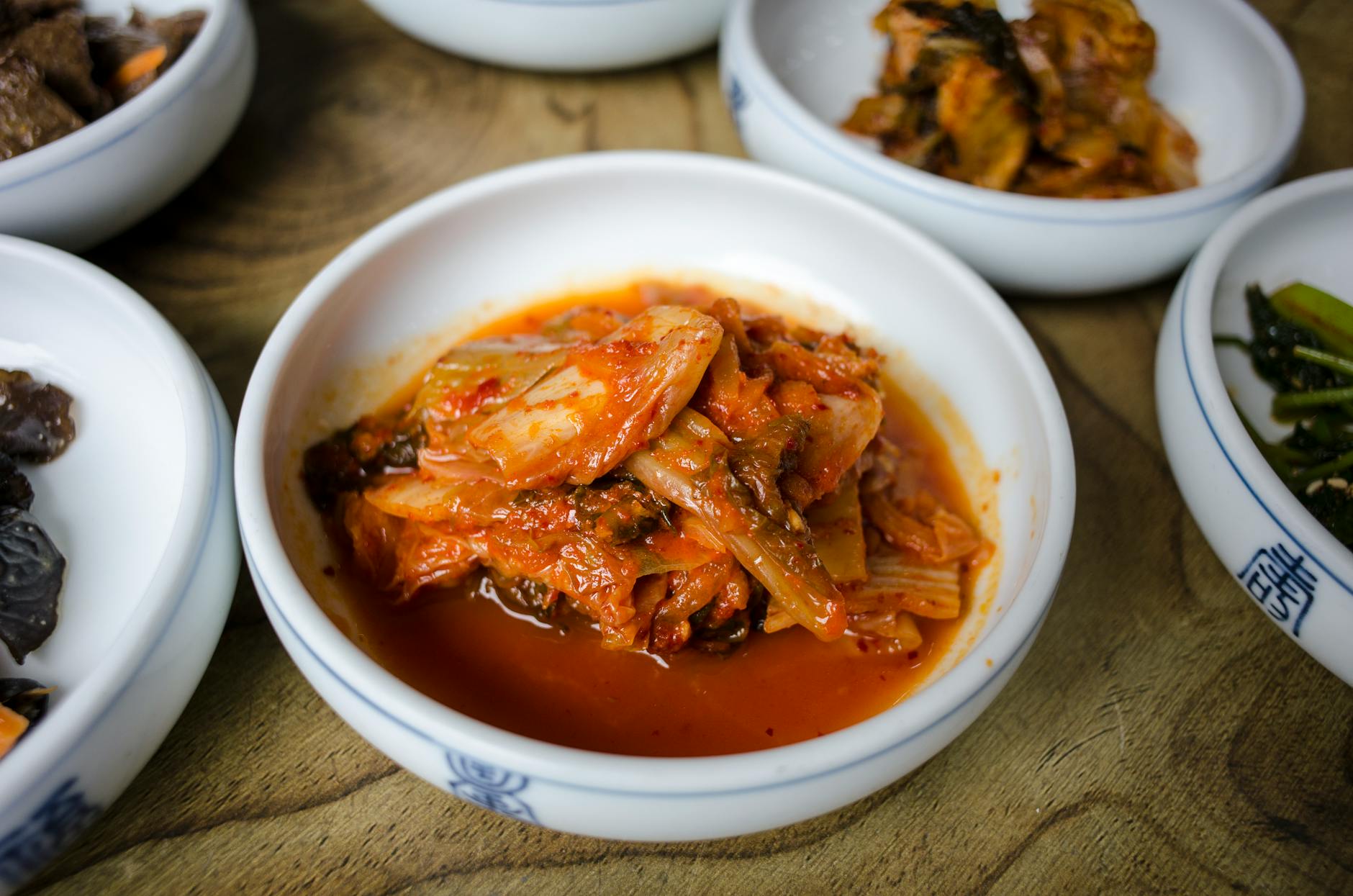
Not all fermented foods are created equal when it comes to acne. The ones with the most research behind them are those that contain live, active cultures in meaningful quantities and that survive the acidic environment of the stomach long enough to colonize the intestines. Plain, unsweetened kefir is arguably the most potent option — it contains upward of 30 different microbial strains, compared to the 2-5 strains in most commercial yogurts. Sauerkraut and kimchi, when sold refrigerated and unpasteurized, deliver Lactobacillus plantarum and Lactobacillus brevis, both of which have demonstrated anti-inflammatory properties in clinical settings. Miso and traditionally brewed kombucha also contribute, though the strain counts and viability vary significantly by brand and preparation method. However, if you are sensitive to histamines, fermented foods can backfire badly.
Histamine is a natural byproduct of bacterial fermentation, and foods like aged cheese, sauerkraut, and kombucha are among the highest dietary histamine sources. People with histamine intolerance — estimated to affect roughly one percent of the population, though likely underdiagnosed — may find that fermented foods trigger flushing, hives, or worsened acne rather than improving it. If you notice that your skin gets redder or more reactive within hours of eating fermented foods, histamine intolerance is worth investigating before you push through with the assumption that things will improve over time. It is also worth noting that pasteurized fermented foods — the shelf-stable sauerkraut in a jar at room temperature, the yogurt that has been heat-treated after culturing — offer minimal probiotic benefit. You are getting the flavor and some nutritional value, but the bacteria are dead. If your goal is to influence your gut microbiome for skin benefits, you need to read labels carefully and buy products that explicitly state they contain live active cultures, stored in the refrigerated section.
The Role of Short-Chain Fatty Acids in Reducing Skin Inflammation
One of the less discussed but most important mechanisms behind fermented foods and acne involves short-chain fatty acids, specifically butyrate, propionate, and acetate. When probiotic bacteria from fermented foods colonize the colon and feed on dietary fiber, they produce these short-chain fatty acids as metabolic byproducts. Butyrate in particular strengthens the intestinal barrier, reduces gut permeability, and downregulates nuclear factor kappa-B, a protein complex that acts as a master switch for inflammatory gene expression throughout the body, including in sebaceous glands. A practical example helps illustrate this. Consider two people eating identical diets, except one adds a daily serving of kimchi and a tablespoon of raw apple cider vinegar.
The person consuming fermented foods is likely generating more butyrate in the colon, assuming they are also eating enough fiber to feed those bacteria. That butyrate does not just stay in the gut — it enters systemic circulation and has been shown in animal models to reduce sebum production and the expression of inflammatory cytokines in skin tissue. This is why some dermatologists who focus on integrative approaches recommend pairing fermented foods with prebiotic fiber sources like garlic, onions, and Jerusalem artichokes, rather than consuming probiotics in isolation. The limitation here is that short-chain fatty acid production depends heavily on individual gut composition. Someone who has taken multiple rounds of antibiotics, eats a low-fiber diet, or has an underlying condition like small intestinal bacterial overgrowth may not produce adequate butyrate even after adding fermented foods. For these individuals, the intervention needs to be more comprehensive — rebuilding the microbiome takes months, not days, and fermented foods alone may not be sufficient without addressing diet, stress, and prior antibiotic damage simultaneously.

How to Introduce Fermented Foods Without Triggering a Breakout
The most common mistake people make when adding fermented foods for acne is doing too much too fast. Starting with a full cup of kefir, a large serving of kimchi, and a bottle of kombucha on day one is a recipe for digestive distress and, paradoxically, worse skin in the short term. The initial die-off of pathogenic bacteria and the adjustment period as new strains establish themselves can temporarily increase inflammation, a phenomenon sometimes called a “healing crisis” but more accurately described as your gut recalibrating. A more effective approach is to start with one to two tablespoons of a single fermented food daily for the first week, then gradually increase quantity and variety over the following month. Kefir is generally the most well-tolerated starting point because it is liquid, easily digestible, and contains a broader strain diversity than most alternatives.
If dairy is a known acne trigger for you — and it is for a meaningful subset of acne sufferers — coconut milk kefir or water kefir grains provide a non-dairy alternative, though with somewhat fewer strains. The tradeoff is real: dairy-based kefir delivers more microbial diversity, but if dairy itself inflames your skin through insulin-like growth factor-1 pathways, the probiotic benefit will be negated by the dairy-induced breakout. Compare this gradual introduction to taking a probiotic supplement, which delivers a fixed set of strains in concentrated doses. Supplements offer convenience and standardized colony-forming unit counts, but they lack the prebiotic matrix — the fiber, organic acids, and other compounds present in whole fermented foods — that helps probiotics survive and colonize. Many gastroenterologists argue that food-based probiotics are more effective than supplements precisely because the food itself creates a more hospitable environment for bacterial survival during transit through the stomach.
When Fermented Foods Make Acne Worse
For all the potential benefits, there are clear scenarios where fermented foods will aggravate acne rather than improve it, and failing to recognize these situations leads to frustration and wasted effort. The first and most significant is fungal acne, technically called Malassezia folliculitis. This condition looks like traditional acne — small, uniform bumps usually on the forehead, chest, or back — but it is caused by an overgrowth of yeast, not bacteria. Fermented foods, particularly those high in sugar like kombucha or sweetened kefir, can feed Malassezia and worsen fungal acne substantially. If your breakouts are itchy, uniform in size, and concentrated on the forehead or body, get evaluated for fungal acne before adding fermented foods to your routine. The second scenario involves small intestinal bacterial overgrowth. People with SIBO already have excessive bacterial colonization in the small intestine, where bacteria should be relatively sparse.
Adding more bacteria through fermented foods can increase bloating, gas, and systemic inflammation in these individuals. A clinical sign that this might be happening is if fermented foods consistently cause significant bloating within 30 minutes of consumption — that rapid onset suggests small intestinal fermentation rather than the normal colonic fermentation that produces beneficial short-chain fatty acids. Third, and more subtle, is the sugar content issue. Commercial kombucha brands frequently contain 12 to 16 grams of sugar per bottle. Sweetened yogurts can have even more. High glycemic intake is one of the most well-established dietary triggers for acne, operating through insulin and IGF-1 pathways that increase sebum production and skin cell proliferation. If you are drinking kombucha for its probiotic content but consuming significant added sugar in the process, you may be undermining the exact benefit you are seeking. Always check labels, and favor low-sugar or unsweetened options.
What the Research Says About Probiotics and Acne Severity
A 2020 systematic review published in Dermatology and Therapy analyzed 14 clinical studies examining probiotics — both supplemental and food-based — and their effect on acne. The pooled results showed a statistically significant reduction in acne lesion counts among probiotic users compared to placebo groups, with the strongest effects seen in studies lasting 12 weeks or longer. One Italian trial specifically tested Lactobacillus rhamnosus SP1 and found a 32 percent reduction in adult acne lesions over 12 weeks compared to a 14 percent reduction in the control group.
These numbers are meaningful but modest, and they underscore a realistic expectation. Fermented foods and probiotics are not going to produce the dramatic, rapid clearing that isotretinoin or high-strength retinoids can achieve. They are better understood as a foundational intervention — one layer in a multi-layered approach that might also include topical treatments, dietary adjustments to reduce high-glycemic foods and dairy, and stress management. For someone with mild to moderate inflammatory acne who has already addressed topical care, adding fermented foods may provide the incremental improvement that tips their skin from “almost clear” to “consistently clear.”.
The Future of Microbiome-Based Acne Treatment
The field of dermatological microbiome research is moving rapidly toward personalized interventions. Several biotech companies are developing skin microbiome tests that analyze the bacterial composition of your face alongside stool-based gut microbiome panels, with the goal of recommending specific probiotic strains tailored to your individual imbalance. Early-stage clinical trials are also exploring topical probiotics — live bacterial formulations applied directly to the skin — as an alternative or complement to ingested probiotics.
What this means for the average person dealing with acne today is that the current approach of eating fermented foods is somewhat imprecise. You are introducing a broad array of bacterial strains and hoping that the ones you need will take hold. Within the next five to ten years, it is plausible that dermatologists will be able to test your specific microbiome profile and recommend targeted fermented foods or probiotic supplements matched to your deficiencies. Until then, the best strategy remains starting with diverse, high-quality fermented foods, monitoring your skin’s response carefully, and adjusting based on what you observe over a period of at least eight to twelve weeks.
Conclusion
Fermented foods help some people clear acne by restoring gut microbial balance, reducing systemic inflammation, and strengthening the intestinal barrier — all of which influence skin health through the gut-skin axis. The most effective options are those containing live, diverse bacterial strains: plain kefir, unpasteurized sauerkraut and kimchi, and low-sugar kombucha. Short-chain fatty acids produced by these bacteria, particularly butyrate, play a central role in dampening the inflammatory pathways that drive acne.
The key qualification is “some people.” Fermented foods are most likely to help if your acne has an inflammatory, gut-related component, and least likely to help — or may actively worsen things — if you are dealing with fungal acne, histamine intolerance, SIBO, or hormonally driven breakouts. Start slowly, choose unsweetened and unpasteurized options, pair them with prebiotic fiber, and give the intervention a minimum of three months before evaluating results. If you are unsure whether your acne has a gut component, working with a dermatologist who understands integrative approaches can help you determine whether this path is worth pursuing for your specific situation.
Frequently Asked Questions
How long does it take for fermented foods to improve acne?
Most clinical studies showing measurable improvement used intervention periods of 12 weeks or longer. Some individuals notice changes in digestive health within the first two weeks, but visible skin improvements typically lag behind gut changes by several weeks. Expect a minimum of eight to twelve weeks before drawing conclusions.
Can I just take a probiotic supplement instead of eating fermented foods?
You can, and some studies show benefits from supplements alone. However, whole fermented foods provide a prebiotic matrix — fiber, organic acids, and nutrients — that improves bacterial survival and colonization. If convenience is a priority, supplements are better than nothing, but food-based probiotics generally offer a broader and more resilient microbial introduction.
Will fermented foods help with hormonal acne along the jawline?
Hormonal acne is primarily driven by androgens and hormonal fluctuations, not gut dysbiosis. Fermented foods may provide a marginal anti-inflammatory benefit, but they are unlikely to resolve jawline acne caused by hormonal imbalances. Hormonal acne typically requires targeted treatment through a dermatologist or endocrinologist.
Is yogurt a good fermented food for acne?
It depends on the yogurt. Plain, unsweetened yogurt with live active cultures provides some probiotic benefit, but most commercial yogurts contain added sugar and only two to three bacterial strains. Kefir is generally a better choice due to its greater microbial diversity. If you choose yogurt, select full-fat, plain varieties and check that the label lists specific live cultures.
Can fermented foods cause an initial breakout?
Yes, some people experience a temporary increase in breakouts during the first one to three weeks of adding fermented foods. This is thought to result from shifts in the gut microbiome as pathogenic bacteria die off and new strains establish themselves. If the worsening persists beyond three to four weeks, the fermented food may not be suitable for your particular situation.