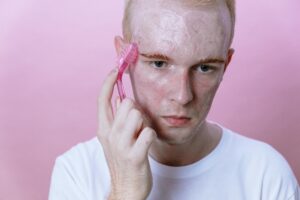
Perioral dermatitis is a inflammatory skin condition that causes clusters of small, red, bumpy papules and pustules around the mouth, nose, and sometimes the eyes — and while it can look a lot like acne, it is a fundamentally different condition with different causes and different treatments. The distinction matters because treating perioral dermatitis like acne often makes it worse. Someone who starts using benzoyl peroxide or salicylic acid on what they assume is a breakout around their chin may find the rash spreading and intensifying, because those acne-fighting ingredients can aggravate the compromised skin barrier that underlies perioral dermatitis.
Acne develops when hair follicles become clogged with oil and dead skin cells, leading to comedones, inflamed pimples, and sometimes cysts. Perioral dermatitis, by contrast, is not primarily a follicular condition — it involves inflammation of the skin itself, often triggered by topical steroids, heavy skincare products, or fluoridated toothpaste, and it produces a distinctive pattern of tiny bumps with a clear zone of unaffected skin right next to the lip border. This article breaks down how to tell the two apart, what causes perioral dermatitis, why conventional acne treatments backfire, and what actually works to resolve it.
Table of Contents
- What Exactly Is Perioral Dermatitis and Why Does It Look Like Acne?
- What Causes Perioral Dermatitis and Who Gets It Most Often?
- Why Standard Acne Treatments Can Make Perioral Dermatitis Worse
- How Dermatologists Actually Diagnose and Treat Perioral Dermatitis
- The Steroid Withdrawal Trap and Why Perioral Dermatitis Recurs
- Skincare and Lifestyle Adjustments That Actually Help
- Emerging Research and What Dermatologists Are Learning
- Conclusion
- Frequently Asked Questions
What Exactly Is Perioral Dermatitis and Why Does It Look Like Acne?
Perioral dermatitis presents as a rash of small papules and pustules, usually concentrated in the nasolabial folds, around the chin, and sometimes extending to the periocular area around the eyes. The bumps are often flesh-colored to red, can be slightly scaly, and tend to appear in clusters rather than as isolated pimples. Many people describe a burning or stinging sensation rather than the soreness or tenderness typical of acne. The hallmark diagnostic feature is a narrow band of clear, unaffected skin immediately surrounding the vermilion border of the lips — acne does not produce this pattern. The confusion with acne arises because both conditions cause small bumps and pustules on the lower face, which is where hormonal acne also tends to concentrate in adults.
A thirty-year-old woman dealing with new bumps along her jawline and chin could reasonably assume she is experiencing a hormonal breakout. But if those bumps are uniformly small, grouped tightly together, accompanied by flaking or a sandpaper texture, and the skin right at the lip line is spared, perioral dermatitis is far more likely. Acne lesions vary more in size, produce true blackheads and whiteheads, and do not respect the lip border in the same way. One practical comparison: if you look closely at an acne lesion, you can often see a visible pore or comedone at the center. Perioral dermatitis papules lack this — they sit on top of inflamed, irritated skin without a clear follicular origin. Dermatologists sometimes use the term “periorificial dermatitis” to describe the broader pattern, since it can appear around any facial orifice, not just the mouth.

What Causes Perioral Dermatitis and Who Gets It Most Often?
The exact cause of perioral dermatitis remains somewhat unclear, but the strongest and most consistent trigger is topical corticosteroid use. Someone prescribed a hydrocortisone cream for eczema on their face, or who borrows a steroid cream to calm a rash, may find that while the initial irritation improves temporarily, a new eruption of tiny papules develops once the steroid is discontinued — or even while still using it. This is the classic steroid-induced perioral dermatitis cycle, and it can be remarkably difficult to break because stopping the steroid causes an initial flare that tempts people to reapply it. Beyond steroids, other documented triggers include heavy occlusive moisturizers and foundations, fluoridated toothpaste, sodium lauryl sulfate in oral care products, and inhaled corticosteroids used for asthma. Hormonal factors play a role as well — the condition is roughly ten times more common in women than men, with peak incidence between ages 20 and 45.
However, if you are a man or outside that age range, do not rule it out. Perioral dermatitis also occurs in children, where it is frequently misdiagnosed as eczema or impetigo, leading to steroid prescriptions that perpetuate the problem. There is also a recognized connection to skin barrier dysfunction. People who over-exfoliate, use too many active ingredients, or strip their skin with harsh cleansers may develop perioral dermatitis even without steroid exposure. The compromised barrier allows irritants and microorganisms to trigger the inflammatory response. This is why the condition sometimes appears after someone overhauls their skincare routine with multiple new products at once.
Why Standard Acne Treatments Can Make Perioral Dermatitis Worse
One of the most frustrating aspects of perioral dermatitis is that the instinct to treat it like acne almost always backfires. Benzoyl peroxide, a cornerstone of acne treatment, is a strong oxidizing agent that can severely irritate the already-compromised skin barrier in perioral dermatitis. Salicylic acid, retinoids, and physical exfoliants carry similar risks. A common scenario is someone applying a 2.5 percent benzoyl peroxide spot treatment to a cluster of bumps near their mouth, only to find the area becomes red, raw, and develops even more papules within days. The reason is straightforward: acne treatments target excess oil production, bacterial colonization of follicles, and cellular turnover within pores. Perioral dermatitis involves none of these mechanisms in the same way.
The inflammation is driven by barrier disruption and a likely immune-mediated response, so stripping the skin further or applying potent actives just escalates the problem. Retinoids, which are excellent for acne, can be particularly harmful in perioral dermatitis because they thin the outer layer of the skin and increase transepidermal water loss. There is one notable exception. Topical metronidazole and topical azelaic acid are used for both acne and perioral dermatitis, though for different reasons. Azelaic acid at lower concentrations can help perioral dermatitis because of its anti-inflammatory properties without the barrier-disrupting effects of stronger acne medications. But this overlap in treatment does not mean the conditions are the same — it just means certain anti-inflammatory agents work across multiple skin conditions.
How Dermatologists Actually Diagnose and Treat Perioral Dermatitis
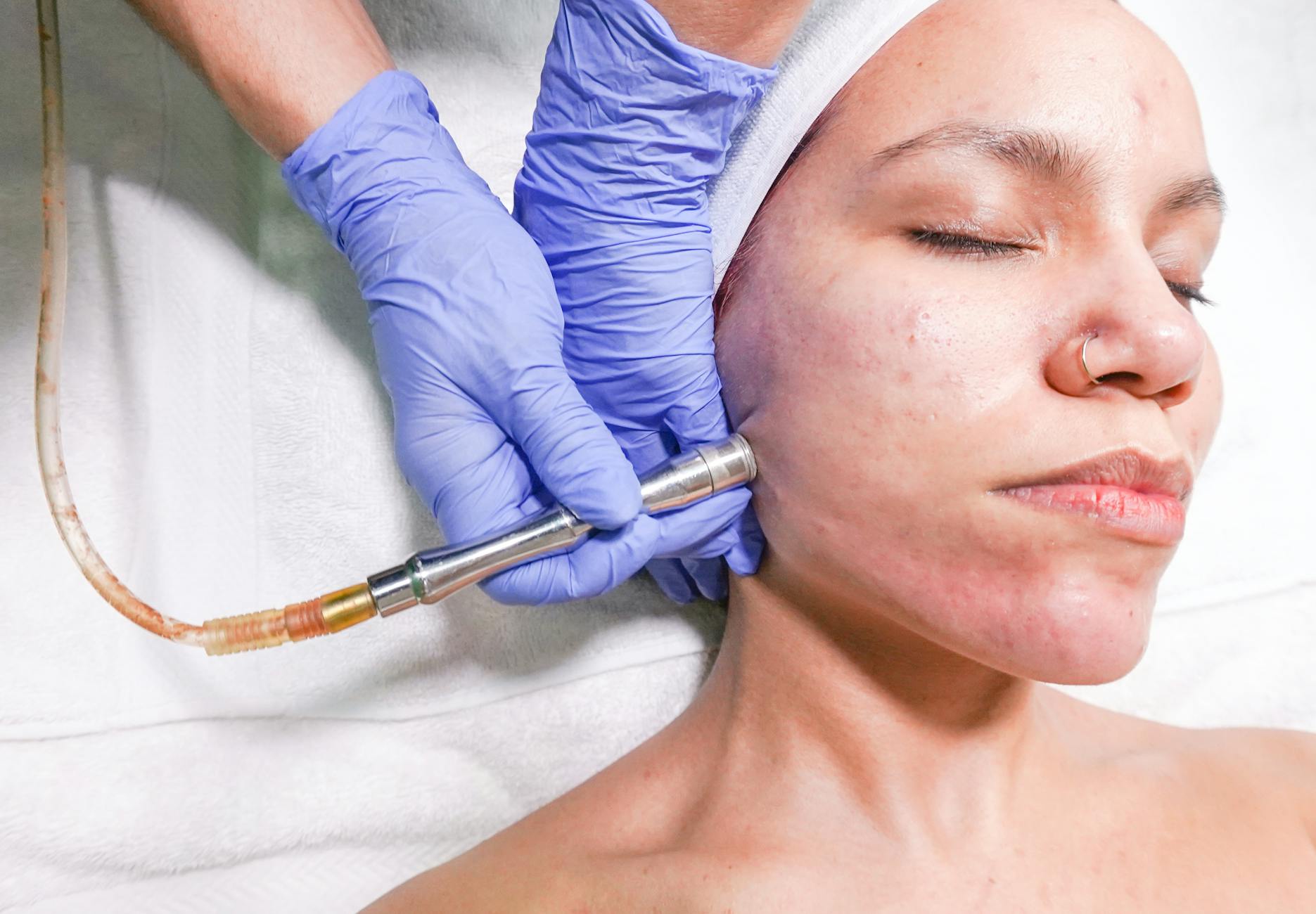
Diagnosis is usually clinical, meaning a dermatologist can identify perioral dermatitis by examining the skin without needing a biopsy. The distribution pattern, morphology of the papules, and history — especially any corticosteroid use — are typically enough. In ambiguous cases, a skin scraping may be taken to rule out fungal infection, and a biopsy can confirm the diagnosis by showing a granulomatous or lymphocytic inflammatory pattern distinct from acne. First-line treatment for mild perioral dermatitis is topical therapy with metronidazole cream or gel, applied once or twice daily. Topical erythromycin and pimecrolimus, a calcineurin inhibitor, are alternatives. For moderate to severe cases, oral antibiotics — typically doxycycline or minocycline in the tetracycline class — are prescribed for six to twelve weeks.
These work not primarily as antibiotics but for their anti-inflammatory properties at sub-antimicrobial doses. The tradeoff with oral antibiotics is the side effect profile: photosensitivity, gastrointestinal upset, and in the case of minocycline, rare but serious risks including drug-induced lupus and hyperpigmentation. The most critical part of treatment is the zero therapy approach during the initial phase: stopping all topical products on the affected area, including moisturizers, sunscreens, and makeup. This is difficult for most people because the skin looks and feels terrible during the withdrawal period, which can last two to six weeks. The skin may flake, tighten, and initially worsen before it begins to heal. Compared to acne treatment, where you layer on active products and see gradual improvement, perioral dermatitis treatment requires you to do less rather than more.
The Steroid Withdrawal Trap and Why Perioral Dermatitis Recurs
The single biggest complication in perioral dermatitis management is steroid dependency. When someone has been using a topical corticosteroid — even a mild over-the-counter hydrocortisone — on their face for weeks or months, stopping it triggers a rebound flare that can be more severe than the original rash. This is not the same as the condition worsening; it is a predictable withdrawal response. The flare tempts patients to resume the steroid, which calms things down temporarily but deepens the dependency cycle. Each round of steroid use followed by withdrawal tends to be more severe than the last. Dermatologists sometimes manage steroid withdrawal by tapering — switching from a stronger steroid to a weaker one, then to a non-steroidal anti-inflammatory like pimecrolimus, before discontinuing entirely. This graduated approach can reduce the severity of the rebound but extends the overall treatment timeline.
There is no shortcut through this process. Patients need to be warned in advance that the first two to four weeks after stopping steroids will likely be the worst their skin has looked, and they need to resist the urge to apply anything to soothe it. Recurrence is common even after successful treatment, which is another way perioral dermatitis differs from acne. Acne can be managed into long-term remission with maintenance therapy. Perioral dermatitis tends to come back, particularly if the original trigger is reintroduced. Studies suggest recurrence rates of 30 to 50 percent within the first year after treatment. Avoiding known triggers — especially topical steroids, heavy cosmetics, and fluoridated toothpaste — is the most effective prevention strategy, but some people experience recurrences without any identifiable trigger.
Skincare and Lifestyle Adjustments That Actually Help
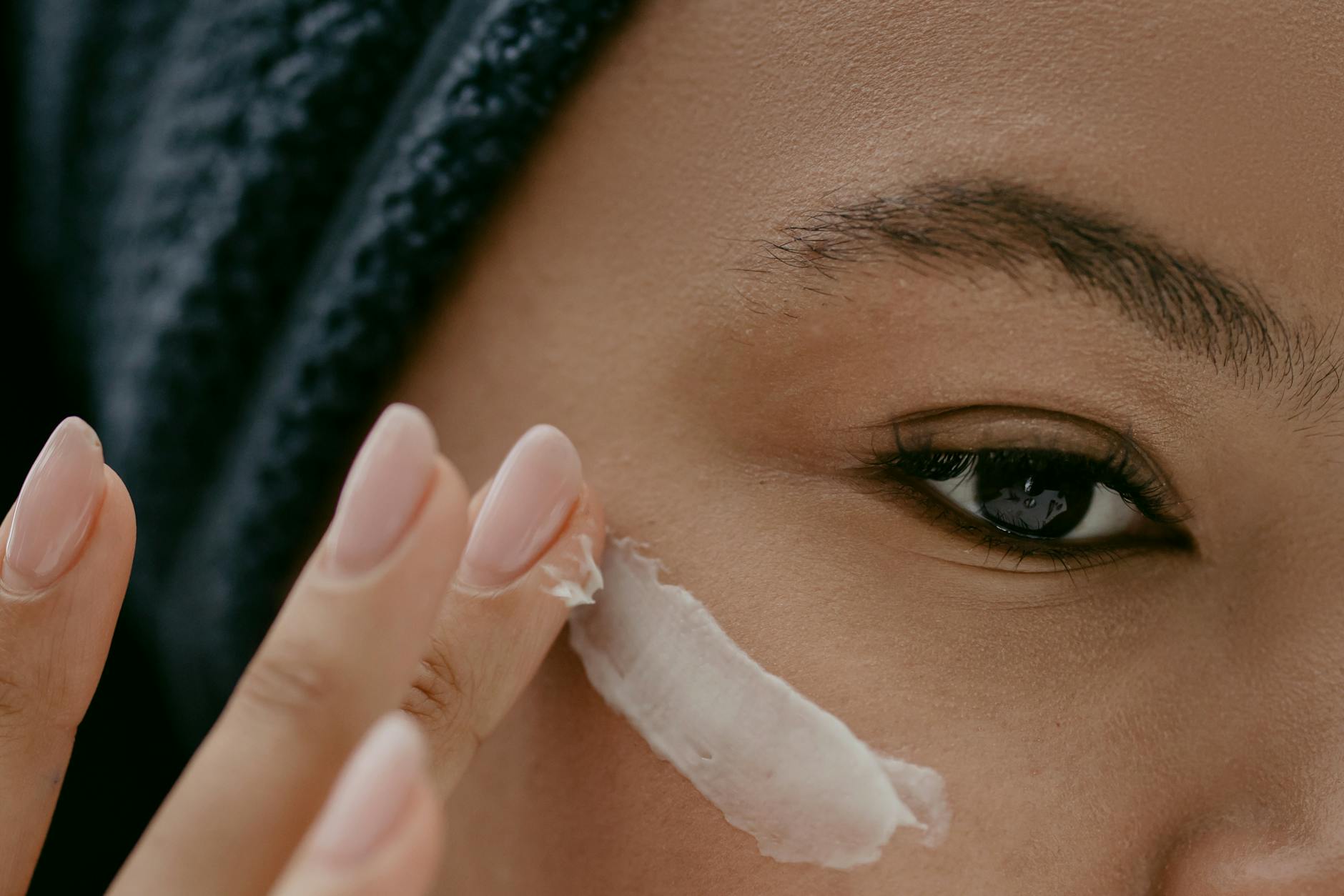
Simplifying a skincare routine is not just part of treatment — it is ongoing prevention. People who have experienced perioral dermatitis benefit from using a gentle, fragrance-free cleanser, a minimal moisturizer without common irritants like lanolin or isopropyl myristate, and a mineral-based sunscreen rather than a chemical one. For example, switching from a foaming cleanser with sodium lauryl sulfate to a cream-based cleanser with a neutral pH can significantly reduce the frequency of flares.
Toothpaste is an underappreciated factor. Fluoride and sodium lauryl sulfate in toothpaste regularly contact the perioral skin, and both are established triggers. Switching to a fluoride-free, SLS-free toothpaste has been reported to resolve mild cases entirely without any other intervention. It is a low-cost, low-risk change worth trying before pursuing prescription treatments, though it should not replace medical evaluation for moderate or severe presentations.
Emerging Research and What Dermatologists Are Learning
Recent research has started examining the role of the skin microbiome in perioral dermatitis, with some evidence pointing to an overgrowth of fusiform bacteria and Demodex mites in affected skin. This line of investigation may eventually lead to more targeted treatments, including topical probiotics or microbiome-modulating therapies. There is also growing interest in the gut-skin axis, with preliminary data suggesting that disruptions to intestinal flora — from antibiotic use or diet — may predispose some individuals to perioral dermatitis flares, though this research is still in early stages and should not be taken as established medical guidance.
The broader trend in dermatology is moving away from aggressive topical regimens for inflammatory skin conditions and toward barrier-supportive, minimalist approaches. For perioral dermatitis, this aligns well with existing treatment principles. As understanding of the condition improves, patients can expect more precise diagnostic criteria, better differentiation from acne and rosacea, and potentially shorter treatment courses. In the meantime, the most important thing anyone with a stubborn rash around their mouth can do is resist the urge to treat it like a breakout and seek a proper dermatological evaluation.
Conclusion
Perioral dermatitis and acne may look similar at first glance, but they are distinct conditions with different underlying mechanisms, different triggers, and critically different treatment approaches. The hallmarks of perioral dermatitis — clustered small papules around the mouth with a clear zone at the lip border, burning rather than tenderness, and worsening with acne products — should prompt anyone experiencing them to reconsider their self-diagnosis. Applying acne treatments to perioral dermatitis is one of the most common reasons the condition escalates, and topical steroid use remains the most significant trigger to avoid.
If you suspect perioral dermatitis rather than acne, the best immediate step is to simplify your skincare routine dramatically and see a dermatologist for a proper evaluation. Treatment with topical metronidazole or a short course of oral antibiotics is effective for most people, but patience is required — improvement takes weeks, not days, and the early phase of treatment often looks worse before it looks better. Knowing what you are dealing with is the first and most important step toward resolving it.
Frequently Asked Questions
Can perioral dermatitis turn into acne or vice versa?
No, they are separate conditions. However, you can have both simultaneously, which complicates diagnosis. If you have comedones and blackheads alongside clusters of small papules near your mouth, you may be dealing with both acne and perioral dermatitis, and each needs to be treated differently.
Is perioral dermatitis contagious?
It is not contagious. You cannot spread it to another person through contact, shared towels, or cosmetics. However, shared cosmetic products can introduce irritants or allergens that may independently trigger the condition in someone who is susceptible.
How long does perioral dermatitis take to clear up?
With appropriate treatment, most cases improve significantly within six to eight weeks. However, the initial withdrawal phase — especially if topical steroids are involved — may cause the condition to appear worse for the first two to four weeks. Complete resolution, including fading of any residual redness, can take three to four months.
Can I wear makeup if I have perioral dermatitis?
During active treatment, most dermatologists recommend avoiding makeup on the affected area entirely. Once the condition is under control, mineral-based cosmetics without fragrance, bismuth oxychloride, or heavy oils are generally better tolerated. Liquid foundations and heavy concealers are more likely to cause recurrence than powder-based products.
Will changing my diet help perioral dermatitis?
There is no strong clinical evidence that specific dietary changes resolve perioral dermatitis. Some patients report improvement after reducing dairy or gluten, but these are anecdotal observations without controlled study support. Focusing on established triggers — topical steroids, heavy skincare products, and irritating toothpaste — is far more likely to produce results.