Your makeup is breaking you out because it contains pore-clogging ingredients that trap oil, dead skin cells, and bacteria beneath the surface of your skin. The clinical term for this is acne cosmetica, and according to the American Academy of Dermatology, it can take up to six months to develop — which is exactly why so many people never connect their breakouts to the product sitting on their bathroom counter. A 2025 case-control study from Sun Yat-sen University, published in *Clinical, Cosmetic and Investigational Dermatology*, found that powder use alone carried a 3.47 times higher odds of developing acne compared to non-use. Foundation, facial cleansers, and even moisturizers with comedogenic ingredients were all independently associated with increased breakout risk. The frustrating part is that the problem is not always the type of product — it is what is inside the formula.
That same 2025 study found that 62 percent of acne patients were using cleansers with comedogenic ingredients, compared to just 40 percent in the control group. Moisturizers told a similar story: 43.2 percent of acne patients were applying moisturizers with pore-clogging components versus 27.1 percent of clear-skinned controls. The data makes it clear that ingredient literacy matters more than brand loyalty or price point. This article breaks down the specific ingredients dermatologists flag as problematic, explains why “noncomedogenic” labels cannot always be trusted, and lays out a practical approach to wearing makeup without sacrificing your skin. Whether you are dealing with persistent chin breakouts or sudden forehead congestion, there is a good chance your routine is working against you in ways that are entirely fixable.
Table of Contents
- What Ingredients in Your Makeup Are Causing Breakouts?
- Why “Noncomedogenic” Labels Do Not Always Protect You
- How Powder, Foundation, and Cleansers Each Contribute to Acne
- How to Choose Makeup That Will Not Wreck Your Skin
- The Six-Month Delay That Makes Acne Cosmetica So Hard to Diagnose
- Sodium Lauryl Sulfate and the Cleanser Trap
- Where Cosmetic Formulation Research Is Heading
- Conclusion
- Frequently Asked Questions
What Ingredients in Your Makeup Are Causing Breakouts?
The list of comedogenic offenders is longer than most people expect, and many of them show up in products marketed as gentle or skin-friendly. Isopropyl myristate, isopropyl palmitate, and isopropyl stearate — rated 4 to 5 on the comedogenic scale — are common in foundations, blushes, and primers because they create a smooth, blendable texture. Coconut oil, which gained popularity during the “clean beauty” wave, is highly comedogenic and sits on the skin’s surface rather than absorbing. Cocoa butter and shea butter, staples in hydrating formulas, carry similar pore-clogging potential due to their rich, occlusive textures. Then there are the ingredients that do not get nearly enough attention. D&C Red dyes, especially numbers 27 and 40, are highly comedogenic and commonly found in blush products.
Bismuth oxychloride, a go-to filler in mineral makeup lines, is known to cause irritation and has been linked to cystic acne in sensitive individuals. Lanolin and acetylated lanolin, derived from sheep’s wool, create a pore-sealing barrier that prevents natural skin turnover. Even beeswax, a fixture in many “natural” concealers and foundations, physically blocks keratin from exiting pores. If you have switched to a mineral or clean beauty brand and your skin got worse, bismuth oxychloride or beeswax may be the reason. The 2025 study identified specific culprits by product category. Lauric acid and stearic acid were the most predominant comedogenic ingredients found in facial cleansers, while glyceryl stearate was the most frequently identified pore-clogging ingredient in moisturizers. This matters because people often blame their foundation when the actual trigger is their cleanser or moisturizer — products that sit on the skin or are incompletely rinsed.
Why “Noncomedogenic” Labels Do Not Always Protect You
Here is the uncomfortable regulatory truth: no government agency regulates the term “noncomedogenic.” A company can stamp that claim on the front of a bottle while the ingredient list on the back includes multiple known pore-cloggers. There is no required testing standard, no threshold that must be met, and no penalty for misleading labels. This means consumers are navigating a market where the most reassuring-sounding claims carry zero legal weight. However, the relationship between individual ingredients and finished products is not perfectly straightforward either. A 2006 study found that many finished products containing individually comedogenic ingredients were actually non-comedogenic as formulated. Concentration matters.
A foundation that lists coconut oil as its fifteenth ingredient is not the same as one where coconut oil is a primary base. Formulation chemistry — how ingredients interact, at what percentages, and in what delivery systems — can change real-world outcomes significantly. This does not mean you should ignore ingredient lists, but it does mean that a single comedogenic ingredient buried at the bottom of a long formula is less alarming than that same ingredient listed in the top five. The practical takeaway: treat “noncomedogenic” as a marketing term, not a safety guarantee. Read ingredient lists yourself and cross-reference with known comedogenic databases. If a product contains multiple flagged ingredients in its top ten, your odds of a reaction increase regardless of what the front label says.
How Powder, Foundation, and Cleansers Each Contribute to Acne
The 2025 Sun Yat-sen University study ranked cosmetic product categories by their association with acne risk, and the hierarchy surprised even some dermatologists. Facial cleansers carried the highest risk, followed by powders, then foundation. The cleanser finding is particularly important because most people think of cleansers as the solution to breakouts rather than a potential cause. When cleansers contain comedogenic ingredients like lauric acid or sodium lauryl sulfate, they strip the skin barrier, cause inflammation, and leave behind residue that worsens active breakouts — all while the user believes they are doing their skin a favor. Powder use stood out as the strongest standalone risk factor in the study, with users facing 3.47 times higher odds of acne (OR 3.47, 95% CI: 1.58–7.59, P=0.02).
Setting powders and pressed powders often contain talc mixed with binding agents and dyes that accumulate in pores throughout the day, especially when layered over foundation. For someone who applies primer, foundation, concealer, and then sets everything with powder, each layer compounds the occlusive effect. Researchers from the study also emphasized a detail that gets overlooked in most skincare advice: thorough removal of cleansers matters as much as the cleanser itself. Retention-prone areas like the jawline, hairline, and around the nose are where product residue most commonly triggers breakouts. If your acne is concentrated along your jawline or at your hairline, incomplete rinsing may be a bigger factor than the makeup itself.
How to Choose Makeup That Will Not Wreck Your Skin
The simplest swap is switching to non-comedogenic formulations — and the clinical data backs this up. Research published in PubMed showed that switching to non-comedogenic products reduced acne cosmetica rates in clinic patients from 25 percent to under 5 percent. That is a dramatic reduction from a change that requires no prescriptions, no new medications, and no complicated routines. Dermatologists at U.S. Dermatology Partners specifically recommend foundations containing salicylic acid for acne-prone patients.
These products provide coverage while actively working to minimize breakout risk. The tradeoff is that salicylic acid-based foundations tend to offer lighter coverage than traditional full-coverage formulas, so if you are using heavy foundation to cover existing acne, you may need to adjust expectations during the transition. A tinted moisturizer with salicylic acid and zinc oxide can split the difference, offering some coverage and sun protection without the occlusive load of a traditional foundation. Avoid artificial fragrances across all product categories. Dermatologists recommend that all skin types — not just sensitive or acne-prone — steer clear of fragrance in cosmetics due to its well-documented potential for irritation and acne flare-ups. Algae extract is another ingredient to watch for; its high iodine content can clog and irritate pores, and it shows up in more formulas than you might expect, including some marketed as soothing or anti-aging.
The Six-Month Delay That Makes Acne Cosmetica So Hard to Diagnose
One of the most insidious aspects of makeup-related acne is the timeline. Acne cosmetica can take up to six months to appear after you start using a new product. By the time breakouts surface, you may have already introduced three other new products into your routine, making it nearly impossible to pinpoint the original trigger through guesswork alone. This delay is why so many people cycle through product after product, blaming each new addition while the real culprit has been in their routine for months. The scale of the problem is significant.
Global acne cases rose from 79.7 million in 1990 to 117.4 million in 2019, an increase of 133.7 percent, with women affected more often than men. While acne cosmetica is not the sole driver of that increase, the explosion of multi-step beauty routines and the sheer volume of products people now apply daily is a contributing factor that researchers are increasingly examining. If you suspect your makeup is causing breakouts, dermatologists recommend an elimination approach rather than swapping everything at once. Strip your routine to the bare minimum — a gentle, fragrance-free cleanser, a simple moisturizer, and sunscreen — for at least four to six weeks. Then reintroduce products one at a time, waiting at least two weeks between additions. This is tedious, but it is the only reliable method for identifying a trigger when the onset delay can span months.
Sodium Lauryl Sulfate and the Cleanser Trap
Sodium lauryl sulfate deserves its own mention because it occupies a unique space among problematic ingredients. SLS is not comedogenic in the traditional sense — it does not clog pores by sitting inside them. Instead, it strips the skin’s natural lipid barrier so aggressively that it triggers an inflammatory response, which in turn worsens any existing acne and makes the skin more vulnerable to every other product applied afterward.
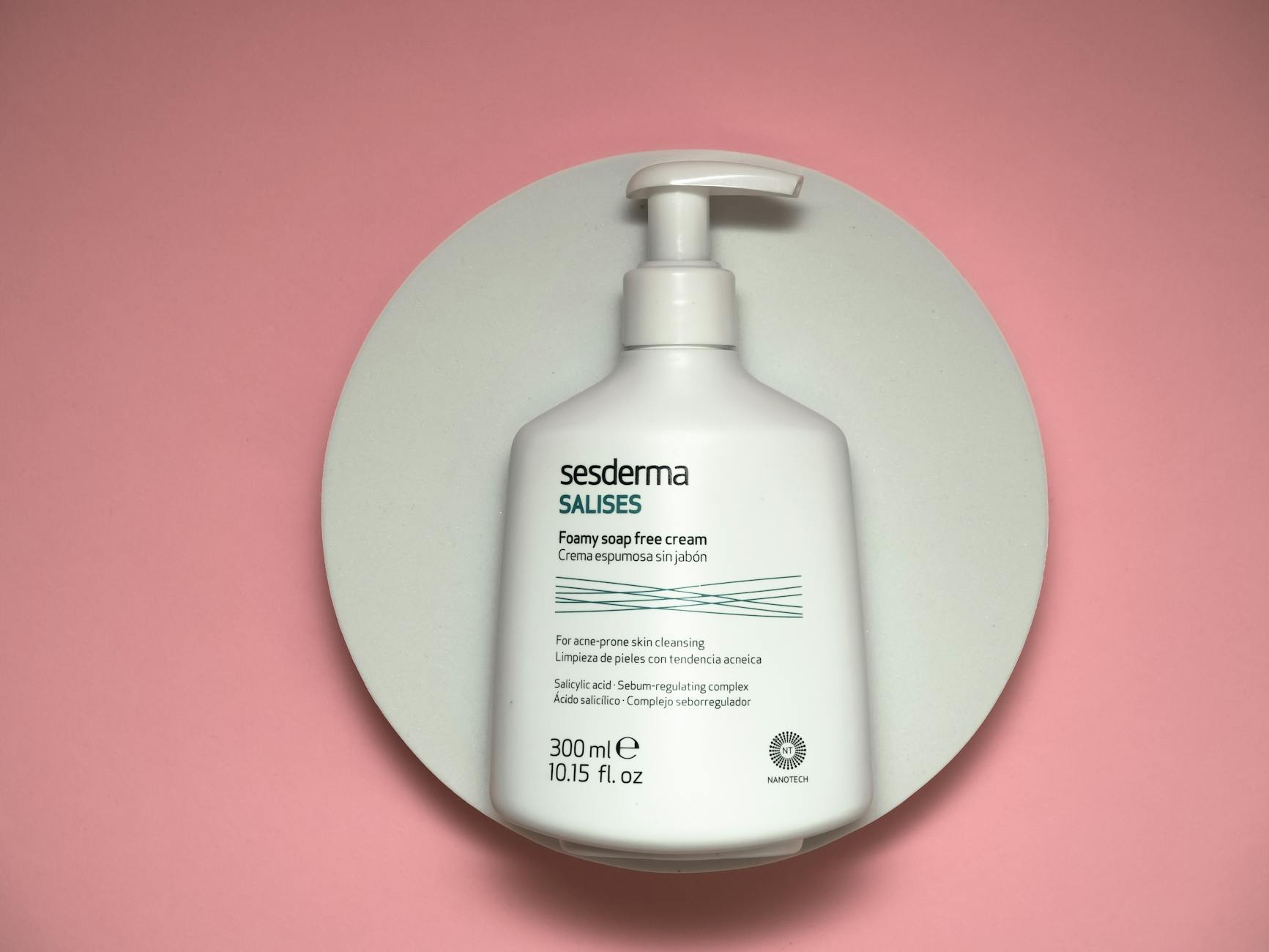
If you are diligently washing your face twice a day with an SLS-based cleanser and then wondering why your expensive non-comedogenic foundation is still causing problems, the cleanser has already compromised your skin’s defenses before the makeup even touches your face. The 2025 study data reinforces this: cleansers with comedogenic ingredients carried a 2.49 times higher acne risk than those without. Switching to a sulfate-free, fragrance-free cleanser is often the single most impactful change a person can make — more impactful, in many cases, than changing foundation or concealer.
Where Cosmetic Formulation Research Is Heading
The growing body of evidence linking specific cosmetic ingredients to acne is starting to shift how products are formulated and marketed. The 2025 case-control study is part of a broader trend in dermatological research that moves beyond vague “is makeup bad for skin” questions toward granular, ingredient-level analysis. As researchers continue to publish data on which ingredients at which concentrations cause real-world breakouts, consumers will have better tools for evaluating products than the unreliable “noncomedogenic” label.
The push for ingredient transparency is also accelerating. Independent databases and comedogenic ingredient checkers are becoming mainstream tools, and dermatologists increasingly expect patients to bring ingredient lists to appointments rather than just brand names. The gap between what the science says and what labels communicate is still wide, but it is narrowing — and the people who learn to read ingredient lists now will be ahead of the curve as the industry catches up.
Conclusion
Your makeup is likely breaking you out because of specific comedogenic ingredients hiding in your foundation, powder, cleanser, or moisturizer — not because of makeup as a category. The 2025 research from Sun Yat-sen University makes this clear: it is not about whether you wear makeup, but about what is in it. Powder users face 3.47 times higher acne odds, cleansers with comedogenic ingredients carry 2.49 times the risk, and the unregulated “noncomedogenic” label offers no real protection. The six-month delay of acne cosmetica means the product causing your breakouts may be one you have trusted for a long time.
The path forward is ingredient awareness, not product avoidance. Switch to verified non-comedogenic formulations — the clinical data shows this alone can drop acne cosmetica rates from 25 percent to under 5 percent. Eliminate SLS and artificial fragrances first, as these are the most broadly damaging across all skin types. Reintroduce products one at a time if you are trying to identify a trigger. And above all, stop trusting front-of-package claims and start reading the actual ingredient list on the back.
Frequently Asked Questions
Can makeup directly cause acne, or does it just make existing acne worse?
Both. Acne cosmetica is a recognized clinical condition where cosmetic products directly cause new acne lesions, even in people who did not previously have acne. The mechanism is pore occlusion — comedogenic ingredients physically block pores, trapping oil and bacteria. Makeup can also worsen existing acne through irritation from ingredients like SLS and artificial fragrances.
How long should I stop wearing makeup to see if it is the cause of my breakouts?
Dermatologists generally recommend a minimum of four to six weeks on a stripped-down routine before drawing conclusions. Because acne cosmetica can take up to six months to develop, it can also take several weeks to resolve after the offending product is removed. Patience is essential — if you quit a product for five days and see no change, that does not rule it out.
Is mineral makeup safer for acne-prone skin?
Not necessarily. While mineral makeup avoids some common comedogenic ingredients like oils and waxes, many mineral formulas contain bismuth oxychloride, which can cause irritation and cystic acne in some people. Always check the full ingredient list rather than relying on the “mineral” label as a shortcut.
Does expensive makeup cause fewer breakouts than drugstore makeup?
Price has no reliable correlation with comedogenicity. Expensive products can contain the same comedogenic ingredients as budget options. A 30 dollar foundation with isopropyl myristate will clog your pores just as effectively as a 7 dollar one with the same ingredient. Evaluate formulas, not price tags.
Should I stop wearing sunscreen too if I am trying to identify what is causing my acne?
No. Sunscreen is a medical-grade skin protection product and should remain in your routine. However, switch to a lightweight, fragrance-free, non-comedogenic mineral sunscreen with zinc oxide during your elimination period. Zinc oxide is generally well tolerated by acne-prone skin and provides broad-spectrum protection without the chemical filters that some people react to.