

Acne in people with polycystic ovary syndrome stems primarily from excess androgens — male hormones like testosterone and DHEA-S that are produced at abnormally high levels in roughly 60 to 80 percent of those diagnosed with the condition. These androgens stimulate the sebaceous glands to produce more oil than the skin needs, which clogs pores and creates an environment where acne-causing bacteria thrive. A woman in her late twenties who never had teenage acne but suddenly develops persistent, deep breakouts along her jawline and chin may be seeing the first visible sign of an underlying hormonal imbalance tied to PCOS.
But excess androgens are only part of the picture. Insulin resistance, which affects up to 70 percent of people with PCOS regardless of body weight, amplifies androgen production and makes breakouts worse. Chronic low-grade inflammation, gut health disruptions, and stress-driven cortisol spikes all layer on top of the hormonal dysfunction. This article breaks down each of these mechanisms, explains why PCOS acne looks and behaves differently from ordinary breakouts, and covers what actually works to treat it — including what doesn’t.
Table of Contents
- Why Do Androgens Cause Acne in People With PCOS?
- How Insulin Resistance Fuels PCOS-Related Breakouts
- The Role of Inflammation in PCOS Acne
- What Treatments Actually Work for PCOS Acne
- Why Conventional Acne Routines Often Fail With PCOS
- How Stress and Cortisol Compound PCOS Acne
- Emerging Research and What May Change
- Conclusion
- Frequently Asked Questions
Why Do Androgens Cause Acne in People With PCOS?
The connection between androgens and acne is mechanical. Testosterone circulating in the blood gets converted into a more potent form called dihydrotestosterone (DHT) by an enzyme called 5-alpha reductase, which is highly active in skin tissue. DHT binds to receptors in the sebaceous glands and tells them to grow larger and produce more sebum. When sebum output exceeds what the pore can clear, dead skin cells get trapped, forming comedones. Bacteria — primarily Cutibacterium acnes — colonize these plugged follicles, triggering an inflammatory response that produces the red, painful cysts characteristic of hormonal acne. What makes PCOS different from a passing hormonal fluctuation is that the androgen elevation is chronic.
A person without PCOS might break out around their period when progesterone drops and androgens become relatively dominant for a few days. Someone with PCOS is dealing with elevated androgens continuously, which is why their acne tends to be persistent and resistant to standard topical treatments like benzoyl peroxide or salicylic acid alone. Dermatologists often note that when a patient’s acne fails to respond to two or three rounds of conventional therapy, hormonal testing frequently reveals PCOS or another androgen-related disorder. It is also worth noting that not all people with PCOS have the same androgen profile. Some have elevated total testosterone, others have elevated free testosterone with normal total levels because their sex hormone-binding globulin (SHBG) is low. DHEA-S, produced by the adrenal glands rather than the ovaries, is the dominant androgen in a subset of PCOS cases. This matters because the source of the androgens can influence which treatments are most effective.

How Insulin Resistance Fuels PCOS-Related Breakouts
Insulin resistance is arguably the most underappreciated driver of PCOS acne. When cells stop responding efficiently to insulin, the pancreas compensates by producing more of it. Elevated insulin directly stimulates the ovaries to produce more testosterone. It also suppresses the liver’s production of SHBG, the protein that binds testosterone and keeps it inactive. The result is a double hit: more total androgen production and more free androgen available to act on skin tissue. A person with PCOS whose fasting insulin is three times the normal range may find that no amount of topical skincare makes a meaningful dent in their breakouts until the insulin problem is addressed.
However, insulin resistance in PCOS does not always look the way people expect. It is commonly associated with higher body weight, but research published in the Journal of Clinical Endocrinology and Metabolism has shown that lean individuals with PCOS can be significantly insulin resistant as well. If someone assumes they do not have insulin resistance because they are at a normal weight and skips metabolic testing, they may miss a treatable root cause of their acne. A fasting insulin test or an oral glucose tolerance test with insulin levels is more revealing than fasting glucose alone, which can remain normal until insulin resistance is quite advanced. Dietary patterns that spike blood sugar — refined carbohydrates, sugary drinks, frequent snacking without protein or fat — worsen this cycle rapidly. Each glucose spike triggers an insulin surge, which feeds back into androgen production. This does not mean a low-carb diet is a cure, but for many people with PCOS, reducing glycemic load produces a noticeable improvement in skin clarity within two to three months, sometimes before any prescription medication is started.
The Role of Inflammation in PCOS Acne
Chronic low-grade inflammation is a hallmark of PCOS that exists independently of weight or metabolic status. Elevated levels of C-reactive protein, interleukin-6, and tumor necrosis factor-alpha have been documented in PCOS patients across multiple studies. This systemic inflammation primes the skin’s immune system to overreact to what would otherwise be minor pore blockages. Instead of a small whitehead, the body mounts a disproportionate inflammatory response, producing the deep, cystic lesions that scar more easily and take weeks to resolve. A specific example of this is the difference between how two people respond to the same pore-clogging event.
Someone without systemic inflammation might develop a superficial blemish that resolves in a few days. Someone with PCOS-driven inflammation develops a painful nodule that lingers beneath the skin for two weeks and leaves a dark mark for months afterward. This is why post-inflammatory hyperpigmentation is such a common complaint among PCOS acne sufferers — the inflammatory response itself causes more damage than the original clogged pore. Gut health is increasingly implicated in this inflammatory picture. Dysbiosis — an imbalance in gut bacteria — has been found at higher rates in people with PCOS, and some researchers believe the gut-skin axis plays a role in maintaining the chronic inflammatory state. Probiotics and dietary changes aimed at gut health are not a substitute for medical treatment, but they represent an emerging area where some patients report improvement.
What Treatments Actually Work for PCOS Acne
The most effective approach to PCOS acne addresses both the skin surface and the hormonal root cause, and this is where treatment decisions involve real tradeoffs. Spironolactone, an anti-androgen medication, is one of the most commonly prescribed options. It blocks androgen receptors in the skin and reduces sebum production. Many people see significant clearing within three to six months. The tradeoff is that spironolactone requires monitoring of potassium levels, cannot be used during pregnancy, and may cause irregular periods or breast tenderness at higher doses. Combined oral contraceptive pills containing anti-androgenic progestins like drospirenone or norgestimate are another frontline option.
They raise SHBG, lower free testosterone, and regulate the menstrual cycle. However, they are not appropriate for everyone — people with a history of blood clots, migraines with aura, or certain cardiovascular risk factors cannot safely take them. There is also a philosophical consideration: birth control pills manage symptoms but do not resolve the underlying metabolic dysfunction, so acne often returns when the pill is stopped. For the insulin resistance component, metformin or inositol supplements (particularly a 40:1 ratio of myo-inositol to D-chiro-inositol) have shown benefit in reducing androgen levels by improving insulin sensitivity. Retinoids like tretinoin or adapalene remain valuable for the skin itself, normalizing cell turnover in the pore lining. The most durable results typically come from combining a topical retinoid with a systemic approach — anti-androgen therapy, insulin-sensitizing treatment, or both — rather than relying on any single intervention.
Why Conventional Acne Routines Often Fail With PCOS
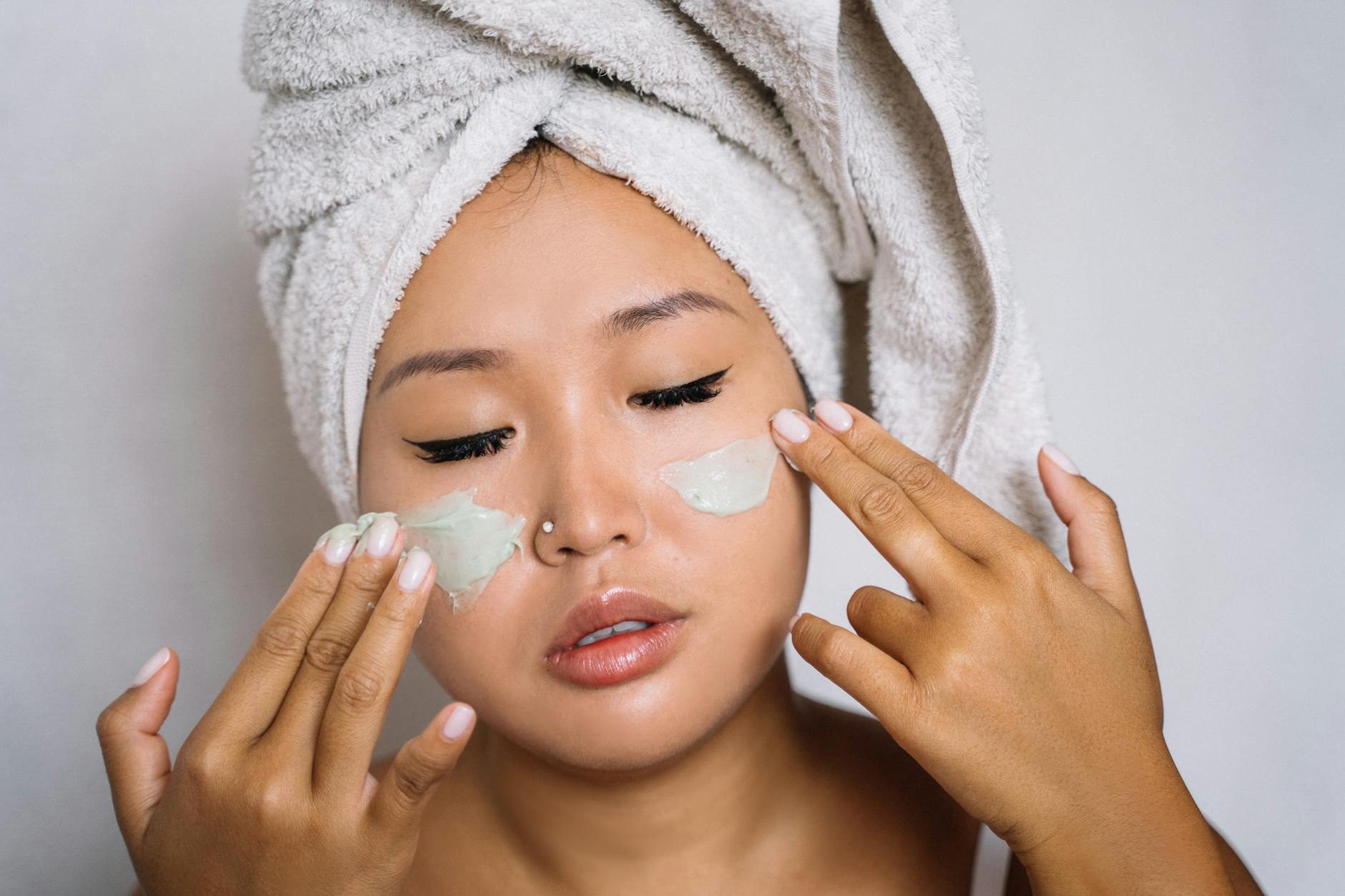
One of the most frustrating aspects of PCOS acne is that it does not respond to the playbook that works for garden-variety breakouts. Someone might diligently use a cleanser with salicylic acid, apply benzoyl peroxide, and keep up a consistent routine for months with little improvement. The reason is straightforward: these products address bacterial colonization and surface-level pore clogging, but they cannot reduce the excess sebum production driven by elevated androgens. It is like mopping a floor while the faucet is still running. A specific warning here applies to isotretinoin (Accutane). While it is extraordinarily effective for severe cystic acne in the general population, its track record with PCOS acne is mixed.
It can produce dramatic clearing during the course of treatment, but relapse rates are notably higher in hormonally driven acne because the underlying androgen excess remains once the drug is stopped. Some dermatologists will prescribe isotretinoin for PCOS patients alongside spironolactone as a maintenance strategy, but this is a decision that needs to account for the cumulative side effect burden and the reality that isotretinoin alone is unlikely to be a permanent fix. Over-treating the skin is another common pitfall. In desperation, people layer on multiple actives — retinoids, acids, benzoyl peroxide, vitamin C — and strip their moisture barrier. Compromised skin barriers increase transepidermal water loss, trigger more inflammation, and can actually worsen acne. If the skin feels tight, burns when products are applied, or looks shiny-dry rather than healthily hydrated, the routine has become part of the problem.

How Stress and Cortisol Compound PCOS Acne
Cortisol, the primary stress hormone, shares biosynthetic pathways with androgens. Under chronic stress, the adrenal glands ramp up cortisol production and, as a byproduct, increase adrenal androgens like DHEA-S. For someone already dealing with ovarian androgen excess from PCOS, this adrenal contribution can push breakouts from moderate to severe. A student with PCOS who notices dramatic flares during exam periods is likely seeing the cortisol-androgen connection in real time.
Sleep deprivation makes this worse by disrupting cortisol’s natural rhythm. Normally, cortisol peaks in the morning and declines through the day. Chronic sleep debt flattens this curve, keeping cortisol — and by extension, adrenal androgens — elevated around the clock. Addressing sleep quality and stress management will not cure PCOS acne on its own, but ignoring these factors can undermine an otherwise well-designed treatment plan.
Emerging Research and What May Change
The understanding of PCOS acne is shifting as researchers look beyond the ovaries. Studies on the role of advanced glycation end products (AGEs) in skin aging and acne are beginning to overlap with PCOS research, since AGE accumulation is accelerated by hyperglycemia and insulin resistance.
There is also growing interest in the skin microbiome — not just Cutibacterium acnes, but the broader bacterial ecosystem — and how hormonal imbalances alter its composition in ways that favor breakouts. Newer anti-androgen agents and selective androgen receptor modulators are in various stages of development, and topical anti-androgens that act locally without systemic effects could eventually offer targeted treatment with fewer side effects than oral medications. For now, the most practical takeaway is that PCOS acne requires a multi-system approach — skin, hormones, metabolism, and lifestyle — and single-target treatments will almost always fall short.
Conclusion
Acne driven by PCOS is fundamentally different from typical breakouts because it is rooted in a systemic hormonal and metabolic disorder. Excess androgens increase sebum production, insulin resistance amplifies androgen levels, and chronic inflammation turns minor pore blockages into deep, scarring cysts. Understanding these overlapping mechanisms explains why surface-level skincare routines so often fail and why effective treatment usually requires addressing the hormonal or metabolic drivers alongside topical care.
If persistent acne has not responded to standard treatments, testing for PCOS — including a full androgen panel and insulin levels — is a reasonable next step, even in the absence of other classic symptoms like irregular periods. Working with both a dermatologist and an endocrinologist, or a gynecologist experienced in PCOS, tends to produce better outcomes than treating the skin in isolation. The acne is a symptom, and while managing the symptom matters, the most lasting improvements come from treating what is underneath it.
Frequently Asked Questions
Can PCOS acne go away on its own?
It is unlikely to resolve without some form of intervention because the underlying hormonal imbalance is chronic. Some people experience improvement with significant lifestyle changes — particularly dietary modifications that reduce insulin resistance — but most need medical treatment to see meaningful clearing.
Where does PCOS acne typically appear?
It predominantly affects the lower face — jawline, chin, and neck — which is where skin has the highest concentration of androgen receptors. It can also appear on the chest and upper back. Forehead acne is less commonly associated with hormonal causes.
Is PCOS acne always cystic?
No. While deep cystic and nodular lesions are common, PCOS acne can also present as persistent comedonal acne (blackheads and whiteheads) or a mix of inflammatory papules and cysts. The distinguishing feature is its resistance to conventional treatment rather than its appearance alone.
Does dairy cause PCOS acne?
Dairy has been associated with acne in some population studies, partly because milk contains insulin-like growth factor 1 (IGF-1), which can worsen insulin resistance and androgen activity. However, the effect varies significantly between individuals. Eliminating dairy for six to eight weeks is a reasonable experiment, but it is not a reliable standalone treatment for PCOS acne.
Can birth control cure PCOS acne permanently?
Birth control pills manage PCOS acne effectively while you take them, but they do not correct the underlying hormonal imbalance. Most people experience a return of acne within a few months of stopping, unless other interventions — lifestyle changes, anti-androgens, or insulin-sensitizing treatments — are in place.