
Flying on a plane causes acne primarily because of the extremely low humidity inside aircraft cabins, which typically hovers around 10 to 20 percent — far below the 30 to 60 percent range most skin is accustomed to. This dry environment strips moisture from your skin, and your sebaceous glands respond by overproducing oil to compensate, creating the perfect conditions for clogged pores and breakouts. Add in the recycled cabin air, stress hormones from travel, and the tendency to touch your face more often during flights, and you have a recipe for what frequent flyers sometimes call “plane acne.” Someone who flies cross-country from New York to Los Angeles, for example, spends roughly five hours in conditions drier than the Sahara Desert, and may notice new blemishes appearing within 24 to 48 hours of landing.
Beyond dehydration, several other flight-related factors pile on. Changes in cabin pressure affect how your skin behaves at a cellular level, bacteria from shared surfaces like tray tables and armrests transfer easily to your face, and disrupted sleep patterns from time zone changes can throw off the hormonal balance that keeps breakouts in check. This article breaks down each of these causes in detail, offers practical strategies for preventing post-flight acne, and addresses some common misconceptions about what actually happens to your skin at 35,000 feet.
Table of Contents
- Why Does the Dry Cabin Air on a Plane Trigger Acne Breakouts?
- How Cabin Pressure Changes Affect Your Skin and Pores
- The Bacteria Problem — Tray Tables, Headrests, and Your Hands
- Pre-Flight and In-Flight Skincare Strategies That Actually Work
- Why Post-Flight Breakouts Can Be Delayed — and What Makes Them Worse
- How Frequent Flying Compounds the Problem
- New Research and Evolving Approaches to Travel Skincare
- Conclusion
- Frequently Asked Questions
Why Does the Dry Cabin Air on a Plane Trigger Acne Breakouts?
Commercial aircraft pull in outside air from altitudes where moisture is virtually nonexistent, and even after the environmental control systems process it, cabin humidity sits far below what your skin needs to function normally. At 10 to 20 percent relative humidity, the outermost layer of your skin — the stratum corneum — loses water rapidly through transepidermal water loss. When this barrier becomes compromised, your skin does two things that promote acne: it ramps up sebum production to seal in whatever moisture remains, and it becomes more susceptible to irritation and inflammation. The excess oil mixes with dead skin cells that aren’t shedding properly because of the dehydration, and that mixture clogs pores. What makes this worse is that the effect is cumulative over the duration of a flight.
A two-hour regional hop may not cause much trouble, but a seven-hour transatlantic flight gives your skin prolonged exposure to those conditions. Dermatologists have compared it to spending an entire workday in a room with a powerful dehumidifier running — your lips crack, your nasal passages dry out, and your skin quietly starts overcompensating. People with combination skin often find this especially frustrating because their T-zone goes into oil overdrive while their cheeks become flaky and tight, creating breakouts in some areas and peeling in others simultaneously. The dehydration problem is compounded by what most people drink during flights. Alcohol and coffee, two of the most popular in-flight beverages, are both diuretics that pull even more water from your system. A passenger who has two glasses of wine and a coffee during a long-haul flight is essentially accelerating their skin’s moisture loss from both the inside and outside at the same time.

How Cabin Pressure Changes Affect Your Skin and Pores
Aircraft cabins are pressurized to the equivalent of roughly 6,000 to 8,000 feet above sea level, which is significantly different from what most people experience on the ground. This reduced pressure causes gases in your body to expand slightly, and while the effect on your digestive system gets more attention, it also impacts your skin. Pores can expand subtly under lower pressure, making them more likely to trap oil and debris. Some dermatologists theorize that the pressure differential also affects blood circulation to the skin, reducing the delivery of oxygen and nutrients that help maintain a healthy barrier.
However, if you already have well-managed skin with a solid moisture barrier, the pressure changes alone probably won’t cause a breakout. The cabin pressure factor tends to matter most for people who are already acne-prone or whose skin is in a compromised state — perhaps from using retinoids, which thin the outer skin layer, or from a recent chemical peel. For these individuals, the pressure change acts as a tipping point on top of the dehydration. It’s worth noting that pilots and flight attendants, who experience these pressure changes daily, frequently report persistent skin issues as an occupational hazard, and many develop specific skincare routines to counteract the effects over time.
The Bacteria Problem — Tray Tables, Headrests, and Your Hands
A 2015 study published by the journal *Infection Ecology & Epidemiology* found that tray tables harbored an average of 2,155 colony-forming units of bacteria per square inch — roughly eight times more than the lavatory flush buttons. When you lean your chin on your hand after touching that tray table, or rest your forehead against the window, you’re transferring bacteria directly to acne-prone areas of your face. The specific bacteria that cause acne, *Cutibacterium acnes*, thrives when it gets pushed into pores already clogged with excess oil, and the flight environment creates exactly those conditions. Headrests and seat pockets are rarely cleaned between flights, and during boarding, passengers touch overhead bin handles, armrests, and seatbelt buckles that hundreds of other travelers have handled.
Most people unconsciously touch their face between 16 and 23 times per hour according to a study from the University of new South Wales, and that frequency likely increases during flights due to discomfort, boredom, and the sensation of dry or itchy skin. A frequent business traveler who flies weekly and rests their face on their hands during flights is essentially giving bacteria a direct route to their pores multiple times a week. Even the recycled cabin air plays a role. While HEPA filters on modern aircraft capture 99.97 percent of airborne particles, the air near your immediate seating area still circulates among your row neighbors before reaching those filters. If you’re seated near someone who is sick or if the ventilation in your section is suboptimal, you’re breathing in more particulates that can settle on your skin.

Pre-Flight and In-Flight Skincare Strategies That Actually Work
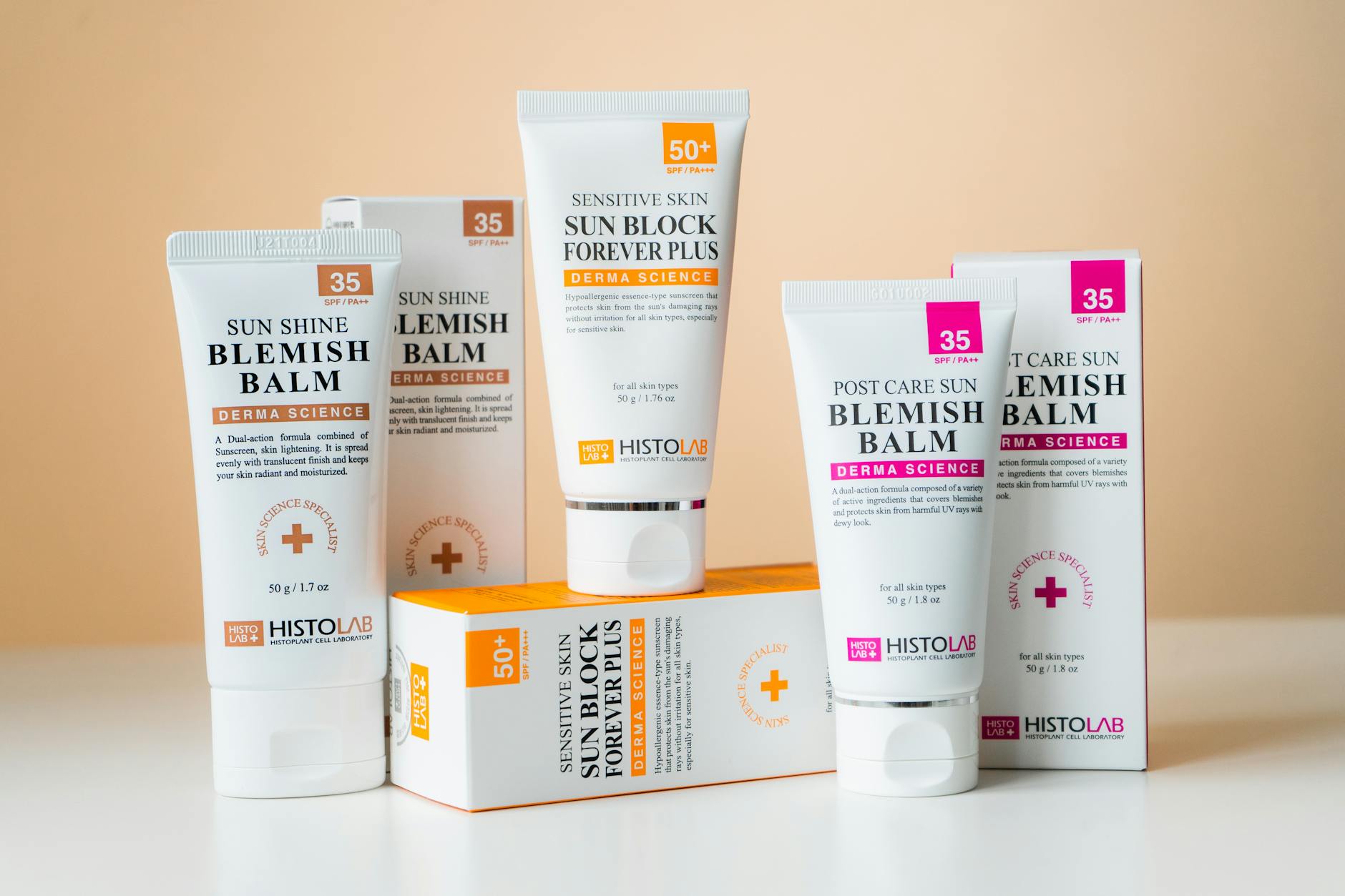
The most effective approach to preventing plane acne is a simplified, hydration-focused skincare routine applied before and during your flight — not a complicated multi-step regimen. Before boarding, wash your face and apply a lightweight, non-comedogenic moisturizer with hyaluronic acid, which pulls moisture into the skin. Layer a facial oil like squalane on top if you have dry or normal skin, as it creates a barrier against transepidermal water loss. Skip heavy makeup, which can mix with the excess sebum your skin will produce mid-flight and accelerate pore clogging. A tinted mineral sunscreen serves double duty if you want some coverage and UV protection, since UV radiation is stronger at cruising altitude. During the flight, a hydrating facial mist can provide temporary relief, but there’s an important tradeoff to understand: misting water onto your face without following it with a moisturizer can actually make dehydration worse, because the water evaporates quickly in the dry cabin and pulls your skin’s own moisture with it.
If you use a mist, pat it in and immediately seal it with a balm or moisturizer. Drinking water consistently throughout the flight — aiming for about eight ounces per hour — supports your skin from the inside. Some travelers swear by sheet masks during long-haul flights, and while they do work well for delivering hydration, they’re impractical on shorter flights and not everyone is comfortable wearing one in a crowded cabin. The comparison between pre-treating your skin and trying to fix it after landing is stark. Prevention takes about five minutes before your flight, while dealing with a full breakout after the fact can mean a week or more of blemishes cycling through their lifespan. Travelers who start hydrating their skin two days before a flight tend to report better outcomes than those who only think about it at the gate.
Why Post-Flight Breakouts Can Be Delayed — and What Makes Them Worse
One of the more frustrating aspects of plane acne is that breakouts often don’t appear until 24 to 72 hours after you land, which makes it harder to connect them to the flight. This delay happens because the inflammatory process that turns a clogged pore into a visible pimple takes time. The oil overproduction and bacterial transfer that occurred during the flight set the stage, but the actual immune response — redness, swelling, pus formation — unfolds over the next few days. This is why some people blame their hotel pillowcase or the local water when the real culprit was the flight itself. Several post-flight behaviors can make things significantly worse.
Skipping your nighttime skincare routine because you’re exhausted from travel is one of the most common mistakes. Going straight to bed with flight grime on your skin gives all those bacteria and excess oils hours of uninterrupted contact with your pores. Similarly, the stress of travel disrupts your cortisol levels, and elevated cortisol directly increases sebum production and inflammatory responses. Crossing time zones adds another layer by disrupting your circadian rhythm, which research has shown influences skin cell repair and turnover. A warning for those who use prescription acne treatments like tretinoin or benzoyl peroxide: your skin may be more reactive than usual after a flight because its barrier is already weakened, so applying strong actives immediately after landing can cause excessive irritation. Consider waiting until the next morning to resume prescription treatments, and focus on gentle cleansing and heavy hydration the night you arrive.
How Frequent Flying Compounds the Problem
For people who fly weekly or biweekly for work, plane acne becomes a chronic cycle rather than an isolated event. The skin never fully recovers its moisture barrier before the next flight strips it down again, leading to a state of persistent dehydration and reactive oil production. A consulting professional who flies out Monday morning and back Thursday evening, for instance, may find that their skin is never quite clear, with new breakouts layering on top of healing ones.
Dermatologists who treat frequent flyers often recommend more aggressive barrier-repair products — ceramide-heavy creams, overnight hydration masks, and sometimes prescription-strength moisturizers — to counteract the repetitive damage. There is also evidence that the cumulative UV exposure from frequent flying contributes to skin damage. At cruising altitude, you receive significantly more ultraviolet radiation than on the ground, particularly UVA rays that penetrate window glass. Over time, this can degrade collagen and weaken the skin’s structural integrity, making it less resilient to all the other acne-triggering factors.
New Research and Evolving Approaches to Travel Skincare
The skincare industry has started paying more attention to the specific challenges of air travel, with several brands developing products formulated for in-flight use — thicker barrier creams, single-use hydration pods, and probiotic sprays designed to support the skin’s microbiome during flights. More interesting is the emerging research into how the skin’s microbiome shifts during air travel. Early studies suggest that the balance of beneficial and harmful bacteria on the skin’s surface changes measurably after long flights, and that supporting microbial diversity — rather than just adding moisture — may be a more effective long-term strategy.
Airlines are also making incremental improvements. The Boeing 787 Dreamliner and Airbus A350 maintain cabin humidity levels closer to 25 percent, meaningfully higher than older aircraft. As more airlines update their fleets, the baseline conditions for skin should improve slightly. But for now, the combination of low humidity, cabin pressure, bacterial exposure, and travel stress means that flyers need to take active steps to protect their skin — and understanding exactly why planes cause breakouts is the first step toward preventing them.
Conclusion
Acne after flying results from a convergence of factors that all hit your skin at once: extreme dehydration from cabin humidity levels as low as 10 percent, increased sebum production as your skin tries to compensate, bacterial transfer from contaminated surfaces, expanded pores under reduced cabin pressure, and the hormonal effects of travel stress and disrupted sleep. Each of these would be manageable on its own, but together they create conditions that overwhelm even skin that’s normally well-behaved. The delayed onset of breakouts — often appearing two to three days after landing — makes the connection easy to miss.
The most effective countermeasure is preparation. Hydrate your skin thoroughly before flying, keep a simplified routine going during the flight, drink water instead of alcohol and coffee, avoid touching your face, and prioritize gentle cleansing and barrier repair as soon as you reach your destination. If you fly frequently, invest in ceramide-based moisturizers and consider your in-flight skincare as seriously as you consider your ground-level routine. Plane acne is predictable and largely preventable once you understand the mechanics behind it.
Frequently Asked Questions
How long after a flight do breakouts usually appear?
Most post-flight breakouts show up between 24 and 72 hours after landing. The clogging and bacterial exposure happen during the flight, but the inflammatory response that produces visible pimples takes time to develop.
Does flying first class or business class reduce the risk of plane acne?
The cabin humidity and pressure are the same throughout the aircraft regardless of your seat class. However, premium cabins often provide hot towels, skincare amenity kits, and more personal space that makes it easier to maintain a skincare routine during the flight.
Should I wear makeup on a plane?
Heavy foundation and powder makeup can trap oil and debris in your pores during the flight, increasing breakout risk. If you need coverage, a tinted moisturizer or mineral sunscreen is a better option. Consider traveling bare-faced and applying makeup after landing.
Does the length of the flight matter for acne?
Yes, significantly. Flights under two hours cause less dehydration and less overall skin stress. Flights over five hours expose your skin to prolonged low humidity, and long-haul flights of 10 or more hours can cause noticeable barrier damage that takes days to repair.
Can drinking extra water on the plane prevent breakouts?
Drinking water helps support overall hydration but won’t fully counteract the moisture loss happening at your skin’s surface. Internal hydration needs to be paired with topical hydration — moisturizer, facial oil, or a hydrating serum — for the best results.