

Maskne is a colloquial term for acne mechanica triggered by prolonged mask wearing, and getting rid of it requires a combination of proper mask hygiene, a simplified skincare routine, and targeted acne treatments. The condition develops when a face covering traps heat, moisture, and bacteria against the skin, creating a microenvironment that clogs pores and inflames hair follicles. If you started breaking out along your jawline, chin, cheeks, or nose bridge sometime after 2020 and had relatively clear skin before, maskne is almost certainly the culprit.
A nurse working twelve-hour hospital shifts, for instance, might notice deep, painful cysts forming under her N95 by the end of a single week, even if she never dealt with acne as a teenager. This article breaks down the specific mechanisms behind mask-related breakouts, how to distinguish maskne from other skin conditions that look similar, which fabrics and mask types make the problem worse or better, and the skincare ingredients that actually help versus those that backfire. We will also cover when it makes sense to see a dermatologist rather than trying to manage things on your own, because maskne that progresses to folliculitis or perioral dermatitis requires a different treatment approach entirely.
Table of Contents
- What Exactly Causes Maskne and Why Is It Different from Regular Acne?
- How to Tell Maskne Apart from Rosacea, Perioral Dermatitis, and Contact Dermatitis
- Which Mask Fabrics and Fits Make Maskne Worse
- Building a Skincare Routine That Actually Works Under a Mask
- When Maskne Becomes Something More Serious
- The Role of Moisturizer and SPF Under Masks
- Will Maskne Remain Relevant Going Forward?
- Conclusion
- Frequently Asked Questions
What Exactly Causes Maskne and Why Is It Different from Regular Acne?
Regular acne vulgaris is driven primarily by hormonal fluctuations, excess sebum production, and the bacterium Cutibacterium acnes colonizing clogged pores. Maskne shares some of these players but introduces a mechanical component that changes the equation. The physical friction of fabric rubbing against skin disrupts the stratum corneum, the outermost protective barrier, allowing bacteria easier access to pores. Simultaneously, every exhale pushes warm, humid air into the sealed space between the mask and your face. Dermatologists sometimes compare it to wearing a miniature greenhouse on the lower half of your face for hours at a time.
The distinction matters for treatment. Someone who has managed hormonal acne successfully with retinoids and benzoyl peroxide might find those same products are now irritating their skin further, because the compromised barrier from friction cannot tolerate the same active ingredients it handled before. A construction worker who wears a dust mask daily will experience a different pattern than someone wearing a loose cloth mask to the grocery store once a week. The duration, tightness, and material of the mask all modulate how severe the breakouts become. This is why a one-size-fits-all approach rarely works for maskne, and why understanding the mechanical component is the first step toward fixing it.

How to Tell Maskne Apart from Rosacea, Perioral Dermatitis, and Contact Dermatitis
Not every rash under a mask is maskne. Perioral dermatitis produces small, clustered papules around the mouth and nose that can look almost identical to acne but respond terribly to standard acne treatments. If you slap benzoyl peroxide on perioral dermatitis, you will likely make it angrier. Contact dermatitis from mask materials, adhesives, or detergent residue tends to present as itchy, red, sometimes flaky patches that follow the exact outline of where the mask sits. Rosacea flares triggered by the trapped heat of a mask produce diffuse redness and a burning sensation rather than individual pimples.
The practical test is location and morphology. True maskne shows up as comedones (blackheads and whiteheads), inflammatory papules, and sometimes pustules concentrated in the areas of greatest friction and occlusion, typically the chin, jawline, and cheeks. If your breakouts are exclusively around the mouth with a clear zone right at the vermillion border of the lips, consider perioral dermatitis. If the irritation is itchy rather than painful, and the skin is peeling, think contact dermatitis. However, if you have been self-treating for more than four to six weeks with no improvement, or if the condition is worsening, see a dermatologist. Misdiagnosing the condition means you could spend months using products that are actively making things worse.
Which Mask Fabrics and Fits Make Maskne Worse
The mask itself is half the problem, and not all masks are created equal when it comes to skin health. Surgical masks with their synthetic non-woven polypropylene layers are breathable but cannot be washed, meaning they accumulate bacteria rapidly after a single use. Reusable cloth masks made from tightly woven cotton or cotton-silk blends tend to be gentler on skin and can be laundered daily, which is a significant advantage. A 2021 study published in the Journal of the American Academy of Dermatology found that healthcare workers who changed masks more than once per shift reported fewer skin problems than those who wore the same mask for an entire shift. Fit matters as much as fabric.
A mask that is too tight creates more friction, particularly across the nose bridge and along the jawline where the edges dig in. A mask that is too loose shifts around constantly, creating intermittent rubbing that is arguably worse than consistent pressure. The sweet spot is a mask that conforms to the face without pressing hard against the skin. Some people find that silk or satin mask liners placed between the skin and the outer mask reduce friction significantly. N95 and KN95 respirators are the worst offenders for maskne because they form a tight seal, but they are also non-negotiable in certain medical and occupational settings, which makes the skincare approach even more important for the people who need them most.

Building a Skincare Routine That Actually Works Under a Mask
The instinct when maskne appears is to pile on acne-fighting products, and this is usually a mistake. The compromised skin barrier from mechanical friction means your tolerance for active ingredients drops. Start with a gentle, non-foaming cleanser, something like a ceramide-based formula, and wash your face before putting on a mask, after removing it, and at the end of the day. Three washes might sound excessive, but the post-mask wash is critical for clearing the bacterial film that builds up during wear. For active treatments, the tradeoff is between efficacy and irritation potential. Benzoyl peroxide at 2.5 percent is usually tolerable and kills acne-causing bacteria on contact, but higher concentrations like 10 percent will likely cause peeling and redness on barrier-compromised skin.
Salicylic acid at 0.5 to 2 percent works well because it is oil-soluble and can penetrate into clogged pores, but it can also be drying. Niacinamide at 4 to 5 percent is a good complement because it reduces inflammation and helps repair the barrier simultaneously without the irritation risk. The comparison here is straightforward: if your maskne is mostly comedonal (blackheads and whiteheads), lean on salicylic acid. If it is mostly inflammatory (red, painful bumps), lean on benzoyl peroxide and niacinamide. Retinoids are powerful but should be introduced slowly and only at night, well after the mask has come off for the day. Applying retinol under a mask effectively occludes it against the skin and amplifies irritation.
When Maskne Becomes Something More Serious
There is a threshold where maskne stops being a cosmetic nuisance and becomes a medical problem. Folliculitis, an infection of the hair follicles, can develop when bacteria or fungi penetrate deeper into the skin under prolonged occlusion. Fungal folliculitis in particular, caused by Malassezia yeast, is commonly misidentified as regular acne because the bumps look similar. The key difference is that fungal folliculitis tends to be uniformly sized, intensely itchy, and does not respond to antibacterial acne treatments at all.
If you have been using benzoyl peroxide and salicylic acid faithfully for weeks and the bumps remain stubbornly unchanged, fungal involvement should be on the table. Prescription options for severe maskne include topical antibiotics like clindamycin, often paired with benzoyl peroxide to prevent antibiotic resistance, or short courses of oral antibiotics like doxycycline for widespread inflammatory breakouts. A dermatologist might also prescribe azelaic acid at prescription strength, which has both antibacterial and anti-inflammatory properties with a gentler side effect profile than many alternatives. The warning here is against prolonged self-treatment with over-the-counter hydrocortisone cream, which some people reach for because it reduces redness quickly. Steroids thin the skin over time and can trigger perioral dermatitis, creating a new problem on top of the original one.
The Role of Moisturizer and SPF Under Masks
Skipping moisturizer because your skin feels oily under the mask is counterproductive. The moisture trapped by the mask is not the same as hydration. In fact, the repeated cycle of moisture accumulation and evaporation when the mask is removed can leave skin more dehydrated than before, prompting even more oil production.
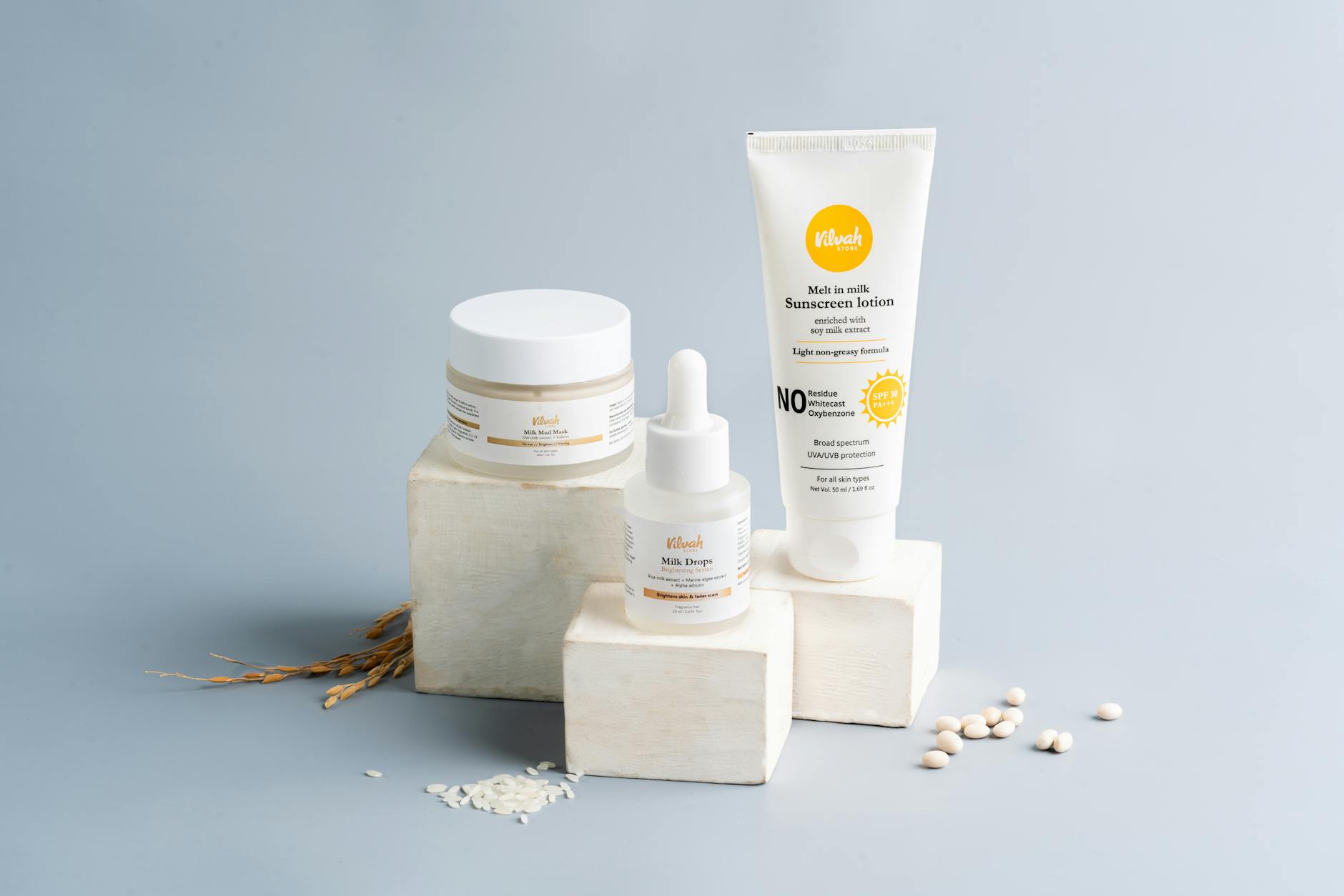
A lightweight, non-comedogenic moisturizer applied before masking creates a protective buffer between the skin and the fabric. Some dermatologists recommend products containing hyaluronic acid and ceramides specifically because they reinforce the barrier without adding occlusive heaviness. One practical example: healthcare workers at Mount Sinai during the peak of COVID-era mask mandates were advised by their dermatology department to apply a thin layer of moisturizer thirty minutes before putting on their N95s to allow it to absorb fully.
Will Maskne Remain Relevant Going Forward?
Even as pandemic-era mask mandates have largely disappeared in most public settings, maskne is not going away. Healthcare workers, construction workers, painters, lab technicians, and people living in wildfire-prone regions with poor air quality will continue wearing masks regularly. In East Asian countries where mask wearing for pollution and illness prevention was common long before 2020, dermatologists have been treating acne mechanica from masks for years, and their clinical literature offers a deeper evidence base than what was hastily assembled during the pandemic.
The silver lining is that the explosion of maskne cases forced the skincare industry and dermatological research to take acne mechanica more seriously. More studies on barrier repair, mask-compatible skincare formulations, and antimicrobial mask coatings are underway. For anyone still dealing with mask-related breakouts, the understanding of the condition and the tools to treat it are better now than they were even two years ago.
Conclusion
Maskne is fundamentally a barrier disruption problem compounded by bacterial overgrowth in an occluded environment. Treating it effectively means addressing both sides: protecting and repairing the skin barrier with gentle cleansing and consistent moisturizing, while using targeted active ingredients like low-concentration benzoyl peroxide, salicylic acid, or niacinamide to manage the acne itself.
Choosing the right mask material, washing reusable masks after every use, and changing disposable masks regularly are just as important as any skincare product. If your breakouts have not improved after six weeks of consistent at-home treatment, or if the bumps are itchy, uniform, or spreading, get a professional evaluation. Maskne that is actually folliculitis, perioral dermatitis, or contact dermatitis needs a completely different approach, and the longer you treat the wrong condition, the more frustrated and irritated both you and your skin will become.
Frequently Asked Questions
Can I wear makeup under a mask if I have maskne?
You can, but opt for non-comedogenic, fragrance-free formulas and avoid heavy foundations. A tinted moisturizer or mineral sunscreen with coverage is less likely to clog pores than a full-coverage liquid foundation. Remove makeup immediately after taking the mask off for the day.
How often should I wash a reusable cloth mask?
After every single use. Treat it like underwear. Bacteria, oil, dead skin cells, and saliva accumulate on the fabric during wear, and putting a dirty mask back on the next day reintroduces all of that directly onto already-compromised skin. Use a fragrance-free, dye-free detergent to avoid adding contact irritants.
Does the type of laundry detergent I use on my mask matter?
Yes. Fragranced detergents and fabric softeners leave chemical residue on the fabric that sits against your skin for hours. Switch to a free-and-clear formula for washing masks. Skip the dryer sheets entirely.
Will maskne leave scars?
It can, particularly if the breakouts are deep, inflammatory, or if you pick at them. Post-inflammatory hyperpigmentation, the dark marks left after a pimple heals, is common with maskne and can take months to fade. Sunscreen helps prevent those marks from darkening further.
Is there a difference between maskne on the chin versus the cheeks?
Chin breakouts tend to be more inflammatory and deeper because the chin area has denser sebaceous glands and experiences more mask movement during talking. Cheek breakouts are often more superficial and friction-related. The treatment approach is the same, but chin maskne may take longer to resolve.