
Scalp acne is caused by the same fundamental process that triggers acne anywhere else on the body: hair follicles become clogged with a combination of excess sebum, dead skin cells, and bacteria. The scalp is home to a dense concentration of sebaceous glands, and when those glands overproduce oil — whether from hormonal shifts, stress, or heavy hair products — the follicles become blocked, creating an environment where Cutibacterium acnes (formerly Propionibacterium acnes) can thrive and trigger inflammation. Someone who switches to a thick, silicone-based conditioner and notices small, painful bumps along the hairline within a week is experiencing a textbook case of product-induced follicular occlusion.
But clogged pores are only part of the picture. Scalp acne can also be driven by fungal overgrowth, friction from tight hairstyles or hats, infrequent washing, and even certain medications. The condition is sometimes confused with folliculitis, seborrheic dermatitis, or scalp psoriasis, each of which requires different treatment. This article breaks down the specific triggers behind scalp acne, how to distinguish it from other scalp conditions, which treatments actually work, and when the problem warrants a visit to a dermatologist.
Table of Contents
- Why Does Acne Develop on the Scalp Specifically?
- The Role of Hair Products in Triggering Scalp Breakouts
- How Hormones and Stress Influence Scalp Acne
- Practical Steps to Treat and Prevent Scalp Acne
- When Scalp Acne Is Actually Something Else
- How Diet and Lifestyle Habits Affect Scalp Breakouts
- What Dermatologists Are Learning About Scalp Acne
- Conclusion
- Frequently Asked Questions
Why Does Acne Develop on the Scalp Specifically?
The scalp has more hair follicles per square centimeter than almost any other part of the body, and each of those follicles is paired with a sebaceous gland. These glands produce sebum, a waxy substance meant to keep hair and skin moisturized. Under normal circumstances, sebum travels up and out of the follicle without incident. But when production ramps up — during puberty, around menstruation, or in response to androgens like testosterone and DHT — the excess oil mixes with dead keratinocytes that haven’t shed properly. The result is a microcomedo, a tiny plug that sits inside the follicle and acts as a sealed chamber for bacterial growth. What makes the scalp particularly susceptible is its combination of high sebum output and poor visibility.
People notice a pimple forming on their cheek and adjust their routine. A pimple buried under hair may go undetected until it becomes inflamed and painful. The warm, often moist environment under hair also encourages bacterial proliferation. A person who works out daily and doesn’t wash their hair afterward, for example, is creating ideal conditions: sweat mixes with oil, diluting the skin’s acid mantle and allowing bacteria and yeast to colonize more aggressively. Compared to facial acne, scalp acne tends to present as deeper, more painful papules and pustules rather than open comedones (blackheads). This is partly because the hair shaft itself occupies the follicle, leaving less room for a plug to sit near the surface. The bumps often appear along the hairline, at the nape of the neck, or near the part — areas where friction, product buildup, and sweat are most concentrated.
The Role of Hair Products in Triggering Scalp Breakouts
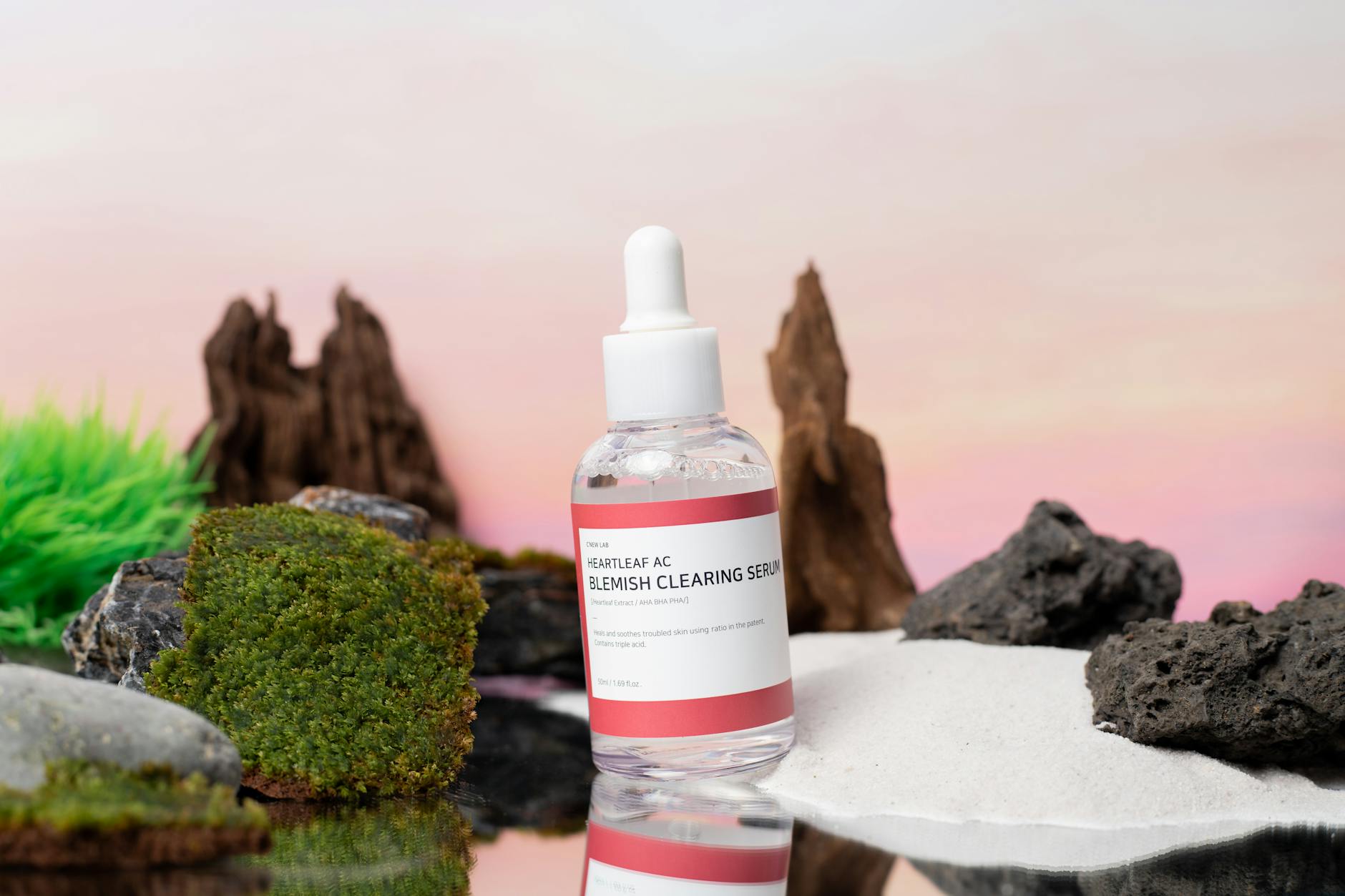
One of the most underappreciated causes of scalp acne is the very products people use to care for their hair. Conditioners, styling gels, pomades, dry shampoos, and hair oils frequently contain comedogenic ingredients — substances that block pores. Silicones like dimethicone and cyclomethicone coat the hair shaft for smoothness but can also coat the scalp, trapping sebum underneath. Heavy oils like coconut oil and mineral oil sit on the surface rather than absorbing, and when applied near the roots, they contribute directly to follicular plugging. The dermatology community sometimes calls this “pomade acne,” a term that dates back decades but remains relevant. It typically presents as clusters of small, closed comedones along the frontal hairline and temples — exactly where styling products are most heavily applied.
Switching to non-comedogenic or water-based styling products often resolves the problem within a few weeks without any other intervention. However, if someone has been using heavy products for months or years, the buildup may require a clarifying shampoo or even a salicylic acid scalp treatment to fully clear the occluded follicles before improvement becomes visible. It is worth noting that “natural” does not mean non-comedogenic. Shea butter, cocoa butter, and certain plant oils score high on comedogenicity scales. Someone who switches from a drugstore conditioner to an all-natural hair butter, believing it will be gentler, may find that their scalp breakouts actually worsen. Reading ingredient labels matters more than marketing claims on the front of the bottle.
How Hormones and Stress Influence Scalp Acne
Hormonal fluctuations are among the most powerful drivers of acne, and the scalp is no exception. Androgens — particularly testosterone and its more potent derivative, dihydrotestosterone (DHT) — stimulate the sebaceous glands to produce more oil. This is why scalp acne often worsens during puberty, before menstrual periods, during pregnancy, and in individuals with polycystic ovary syndrome (PCOS). A teenager who develops oily hair seemingly overnight and starts noticing tender bumps near the crown is likely experiencing androgen-driven sebaceous hyperactivity. Stress compounds the problem through a different hormonal pathway.
When the body is under chronic stress, it produces more cortisol, which in turn can increase sebum production and impair the skin’s barrier function. Stress also triggers inflammatory signaling molecules like substance P and certain neuropeptides that directly worsen acne lesions. A graduate student in the final weeks of a thesis defense who notices a sudden crop of scalp bumps is not imagining the connection — the physiological link between psychological stress and acne flares is well documented in dermatologic literature. One specific example worth mentioning: people who begin or discontinue hormonal birth control sometimes experience a wave of acne, including on the scalp. Combined oral contraceptives suppress androgens, so stopping them can cause a rebound effect in sebum production. This can take three to six months to stabilize, and during that period the scalp may be oilier than it has been in years.
Practical Steps to Treat and Prevent Scalp Acne
Treatment depends on severity. For mild scalp acne — a few small bumps that come and go — the first-line approach is adjusting the washing routine and switching products. Washing with a shampoo containing two percent salicylic acid two to three times per week helps dissolve the mix of oil and dead cells inside follicles. Salicylic acid is lipophilic, meaning it penetrates oily environments effectively, which gives it an advantage over glycolic acid or other water-soluble exfoliants for this particular location. For more persistent breakouts, benzoyl peroxide washes (at concentrations of two to five percent) can reduce bacterial populations on the scalp.
The tradeoff is that benzoyl peroxide can bleach hair, towels, and pillowcases. Someone with dark hair who uses a ten percent benzoyl peroxide cleanser on their scalp may notice discoloration at the hairline within days. Sticking to lower concentrations, applying only to affected areas, and rinsing thoroughly helps minimize this risk. Tea tree oil shampoos offer a gentler antimicrobial alternative, though the evidence supporting tea tree oil is weaker, and concentrations below five percent are unlikely to have meaningful antibacterial activity. In cases where over-the-counter products are not enough, a dermatologist may prescribe topical clindamycin solution, oral antibiotics like doxycycline for inflammatory flares, or even low-dose isotretinoin for recalcitrant scalp acne that resists everything else. The comparison worth drawing here is that topical retinoids — a mainstay of facial acne treatment — are rarely practical for the scalp because they are difficult to apply through hair and can cause significant irritation and flaking in an area that is already prone to dryness from shampooing.
When Scalp Acne Is Actually Something Else
One of the biggest mistakes people make with scalp bumps is assuming every pimple-like lesion is acne. Folliculitis, an infection of the hair follicle caused by Staphylococcus aureus or sometimes by gram-negative bacteria, looks almost identical to acne but requires different treatment — typically a course of antibacterial washes or oral antibiotics targeted at staph rather than C. acnes. Fungal folliculitis, caused by Malassezia yeast, is another common mimic; it tends to produce uniform, itchy bumps and does not respond to standard acne treatments at all. An antifungal shampoo containing ketoconazole is the correct approach for fungal folliculitis.
Seborrheic dermatitis — the condition behind dandruff — can also produce inflamed, flaky bumps on the scalp that are mistaken for acne. The key differentiator is usually the presence of greasy, yellowish scales and intense itching, which are more characteristic of seborrheic dermatitis than acne. Scalp psoriasis, meanwhile, produces thick, silvery plaques that extend beyond the hairline. Treating psoriasis or seborrheic dermatitis with acne products will not help and may make the irritation worse. The warning here is straightforward: if scalp bumps do not improve after four to six weeks of consistent treatment with salicylic acid or benzoyl peroxide, stop self-treating and see a dermatologist. Prolonged use of the wrong treatment can damage the skin barrier, increase inflammation, and delay diagnosis of a condition that may need prescription-strength intervention.
How Diet and Lifestyle Habits Affect Scalp Breakouts
Emerging research suggests that high-glycemic diets — those heavy in refined carbohydrates, sugary drinks, and processed foods — can worsen acne by spiking insulin levels, which in turn increases androgen activity and sebum production. While most of this research has focused on facial acne, there is no physiological reason the mechanism would spare the scalp. A person who notices that their scalp breaks out more during periods of poor eating may be observing a real dietary connection rather than a coincidence. Dairy, particularly skim milk, has also been weakly associated with acne in some epidemiological studies, though the evidence is not strong enough to recommend blanket avoidance.
Lifestyle factors matter too. Wearing tight hats, helmets, or headbands for extended periods creates friction and traps heat and moisture against the scalp — a combination dermatologists refer to as acne mechanica. Athletes, construction workers, and military personnel who wear headgear daily are particularly prone to this pattern. Washing the scalp promptly after removing the headgear and using a breathable material where possible can make a noticeable difference.
What Dermatologists Are Learning About Scalp Acne
Scalp acne has historically received less research attention than facial acne, but that is beginning to change. The growing understanding of the skin microbiome — the complex ecosystem of bacteria, fungi, and viruses living on the skin’s surface — is reshaping how dermatologists think about all forms of acne, including on the scalp. Research into Malassezia’s role in follicular inflammation and into bacteriophage therapy (using viruses that specifically target acne-causing bacteria) may eventually offer treatments that are more targeted and less disruptive to the scalp’s microbial balance than broad-spectrum antibiotics.
There is also increasing interest in the connection between scalp health and hair loss. Chronic scalp inflammation from untreated acne or folliculitis can damage hair follicles over time, potentially contributing to scarring alopecia in severe cases. This gives people another reason beyond comfort and cosmetics to take persistent scalp breakouts seriously rather than dismissing them as a minor nuisance.
Conclusion
Scalp acne results from the same core process as acne elsewhere — excess oil, dead skin cells, and bacterial overgrowth clogging hair follicles — but the scalp’s unique environment of dense follicles, heavy product use, and poor visibility makes it both common and frequently mismanaged. The most effective approach combines proper hygiene (washing regularly with a medicated shampoo), product awareness (avoiding comedogenic ingredients near the roots), and attention to underlying drivers like hormonal shifts and stress.
If over-the-counter treatments have not produced results within a month or so, the next step is a dermatologist visit to confirm the diagnosis and rule out conditions like folliculitis, fungal infection, or seborrheic dermatitis. Scalp acne is treatable in the vast majority of cases, but choosing the right treatment depends on identifying the right cause.
Frequently Asked Questions
Is scalp acne contagious?
No. Acne itself is not contagious. The bacteria involved, Cutibacterium acnes, are part of the normal skin flora that everyone carries. However, bacterial or fungal folliculitis — conditions that mimic scalp acne — can sometimes be spread through shared hats, combs, or pillowcases, so it is worth avoiding sharing these items if you have active scalp lesions.
How often should I wash my hair if I have scalp acne?
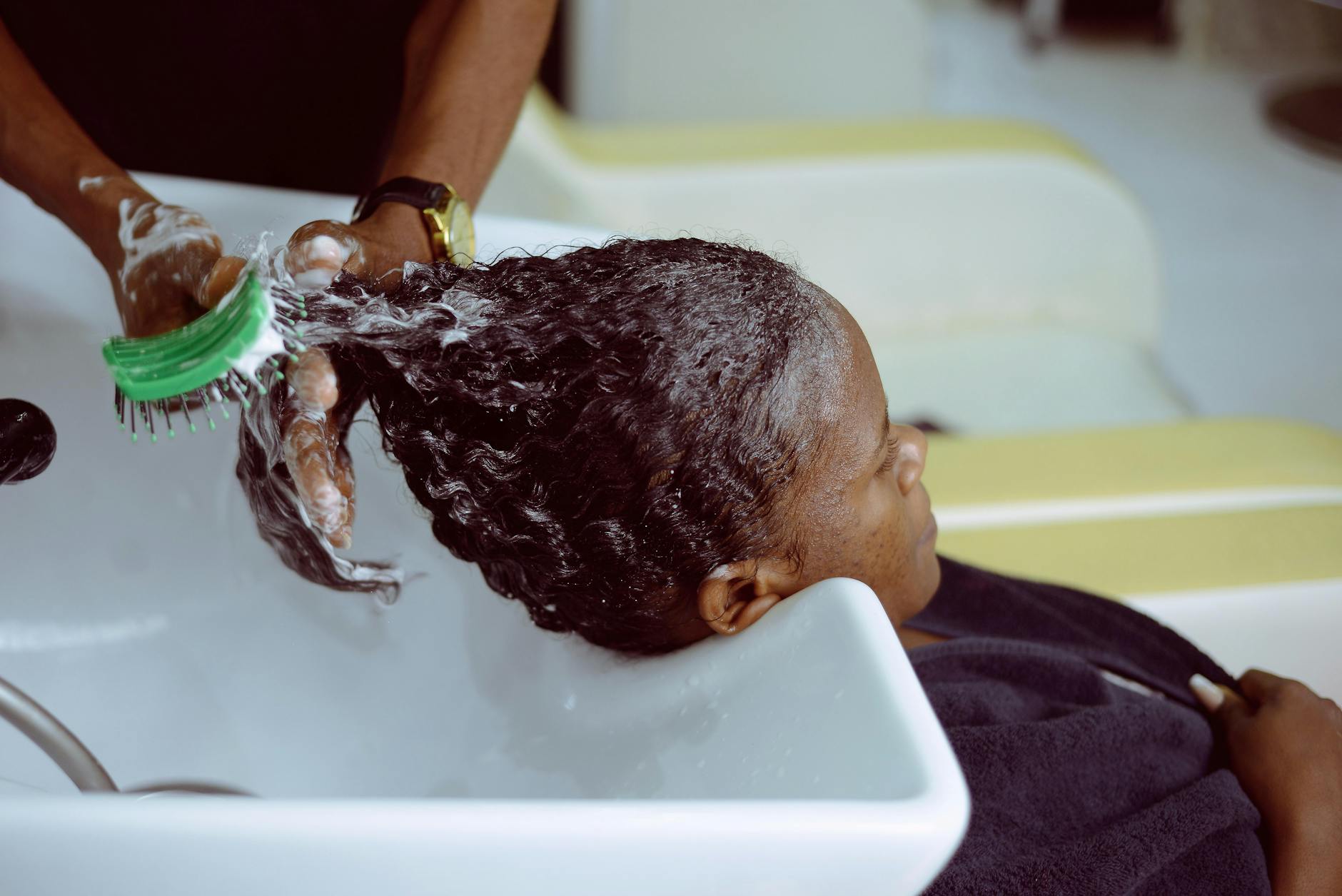
Most dermatologists recommend washing every one to two days if you are prone to scalp acne, using a gentle or medicated shampoo. Washing too infrequently allows oil and dead cells to accumulate, but washing multiple times a day can strip the scalp and trigger rebound oil production. Finding the right frequency depends on your hair type and activity level.
Can I pop scalp pimples?
You should not. Scalp pimples are often deeper than they appear, and squeezing them can push bacteria further into the follicle, worsening infection and increasing the risk of scarring or even localized hair loss. If a bump is large and painful, a dermatologist can drain it safely using sterile technique.
Does dandruff cause scalp acne?
Dandruff itself does not cause acne, but the two conditions can coexist and share a common trigger — excess oil on the scalp. The Malassezia yeast that contributes to dandruff thrives in oily environments, and that same excess oil contributes to acne. Treating the oiliness with a zinc pyrithione or ketoconazole shampoo can sometimes improve both conditions simultaneously.
Will scalp acne cause permanent hair loss?
In most cases, no. Mild to moderate scalp acne resolves without lasting damage to the follicles. However, severe, chronic, or deeply inflamed scalp acne — particularly if repeatedly picked at — can cause scarring that destroys the follicle permanently. This is one reason to seek treatment rather than ignore persistent breakouts.