
Accutane (isotretinoin) does not directly resolve post-inflammatory erythema. If you finished your course and expected those flat red marks to vanish along with your active breakouts, you are not alone in that frustration — but the drug was never designed to target the dilated blood vessels responsible for PIE. That said, the picture is not entirely bleak. A 2024 clinical study published in Archives of Dermatological Research found that low-dose isotretinoin at 10 mg per day does reduce post-acne erythema to some degree through its anti-inflammatory mechanism, specifically by reducing antimicrobial peptides and the toll-like receptor (TLR)-2-mediated innate immune response.
The catch is that isotretinoin alone produces modest results compared to combination approaches. The real progress in treating PIE during or after an Accutane course comes from pairing isotretinoin with targeted therapies. That same 2024 study showed that combining low-dose isotretinoin with six sessions of 1064 nm long-pulsed Nd:YAG laser produced superior results to isotretinoin alone, as measured by the Clinician Erythema Assessment Scale and optical density of erythema. For people who assumed Accutane would be a one-stop solution for both active acne and the red marks it leaves behind, this article covers what the drug actually does to PIE, which combination treatments have clinical backing, what you can use at home, and how long you should wait before pursuing more aggressive procedures.
Table of Contents
- Does Accutane Actually Improve Post-Inflammatory Erythema Results?
- What the 2024 Clinical Study Reveals About Isotretinoin and Laser Combination Therapy
- Pulsed Dye Laser — The Gold Standard for PIE Treatment
- Topical Treatments You Can Start Now for Post-Acne Redness
- Timing Matters — When to Start Aggressive PIE Treatments After Accutane
- The Role of Sunscreen in PIE Resolution
- What the Research Trajectory Looks Like for PIE and Isotretinoin
- Conclusion
- Frequently Asked Questions
Does Accutane Actually Improve Post-Inflammatory Erythema Results?
The short answer is partially, but not in the way most patients expect. Isotretinoin’s primary job is shutting down sebaceous gland activity and stopping the cycle of clogged pores and inflammation that drives acne. It does this extraordinarily well. What it does not do is repair the vascular damage left behind after an inflamed lesion heals. PIE is caused by damaged or dilated capillaries near the skin’s surface — the redness you see is essentially blood vessels that expanded during inflammation and have not yet returned to normal. Isotretinoin has no direct mechanism for shrinking those vessels.
Where it helps indirectly is through its anti-inflammatory properties. By calming the overall inflammatory environment in the skin, low-dose isotretinoin can prevent new PIE from forming and allow existing marks to fade somewhat faster than they would in skin that is still actively inflamed. Compare this to someone who stops accutane and immediately starts breaking out again — their PIE never gets a chance to resolve because fresh inflammation keeps fueling the problem. The drug creates a window of calm that lets healing happen, even if it is not accelerating that healing in a targeted way. It is also worth noting that isotretinoin can cause temporary redness and flushing as a side effect during treatment, due to skin dryness and thinning. This is not PIE — it is a pharmacological side effect that resolves after stopping the medication. Some patients mistakenly believe their PIE is getting worse on Accutane when what they are actually seeing is drug-induced flushing layered on top of existing red marks.
What the 2024 Clinical Study Reveals About Isotretinoin and Laser Combination Therapy
The most relevant clinical evidence for Accutane and PIE comes from a 2024 study that enrolled 48 patients with post-acne erythema and divided them into two groups. Group A received low-dose isotretinoin at 10 mg per day alongside six sessions of 1064 nm long-pulsed Nd:YAG laser performed at two-week intervals. Group B received the same dose of isotretinoin alone. Both groups showed statistically significant improvement, but the combined group achieved notably better outcomes — a more pronounced improvement on the Clinician Erythema Assessment Scale and a greater decrease in the mean optical density of erythema. What makes this study particularly useful is its safety profile. The laser sessions caused only mild discomfort during the procedure and temporary facial redness lasting a few hours.
No serious adverse events were reported. The researchers concluded that the combination is “an efficient and secure line” for post-acne erythema treatment. This matters because the long-standing conventional wisdom has been to avoid all laser procedures while on isotretinoin, a guideline that originated decades ago with ablative lasers that carry very different risk profiles. However, if you are considering this approach, there is an important limitation: this was a relatively small study with 48 participants, and the protocol used a specific laser type — the 1064 nm long-pulsed Nd:YAG — at specific settings. You cannot assume these results transfer to other laser modalities, higher isotretinoin doses, or different treatment intervals. If your dermatologist is unfamiliar with this study, it is worth bringing the published paper to your appointment rather than simply requesting laser treatment while on Accutane.
Pulsed Dye Laser — The Gold Standard for PIE Treatment
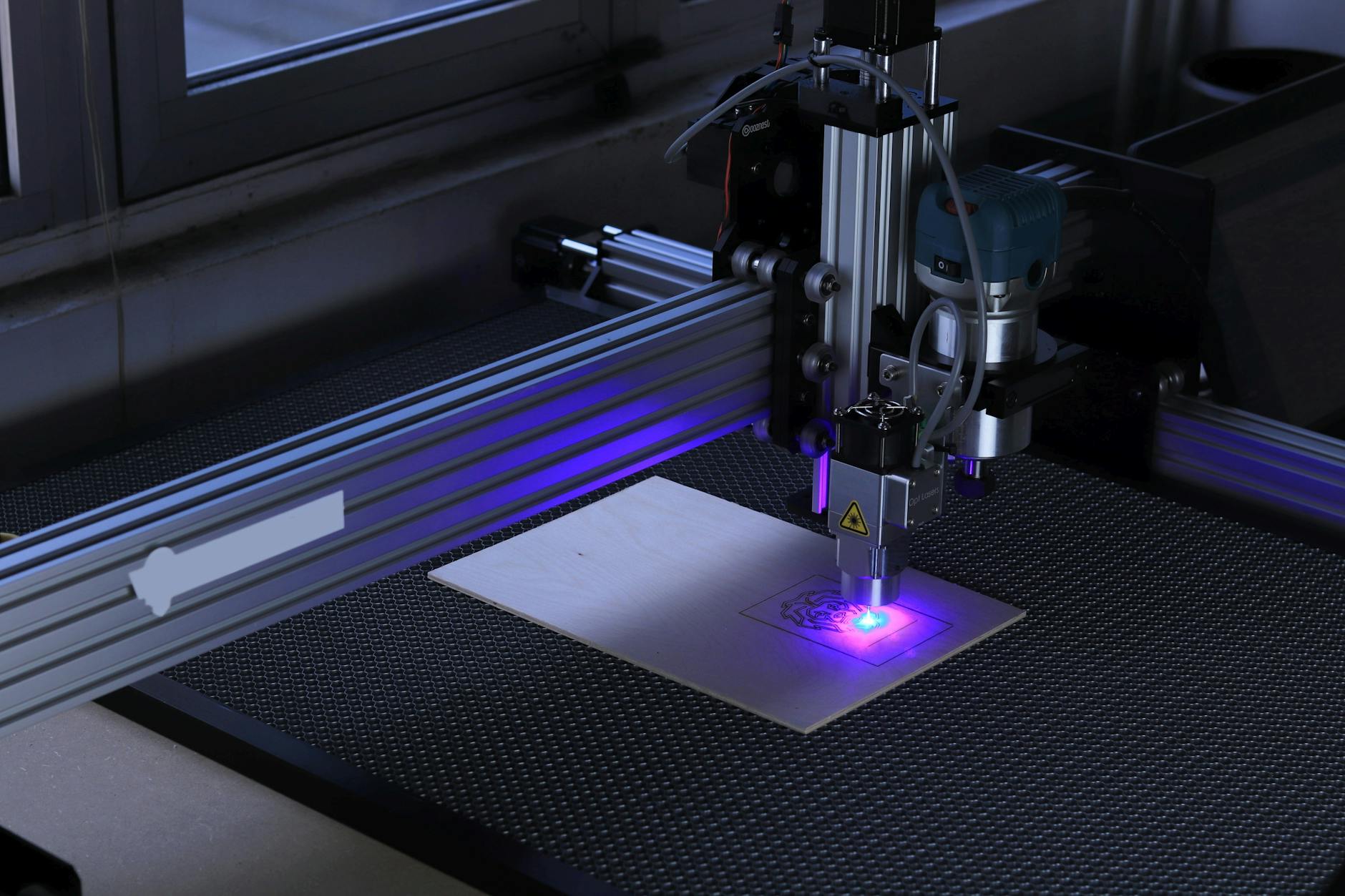
Among all available treatments for post-inflammatory erythema, pulsed dye laser (PDL) is considered the most effective option per dermatology guidelines. PDL works by targeting oxyhemoglobin in dilated blood vessels, delivering a precise wavelength of light that causes those vessels to shrink and collapse without damaging surrounding tissue. For PIE specifically, this is about as targeted as treatment gets — you are going directly after the vascular component responsible for the redness. There is documented evidence that PDL can be used safely even during active isotretinoin therapy. One published case involved a 16-year-old patient who received pulsed dye laser treatments while on isotretinoin and experienced substantial PIE improvement with no complications.
This challenges the blanket recommendation to avoid all laser work during Accutane, though it remains a single case rather than a controlled trial. The distinction matters because PDL is a vascular laser, not an ablative one — it does not remove layers of skin the way CO2 or erbium lasers do, which is where the historical concern about isotretinoin and delayed wound healing originated. If you are weighing PDL against the Nd:YAG approach from the 2024 study, here is the practical difference: PDL tends to produce more dramatic improvement in fewer sessions for vascular targets like PIE, but it can cause purpura — visible bruising that lasts several days to a week. The Nd:YAG laser generally has less downtime but may require more sessions. Cost, availability, and your tolerance for visible bruising after treatment all factor into which option makes sense.
Topical Treatments You Can Start Now for Post-Acne Redness
Not everyone has access to vascular lasers or wants to pursue procedural treatments. Several topical options have evidence supporting their use for PIE, and most can be started while still on isotretinoin or immediately after finishing a course. The three with the strongest backing are niacinamide, vitamin C, and azelaic acid. Topical niacinamide reduces inflammation, strengthens the skin barrier, and minimizes redness. For skin that has been thinned and sensitized by months of isotretinoin, niacinamide’s barrier-repair properties are a particular advantage — you are treating the redness while also helping the skin recover from the drug’s drying effects.
Topical vitamin C brightens skin, reduces redness, and strengthens capillary walls, which directly addresses the vascular component of PIE. The tradeoff is that many vitamin C formulations (particularly L-ascorbic acid at low pH) can irritate post-Accutane skin, so a gentler derivative like magnesium ascorbyl phosphate may be a better starting point. Azelaic acid at 15% concentration earned notable results in a 2024 study showing significant PIE improvement in mild-to-moderate acne patients after 12 weeks of twice-daily application. It has the added benefit of being anti-inflammatory and anti-bacterial, so it can help prevent new breakouts while addressing existing red marks. The limitation here is the timeline — 12 weeks of consistent twice-daily use is not a quick fix, and results vary depending on how severe the PIE is and how many marks you are dealing with. For patients with extensive PIE covering the full cheeks or jawline, topicals alone may produce underwhelming results compared to laser-based approaches.
Timing Matters — When to Start Aggressive PIE Treatments After Accutane
One of the most common mistakes patients make is rushing into aggressive skin treatments immediately after finishing their Accutane course. Dermatologists generally recommend waiting six months to one year after completing isotretinoin before undergoing chemical peels, microdermabrasion, or ablative laser resurfacing. The reason is straightforward: isotretinoin thins the skin and impairs wound healing for a sustained period after the last dose. Ablative procedures that remove layers of skin rely on normal healing responses that may be compromised during this window. The critical nuance is that this waiting period does not apply equally to all procedures.
Vascular lasers like PDL and non-ablative options like the long-pulsed Nd:YAG can be used concurrently with isotretinoin based on recent evidence. IPL (intense pulsed light), which is also effective at reducing PIE redness, falls into a gray area — some dermatologists will perform it during the waiting period, others will not. Microneedling, which stimulates collagen production to promote healing of red marks, is generally placed in the “wait” category because it creates controlled micro-injuries that require normal wound healing. The warning here is about well-meaning practitioners who may not distinguish between these categories. If an aesthetician or med spa offers you a glycolic peel or microdermabrasion three months after you finish Accutane, that is a red flag. Ask specifically about vascular versus ablative approaches, and do not assume that a provider offering “laser treatment” understands the distinction relevant to post-isotretinoin skin.

The Role of Sunscreen in PIE Resolution
This is the least exciting recommendation and arguably the most important one. Consistent daily sunscreen use is critical for anyone dealing with post-inflammatory erythema, and it becomes even more important during and after isotretinoin use when the skin is thinner and more photosensitive. UV exposure does not just slow PIE resolution — it can actively worsen it by triggering additional inflammation in already-damaged capillaries and potentially converting PIE into longer-lasting post-inflammatory hyperpigmentation.
A patient who undergoes six sessions of Nd:YAG laser while on low-dose isotretinoin but skips sunscreen on weekends is undermining several thousand dollars of treatment with a ten-dollar oversight. Broad-spectrum SPF 30 or higher, applied daily regardless of weather, is the baseline. For PIE-prone skin, mineral sunscreens containing zinc oxide have the added benefit of being anti-inflammatory, though they can leave a white cast that some patients find cosmetically unacceptable.
What the Research Trajectory Looks Like for PIE and Isotretinoin
The 2024 studies on both isotretinoin-laser combinations and azelaic acid for PIE signal a shift in how dermatology approaches post-acne redness. For years, the standard advice was essentially to wait — finish Accutane, wait six months to a year, then address whatever marks remain. The emerging evidence suggests that a more proactive approach, using concurrent vascular laser therapy or targeted topicals during the isotretinoin course itself, may produce better overall outcomes than the sequential model.
What remains to be seen is whether larger, multi-center trials will confirm the safety of combining isotretinoin with energy-based devices across a broader patient population. A systematic review published in 2024 in the Journal of Cosmetic Dermatology examined the existing literature on isotretinoin and energy-based devices and found the combination to be generally well-tolerated, but acknowledged that most studies are small. For now, the practical takeaway is that PIE treatment does not have to wait until your Accutane course is a distant memory — but the specific approach should be guided by a dermatologist who is current on the literature, not by blanket rules written before these studies existed.
Conclusion
Accutane does not erase post-inflammatory erythema on its own, but it plays a supporting role — particularly at low doses — by calming the inflammatory environment that prevents PIE from resolving naturally. The strongest results come from combination therapy, with the 2024 clinical study demonstrating that pairing 10 mg daily isotretinoin with Nd:YAG laser sessions produces measurably better outcomes than isotretinoin alone. For those who cannot access laser treatments, topical niacinamide, vitamin C, and azelaic acid offer meaningful improvement over weeks to months, especially when paired with rigorous daily sunscreen use.
The most important practical step is having a conversation with a dermatologist who understands the distinction between vascular and ablative procedures in the context of isotretinoin. The old rule of waiting a full year after Accutane before any skin treatment is outdated for certain modalities. Pulsed dye laser and non-ablative Nd:YAG have documented safety during or shortly after isotretinoin use. Build your PIE treatment plan around what the current evidence supports, not what a generalized post-Accutane handout recommends.
Frequently Asked Questions
Does Accutane make PIE worse?
Isotretinoin can cause temporary facial redness and flushing during treatment due to skin dryness and thinning, which may make existing PIE appear worse. This drug-induced flushing resolves after stopping the medication and is distinct from PIE itself. The drug does not worsen actual post-inflammatory erythema.
Can I get laser treatment for PIE while still on Accutane?
Recent evidence supports the concurrent use of vascular lasers (pulsed dye laser) and non-ablative lasers (1064 nm long-pulsed Nd:YAG) during isotretinoin therapy. However, ablative lasers, chemical peels, and microdermabrasion should be avoided until six months to one year after completing your course. Always consult your dermatologist before scheduling any procedure.
How long does PIE take to fade on its own after Accutane?
PIE can take anywhere from several months to over a year to fade without intervention, depending on the severity of the original inflammation and your skin’s healing capacity. Consistent sunscreen use and gentle topical treatments can accelerate this timeline, while sun exposure and continued skin irritation can significantly delay it.
Is PIE the same as acne scarring?
No. PIE is flat redness caused by dilated or damaged capillaries near the skin surface — it involves no textural change. Acne scars are depressions or raised areas caused by collagen damage or overproduction. PIE is temporary and will eventually resolve, while true scarring is permanent without procedural intervention. The treatments for each are different.
What is the most effective single treatment for PIE?
Pulsed dye laser is considered the most effective standalone treatment for PIE according to dermatology guidelines. It directly targets the dilated blood vessels responsible for the redness. However, the best outcomes in clinical research have come from combining low-dose isotretinoin with Nd:YAG laser sessions rather than any single treatment alone.
Can I use azelaic acid while on Accutane?
Azelaic acid at 15% concentration has shown significant PIE improvement in clinical studies after 12 weeks of twice-daily use. It is generally well-tolerated alongside isotretinoin, though the combination may increase dryness or sensitivity in some patients. Start with once-daily application and increase frequency as tolerated, and discuss with your prescribing dermatologist.