
Three days into Accutane treatment, you will likely notice very little visible change in your acne. This is completely normal and expected. Isotretinoin works by fundamentally altering sebum production and skin cell turnover at the cellular level, a process that requires weeks to months before producing noticeable improvements. Most patients at the 72-hour mark report only initial side effects—primarily dry lips and perhaps slightly drier skin—while their acne remains unchanged or may even appear marginally worse.
Consider Sarah, a 22-year-old who started on 40mg daily and documented her journey online. At day three, her notes simply read: “Lips feel weird, skin looks the same, broke out on my chin this morning.” This experience mirrors what dermatologists tell patients during consultations: the first week is about your body adjusting to the medication, not about clearing skin. Some patients actually experience an initial flare or “purge” during the early weeks, where acne temporarily worsens before improving. This article covers what biological processes Accutane triggers in those first few days, which early side effects signal the medication is working, how day-three experiences compare to week-three and month-three milestones, and what warning signs warrant contacting your dermatologist. Understanding the realistic timeline helps patients stay compliant with treatment rather than becoming discouraged by the absence of immediate results.
Table of Contents
- What Actually Happens to Your Skin on Accutane After 3 Days?
- Early Side Effects That Indicate Accutane Is Being Absorbed
- The Purging Phase: Why Acne May Worsen Before Improving
- Realistic Timeline: Comparing Day 3, Week 3, and Month 3
- Managing Expectations and Avoiding Common Mistakes
- What Warning Signs Require Medical Attention?
- Setting Up Your Support System for the Months Ahead
- The Broader Accutane Timeline and What Comes Next
- Conclusion
What Actually Happens to Your Skin on Accutane After 3 Days?
At the cellular level, isotretinoin begins affecting your body within hours of the first dose. The medication is absorbed through your digestive system, enters your bloodstream, and starts binding to retinoid receptors throughout your body—including those in your sebaceous glands and skin cells. However, the downstream effects of this binding take considerable time to manifest visibly. Think of it like planting a seed: the biochemical processes have started, but you cannot see the sprout yet. During these initial days, accutane begins suppressing sebocyte proliferation, which will eventually shrink your oil glands and dramatically reduce sebum production.
The medication also starts normalizing keratinization, the process by which skin cells develop and shed. Both of these mechanisms require multiple cell cycles to produce visible changes, and skin cells turn over approximately every 28 days under normal circumstances. Even accelerated by isotretinoin, meaningful visible improvement typically requires four to eight weeks minimum. What you might notice at day three relates more to systemic absorption than acne improvement. The medication affects mucous membranes and sebaceous glands throughout your entire body, which is why lip dryness often appears first—lip tissue is particularly thin and sensitive to changes in oil production. Some patients report mild headaches, slight fatigue, or subtle changes in mood during the initial adjustment period, though these experiences vary significantly between individuals.

Early Side Effects That Indicate Accutane Is Being Absorbed
The appearance of dry lips within the first three to five days is often the earliest indicator that isotretinoin is active in your system. Approximately 90% of Accutane users experience cheilitis (lip dryness and potential cracking), and this side effect frequently precedes any changes in acne status. If your lips feel drier than usual by day three, this suggests your body is absorbing and processing the medication appropriately. Other early indicators may include slightly drier nasal passages, increased thirst, or minor skin tightness.
However, if you experience none of these symptoms at the three-day mark, this does not necessarily indicate treatment failure. Absorption rates and individual sensitivity vary considerably based on factors including your dosage relative to body weight, whether you take the medication with fatty foods (which dramatically improves absorption), and your personal metabolic characteristics. A critical limitation to understand: the presence or intensity of early side effects does not predict treatment efficacy or final outcomes. Some patients with severe initial dryness achieve moderate results, while others with minimal early side effects experience complete clearance. The correlation between side effect severity and acne improvement is weak, so avoid interpreting side effects as a progress metric.
The Purging Phase: Why Acne May Worsen Before Improving
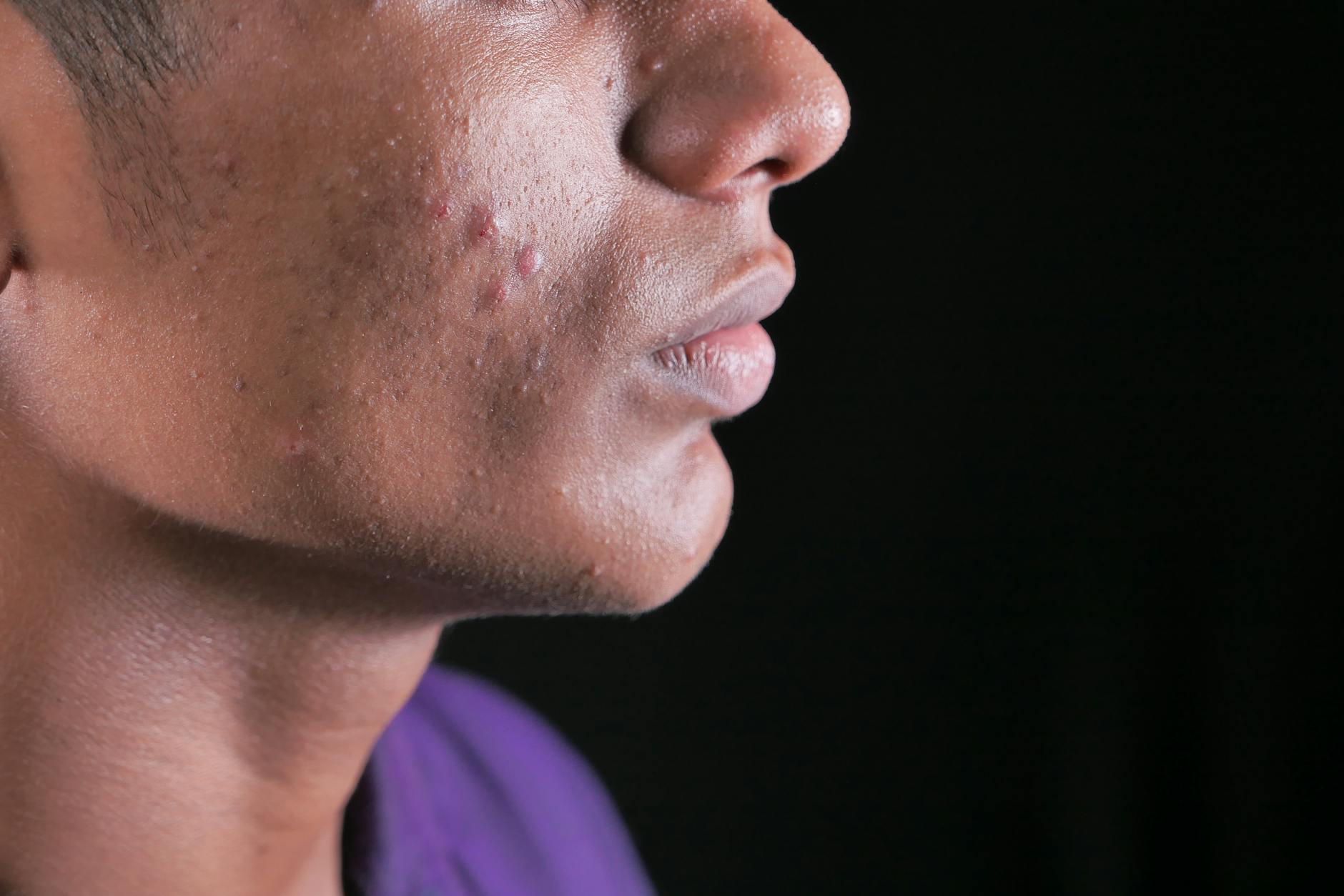
Many Accutane users experience an initial worsening of their acne during the first two to six weeks of treatment. This phenomenon, often called “purging,” occurs because isotretinoin accelerates skin cell turnover and pushes existing microcomedones (clogged pores too small to see) to the surface faster than they would naturally emerge. At day three, you may already be entering this phase without realizing it. For example, a patient with primarily cystic acne on their jawline might notice several new inflammatory lesions appearing during week one, despite having relatively stable skin immediately before starting treatment. These are not new breakouts caused by the medication but rather existing congestion being expelled more rapidly.
The distinction matters psychologically: purging represents progress, not regression, even though it temporarily looks worse. Not everyone purges, and purge severity varies dramatically. Patients with significant existing congestion—particularly those with many closed comedones—tend to experience more pronounced initial flares. Those with primarily inflammatory acne and less underlying congestion may transition more smoothly. If you experience severe, painful cystic eruptions during purging that significantly exceed your pre-treatment baseline, contact your dermatologist, as they may adjust your dosage or prescribe concurrent treatments to manage the flare.
Realistic Timeline: Comparing Day 3, Week 3, and Month 3
At day three, expect essentially no visible acne improvement and possibly the beginning of minor side effects. This baseline understanding prevents discouragement. By week three, most patients observe clearer side effects (consistent lip dryness, noticeably reduced facial oiliness) and may see either stable acne, purging activity, or the very beginning of improvement in superficial lesions. Inflammatory papules and pustules typically respond before deeper cysts. Month three represents a more meaningful checkpoint. Clinical studies show that most patients experience 50-70% improvement by the end of month three, with continued progress through months four through six.
The comparison reveals why patience during day three matters: the medication’s therapeutic effects operate on a timeline measured in months, not days. Someone obsessively checking their skin at 72 hours is measuring the wrong interval entirely. The tradeoff inherent in Accutane’s mechanism explains this timeline. Unlike topical treatments that suppress existing inflammation, isotretinoin fundamentally restructures how your skin produces oil and sheds cells. This deeper intervention requires more time but produces more durable results—many patients experience permanent or long-term remission rather than just temporary suppression. The slower onset reflects the medication’s comprehensive approach rather than any deficiency.
Managing Expectations and Avoiding Common Mistakes
The most frequent mistake during early Accutane treatment is discontinuing too soon due to perceived ineffectiveness or purging distress. Patients who quit at week two or three, discouraged by lack of progress or worsening skin, never reach the therapeutic window where improvement becomes apparent. Understanding that three days represents approximately 1-2% of a typical treatment course helps contextualize the experience. Another common error involves aggressive skincare during the adjustment period. At day three, some patients panic about their unchanged acne and add harsh treatments—scrubs, strong retinoids, benzoyl peroxide at high concentrations—creating significant irritation atop the increasing sensitivity Accutane induces.
A gentler approach during early treatment prevents unnecessary damage. Switch to a simple routine: gentle cleanser, basic moisturizer, and sunscreen. Your dermatologist may have specific recommendations based on your skin type. Photographing your skin at consistent intervals provides more accurate progress assessment than daily visual evaluation. Memory distorts perception; comparing day-three photos to month-three photos reveals progress that gradual daily observation obscures. Establish documentation habits now, including consistent lighting and angles, to create meaningful comparisons later.

What Warning Signs Require Medical Attention?
While most three-day experiences involve only mild adjustment symptoms, certain signs warrant immediate contact with your prescribing dermatologist. Severe headaches, particularly those accompanied by vision changes or nausea, could indicate increased intracranial pressure—a rare but serious side effect requiring immediate evaluation. Similarly, significant mood changes, including depression, anxiety, or unusual thoughts, should be reported promptly regardless of when they occur during treatment.
For example, a patient experiencing persistent severe headaches that do not respond to typical pain relief, especially combined with visual disturbances, should contact their doctor that day rather than waiting for their next scheduled appointment. These symptoms are uncommon but represent the small percentage of cases requiring dosage adjustment or discontinuation. Physical symptoms like severe abdominal pain, bloody stool, or significant joint pain also warrant medical evaluation. At day three, most patients will not experience these effects, but knowing the warning signs from the outset ensures appropriate response throughout treatment.
Setting Up Your Support System for the Months Ahead
The Accutane journey extends five to seven months for most patients, making early establishment of support structures valuable. This includes practical elements like stocking appropriate lip balm and moisturizer, but also emotional components like connecting with online communities of current and former users who understand the experience.
Day three is an ideal time to identify these resources before they become necessary. Many patients find documenting their journey through photos, brief notes, or dedicated apps helpful both for tracking progress and for maintaining motivation during slower periods. Knowing that you will eventually look back at day-three photos from a position of significant improvement provides perspective during the waiting period.
The Broader Accutane Timeline and What Comes Next
Looking beyond the three-day mark, understanding the complete Accutane arc helps frame current experience appropriately. Most treatment courses last five to seven months, with cumulative dosing targets based on body weight determining duration. Your dermatologist calculates your total target dose and structures monthly dosing to reach that goal while managing side effects.
Post-treatment, the majority of patients maintain significant improvement for years, with many experiencing permanent resolution of severe acne. Some require a second course, particularly those who were undertreated initially or experienced relapse after several years. The temporary discomfort and slow progress of early treatment leads, for most patients, to outcomes they could not achieve through other means. Day three feels frustrating precisely because the destination is still far away—but the path leads somewhere genuinely transformative for those who complete it.
Conclusion
Three days into Accutane treatment, visible acne improvement is not expected, and its absence does not indicate treatment failure. The medication requires weeks to months of continuous use before meaningfully affecting acne, while early side effects like lip dryness signal appropriate absorption rather than progress toward clearance. Purging may temporarily worsen skin during the initial weeks, representing accelerated expulsion of existing congestion rather than new breakouts.
Patience, realistic expectations, and consistent compliance determine Accutane outcomes more than any three-day observation. Document your starting point, establish a simple gentle skincare routine, prepare for a months-long process, and contact your dermatologist if you experience concerning symptoms. The frustration of unchanged skin at 72 hours is universal among Accutane users—and most of them eventually reach the significant improvement that initially seemed impossibly distant.