

Yes, seasonal changes can trigger acne flare-ups, and research confirms this happens to a substantial portion of acne sufferers. A study of 171 acne patients found that 47.95% reported seasonal variation in their acne severity, with summer being the primary culprit. Specifically, 40.4% of patients experienced worsening acne during summer months, while only 6.42% reported winter aggravation. The mechanism is straightforward: warmer temperatures increase sebum production, humidity causes swelling in the pilosebaceous units (the structures containing hair follicles and oil glands), and UV radiation can enlarge sebaceous glands in ways that promote the growth of Cutibacterium acnes, the bacterium associated with inflammatory acne. However, your experience may differ depending on where you live.
A three-year study tracking 6,101 acne patients in New England found the opposite pattern: acne worsened in winter and cleared during summer. This regional contradiction highlights an important point. Seasonal acne triggers are not universal, and your skin’s response depends on your local climate, your skin type, and how your barrier function adapts to environmental shifts. This article examines the research behind seasonal acne patterns, explains why summer and winter affect skin differently, explores the biological mechanisms at play, and offers practical guidance for adapting your skincare routine throughout the year. Understanding these patterns can help you anticipate flare-ups rather than react to them.
Table of Contents
- How Do Seasonal Temperature and Humidity Changes Affect Acne?
- Why Summer Breakouts Are the Most Common Seasonal Trigger
- The Winter Acne Paradox: Why Cold Weather Worsens Breakouts for Some
- When Seasonal Skincare Adjustments Are Not Enough
- The Role of Sun Exposure and UV Radiation
- Climate Change and Future Acne Trends
- Conclusion
How Do Seasonal Temperature and Humidity Changes Affect Acne?
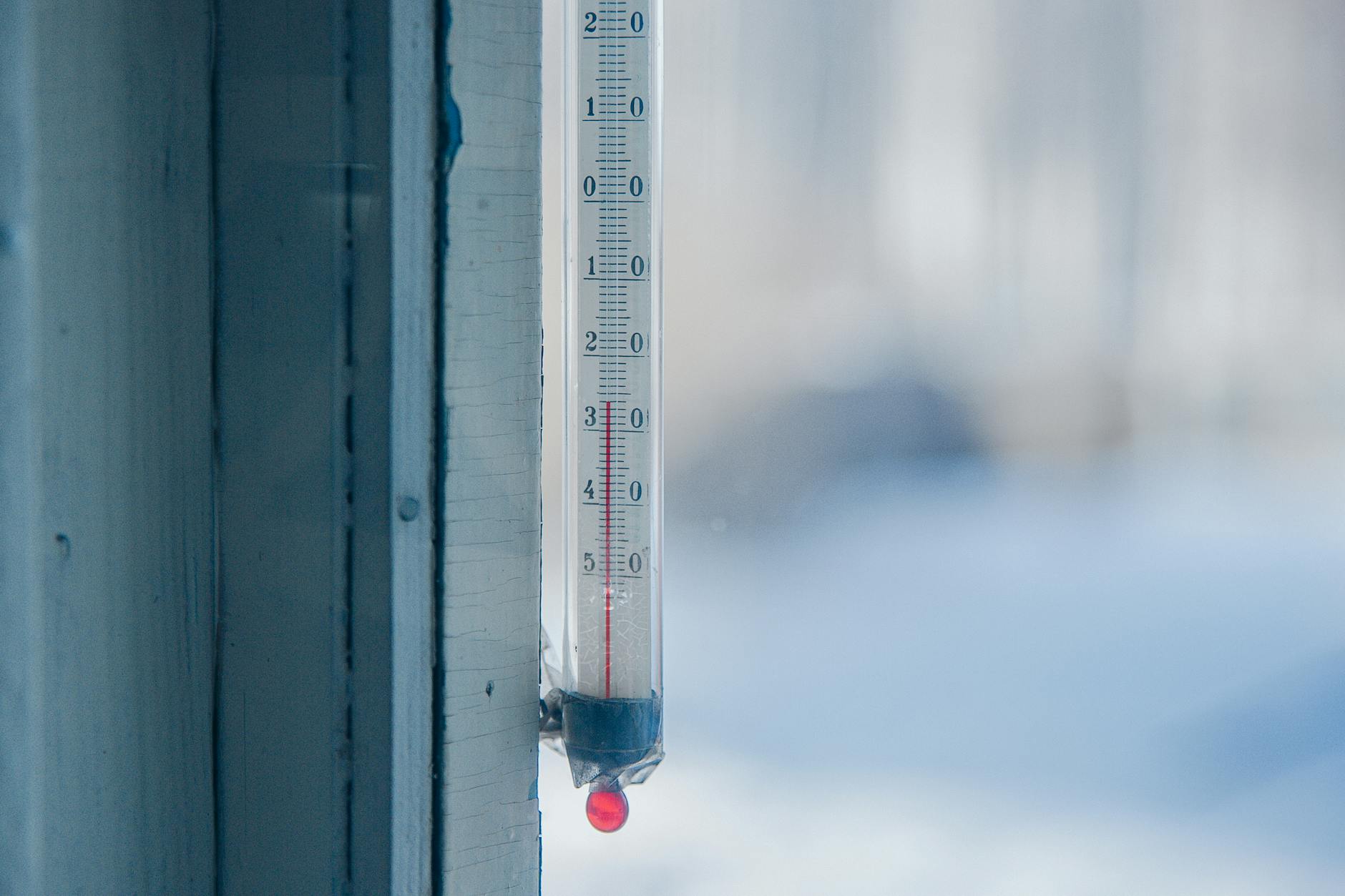
Temperature and humidity work together to influence your skin’s oil production and pore behavior. Research conducted in tropical climates measured these effects precisely: during summer conditions averaging 32.2°C with 49.8% humidity, acne flares increased significantly compared to other seasons. The study found a statistically significant correlation between these environmental factors and acne severity. Among patients who experienced summer aggravation, 80.62% attributed it specifically to sweating and increased humidity. The biological pathway involves several interconnected processes. Warmer temperatures signal your sebaceous glands to produce more oil, while humidity increases swelling in the pilosebaceous unit.
This combination creates ideal conditions for clogged pores. UV radiation compounds the problem by causing hyperplasia, or enlargement, of sebaceous glands, which further promotes bacterial growth. Consider someone who maintains clear skin through spring but notices consistent breakouts along their jawline and forehead once temperatures climb above 30°C. Their experience aligns with what nearly half of acne patients report. Interestingly, the rainy season, despite having higher humidity (averaging 68.5%), showed less acne aggravation than summer in tropical studies. Only 1.16% of patients reported worsening during rainy months. This suggests that temperature may be the more significant factor, or that the slightly lower average temperature of 31.0°C during rainy seasons provides enough relief to offset the humidity increase.
Why Summer Breakouts Are the Most Common Seasonal Trigger
Survey data consistently points to summer as the worst season for acne. Fifty-six percent of acne sufferers report that summer breakouts are their most severe, making it the dominant seasonal trigger across multiple studies. The combination of heat, sweat, sunscreen use, and outdoor activity creates a perfect storm for clogged pores and bacterial proliferation. Geographic data supports this pattern on a larger scale. Acne prevalence in southern China is notably higher than in northern China, a difference attributed to the more humid and warmer conditions in southern regions.
Similarly, higher altitude locations show lower acne prevalence, potentially because of reduced temperature and humidity at elevation. These population-level findings reinforce what individual patients report: heat and moisture are primary environmental triggers for many people with acne-prone skin. However, this pattern does not apply to everyone. If you have naturally dry skin or live in an arid climate, summer humidity might actually help your skin barrier function better, reducing the irritation that can trigger breakouts. The 64.20% of patients who reported that winter did not affect their acne severity represent a significant group whose skin responds differently to seasonal shifts. Your personal pattern matters more than general statistics.
The Winter Acne Paradox: Why Cold Weather Worsens Breakouts for Some
The New England study of 6,101 acne patients over three years revealed a pattern that contradicts tropical climate research: acne significantly worsened during winter months (P < .01) and showed summer clearing (P < .05). This finding suggests that cold, dry climates create their own set of acne triggers distinct from those in warmer regions. Winter acne typically stems from barrier function disruption. Cold air holds less moisture, indoor heating further dehumidifies environments, and the skin's protective barrier becomes compromised. When your barrier is damaged, your skin may compensate by overproducing oil, leading to breakouts. Additionally, people tend to use heavier moisturizers and skip sunscreen in winter, which can contribute to clogged pores. Acne-prone skin appears particularly vulnerable to these seasonal barrier function changes, according to dermatological research. The practical implication is that your geographic location largely determines your seasonal acne pattern. Someone in Boston may dread February for their skin, while someone in Mumbai dreads May. If you relocate from a cold climate to a tropical one, expect your seasonal acne patterns to shift, sometimes dramatically, within the first year or two.
## How to Adapt Your Skincare Routine for Seasonal Changes Adjusting your routine proactively, before seasonal transitions cause visible problems, produces better results than reacting to flare-ups after they occur. For summer, this means switching to lighter, non-comedogenic moisturizers, using gel-based or water-based sunscreens rather than heavy creams, and cleansing more frequently if you sweat heavily. Oil-free formulations become more important when your sebaceous glands are already producing extra sebum due to heat. For winter in cold climates, the approach reverses. Barrier repair becomes the priority. This often means using a heavier moisturizer, adding a humidifier to counteract indoor heating, and potentially reducing the frequency of harsh active ingredients like retinoids or benzoyl peroxide that can further dry compromised skin. The tradeoff is real: backing off actives may allow some breakouts, but severe barrier damage often causes worse acne than temporary reduction in treatment intensity. The transition seasons, spring and fall, require observation rather than dramatic changes. Track your breakouts for a few weeks as temperatures shift, then adjust based on what you observe. Some people find that their worst flare-ups occur during transitions rather than at seasonal extremes, possibly because their routine is optimized for neither condition.
When Seasonal Skincare Adjustments Are Not Enough
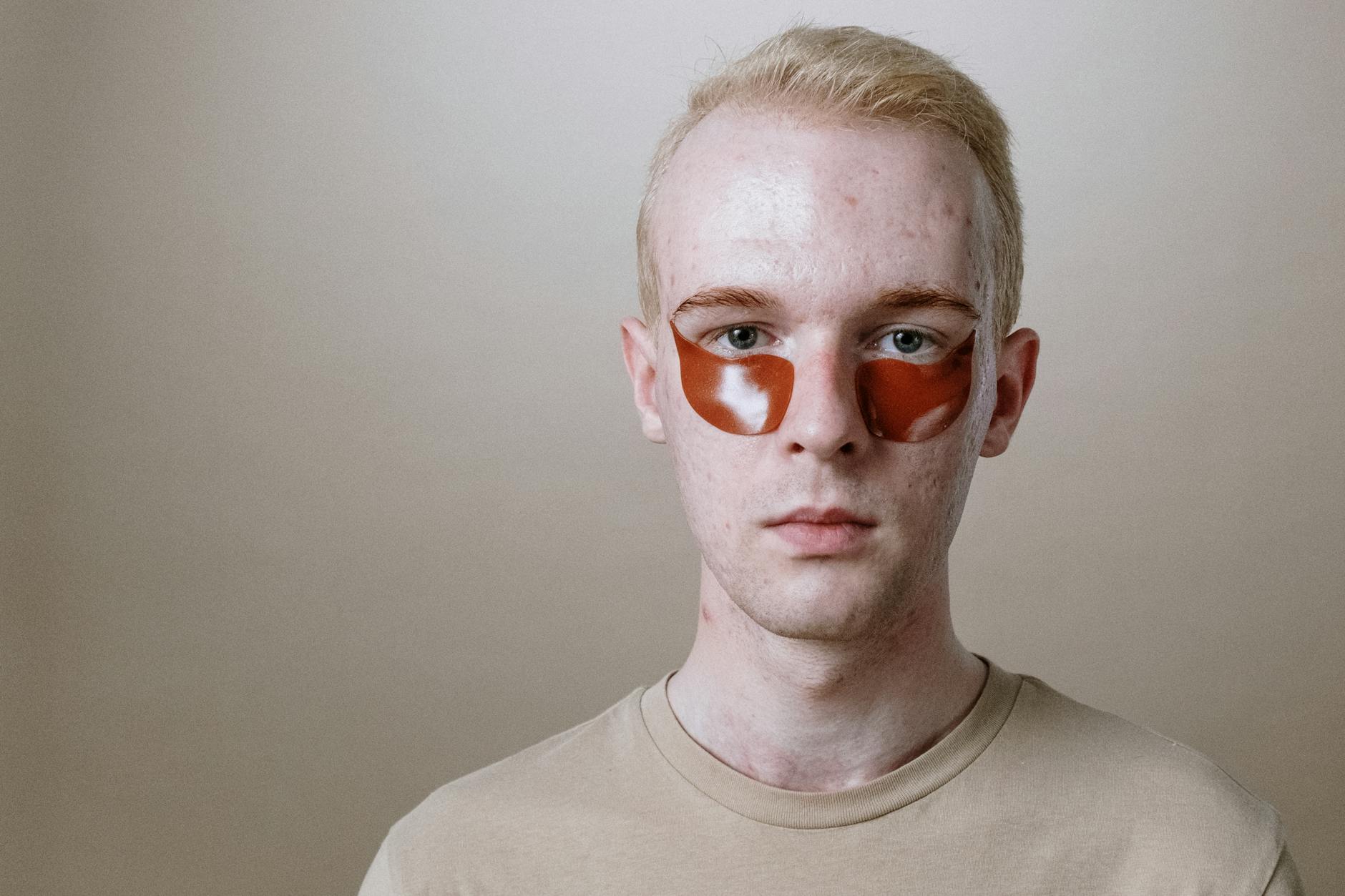
Standard seasonal adjustments have limits, and certain acne patterns require professional intervention regardless of the time of year. Hormonal acne, characterized by deep cysts along the jawline and chin that follow menstrual cycles, rarely responds to environmental skincare changes alone. Similarly, severe inflammatory acne or acne that leaves scarring warrants medical treatment that goes beyond routine adjustments. The research on seasonal variation specifically studied patients with existing acne, meaning seasonal changes modulate severity rather than cause acne in otherwise clear-skinned individuals.
If you have never had acne and suddenly develop it during a particular season, consider other factors: new products, dietary changes, stress, or hormonal shifts may be responsible. Attributing new-onset acne to seasonal change alone may delay appropriate treatment. A warning for those who travel frequently or live in highly variable climates: your skin may never fully adapt to any single seasonal pattern. In these cases, focusing on consistent, gentle basics rather than aggressive seasonal switching often produces better results. Over-adjusting can stress your skin as much as under-adjusting.
The Role of Sun Exposure and UV Radiation
UV radiation has a complicated relationship with acne that defies simple advice. Some people notice temporary clearing after sun exposure, leading to the persistent myth that tanning helps acne. However, research shows that UV radiation causes hyperplasia of sebaceous glands, which actually promotes Cutibacterium acnes growth over time.
The initial improvement some people experience may relate to the drying and anti-inflammatory effects of UV, but these benefits reverse as enlarged oil glands produce more sebum in subsequent weeks. Consider someone who spends a beach vacation in the sun and notices clearer skin by the end of the trip, only to experience a significant breakout two weeks after returning home. This delayed reaction pattern is common and often misattributed to other factors. The UV-induced changes to sebaceous glands take time to manifest as increased oil production and subsequent clogged pores.
Climate Change and Future Acne Trends
Research suggests that climate change may worsen acne prevalence globally as average temperatures and humidity levels rise. The geographic patterns already observed, higher acne rates in warmer, more humid regions of China, lower rates at higher altitudes, provide a preview of how shifting climate conditions might affect skin health on a population level. For individuals, this means that seasonal acne patterns may intensify or shift over coming decades.
Summers may start earlier and last longer, extending the period of heat-related acne triggers. Those who currently experience winter clearing may find that relief period shortened. Staying informed about both your local climate patterns and your personal skin responses will become increasingly important for effective acne management.
Conclusion
Seasonal changes demonstrably trigger acne flare-ups for nearly half of acne patients, with summer being the most problematic season for the majority. The mechanisms are well-understood: heat increases sebum production, humidity swells pore structures, and UV radiation enlarges oil glands. Yet your personal pattern depends heavily on your local climate, as the striking difference between tropical and New England study results demonstrates. The 56% who struggle most in summer and those who face winter worsening are responding to entirely different environmental stressors.
The practical response involves observation, anticipation, and measured adjustment. Track your breakouts across seasons to identify your personal pattern, then modify your routine before transitions occur rather than after flare-ups develop. Lighter products and more frequent cleansing help in hot, humid conditions; barrier support and gentler treatment schedules help in cold, dry ones. When seasonal adjustments prove insufficient, or when acne is severe regardless of season, professional evaluation remains the appropriate next step.