
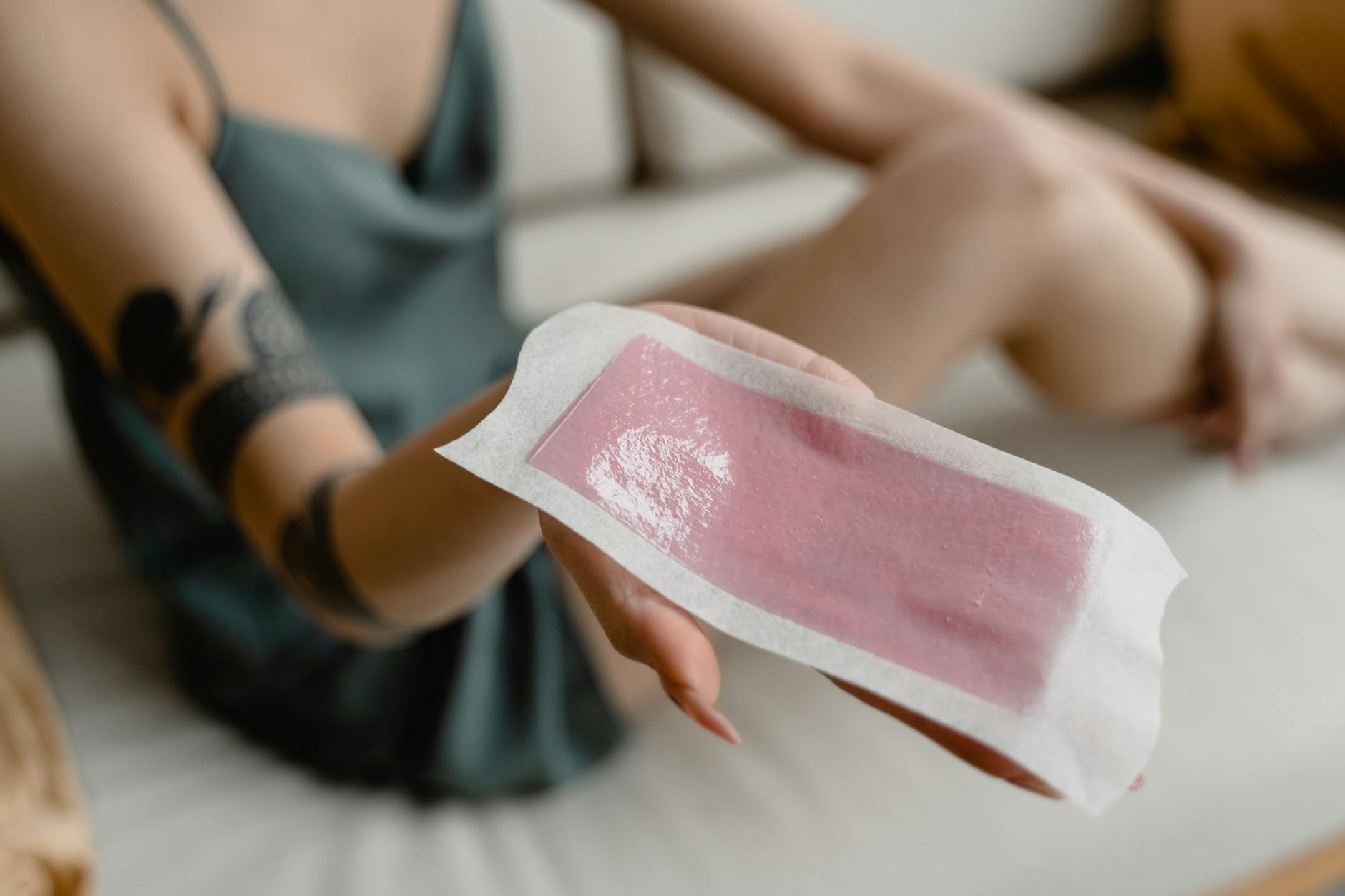
The best pore strips for safe blackhead removal combine effective adhesion with gentle formulations that minimize skin irritation. Based on current testing and dermatologist input, Hero Cosmetics Mighty Patch Nose stands out as the top overall choice, earning perfect scores in product evaluations thanks to its hydrocolloid technology and dermatologist approval. For those seeking a trusted drugstore option, Biore Deep Cleansing Pore Strips remain the original standard-bearer in this category, using patented C-Bond technology that has made them a bathroom staple for decades. However, before you stock up on pore strips, you should know that dermatologists view them as a limited solution.
Dr. Julia Tzu of Wall Street Dermatology notes that pore strips “work to a limited extent”””they remove surface debris but do nothing to prevent future blackhead formation. Someone who uses a pore strip on Saturday night before an event will see immediate results, but those pores will refill within days without additional skincare interventions. This article breaks down the safest options across different price points, explains who should avoid pore strips entirely, details proper usage techniques, and covers the alternative treatments dermatologists actually recommend for long-term blackhead prevention.
Table of Contents
- Which Pore Strips Remove Blackheads Most Effectively?
- Budget-Friendly Pore Strips That Still Deliver Results
- What Dermatologists Want You to Know About Pore Strip Safety
- Why Pore Strips Are Not a Long-Term Blackhead Solution
- Choosing the Right Pore Strip for Your Skin Type
- When to Skip the Pore Strip and See a Professional
- Conclusion
Which Pore Strips Remove Blackheads Most Effectively?
Effectiveness varies significantly across brands, and your skin type plays a major role in which product will work best for you. Hero Cosmetics Mighty Patch Nose uses hydrocolloid technology””the same material found in blister bandages””which draws out impurities through moisture absorption rather than relying solely on adhesive strength. This approach tends to be gentler while still producing visible results. The system includes patches for multiple facial zones including the forehead, chin, and cheeks, making it versatile for those who experience blackheads beyond the nose. Biore Deep Cleansing Pore Strips have earned their reputation through decades of consistent performance.
Their charcoal version is specifically formulated for oily and combination skin types, where excess sebum production makes blackheads particularly stubborn. At price points ranging from $7.52 to $9.99 depending on retailer, they offer solid value for a 14-count pack. For those willing to invest more, Peace Out Pores takes a hybrid approach by combining hydrocolloids with active ingredients like DMAE and vitamin A. This formulation aims to not only extract existing blackheads but also improve skin texture over time. However, the premium price point””and the smaller pack size of just 4 pore strips and 4 nose strips””means you are paying significantly more per use than with drugstore alternatives.
Budget-Friendly Pore Strips That Still Deliver Results
Not everyone needs to spend premium prices for decent blackhead removal. Starface Lift-Off Pore Strips offer the best value proposition, coming in under $10 for a pack of 8 strips. This makes them an excellent entry point for anyone curious about whether pore strips work for their skin before committing to pricier options. TonyMoly Tako Pore One Shot Nose Pack provides another budget-friendly alternative that reviewers praise for removing not just blackheads but also sebaceous filaments and fine facial hairs.
This Korean beauty brand option works well for those who want multi-purpose extraction in a single product. However, if you have sensitive or reactive skin, the cheapest option may cost you more in the long run. Lower-priced strips sometimes use harsher adhesives that increase the risk of irritation, redness, or even broken capillaries. For sensitive skin specifically, Formula 10.0.6 offers a gentler formulation while still maintaining an accessible price point. Their packs include both nose strips and chin/forehead strips, providing coverage for multiple problem areas without aggressive ingredients.
What Dermatologists Want You to Know About Pore Strip Safety
The convenience of pore strips comes with real risks that product marketing tends to downplay. Dr. Joel Schlessinger warns that the adhesive in pore strips can cause “skin irritation, redness, flakiness, broken capillaries around the nose, or small tears leading to scarring.” These risks increase substantially with overuse or improper application technique. Dermatologists consistently recommend limiting pore strip use to once per week maximum. Using them more frequently does not produce better results””it simply increases the likelihood of damaging your skin barrier.
The nose area contains particularly delicate capillaries near the surface, and repeated adhesive trauma can cause permanent visible damage in the form of spider veins. Certain individuals should avoid pore strips entirely. If you have sensitive skin, eczema, rosacea, active sunburns, or are currently using retinoids, pore strips pose an unacceptable risk of irritation or injury. Retinoid users face particular danger because these medications thin the outer skin layer, making it far more susceptible to tearing when adhesive strips are removed. A common scenario involves someone starting a new retinol product, continuing their regular pore strip routine, and ending up with raw, damaged skin that takes weeks to heal.

Why Pore Strips Are Not a Long-Term Blackhead Solution
The fundamental limitation of pore strips is that they address symptoms rather than causes. Blackheads form when sebum and dead skin cells accumulate in pores and oxidize upon exposure to air. Pore strips remove this surface-level debris, but they do nothing to regulate sebum production or accelerate cell turnover. Within days, the same pores will refill with the same material. Dermatologists recommend different active ingredients for actual long-term blackhead prevention.
Retinol and prescription-strength retinoids like adapalene gel increase cell turnover, preventing dead skin from accumulating in pores. Benzoyl peroxide helps control the bacteria that can contribute to blackhead formation while also having mild keratolytic properties. Salicylic acid, a beta hydroxy acid, penetrates oil to exfoliate within the pore itself. For stubborn or widespread blackheads, professional extractions performed by an esthetician or dermatologist produce more thorough results than at-home pore strips. Professionals use proper tools and techniques to clear pores without causing the trauma associated with adhesive removal. While more expensive per session, professional extractions paired with appropriate at-home actives typically produce better long-term outcomes than relying on pore strips alone.
Choosing the Right Pore Strip for Your Skin Type
Skin type should guide your product selection more than marketing claims or price point. For oily and combination skin, Biore’s charcoal formula provides stronger adhesion and absorption appropriate for higher sebum levels. The charcoal helps absorb excess oil while the C-Bond technology grips onto blackhead plugs. Those with normal to dry skin generally fare better with hydrocolloid-based options like Hero Cosmetics Mighty Patch Nose. The gentler extraction mechanism reduces the risk of over-stripping natural oils from skin that does not produce excess sebum.
Dry skin types should also be particularly diligent about moisturizing after pore strip use. Sensitive skin requires the most caution. Formula 10.0.6 strips offer a gentler adhesive formulation, but even these should be patch-tested on a small area before full application. If you notice any redness, stinging, or irritation from the test area, pore strips may not be appropriate for your skin regardless of brand. Consider consulting a dermatologist about alternative extraction methods or focusing exclusively on preventive actives instead.
When to Skip the Pore Strip and See a Professional
Certain situations call for professional intervention rather than at-home treatment. If you notice that your blackheads return almost immediately after extraction, this suggests an underlying issue with sebum production or cell turnover that pore strips cannot address. A dermatologist can evaluate whether prescription-strength retinoids, hormonal treatments, or other interventions might help. Scarring or persistent redness after pore strip use indicates that your skin is not tolerating the treatment well.
Continuing to use pore strips despite these warning signs risks permanent damage. Similarly, if you find yourself using pore strips more than once weekly to maintain results, this cycle suggests dependence on a treatment that provides only temporary benefits while potentially accumulating skin damage over time. Professional extractions, chemical peels, and treatments like microdermabrasion can address blackheads more comprehensively than pore strips while under controlled conditions that minimize injury risk. While the upfront cost is higher, these treatments often prove more cost-effective over time when accounting for better results and reduced risk of complications.
Conclusion
Pore strips can serve as a useful occasional tool for surface-level blackhead removal, with Hero Cosmetics Mighty Patch Nose earning top marks for overall performance and safety, while Biore Deep Cleansing Pore Strips remain reliable for oily skin at accessible prices. Budget-conscious consumers can turn to Starface Lift-Off or TonyMoly options without sacrificing effectiveness, and those with sensitive skin should consider Formula 10.0.6 for its gentler formulation.
The most important takeaway is that pore strips work best as part of a broader skincare strategy rather than as a standalone solution. Limiting use to once weekly, following proper application and removal techniques, and incorporating preventive ingredients like retinol or salicylic acid will produce better long-term results than relying on pore strips alone. If blackheads persist despite consistent effort, consulting a dermatologist can identify whether underlying factors require professional treatment approaches.