
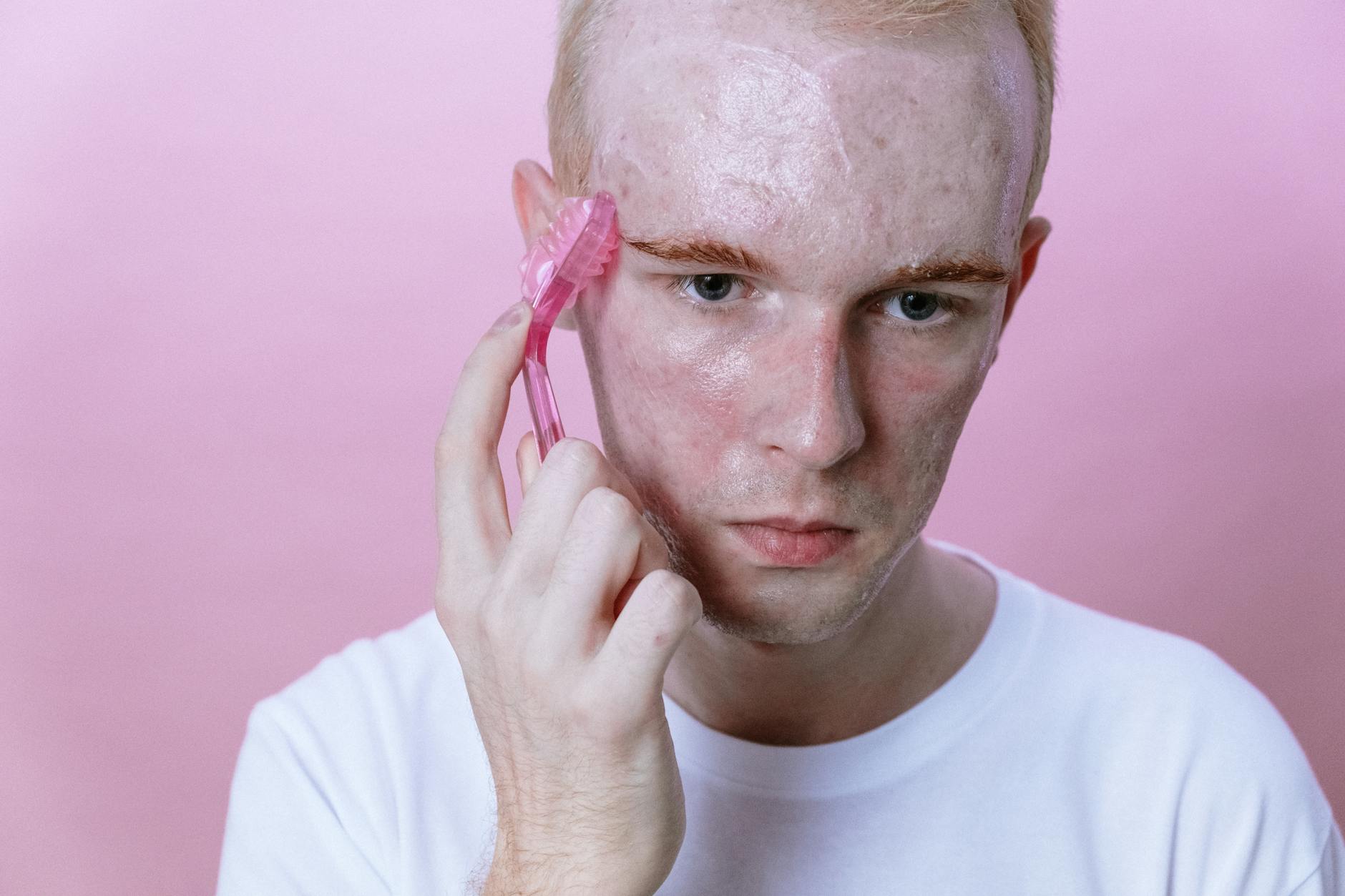
The best face mists for acne-prone skin contain targeted active ingredients rather than plain water””look for formulas with hypochlorous acid, salicylic acid, niacinamide, or green tea extract to hydrate without triggering breakouts. Top dermatologist-recommended options include Tower 28 SOS Daily Rescue Facial Spray for its bacteria-fighting hypochlorous acid, Topicals Clearly Clarifying & Calming Mist (named “Best Face Mist for Acne” by Marie Claire), and The Inkey List Hydrating Face Mist at just $13 for a budget-friendly choice that avoids pore-cloggers. Face mists have evolved far beyond simple hydration spritzes.
For those managing acne, the right mist can actually support clearer skin by delivering anti-inflammatory and antibacterial ingredients directly where they’re needed. However, the wrong formula””one loaded with alcohol, fragrance, or comedogenic oils””can make breakouts worse. As board-certified dermatologist Dr. Anetta Reszko explains, “A mist with active ingredients suited to your skin type can be beneficial, while plain water-based mists may temporarily hydrate but can also evaporate and lead to increased dryness.” This article breaks down which ingredients to seek out and which to avoid, compares the top product options currently available, and covers expert application techniques to maximize benefits without compromising your skin barrier.
Table of Contents
- What Makes a Face Mist Safe for Acne-Prone Skin?
- Ingredients That Will Make Acne Worse
- Comparing Budget and Premium Face Mist Options
- When Face Mists Can Actually Cause Problems
- The Rise of Hypochlorous Acid in Skincare
- Building a Complete Mist-Friendly Routine
- Conclusion
What Makes a Face Mist Safe for Acne-Prone Skin?
Not all face mists are created equal, and for acne-prone skin, ingredient selection matters enormously. Dermatologists consistently point to hypochlorous acid as a “hero ingredient” for breakout-prone complexions. This naturally occurring compound reduces bacteria and calms inflammation without the irritation or dryness that harsher acne treatments often cause. Tower 28 built their entire SOS Daily Rescue Facial Spray around this ingredient, creating a pH-balanced formula that’s both alcohol-free and fragrance-free. Beyond hypochlorous acid, several other ingredients have proven track records for acne-prone skin. Salicylic acid at 2% concentration””found in medicated options like Pacifica Clear Mist Facial Acne Spray””actively treats existing breakouts by penetrating pores.
Niacinamide delivers triple benefits: anti-acne action, brightening, and skin firming. Green tea extract helps prevent breakouts specifically for oily and acne-prone skin types. The Topicals Clearly Clarifying & Calming Mist takes a different approach, using magnesium PCA and polylysine as active ingredients to address both acne and redness simultaneously. Witch hazel deserves mention as well, particularly for those struggling with excess oil production. It naturally controls sebum without stripping the skin, helping prevent the oil buildup that leads to clogged pores. However, some witch hazel formulas contain added alcohol, so checking the full ingredient list remains important.

Ingredients That Will Make Acne Worse
Board-certified dermatologist Dr. Azadeh Shirazi is direct about what acne-prone skin cannot tolerate in a face mist: alcohol, fragrances, and artificial dyes top the list. These ingredients can irritate already-compromised skin, triggering inflammation that worsens breakouts. Alcohol in particular creates a deceptive initial effect””skin may feel less oily immediately after application, but the drying action often prompts compensatory oil production, leading to more congestion over time. Dr.
Shirazi emphasizes that “it is essential for those with acne-prone skin to avoid any facial mists that contain oil.” Heavy or comedogenic oils create a film that traps bacteria and sebum against the skin, creating the perfect environment for new pimples to form. Similarly, occlusive silicones””while excellent for creating a smooth, hydrated feel””can seal in debris and prevent skin from functioning normally. However, if your primary concern is dehydration rather than active breakouts, you have slightly more flexibility. Some facial oils labeled “non-comedogenic” may work for certain individuals, but this requires careful patch testing. The safest approach remains choosing oil-free formulas specifically designed for acne-prone skin, like SkimSmart Face Mist, which Dr. Shirazi recommends for its alcohol-free, fragrance-free, noncomedogenic formulation.
Comparing Budget and Premium Face Mist Options
Price doesn’t always correlate with effectiveness when it comes to acne-friendly face mists. The Inkey List Hydrating Face Mist costs just $13 and is formulated without pore-clogging ingredients, making it accessible for anyone starting their search. This budget option works well for daily hydration needs when you want simplicity without risk. At the premium end, Rhode Glazing Mist takes a different formulation approach, featuring ectoin and ceramides alongside earning the National Eczema Association seal of acceptance.
This makes it particularly suitable for those dealing with both acne and sensitivity or compromised skin barriers. The formulation focuses on strengthening skin rather than treating active breakouts, so it works best as part of a broader routine rather than as a standalone acne solution. Mid-range options like Cocokind Facial Mist and Topicals Clearly fall between these extremes. Cocokind has been editor-tested specifically for acne-prone skin and helps prevent breakouts, while Topicals earned its Marie Claire accolade for balancing clarifying action with soothing magnesium. The tradeoff often comes down to whether you want a treatment-focused mist or a hydration-focused one that simply won’t cause problems.

When Face Mists Can Actually Cause Problems
Even well-formulated mists carry potential downsides depending on individual circumstances. Dr. Reszko’s warning about plain water-based mists bears repeating: temporary hydration that evaporates can leave skin worse off than before. If you’re using a mist primarily for the cooling sensation without attention to ingredients, you may be inadvertently contributing to dehydration cycles. Those on prescription acne treatments need extra caution.
Retinoids, benzoyl peroxide, and other actives can interact unpredictably with additional products. A salicylic acid mist layered over prescription tretinoin, for example, might cause excessive irritation and peeling. The safest approach involves discussing your full routine with a dermatologist before adding any new product, including mists that seem innocuous. Climate plays a role too. In very dry environments, humectant-heavy mists without proper sealing can actually pull moisture from deeper skin layers toward the surface, where it evaporates. If you live somewhere with low humidity and notice your skin feels tighter after misting, switching to a formula with built-in occlusives or adjusting your application method becomes necessary.
The Rise of Hypochlorous Acid in Skincare
Hypochlorous acid has moved from medical applications to mainstream skincare with remarkable speed. This compound””which the body naturally produces as part of immune response””kills bacteria, reduces inflammation, and promotes wound healing without the harshness of traditional antiseptics. For acne, which involves bacterial overgrowth and inflammation, these properties address root causes rather than just symptoms.
Tower 28’s SOS spray helped popularize the ingredient, but numerous brands now offer hypochlorous acid formulations. The appeal for acne-prone skin lies in the gentleness: unlike benzoyl peroxide or strong acids, hypochlorous acid rarely causes dryness, peeling, or irritation. This makes it suitable for use multiple times daily and compatible with other actives in a routine.
Building a Complete Mist-Friendly Routine
Integrating face mist into an acne-fighting routine requires thinking about the entire product ecosystem. A morning routine might include gentle cleanser, treatment serum, face mist for hydration boost, and SPF moisturizer. The mist step provides an opportunity to add beneficial ingredients without the heavier texture of another serum or cream.
Looking ahead, the face mist category continues expanding with more sophisticated formulations targeting specific concerns. Products combining multiple acne-fighting ingredients””like niacinamide plus hypochlorous acid or green tea plus salicylic acid””allow for streamlined routines. For acne-prone individuals tired of elaborate multi-step regimens, these combination mists offer efficiency without sacrificing efficacy.
Conclusion
Choosing the right face mist for acne-prone skin comes down to ingredient awareness and application technique. Prioritize formulas containing hypochlorous acid, salicylic acid, niacinamide, green tea extract, or witch hazel while strictly avoiding alcohol, fragrance, comedogenic oils, and occlusive silicones.
Products like Tower 28 SOS Daily Rescue, Topicals Clearly, and The Inkey List Hydrating Face Mist represent safe starting points across different price ranges. Remember that even the best mist requires proper use””sealing in humectants with moisturizer, timing application around sweat and environmental factors, and considering interactions with other products in your routine. When chosen carefully and used correctly, face mists become valuable tools for maintaining hydration without compromising acne management goals.