
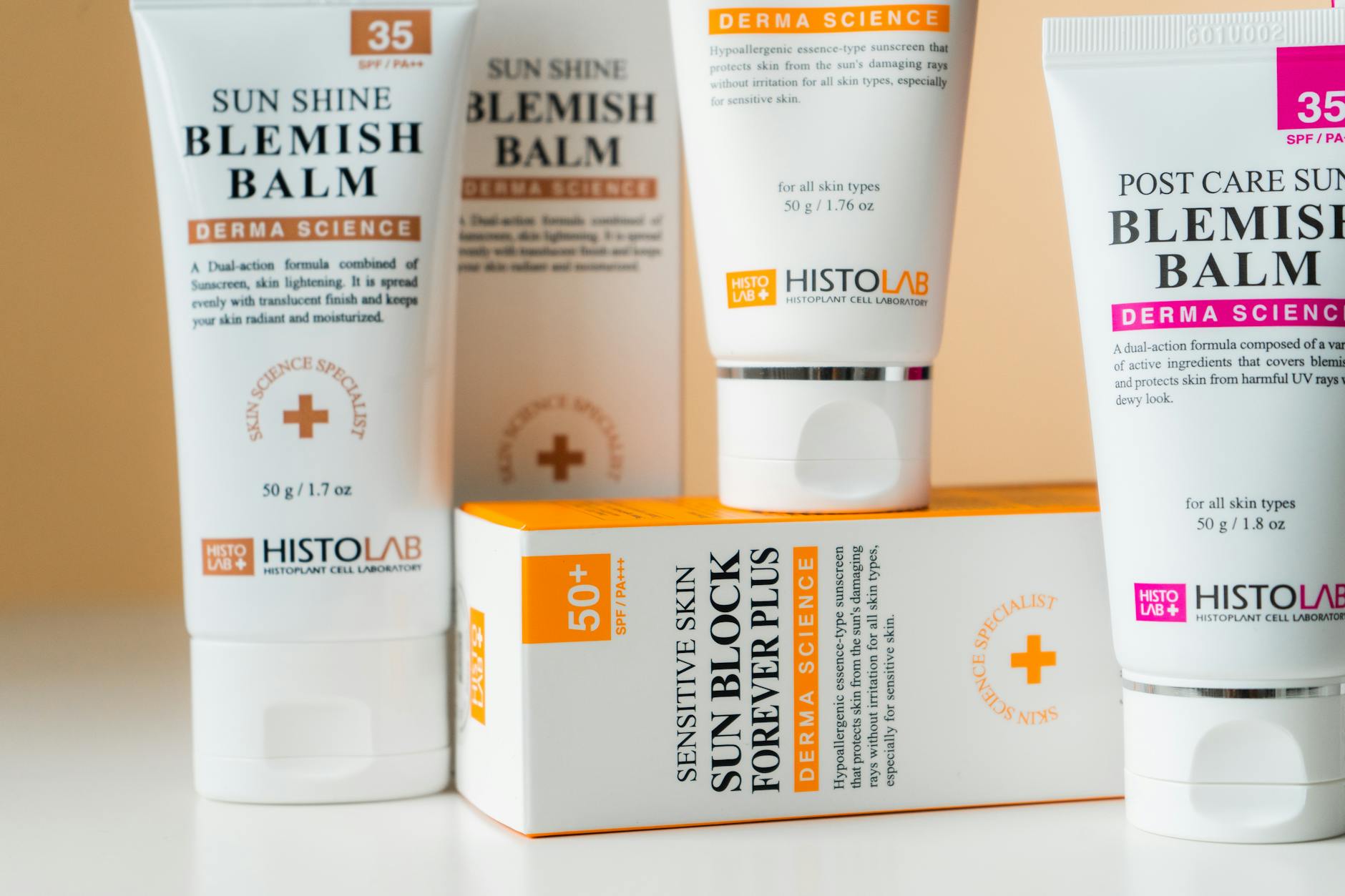
The best SPF lip balms for acne-prone skin around the mouth are those formulated with mineral sunscreens (particularly zinc oxide), free of comedogenic ingredients like coconut oil and cocoa butter, and devoid of fragrances that can trigger perioral dermatitis. Top dermatologist-recommended options include Aquaphor Lip Repair Stick + SPF 30 (preservative and fragrance-free), Cay Skin Isle Lip Balm SPF 30 (non-comedogenic and vegan), TiZO Lip Protection SPF 45 (mineral-based with minimal white cast), and Sunsense Sun Protection Lip Balm SPF 50 (rated highly for fungal acne safety). For example, someone using isotretinoin who previously experienced chin breakouts from their petroleum-heavy lip balm might switch to TiZO’s mineral formula and see both their sun sensitivity addressed and their perioral acne reduced.
Finding the right SPF lip balm when you struggle with acne around the mouth is genuinely challenging because most lip products prioritize hydration through heavy occlusives””the very ingredients that can trap bacteria and clog pores along the lip line. This article covers which specific ingredients to avoid, what to look for in safe formulations, why SPF matters even more for those on acne medications, and how to evaluate whether a lip balm is truly non-comedogenic or just marketing itself that way. The stakes are real: lip balms travel beyond your lips in small amounts to the upper lip, chin, and sides of the mouth. If your product contains pore-clogging ingredients, you may be unknowingly contributing to the very breakouts you’re trying to eliminate elsewhere in your skincare routine.
Table of Contents
- Which SPF Lip Balms Won’t Cause Breakouts Around the Mouth?
- Ingredients That Trigger Perioral Acne and Dermatitis
- Safe Ingredients for Acne-Prone Lips
- Why Acne Medications Make SPF Lip Protection Essential
- Common Mistakes When Choosing SPF Lip Balms for Acne-Prone Skin
- Non-SPF Alternatives for Nighttime Use
- Making the Final Choice for Your Skin
- Conclusion
Which SPF Lip Balms Won’t Cause Breakouts Around the Mouth?
Not all SPF lip balms are created equal when it comes to acne safety. The key distinction lies in whether the product uses chemical or mineral UV filters””and what additional ingredients are included for moisture and texture. Chemical sunscreens containing oxybenzone are known irritants that can trigger perioral dermatitis, a condition often mistaken for acne that causes small bumps and redness around the mouth. Mineral sunscreens using 100% zinc oxide are considered the most gentle and safe option for this sensitive area. Among tested products, TiZO Lip Protection SPF 45 stands out as the mineral sunscreen with the least white cast, addressing a common complaint about zinc-based formulas.
Meanwhile, Cay Skin Isle Lip Balm SPF 30 checks multiple safety boxes: dermatologist tested, non-comedogenic, silicone-free, and free of both oxybenzone and octinoxate. The trade-off with some of these cleaner formulas is that they may feel less emollient than traditional lip balms, which can be a concern for those with severely dry lips. Aquaphor Lip Repair Stick + SPF 30 occupies an interesting position as the number one dermatologist-recommended lip care brand. Its preservative and fragrance-free formula works well for sensitive lips, though it does contain petrolatum””which some perioral dermatitis sufferers find problematic. This illustrates why individual testing remains essential even with dermatologist-recommended products.
Ingredients That Trigger Perioral Acne and Dermatitis
Understanding which ingredients to avoid is arguably more important than knowing which products to buy. Comedogenic ingredients””those that clog pores””are the primary culprits. Coconut oil, cocoa butter, and isopropyl myristate rank among the most common offenders found in lip balms marketed as “natural” or “nourishing.” These ingredients may feel luxurious but can directly contribute to the small, persistent bumps many people experience around their mouths. Fragrances and essential oils represent another major category of concern. Peppermint and cinnamon oils, popular for their tingling sensation that consumers associate with effectiveness, are actually common triggers for perioral dermatitis flare-ups.
The irony is that products marketed for “cooling relief” may be actively worsening the condition they claim to soothe. However, if you’ve been using a product containing these ingredients without any issues, you don’t necessarily need to switch. Comedogenicity exists on a spectrum, and individual skin varies significantly. The warning applies most strongly to those already experiencing breakouts around the mouth””eliminating potential triggers from lip products should be an early step in troubleshooting. Heavy occlusives like mineral oil, petrolatum, and shea butter can trap bacteria and cause flare-ups in some people, though others tolerate them well.
Safe Ingredients for Acne-Prone Lips
When reading ingredient labels, certain components signal that a formula was designed with sensitive, breakout-prone skin in mind. Zinc oxide mineral sunscreen tops the list””it provides broad-spectrum UV protection while being the gentlest option for perioral dermatitis sufferers. Unlike chemical filters that absorb into the skin, zinc oxide sits on top and physically blocks UV rays, reducing the risk of irritation. For hydration without pore-clogging risk, look for hyaluronic acid or sodium hyaluronate.
These humectants draw moisture into the skin without creating the occlusive barrier that can trap bacteria. Jojoba oil offers another non-comedogenic moisture option””its molecular structure closely resembles human sebum, allowing it to hydrate without disrupting skin balance. Calming ingredients like chamomile and calendula provide additional benefits for irritated skin. For those dealing with inflammatory concerns alongside their acne, niacinamide can help soothe irritation while supporting skin barrier function. CLEARSTEM’s LIPS&CUTES formula exemplifies this approach by excluding shea butter and coconut oil entirely, instead relying on peptides for lip health””though notably, it doesn’t include SPF, requiring a separate sun protection strategy.

Why Acne Medications Make SPF Lip Protection Essential
The relationship between acne treatment and sun sensitivity creates a specific need for SPF lip balms that many patients don’t anticipate. Isotretinoin, commonly known by its former brand name Accutane, causes significant dryness and increased sun sensitivity throughout the body””but lips bear a particularly heavy burden. The medication dramatically reduces oil production, leaving lips flaky, cracked, and vulnerable to both sun damage and infection. Dermatologists recommend a minimum of SPF 30 for lip protection, with broad-spectrum formulas required to guard against both UVA rays (which cause aging and penetrate deeper into skin) and UVB rays (which cause burning).
For someone on isotretinoin applying retinoids at night, lips that were once low-maintenance suddenly demand constant attention and protection. The trade-off here involves balancing sun protection with hydration needs. Some highly protective mineral sunscreens can feel drying, which is counterproductive when your lips are already parched from medication. Sunsense Sun Protection Lip Balm SPF 50 offers higher protection for those who need it, while remaining rated for fungal acne safety and non-comedogenic status””making it a strong option for isotretinoin patients who are prone to breakouts around the mouth.
Common Mistakes When Choosing SPF Lip Balms for Acne-Prone Skin
One prevalent error is assuming that “natural” or “organic” products are automatically safer for acne-prone skin. Coconut oil and shea butter are entirely natural””and also among the most comedogenic ingredients available. Similarly, essential oils derived from plants can trigger contact dermatitis and perioral inflammation. The natural label tells you nothing about pore-clogging potential. Another mistake involves overlooking how lip balm travels beyond the lips.
Application doesn’t stay confined to the vermillion border; small amounts migrate to surrounding skin throughout the day, especially when eating, drinking, or unconsciously licking lips. This means a lip balm with even moderately comedogenic ingredients has repeated contact with the chin, upper lip, and mouth corners. If you’re meticulous about non-comedogenic moisturizers and cleansers but haven’t evaluated your lip products, you may be reintroducing pore-clogging ingredients dozens of times daily. A third limitation worth noting: SPF in lip balms degrades and wears off faster than you might expect. Unlike facial sunscreen that might last a few hours, lip products are constantly being licked, eaten, and rubbed off. Reapplication every two hours””or after eating and drinking””is essential for meaningful sun protection, particularly for those on photosensitizing medications.
Non-SPF Alternatives for Nighttime Use
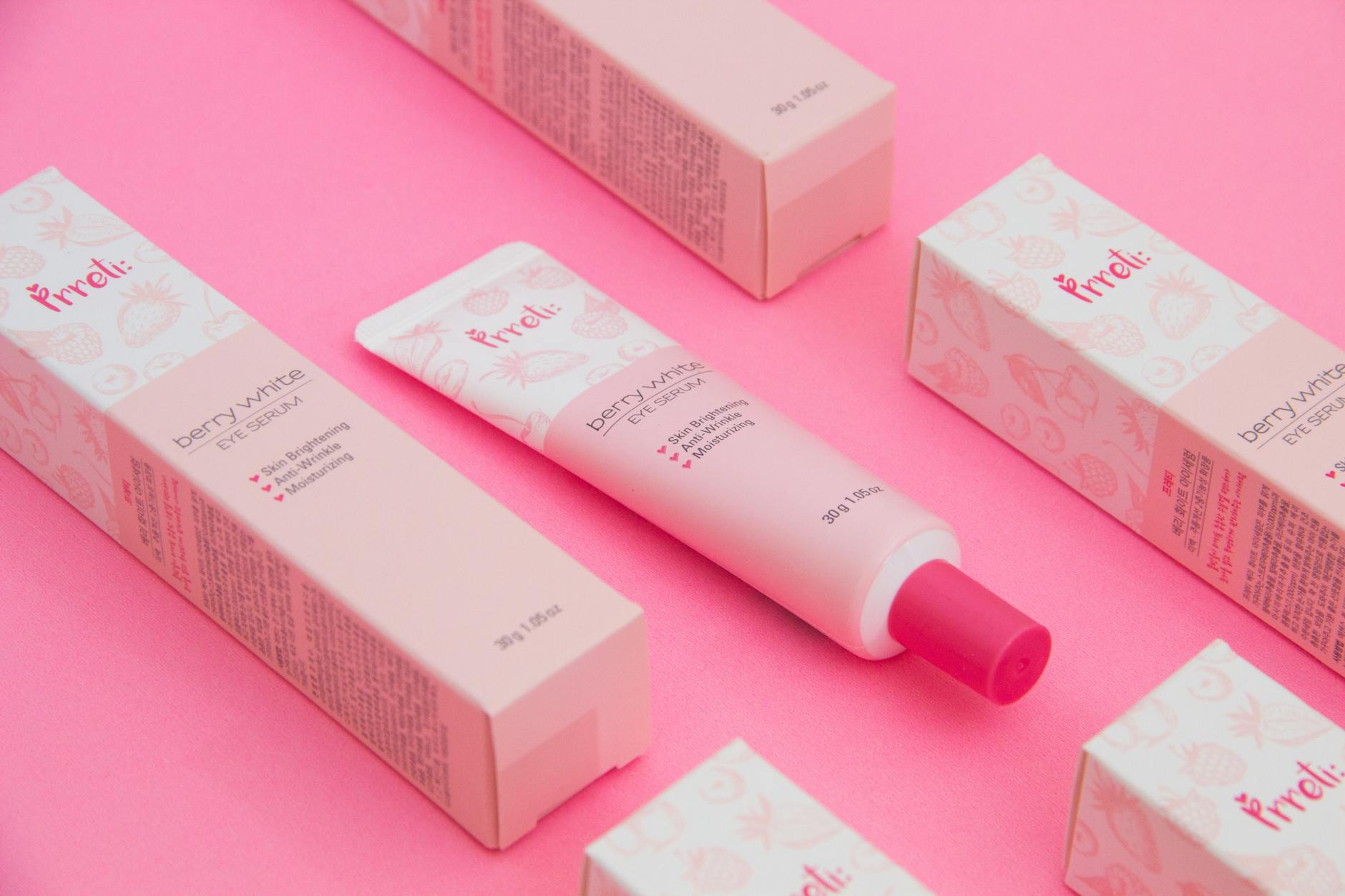
Sun protection isn’t needed around the clock, and nighttime offers an opportunity to use richer, more hydrating formulas that might not be practical during the day. PRIIA Vegan Lip Butter Balm positions itself as the first original acne-safe vegan lip balm specifically designed not to cause clogged pores around the mouth area.
For overnight use when SPF is unnecessary, products like this can provide deeper hydration without the texture trade-offs that sometimes come with mineral sunscreens. CLEARSTEM LIPS&CUTES takes a peptide-focused approach, entirely eliminating common comedogenic culprits while focusing on barrier repair. The strategy of using a treatment-focused product overnight and switching to an SPF option during the day allows for both protection and repair””though it does require purchasing and maintaining two separate products.
Making the Final Choice for Your Skin
Selecting the right SPF lip balm ultimately requires honest assessment of your specific concerns. If you’re currently experiencing active perioral breakouts, starting with the cleanest possible formula””like Cay Skin’s non-comedogenic, fragrance-free option””allows you to eliminate lip balm as a variable. Once your skin stabilizes, you might successfully reintroduce products with more emollient textures.
For those on isotretinoin or topical retinoids, prioritizing SPF 30 or higher with broad-spectrum protection takes precedence. TiZO’s SPF 45 mineral formula offers a middle ground: strong protection with less white cast than typical zinc oxide products, though users with very dark skin tones may still notice some residue. The path forward involves both ingredient awareness and willingness to test products systematically””giving each formula at least two to three weeks before evaluating whether it contributes to or helps resolve perioral acne.
Conclusion
The intersection of sun protection and acne prevention around the mouth requires more careful product selection than most people realize. Mineral sunscreens with zinc oxide, formulas free of coconut oil, cocoa butter, fragrances, and chemical filters like oxybenzone represent the safest starting point. Products like TiZO Lip Protection SPF 45, Cay Skin Isle Lip Balm SPF 30, and Sunsense SPF 50 have been specifically identified as options that balance protection with acne safety.
Your next step should be auditing your current lip products for comedogenic ingredients and known irritants. Replace problematic products one at a time, maintaining consistency for several weeks to accurately assess results. Remember that lips require the same ingredient vigilance as the rest of your face””perhaps more, given how frequently lip products migrate to surrounding skin throughout the day.