
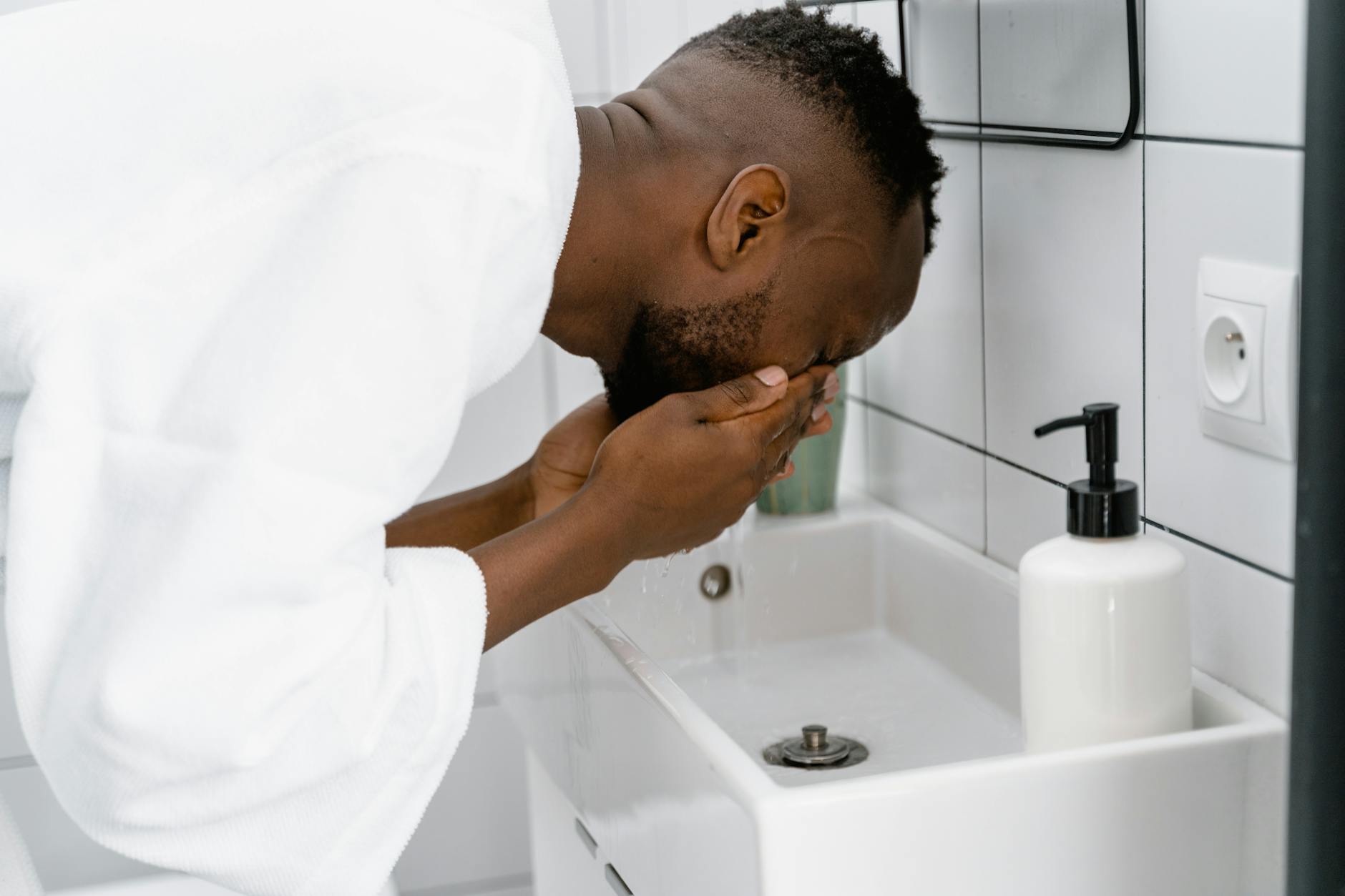
Yes, washing your face too often can cause more acne. When you cleanse more than twice daily or use harsh products repeatedly, you strip away the protective oils your skin needs to function properly. Your skin responds by producing even more sebum to compensate, creating the exact oily conditions that allow acne-causing bacteria to thrive. This creates a frustrating cycle where someone washing their face four or five times a day to combat breakouts actually ends up with more clogged pores and inflammation than when they started. Consider someone with combination skin who notices midday shine and decides to wash their face every few hours.
Within a week or two, they often develop new breakouts in areas that were previously clear, along with patches of dry, flaky skin around their nose and mouth. The over-cleansing has damaged their moisture barrier, making their skin simultaneously oily in some spots and irritated in others. This damaged barrier also allows bacteria to penetrate more easily and makes existing acne heal more slowly. This article examines why excessive cleansing backfires, how to recognize if you’re overwashing, the specific mechanisms that connect cleansing frequency to breakouts, and how to find the right washing routine for your skin type. You’ll also learn about ingredients to avoid when your barrier is compromised and how to repair damage if you’ve already been overcleansing.
Table of Contents
- How Does Washing Your Face Too Much Lead to More Acne?
- Signs Your Cleansing Routine Is Damaging Your Skin Barrier
- The Science Behind Sebum Rebound and Breakouts
- Finding the Right Cleansing Frequency for Your Skin Type
- When Gentle Cleansing Isn’t Enough for Acne
- Ingredients That Worsen Barrier Damage in Cleansers
- Rebuilding Your Skin Barrier After Overcleansing
- Conclusion
How Does Washing Your Face Too Much Lead to More Acne?
The skin’s surface is covered by what dermatologists call the acid mantle, a thin film made of sebum, sweat, and beneficial bacteria that maintains a slightly acidic pH around 4.5 to 5.5. This acidic environment prevents harmful bacteria, including Cutibacterium acnes, from multiplying out of control. Every time you wash your face, you temporarily disrupt this protective layer. Washing once or twice daily gives your skin time to restore this barrier, but frequent cleansing keeps it perpetually compromised. When the acid mantle stays disrupted, several acne-promoting processes kick in. Sebaceous glands receive signals that the skin surface is depleted and ramp up oil production significantly.
One clinical study found that participants who washed their faces six times daily showed a 23% increase in sebum output compared to those who washed twice daily. This excess oil mixes with dead skin cells in follicles, creating the plugs that become blackheads and whiteheads. Meanwhile, the raised pH makes it easier for acne bacteria to colonize these clogged pores. The inflammatory response compounds the problem. Stripped skin becomes sensitized and reacts more aggressively to minor irritants, including some ingredients in cleansers themselves. Sodium lauryl sulfate, a common foaming agent, can cause microscopic inflammation in compromised skin that wouldn’t occur if the barrier were intact. This low-grade inflammation makes existing blemishes redder and more swollen while creating conditions favorable for new lesions to form.
Signs Your Cleansing Routine Is Damaging Your Skin Barrier
Recognizing barrier damage early can prevent weeks of worsening breakouts. The most reliable indicator is the “tight” feeling many people mistake for cleanliness. If your skin feels taut or slightly uncomfortable within minutes of washing, your cleanser or frequency has stripped too much oil. Healthy skin should feel comfortable and neutral after cleansing, not squeaky or stretched. Other warning signs include skin that looks shiny in the T-zone but feels dry to the touch, increased sensitivity to products that previously caused no irritation, and acne appearing in new locations or patterns.
Someone who typically breaks out on their chin might suddenly develop forehead acne after starting an aggressive cleansing regimen. Redness that lingers between washes, visible flaking, and pores that appear larger than usual all suggest the barrier needs recovery time. However, if your skin tolerates frequent washing without these symptoms, that doesn’t necessarily mean it’s beneficial. Some people have naturally resilient barriers that can withstand more cleansing without obvious distress, but even these individuals typically see better results with a more moderate approach. The exception is people working in environments with significant contamination, such as industrial settings or professional kitchens, who may genuinely need midday cleansing. In these cases, using a gentle, non-foaming cleanser for the extra wash minimizes barrier disruption.
The Science Behind Sebum Rebound and Breakouts
Sebum production is controlled by hormones and local feedback mechanisms that respond to conditions at the skin’s surface. Androgens like testosterone and DHT stimulate sebaceous glands to produce oil, but the rate of that production also depends on how much sebum is already present. When oil is continually removed, receptors in the sebaceous glands detect the deficit and increase output. This phenomenon, sometimes called reactive seborrhea, can increase oil production by 30% or more in people who suddenly adopt aggressive cleansing habits. The composition of sebum also changes under these conditions. Stressed sebaceous glands produce oil with a higher proportion of squalene and oleic acid, both of which are more comedogenic than the sebum produced by unstressed glands.
Research has shown that this altered sebum oxidizes more readily when exposed to air, and oxidized squalene is particularly effective at causing the hyperkeratinization that leads to clogged pores. Essentially, overcleansing doesn’t just create more oil; it creates worse oil. This process takes time to reverse even after cleansing frequency is reduced. Someone who has been overwashing for months may need six to eight weeks of gentle care before sebum production normalizes. During this transition, skin may actually appear oilier than it did during the overwashing phase because the glands haven’t yet received the signal to reduce output. This temporary worsening causes many people to abandon the gentler routine and return to overcleansing, perpetuating the cycle.

Finding the Right Cleansing Frequency for Your Skin Type
The standard recommendation of washing twice daily, morning and night, works well for most skin types, but individual variation matters. People with genuinely oily skin and no barrier damage may benefit from the full two washes, while those with dry or sensitive skin might find that water-only cleansing in the morning and a gentle cleanser at night produces better results. The goal is removing accumulated dirt, pollution, and excess oil without depleting the skin’s protective resources. For acne-prone skin specifically, the evening cleanse is the most important because it removes the day’s accumulation of sebum, dead cells, and environmental debris that could otherwise sit in pores overnight.
A morning cleanse is less critical since the skin has been protected in a relatively clean environment during sleep. Someone experiencing barrier damage might experiment with simply rinsing with lukewarm water in the morning while continuing their evening cleanse with a gentle, pH-balanced product. The tradeoff between cleansing enough and cleansing too much shifts depending on other factors in your routine. If you use active ingredients like retinoids or benzoyl peroxide that already stress the barrier, even twice-daily cleansing might be excessive. Conversely, if you wear heavy sunscreen or makeup, you may need double cleansing at night, using an oil-based cleanser followed by a water-based one, without that counting as overwashing since it’s still a single cleansing session designed to thoroughly remove stubborn products.
When Gentle Cleansing Isn’t Enough for Acne
Reducing cleansing frequency isn’t a complete acne treatment; it’s a way to stop making acne worse while other interventions do the actual work of clearing breakouts. Someone with moderate to severe acne still needs targeted treatments like benzoyl peroxide, salicylic acid, or prescription retinoids. The point of fixing an overwashing habit is to allow these treatments to work effectively rather than fighting against a damaged barrier. There are also situations where acne requires more than topical treatment regardless of how well-optimized the cleansing routine is. Hormonal acne in adults, particularly women who experience breakouts timed to their menstrual cycle, often responds better to systemic treatments like spironolactone or oral contraceptives than to any topical regimen.
Nodulocystic acne almost always requires oral isotretinoin or antibiotics because the infection occurs too deep in the skin for topical products to reach effectively. A warning for people considering adding more cleansing steps to their routine: if your current approach isn’t controlling acne, the solution is almost never to wash more. The instinct to scrub away acne is understandable but counterproductive. Instead of additional cleansing, consider whether your treatment products need adjustment, whether you’re applying them correctly, or whether you need professional evaluation. Dermatologists consistently report that overwashing is one of the most common mistakes they correct in patients with persistent acne.

Ingredients That Worsen Barrier Damage in Cleansers
Knowing which ingredients to avoid helps prevent accidental barrier damage even when cleansing frequency is appropriate. Sodium lauryl sulfate and sodium laureth sulfate are the most common culprits, appearing in many foaming cleansers because they create the lather consumers associate with cleanliness. These surfactants are effective degreasers, which is precisely why they’re problematic for facial skin that needs some oil to stay healthy. Alcohol denat, also listed as SD alcohol, appears in some gel cleansers and can be severely drying, particularly in formulations where it appears high on the ingredient list.
Fragrance, whether synthetic or from essential oils, is another frequent irritant that serves no cleansing function. A study comparing fragrance-free and fragranced cleansers found measurably higher transepidermal water loss, an indicator of barrier damage, in participants using the scented product even when all other ingredients were identical. For someone already dealing with barrier damage from overcleansing, the gentlest option is a non-foaming cream or milk cleanser with a short ingredient list. Products designed for sensitive skin or marketed as “barrier repair” cleansers typically avoid the problematic ingredients. During the recovery period, even cleansers that would normally be fine for your skin type might cause irritation, so erring on the side of gentleness is the safer approach.
Rebuilding Your Skin Barrier After Overcleansing
Recovery requires both stopping the damage and actively supporting repair. The first step is reducing cleansing to once daily if you’ve been washing three or more times, using only a gentle cleanser, and avoiding all scrubs and exfoliating products until irritation resolves. This alone allows the skin to begin rebuilding its protective layers, but adding barrier-supportive ingredients speeds the process considerably. Ceramides, cholesterol, and fatty acids are the building blocks of a healthy barrier, and products containing these ingredients can help replenish what’s been stripped away.
Hyaluronic acid and glycerin draw water into the skin, while occlusive ingredients like petrolatum, squalane, or dimethicone prevent that moisture from escaping. A basic recovery routine might consist of a gentle cleanser, a hydrating serum, and a ceramide-containing moisturizer, with sunscreen in the morning since compromised skin is more vulnerable to UV damage. Most people see significant improvement within two to four weeks if they maintain consistency. Skin might temporarily look more congested during the first week as it adjusts to retaining more oil, but this usually resolves as the barrier strengthens. If congestion persists beyond three weeks or if acne significantly worsens during the recovery period, it may indicate that barrier damage wasn’t the primary issue, and evaluation for other acne contributors is warranted.
Conclusion
Washing your face too frequently does cause more acne by disrupting the protective barrier, triggering excess sebum production, and creating conditions that favor bacterial growth and inflammation. The solution is counterintuitive but effective: cleanse less, not more, and use gentler products. Most people see improvement by limiting cleansing to twice daily or even once daily while ensuring they use a pH-balanced, fragrance-free cleanser that doesn’t leave skin feeling tight.
The key takeaway is that acne treatment requires the right products applied to healthy skin, not aggressive cleansing that leaves the skin damaged and reactive. If you suspect you’ve been overwashing, scale back your routine, support your barrier with ceramides and gentle hydration, and give your skin six to eight weeks to normalize before judging results. For acne that persists despite an optimized cleansing routine, consult a dermatologist who can evaluate whether prescription treatments or other interventions are needed.