

Treating acne caused by an oily scalp requires addressing the problem at its source: controlling excess sebum production on your scalp while preventing that oil from migrating to your face and clogging pores. The most effective approach combines medicated shampoos containing salicylic acid, ketoconazole, or zinc pyrithione with consistent daily cleansing to prevent sebum buildup. For breakouts that have already formed along your hairline or forehead, topical treatments like benzoyl peroxide can help eliminate bacteria and reduce inflammation, though you should exercise caution as it may bleach your hair.
Consider someone who wears bangs and notices persistent forehead breakouts despite a careful facial skincare routine. The culprit is often invisible: oil from the scalp transfers throughout the day onto the forehead skin, where it mixes with dead skin cells and bacteria to create the perfect conditions for acne. Research demonstrates that subjects with acne have 59 percent more sebum than those without acne, and the scalp has a higher density of oil glands than most other body areas, making it a significant but overlooked contributor to facial breakouts. This article explores the specific mechanisms connecting scalp oil to facial acne, reviews dermatologist-recommended treatments ranging from over-the-counter shampoos to prescription options, examines prevention strategies that address both scalp and lifestyle factors, and provides realistic timelines for when you can expect to see results.
Table of Contents
- Why Does an Oily Scalp Cause Facial Acne?
- Medicated Shampoos and Their Active Ingredients
- Natural and Home Remedies That Show Promise
- Daily Habits That Prevent Scalp Oil from Reaching Your Face
- When Over-the-Counter Treatments Fail
- The Role of Diet in Managing Oily Skin
- Realistic Expectations for Treatment Timeline
- Conclusion
Why Does an Oily Scalp Cause Facial Acne?
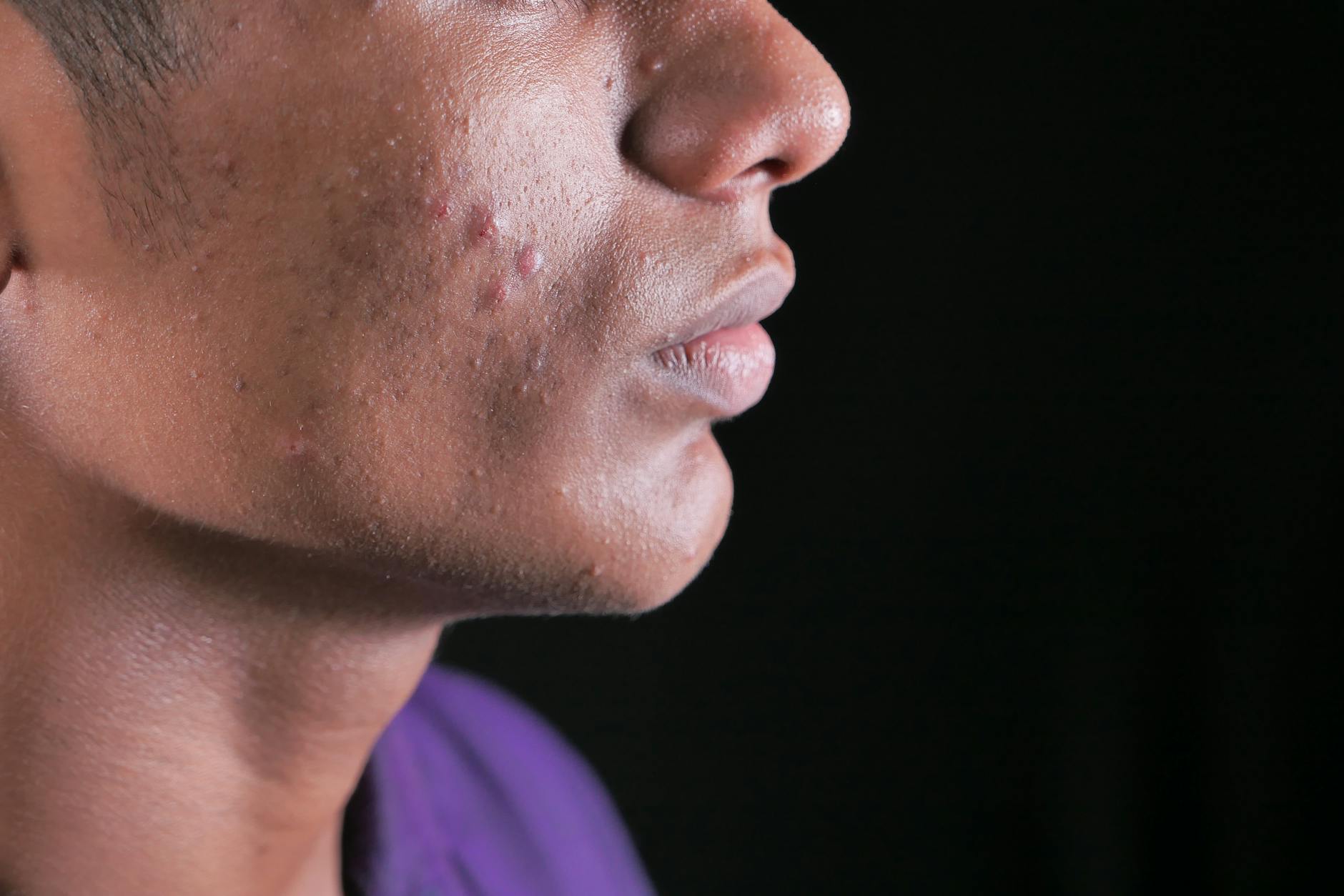
The connection between scalp sebum and facial breakouts operates through direct transfer and product contamination. Throughout the day, oil from your scalp naturally migrates down hair strands and onto your skin, particularly affecting the forehead and temples. This transferred sebum joins the oil already present on your face, overwhelming pores and creating an environment where acne thrives. The forehead is especially vulnerable because hair constantly touches this area, depositing oils that mix with sweat and environmental debris. Four interconnected mechanisms drive acne formation: inflammation, altered follicular keratinization, increased sebum production, and colonization by P. acnes bacteria.
When excess scalp oil reaches facial skin, it contributes to at least two of these mechanisms directly. The additional sebum feeds bacteria and physically clogs follicles, while the resulting bacterial overgrowth triggers an inflammatory response that manifests as red, swollen pimples. Hair products compound this problem significantly. Styling products containing cocoa butter or coconut oil feel luxurious and provide excellent conditioning, but they can trigger acne when they contact facial skin. Someone might switch to a rich, moisturizing conditioner during dry winter months and notice new breakouts appearing along their hairline within weeks. The comedogenic ingredients in these products do not distinguish between hair and skin, blocking pores wherever they land.
Medicated Shampoos and Their Active Ingredients
Medicated shampoos represent the first line of defense against scalp-related acne because they treat the problem at its origin. Salicylic acid shampoos work by penetrating into pores to gently exfoliate and remove excess oils, as dermatologist Dr. King explains. This beta hydroxy acid dissolves the bonds between dead skin cells, preventing them from accumulating and mixing with sebum to form blockages. Ketoconazole shampoos target fungal overgrowth that often accompanies oily scalp conditions, while zinc pyrithione offers both antifungal and antibacterial properties. However, not all medicated shampoos work equally well for every individual.
Someone with sensitive skin might find salicylic acid too drying when used daily, leading to rebound oil production that worsens the original problem. In this case, alternating between a medicated shampoo and a gentle, non-comedogenic cleanser may provide better results. Ketoconazole, while highly effective against dandruff and seborrheic dermatitis, primarily addresses fungal issues and may not sufficiently control bacterial acne if that is the dominant concern. The limitation of shampoo-based treatment is contact time. Most people apply shampoo, lather briefly, and rinse within seconds. For active ingredients to work effectively, leaving the shampoo on your scalp for two to three minutes before rinsing allows greater penetration and efficacy. This adjustment alone can dramatically improve results for people who have tried medicated shampoos without success.
Natural and Home Remedies That Show Promise
Tea tree oil has demonstrated antibacterial properties that make it a reasonable option for mild scalp acne. The traditional application involves mixing tea tree oil with a carrier oil and massaging it into the scalp, allowing the antibacterial compounds to work before washing. A person dealing with occasional scalp pimples rather than chronic acne might find this approach sufficient, particularly if they prefer avoiding synthetic ingredients or want to supplement their medicated shampoo routine. Apple cider vinegar rinses offer another natural option, with proponents claiming the acidity helps balance scalp pH levels. The standard preparation mixes one to two tablespoons of apple cider vinegar with one cup of water, applied after shampooing and left on briefly before rinsing.
Some people report reduced oiliness and fewer breakouts with regular use. These natural approaches work best for mild cases and as preventive maintenance rather than treatment for established acne. If you have numerous inflamed pimples or cystic lesions on your scalp or along your hairline, natural remedies alone are unlikely to provide adequate relief. They lack the potency of medical-grade treatments and work too slowly when aggressive intervention is needed. Combining them with medicated products, however, can provide complementary benefits without the drawbacks of using multiple harsh chemicals simultaneously.
Daily Habits That Prevent Scalp Oil from Reaching Your Face
Washing your hair regularly stands as the single most important preventive measure for people with oily scalps. Dr. Nazarian recommends daily cleansing to prevent sebum buildup, particularly for those prone to acne. This advice contradicts popular guidance about washing hair less frequently to avoid stripping natural oils, but for acne-prone individuals, the tradeoff favors cleanliness over moisture retention. Using a gentle, oil-free shampoo daily causes less damage than allowing sebum to accumulate and migrate to facial skin. Keeping bangs and hair off your forehead prevents direct oil transfer throughout the day.
This might mean pinning bangs back while at home, choosing hairstyles that sweep hair away from the face, or using a headband during activities that cause sweating. The comparison between leaving bangs down versus pinning them back demonstrates the power of this simple change: the forehead remains cleaner longer when hair cannot continuously deposit oils onto it. Product selection requires careful attention to ingredient lists. Switching to non-comedogenic, oil-free hair products eliminates a major source of pore-clogging substances. This change might mean sacrificing some shine or moisture in your hair, but the tradeoff prevents breakouts that no amount of facial skincare can address if the source contamination continues. Reading labels becomes essential, as many products marketed as “light” or “natural” still contain comedogenic ingredients.
When Over-the-Counter Treatments Fail
Standard treatments do not work for everyone, and recognizing when to escalate care prevents prolonged suffering and potential scarring. If you see no improvement after eight to twelve weeks of consistent over-the-counter treatment, a dermatologist visit becomes necessary. This timeline allows sufficient time for products to work while avoiding unnecessary delay in accessing more effective options. Prescription treatments offer significantly greater potency for stubborn cases. Topical or oral antibiotics address bacterial components of acne more aggressively than over-the-counter antibacterial agents.
Topical steroids can rapidly reduce inflammation in severe flares. For the most resistant cases, oral isotretinoin provides a powerful systemic approach that fundamentally changes sebum production, though it requires careful monitoring due to significant potential side effects. Clinical research on newer treatments shows promising results. Clascoterone cream at one percent concentration demonstrated remarkable efficacy in a study of 40 patients with a mean age of 20.9 years. Over 12 weeks, participants experienced a 27 percent reduction in sebum production, a 54 percent reduction in inflammatory lesions, and a 34 percent reduction in noninflammatory lesions, all statistically significant results. This androgen receptor inhibitor represents a newer approach that targets hormonal drivers of acne directly at the skin level.
The Role of Diet in Managing Oily Skin
Dietary factors influence sebum production and inflammation in ways that complement topical treatments. High-glycemic foods cause blood sugar spikes that trigger hormonal cascades, ultimately increasing sebum production. Dairy products, particularly skim milk, have shown associations with acne in multiple studies, possibly due to hormones naturally present in milk or the insulin-like growth factor it contains.
Someone who cleans their scalp diligently, uses appropriate medicated products, and still struggles with excess oiliness might benefit from examining dietary patterns. Reducing refined carbohydrates, sugary beverages, and dairy while increasing vegetables, lean proteins, and healthy fats creates an internal environment less conducive to excessive oil production. This approach works synergistically with topical treatments rather than replacing them.
Realistic Expectations for Treatment Timeline
Understanding that treatment takes time prevents premature abandonment of effective regimens. Pimples may take up to six weeks to clear even with appropriate treatment, meaning the products you start using today will not show their full effects for over a month. This delay occurs because acne lesions develop deep within follicles before becoming visible, so treatment must address both existing breakouts and the invisible ones forming beneath the surface.
Acne vulgaris ranks as the ninth most prevalent illness globally, affecting approximately 85 percent of people aged 14 to 25. This prevalence means extensive research has gone into understanding and treating the condition, providing a range of options for those who do not respond to initial treatments. The path to clear skin often requires patience and willingness to adjust approaches based on individual response, but effective solutions exist for nearly everyone willing to pursue them systematically.
Conclusion
Treating acne caused by an oily scalp requires a dual approach: controlling sebum at its source through medicated shampoos and consistent cleansing while preventing oil transfer through mindful hairstyling and product choices. Salicylic acid, ketoconazole, and zinc pyrithione shampoos address scalp oiliness directly, while benzoyl peroxide and other topical treatments handle breakouts that have already formed. Natural remedies like tea tree oil and apple cider vinegar rinses can supplement these core treatments for mild cases.
Success depends on patience and persistence. Allow six weeks minimum before evaluating whether a treatment works, and seek dermatological care if over-the-counter options fail after eight to twelve weeks. Dietary modifications that limit high-glycemic foods and dairy may provide additional benefit. With consistent application of these strategies, the cycle of scalp oil causing facial acne can be effectively broken.