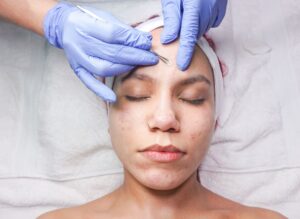
The best micellar waters for acne-prone skin are those formulated without oils, fragrances, or comedogenic ingredients, with standout options historically including Bioderma Sensibio H2O, La Roche-Posay Effaclar Micellar Water, and Garnier SkinActive Micellar Cleansing Water (the pink cap version for sensitive skin). These products work because micellar technology uses tiny oil molecules called micelles suspended in soft water, which attract dirt, makeup, and sebum without requiring harsh rubbing or stripping the skin’s protective barrier. For someone dealing with hormonal acne along the jawline, for instance, switching from a foaming cleanser to a gentle micellar water as a first cleanse has historically helped reduce the inflammation caused by over-cleansing.
However, not all micellar waters are created equal for acne-prone skin. Some formulations include added oils or moisturizing agents designed for dry skin types, which can leave a residue that clogs pores over time. The key distinction lies in checking ingredient lists for terms like “oil-free” and avoiding products that contain coconut derivatives, certain silicones, or heavy emollients. This article will cover how to identify truly acne-safe micellar waters, compare popular options across different price points, explain proper application techniques, and address common mistakes that can undermine the benefits of this otherwise gentle cleansing method.
Table of Contents
- Why Do Acne-Prone Skin Types Need Specialized Micellar Water?
- Understanding Micellar Technology and How It Affects Breakout-Prone Complexions
- Key Ingredients to Seek and Avoid in Micellar Formulas
- Common Mistakes That Undermine Micellar Water’s Benefits for Acne
- Budget Versus Premium Micellar Waters: Does Price Matter?
- The Future of Micellar Cleansing for Acne-Prone Skin
- Conclusion
Why Do Acne-Prone Skin Types Need Specialized Micellar Water?
Acne-prone skin operates under different rules than normal or dry skin types. The sebaceous glands are often overactive, producing excess sebum that mixes with dead skin cells to clog pores. When you add a cleanser that leaves any residue behind, even if that residue comes from supposedly “nourishing” ingredients, you’re essentially feeding the conditions that lead to comedones and inflammatory breakouts. Standard micellar waters marketed for dry or mature skin often contain added glycerin, oils, or emollients that feel luxurious but can accumulate in pores over several uses.
The comparison is straightforward: a micellar water designed for dry skin might list ingredients like sweet almond oil, coconut-derived surfactants, or heavy humectants near the top of its formula. A micellar water suitable for acne-prone skin will typically feature a much simpler ingredient list, with purified water, gentle surfactants like PEG-6 caprylic/capric glycerides, and minimal additives. Bioderma’s Sensibio H2O, for example, became something of a cult favorite among acne sufferers precisely because its formula is remarkably bare-bones, containing no fragrance, no alcohol, and no oils. One important caveat: even the gentlest micellar water is not a replacement for actual cleansing if you wear heavy makeup, sunscreen, or live in a polluted urban environment. Micellar water excels as a first cleanse or a standalone option for light cleansing days, but relying on it exclusively when your skin is genuinely dirty can leave behind microscopic particles that contribute to congestion over time.
- —

Understanding Micellar Technology and How It Affects Breakout-Prone Complexions
Micelles are spherical structures formed when surfactant molecules arrange themselves in water. The hydrophilic (water-loving) heads face outward while the lipophilic (oil-loving) tails cluster in the center. When you swipe a cotton pad soaked in micellar water across your skin, these micelles act like tiny magnets, drawing oil-based impurities into their cores and lifting them away from the skin’s surface. This mechanism is inherently gentler than traditional surfactant-based cleansers, which work by breaking down oils through a more aggressive chemical process. For acne-prone skin, this gentleness matters because inflammation is often the underlying driver of persistent breakouts. every time you irritate your skin through harsh cleansing, aggressive scrubbing, or stripping away too much of its natural moisture, you trigger a repair response that can actually increase sebum production.
It becomes a frustrating cycle: you try to clean your skin more aggressively to combat oiliness, but the aggression itself makes the oiliness worse. Micellar water, when used correctly, sidesteps this problem entirely. However, if you have severe inflammatory acne or cystic breakouts, micellar water alone will not address the underlying issues. It’s a cleansing tool, not a treatment. People with serious acne conditions should work with a dermatologist on targeted treatments like retinoids, benzoyl peroxide, or prescription medications, using micellar water simply as one component of a comprehensive routine. Expecting it to clear active acne is unrealistic and will only lead to disappointment.
- —
Key Ingredients to Seek and Avoid in Micellar Formulas
The ingredient list tells you almost everything you need to know about whether a micellar water will work for acne-prone skin. Ingredients to seek include purified water as the first listing, gentle surfactants like poloxamer 184 or hexylene glycol, and soothing additives like niacinamide or zinc. La Roche-Posay’s Effaclar Micellar Water, for instance, includes zinc pidolate specifically because of its ability to help regulate sebum production, making it a more targeted choice for oily, acne-prone complexions. Ingredients to avoid include any form of coconut oil or coconut-derived fatty acids (often listed as cocamidopropyl betaine in high concentrations), isopropyl myristate, isopropyl palmitate, and certain silicones like dimethicone that can create an occlusive film. Fragrance, whether synthetic or natural, is another red flag because it serves no functional purpose and introduces potential irritants. Even “natural” essential oils can trigger reactions in sensitive, acne-prone skin. The tricky part is that some potentially problematic ingredients appear in low concentrations where they may not cause issues. A product listing coconut-derived surfactants near the end of a long ingredient list is different from one listing them third. This is where patch testing becomes valuable. Try a new micellar water on a small area of your face, ideally along your jawline or another breakout-prone zone, for at least a week before committing to it as a staple product.
## How to Properly Use Micellar Water Without Clogging Pores The application technique matters as much as the product itself. The most common mistake is using too little product on a cotton pad, which leads to dragging and friction against the skin. You want the pad thoroughly saturated so it glides across your face without any tugging. Press the soaked pad against your skin for a few seconds before swiping, which allows the micelles time to bond with the oils and impurities you’re trying to remove. A second common mistake is skipping a follow-up rinse. While many micellar waters are marketed as “no-rinse,” this claim is more about convenience than optimal skincare. The surfactants in micellar water, however gentle, can still leave a residue that some people find irritating over time. For acne-prone skin especially, a quick rinse with plain water after using micellar water ensures nothing is left behind to potentially interact with your treatment products or clog pores overnight. The tradeoff here is convenience versus thoroughness. If you’re using micellar water as a quick morning refresh or a lazy-night option when you truly cannot do a full cleanse, skipping the rinse is unlikely to cause immediate problems. But as a regular habit, especially if you’re using active treatments like retinoids or acids that can interact unpredictably with residual surfactants, rinsing is the safer choice.
- —
- —

Common Mistakes That Undermine Micellar Water’s Benefits for Acne
Beyond technique, several broader mistakes can turn micellar water from a helpful tool into a contributing factor in breakouts. The first is reusing cotton pads or using low-quality pads that shed fibers. Those tiny fibers can get trapped in pores, especially if you’re not rinsing afterward. Invest in decent quality, lint-free cotton rounds. It’s a small expense that makes a meaningful difference. The second mistake is storing micellar water improperly or using it past its expiration.
Once opened, these products have a limited shelf life, typically around twelve months, though this can vary by formulation. The preservative systems in micellar water are designed for gentle formulas, which means they’re not as robust as those in more chemically complex products. Using expired micellar water introduces the risk of bacterial contamination directly to your face. A warning worth emphasizing: some people develop what appears to be an allergic reaction to micellar water over time, even after using a product successfully for months. This phenomenon, sometimes called contact sensitization, occurs because repeated exposure to even mild surfactants can eventually trigger an immune response in certain individuals. If you notice new redness, itching, or small bumps that don’t resemble your typical acne, consider whether your micellar water might be the culprit and try eliminating it temporarily.
- —
Budget Versus Premium Micellar Waters: Does Price Matter?
The good news for budget-conscious consumers is that micellar water is one skincare category where price often does not correlate with quality, at least for acne-prone skin needs. Garnier’s SkinActive Micellar Cleansing Water, typically available at drugstore prices, performs comparably in cleansing efficacy to options costing three or four times as much. The formula is simple, fragrance-free in certain versions, and widely available.
That said, some premium options do offer legitimate added value through targeted ingredients. Products containing salicylic acid, like certain versions from brands targeting acne specifically, combine cleansing with very mild exfoliation. Whether that’s worth the extra cost depends on your specific routine. If you’re already using separate exfoliating treatments, adding another source of exfoliation through your micellar water may be unnecessary or even counterproductive.
- —

The Future of Micellar Cleansing for Acne-Prone Skin
Formulation trends as of recent reports suggest increasing interest in micellar waters that incorporate active ingredients traditionally found in treatment products. Niacinamide-infused micellar waters, probiotic formulations, and even low-concentration retinol micellar cleansers have begun appearing from various brands.
For acne-prone skin, this convergence of cleansing and treatment could simplify routines, though it also introduces new questions about stability and efficacy that need more independent research. The fundamental appeal of micellar water, its simplicity and gentleness, remains its greatest strength for sensitive, acne-prone complexions. As long as consumers remain vigilant about ingredient lists and resist marketing claims that promise miracle results, micellar water will continue to serve as a reliable first step in any acne-management routine.
- —
Conclusion
Choosing the right micellar water for acne-prone skin comes down to reading ingredient lists carefully, avoiding formulas with added oils or heavy moisturizers, and using proper application technique. Products like Bioderma Sensibio H2O, La Roche-Posay Effaclar Micellar Water, and the fragrance-free version of Garnier SkinActive have historically earned strong reputations in the acne-prone community precisely because they stick to simple, non-comedogenic formulations. Remember that micellar water is a cleansing tool, not a treatment.
It works best as part of a broader routine that addresses acne through targeted active ingredients, and it cannot replace medical advice for persistent or severe breakouts. Start with a patch test when trying any new product, pay attention to how your skin responds over several weeks, and don’t hesitate to rinse after use if you find any residue contributes to congestion. With the right product and technique, micellar water can become a gentle, effective foundation for managing acne-prone skin.