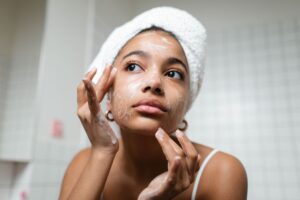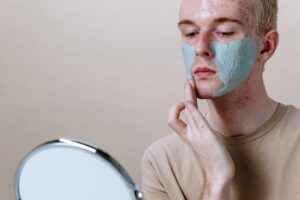
Wearing makeup every day does not inherently cause acne, but it can contribute to breakouts under certain circumstances. The relationship between daily makeup use and acne depends on several factors: the specific products you choose, how thoroughly you remove them, the condition of your skin, and your overall skincare routine. Someone using lightweight, non-comedogenic foundation and removing it completely each night may never experience makeup-related breakouts, while another person using heavy, pore-clogging formulas or sleeping in their makeup could develop persistent acne within weeks. The real culprit is rarely makeup itself but rather what dermatologists call “acne cosmetica”””acne specifically triggered by cosmetic products that contain comedogenic (pore-clogging) ingredients or that aren’t properly removed.
For example, a woman who switched from a drugstore foundation containing coconut oil derivatives to a mineral-based formula saw her chin breakouts clear within a month, despite continuing to wear makeup daily. This illustrates that the issue isn’t frequency of use but product selection and removal habits. This article explores the specific ways makeup can contribute to acne, which ingredients to avoid, how to identify if your products are causing breakouts, and practical strategies for wearing makeup daily without compromising your skin health. We’ll also examine when makeup might actually be protecting your skin and discuss the signs that indicate you should give your skin a break.
Table of Contents
- Can Daily Makeup Use Actually Clog Your Pores and Cause Breakouts?
- Which Makeup Ingredients Are Most Likely to Trigger Acne?
- How Poor Makeup Removal Habits Accelerate Acne Development
- Identifying Whether Your Current Makeup Is Causing Your Breakouts
- When Makeup Might Actually Help Rather Than Harm Your Skin
- The Role of Makeup Tools and Application Methods in Acne
- Building a Makeup Routine That Supports Clear Skin
- Looking Ahead: The Evolution of Skin-Friendly Cosmetics
- Conclusion
Can Daily Makeup Use Actually Clog Your Pores and Cause Breakouts?
Yes, certain makeup products can clog pores and lead to breakouts, but the mechanism is more nuanced than simply “makeup equals acne.” Pores become clogged when sebum (your skin’s natural oil), dead skin cells, and external substances combine to form plugs within the hair follicle. Some makeup ingredients sit heavily on the skin’s surface, trapping this debris underneath and creating an environment where bacteria can thrive. Liquid foundations, cream blushes, and silicone-based primers are more likely to contribute to this process than powder-based products, which tend to absorb oil rather than trap it. However, many modern cosmetic formulations are specifically designed to avoid this problem. Products labeled “non-comedogenic” have been tested to ensure they don’t block pores, though it’s worth noting that this term isn’t regulated by the FDA, so quality varies by manufacturer.
Oil-free formulas, mineral makeups, and water-based products generally pose less risk. The comparison is significant: a heavy, full-coverage cream foundation with comedogenic ingredients applied daily will almost certainly cause more problems than a sheer, mineral-based tint worn just as frequently. The time makeup spends on your skin also matters considerably. Wearing makeup for eight hours during a workday is different from wearing it for sixteen hours that include a sweaty gym session and a late night out. Extended wear allows more time for products to mix with your skin’s oils and for bacteria to multiply. One limitation to understand: even non-comedogenic products can cause issues if you’re layering multiple products, as the combination may behave differently than individual items tested alone.
Which Makeup Ingredients Are Most Likely to Trigger Acne?
Certain ingredients have well-documented histories of causing or worsening acne, and learning to identify them on product labels can help you make safer choices. Comedogenic oils rank among the worst offenders””coconut oil, cocoa butter, and wheat germ oil score high on comedogenicity scales and appear in many cosmetic products despite their pore-clogging potential. Isopropyl myristate, a common emollient that creates that silky, spreadable texture in foundations and moisturizers, is another notorious trigger. Lanolin, derived from sheep’s wool and prized for its moisturizing properties, causes problems for many acne-prone individuals. Fragrances and dyes deserve particular attention, even though they don’t directly clog pores. These additives can cause inflammation and irritation that disrupts the skin barrier, making acne worse through a different pathway.
Artificial colors listed as D&C Red or FD&C Yellow, for instance, have been associated with skin irritation in sensitive individuals. Alcohol-based products present a tricky situation: while they can initially make oily skin feel cleaner, they often trigger rebound oil production that ultimately worsens acne. However, if you have dry or combination skin rather than oily skin, some ingredients considered comedogenic might not affect you the same way. Comedogenicity ratings were largely developed using rabbit ear models, which don’t perfectly predict human skin responses. Someone with dry cheeks but an oily T-zone might tolerate a richer product on their cheeks while needing oil-free formulas only in their central face. This individual variation means that ingredient lists provide guidance but not absolute rules””personal testing remains important.
How Poor Makeup Removal Habits Accelerate Acne Development
Failing to remove makeup thoroughly ranks as one of the most significant yet overlooked causes of cosmetic-related acne. When makeup remains on the skin overnight, it continues mixing with sebum and traps dead skin cells against the surface. This creates an occlusive layer that prevents the skin’s natural renewal process from occurring properly. Dermatologists frequently report that patients who sleep in their makeup even occasionally””perhaps once or twice per week””experience more persistent breakouts than those who never skip removal, regardless of product quality. The method of removal matters as much as consistency. Makeup wipes, while convenient, often leave behind residue that can contribute to clogged pores.
A more effective approach involves double cleansing: first using an oil-based cleanser or micellar water to dissolve makeup, followed by a water-based cleanser to remove any remaining traces and clean the skin itself. Consider the example of waterproof mascara and long-wear foundations””these formulas are designed to resist removal and require extra effort to eliminate completely. Simply splashing water on your face won’t cut it. A specific warning applies to those who exercise while wearing makeup. The combination of sweat, increased sebum production, and makeup creates an ideal environment for acne development. If you work out with a full face of makeup, even thorough post-exercise cleansing may not prevent breakouts because the damage occurs during the activity itself. Whenever possible, remove makeup before exercising and apply it afterward if needed.

Identifying Whether Your Current Makeup Is Causing Your Breakouts
Determining whether makeup is responsible for your acne requires a systematic approach, since breakouts can stem from numerous causes including hormones, diet, stress, and other skincare products. The location of your acne provides the first clue: makeup-related breakouts typically appear where you apply the most product””the forehead, cheeks, chin, and jawline. If you’re experiencing breakouts primarily on your scalp or back where you don’t apply cosmetics, makeup probably isn’t your main issue. The elimination method remains the gold standard for identification. Try going completely makeup-free for two to four weeks while maintaining your other skincare habits consistently. If your skin improves significantly, makeup is likely a contributing factor.
You can then reintroduce products one at a time, waiting at least a week between additions to identify specific triggers. For instance, you might discover that your foundation causes no problems but your concealer does, or that layering primer under foundation creates issues that neither product causes alone. Pay attention to timing as well. Acne cosmetica typically develops gradually over weeks or months rather than appearing overnight. If you started using a new product and noticed breakouts within a day or two, you’re more likely experiencing an allergic reaction or irritation than true comedogenic acne. True product-induced acne also tends to present as small, uniform bumps rather than the larger, more inflamed cystic lesions associated with hormonal acne.
When Makeup Might Actually Help Rather Than Harm Your Skin
Counter to popular assumptions, certain makeup products can provide protective benefits for acne-prone skin when chosen carefully. Mineral foundations containing zinc oxide and titanium dioxide offer natural sun protection and anti-inflammatory properties. Zinc, in particular, has documented antimicrobial effects and has been used therapeutically for acne treatment. Some dermatologists actually recommend mineral makeup for patients with acne because it provides coverage without many of the problematic ingredients found in traditional cosmetics. Modern medicated cosmetics blur the line between makeup and treatment.
Products containing salicylic acid, niacinamide, or benzoyl peroxide allow you to treat acne while wearing coverage over it. These formulations represent a significant advancement for people who previously had to choose between treating their skin and covering blemishes. The tradeoff involves texture and coverage””medicated cosmetics often don’t perform quite as well as pure aesthetic products, and they typically cost more than standard options. A limitation worth noting: even beneficial products require proper removal and shouldn’t replace dedicated skincare treatments for moderate to severe acne. Think of skin-friendly makeup as a complement to good skincare, not a replacement for it. Someone with mild acne might manage well with only a mineral foundation and proper cleansing, but someone with more significant acne needs targeted treatments regardless of their makeup choices.
The Role of Makeup Tools and Application Methods in Acne
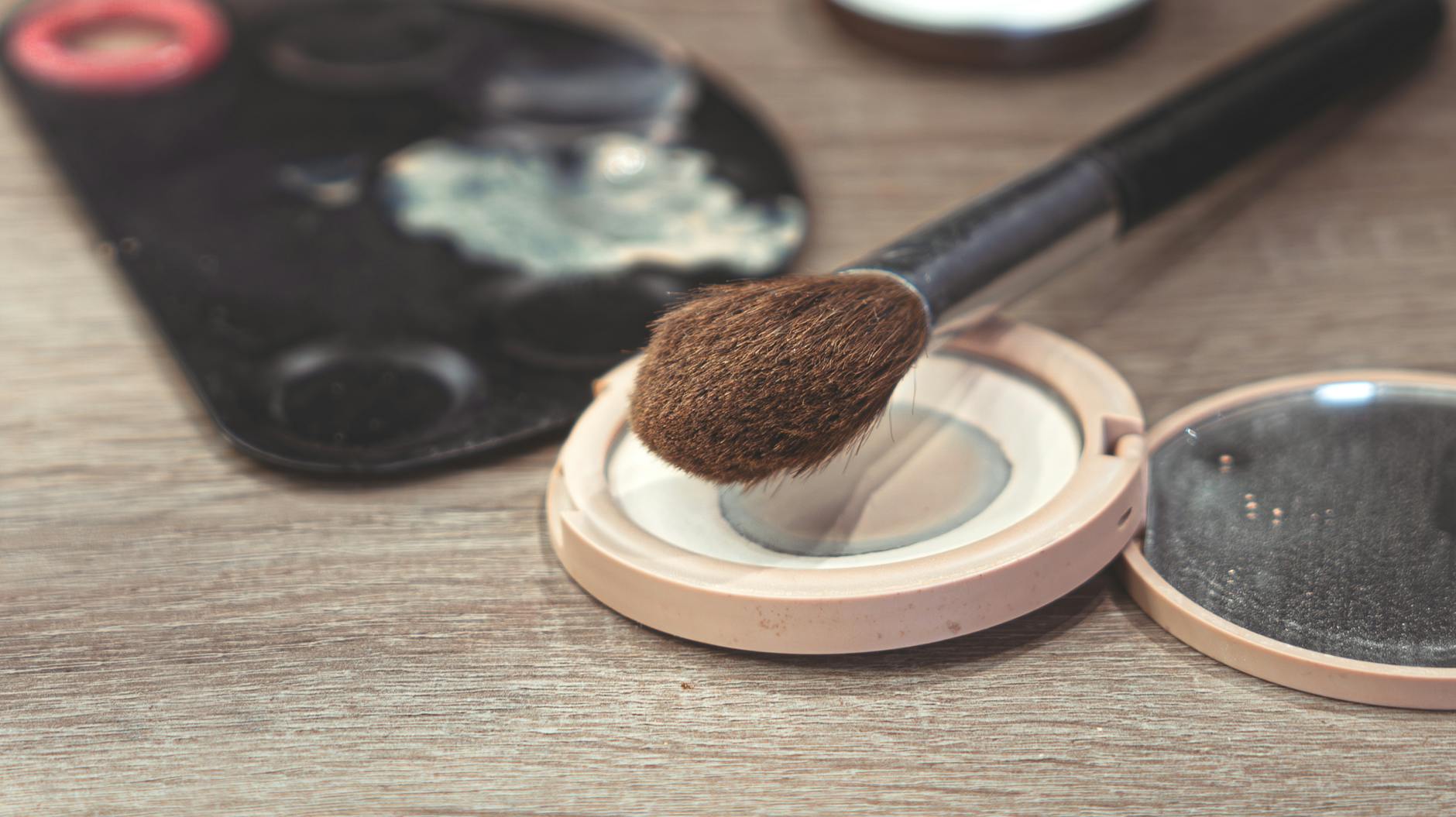
Your makeup brushes, sponges, and applicators can harbor bacteria, oil, and old product that transfer to your skin with each use. Studies have found significant bacterial contamination on used cosmetic applicators, including acne-causing bacteria like Propionibacterium acnes (now called Cutibacterium acnes). A makeup sponge that stays damp between uses provides an ideal breeding ground for microorganisms. Even your fingers, if you apply foundation by hand, introduce bacteria from everything you’ve touched throughout the day. Regular cleaning of makeup tools dramatically reduces this risk.
Brushes should be washed at least weekly with a gentle cleanser or dedicated brush shampoo, while beauty sponges ideally should be cleaned after every use and replaced entirely every few months. For example, professional makeup artists working on clients with varying skin conditions sanitize their tools between each application””a practice that home users would benefit from adopting. Disposable applicators offer another solution for high-risk products like concealer applied directly over blemishes. The warning here involves shared makeup, which dermatologists universally advise against. Borrowing a friend’s lipstick or using tester products at cosmetic counters exposes your skin to bacteria and potential pathogens that have accumulated from other users. What seems like a minor convenience can introduce entirely new bacterial strains to your skin’s microbiome.
Building a Makeup Routine That Supports Clear Skin
Creating a daily makeup routine compatible with acne-prone skin requires balancing coverage desires with skin health priorities. Start with a clean, well-moisturized base””even oily, acne-prone skin benefits from lightweight hydration, as dehydrated skin can actually produce more oil to compensate. Apply any acne treatments first and allow them to absorb fully, usually five to ten minutes, before layering makeup on top. Skipping this waiting period can cause pilling and reduce both the treatment’s effectiveness and your makeup’s appearance. Choose the minimum coverage necessary rather than automatically reaching for full-coverage products.
Spot concealing blemishes while using a lighter coverage foundation elsewhere reduces the total amount of product on your skin and allows clearer areas to breathe. Many people discover they need less coverage than they think once they become accustomed to a more natural look. Setting powders help control oil and extend wear without requiring heavier foundation application. Consider strategic makeup-free periods as part of your routine. Many dermatologists recommend at least one or two makeup-free days per week to give skin a break, particularly if you wear makeup heavily the rest of the time. Weekends or work-from-home days offer natural opportunities for this practice.
Looking Ahead: The Evolution of Skin-Friendly Cosmetics
The cosmetics industry continues developing formulations specifically designed for sensitive and acne-prone skin, driven by consumer demand for products that don’t force a choice between appearance and skin health. Probiotic and prebiotic cosmetics represent one emerging category, aiming to support rather than disrupt the skin’s microbiome. Research into skin-compatible ingredients continues, with newer silicone alternatives and plant-derived emollients offering potential improvements over traditionally problematic ingredients.
As of recent years, “clean beauty” movements have pushed brands toward greater ingredient transparency, making it easier for consumers to identify and avoid known comedogenic ingredients. While regulatory standards for terms like “non-comedogenic” remain inconsistent, increased scrutiny from informed consumers creates market pressure for genuinely skin-friendly formulations. The trend toward customizable cosmetics””where individuals can adjust formulas based on their specific skin concerns””may eventually allow truly personalized products that minimize acne risk for each user.
Conclusion
Daily makeup use doesn’t automatically cause acne, but it can contribute to breakouts when products contain comedogenic ingredients, removal is inadequate, or application tools harbor bacteria. The key factors determining whether your makeup routine harms your skin include the specific formulations you choose, how diligently you cleanse at the end of each day, and how well you maintain your brushes and sponges. By selecting non-comedogenic products, double cleansing every evening, and regularly sanitizing your tools, most people can wear makeup daily without experiencing cosmetic-related acne.
If you’re currently experiencing breakouts and suspect makeup may be involved, consider conducting an elimination test by going bare-faced for several weeks to establish a baseline. Reintroduce products systematically to identify specific triggers, and don’t overlook the role of primers, setting sprays, and other auxiliary products that contact your skin. For persistent acne that doesn’t respond to changes in cosmetic habits, consult a dermatologist””your breakouts may have other underlying causes that require targeted treatment beyond cosmetic adjustments.