

Drinking green tea can help reduce acne severity, though it works best as a supporting player rather than a standalone treatment. Research shows that green tea’s primary active compounds””catechins, particularly epigallocatechin gallate (EGCG)””possess anti-inflammatory and antioxidant properties that can lower sebum production and reduce the bacterial load associated with breakouts. A 2016 study published in the journal *Complementary Therapies in Medicine* found that participants who consumed green tea extract for four weeks experienced a measurable reduction in acne lesions compared to a control group. However, the effects are modest, and most dermatologists view green tea consumption as a complement to proven topical treatments rather than a replacement.
The caveat is that drinking green tea won’t produce overnight results or clear severe cystic acne on its own. Someone with mild hormonal breakouts might notice smoother skin after several weeks of consistent consumption, while another person with inflammatory acne may see little difference without additional interventions. The benefits are real but tempered by individual factors like genetics, diet, and the underlying cause of acne. This article examines the science behind green tea’s effects on skin, explores how much you’d need to drink, compares oral consumption to topical application, addresses potential downsides, and offers practical guidance on incorporating green tea into an acne management routine.
Table of Contents
- How Does Green Tea Affect Acne at the Cellular Level?
- The Antioxidant Connection: Why It Matters for Skin Health
- How Much Green Tea Do You Need to Drink for Skin Benefits?
- Drinking Green Tea vs. Applying It Topically: Which Works Better for Acne?
- Potential Side Effects and Who Should Be Cautious
- The Role of Green Tea in a Comprehensive Acne Treatment Plan
- What the Research Still Needs to Clarify
- Conclusion
How Does Green Tea Affect Acne at the Cellular Level?
Green tea’s acne-fighting reputation stems primarily from EGCG, a catechin that constitutes about 50-80% of the tea’s total catechin content. EGCG inhibits the enzyme 5-alpha reductase, which converts testosterone into dihydrotestosterone (DHT)””a hormone directly linked to increased sebum production. When sebum production decreases, pores are less likely to become clogged, and the environment for *Propionibacterium acnes* bacteria becomes less hospitable. Beyond hormonal modulation, green tea compounds demonstrate direct antibacterial activity.
Laboratory studies have shown that EGCG can damage bacterial cell membranes and interfere with the bacteria’s ability to form biofilms on skin. This is particularly relevant because acne isn’t just about excess oil; it’s about the inflammatory response triggered when bacteria colonize clogged pores. The anti-inflammatory effects work through multiple pathways, including the suppression of NF-κB, a protein complex that regulates immune response and inflammation. For comparison, this is a similar mechanism targeted by some prescription acne medications. However, the concentration of EGCG that reaches skin tissue through oral consumption is significantly lower than what’s applied directly in topical formulations, which explains why drinking tea produces subtler results than applying green tea extract to the face.
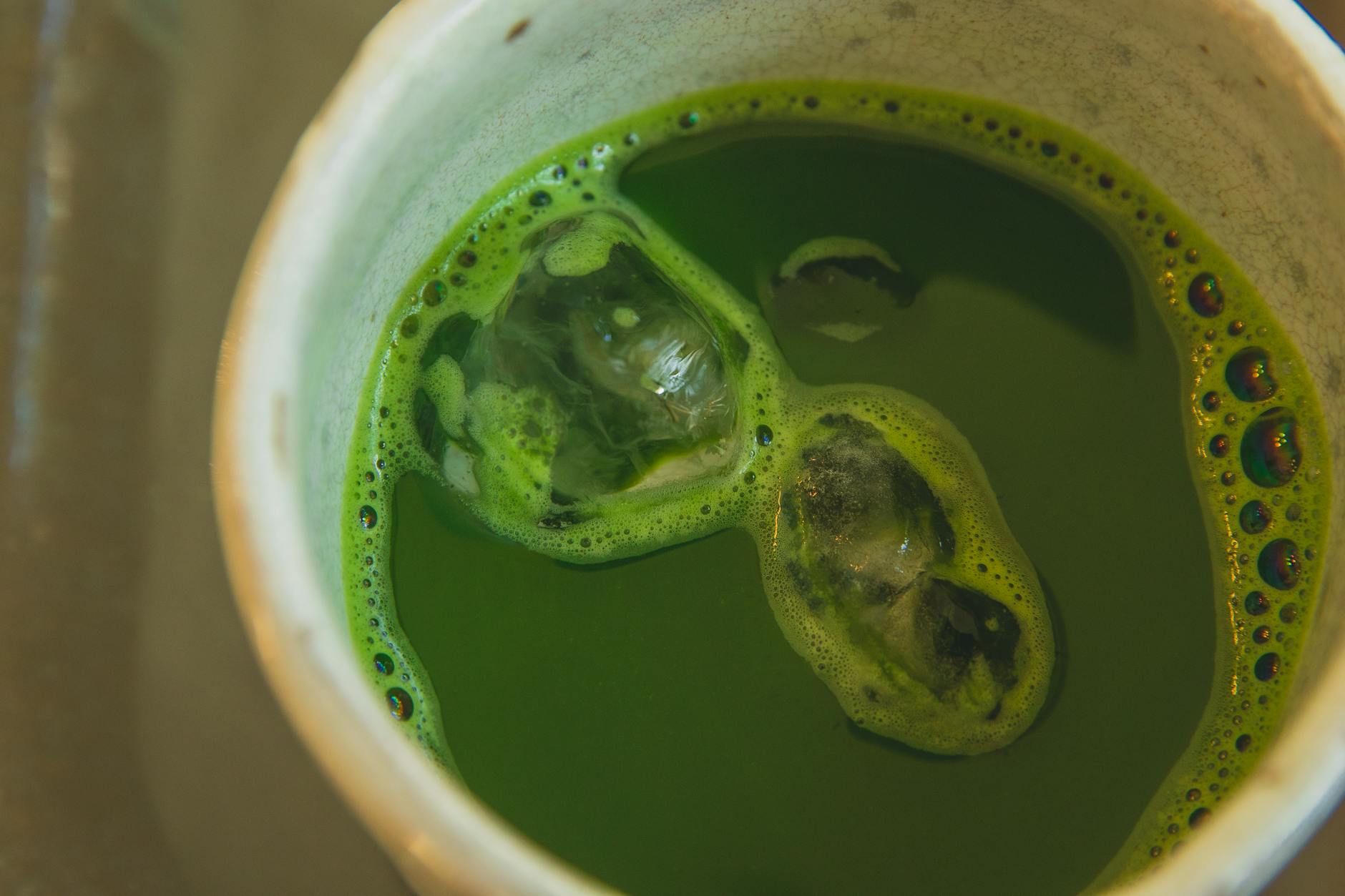
The Antioxidant Connection: Why It Matters for Skin Health
Oxidative stress plays an underappreciated role in acne development. When sebum oxidizes””essentially going rancid from exposure to air and UV light””it becomes more comedogenic and irritating to pore linings. Green tea’s antioxidants help neutralize free radicals before they can trigger this oxidation cascade, theoretically keeping sebum less inflammatory. A 2017 study in the *Journal of Investigative Dermatology* demonstrated that oxidized squalene, a component of sebum, is significantly more likely to cause comedones than fresh squalene.
This finding suggests that antioxidant intake may matter as much as total sebum production for some individuals. Someone who spends considerable time outdoors without adequate sun protection might benefit more from green tea’s antioxidant effects than someone with minimal UV exposure. However, if your acne is primarily driven by hormonal fluctuations, food sensitivities, or medication side effects, antioxidant consumption will have limited impact on breakout frequency. The oxidative stress pathway is one piece of a complex puzzle, and addressing it while ignoring hormonal triggers would be like mopping the floor while the sink overflows.
How Much Green Tea Do You Need to Drink for Skin Benefits?
Most studies showing positive effects on skin used green tea extract standardized to specific EGCG concentrations, making direct translation to cups of tea somewhat imprecise. Generally, research suggests that 3-5 cups of brewed green tea daily provides enough catechins to produce measurable antioxidant and anti-inflammatory effects systemically. This equates to roughly 240-400 mg of catechins, depending on brewing strength and tea quality. Brewing technique matters more than most people realize. Water that’s too hot (above 185°F/85°C) can degrade catechins, while steeping for less than two minutes extracts only a fraction of the available compounds.
A practical example: someone brewing Lipton green tea bags in boiling water for 30 seconds is getting far less EGCG than someone steeping loose-leaf sencha in 175°F water for three minutes. The tradeoff with higher consumption is caffeine intake. Five cups of green tea contain approximately 150-200 mg of caffeine””less than two cups of coffee but enough to cause jitteriness, sleep disruption, or anxiety in sensitive individuals. Decaffeinated green tea retains most catechins, though some are lost in the decaffeination process. For those who react poorly to caffeine, decaf versions or caffeine-free supplements standardized for EGCG content offer alternatives.

Drinking Green Tea vs. Applying It Topically: Which Works Better for Acne?
Topical green tea formulations generally outperform oral consumption for direct acne treatment. When you apply a 2-3% EGCG serum to your face, the concentration reaching your sebaceous glands and skin bacteria is orders of magnitude higher than what circulates in your bloodstream after drinking tea. A randomized controlled trial comparing 2% green tea lotion to a placebo found a 58% reduction in total lesion count after eight weeks in the treatment group. That said, oral and topical approaches target different aspects of acne. Drinking green tea provides systemic anti-inflammatory effects that may reduce overall skin sensitivity and support the body’s antioxidant defenses.
Topical application delivers concentrated active ingredients directly to problem areas. These mechanisms aren’t mutually exclusive””combining both approaches is reasonable for someone committed to a green tea-based strategy. The limitation of topical green tea is formulation stability. EGCG degrades quickly when exposed to light and air, meaning that the fancy green tea face cream sitting on store shelves for months may have lost much of its potency. Products in opaque, airless pump containers maintain efficacy better than those in jars. If you’re investing in topical green tea products, checking for third-party testing or choosing brands that address stability is worth the effort.
Potential Side Effects and Who Should Be Cautious
While green tea is generally safe for most people, high intake can cause problems for specific populations. The tannins in green tea can interfere with iron absorption, which is particularly relevant for vegetarians, vegans, or anyone with iron-deficiency anemia. Drinking tea between meals rather than with food mitigates this effect, but those with marginal iron status should monitor their levels. Caffeine sensitivity represents another concern. Beyond the obvious issues of insomnia and anxiety, caffeine can trigger cortisol spikes in some individuals, potentially worsening hormonal acne.
Someone who notices breakouts after stressful periods might find that adding several cups of green tea daily backfires despite the theoretical benefits. Paying attention to your body’s response during the first few weeks of increased consumption provides useful data. Green tea extract supplements require additional caution. Case reports have linked high-dose green tea extract to liver toxicity, particularly when taken on an empty stomach. The European Food Safety Authority concluded that EGCG intake above 800 mg daily from supplements may pose liver risks, though this threshold is difficult to reach through brewed tea alone. Pregnant or breastfeeding women should consult healthcare providers before significantly increasing green tea consumption.
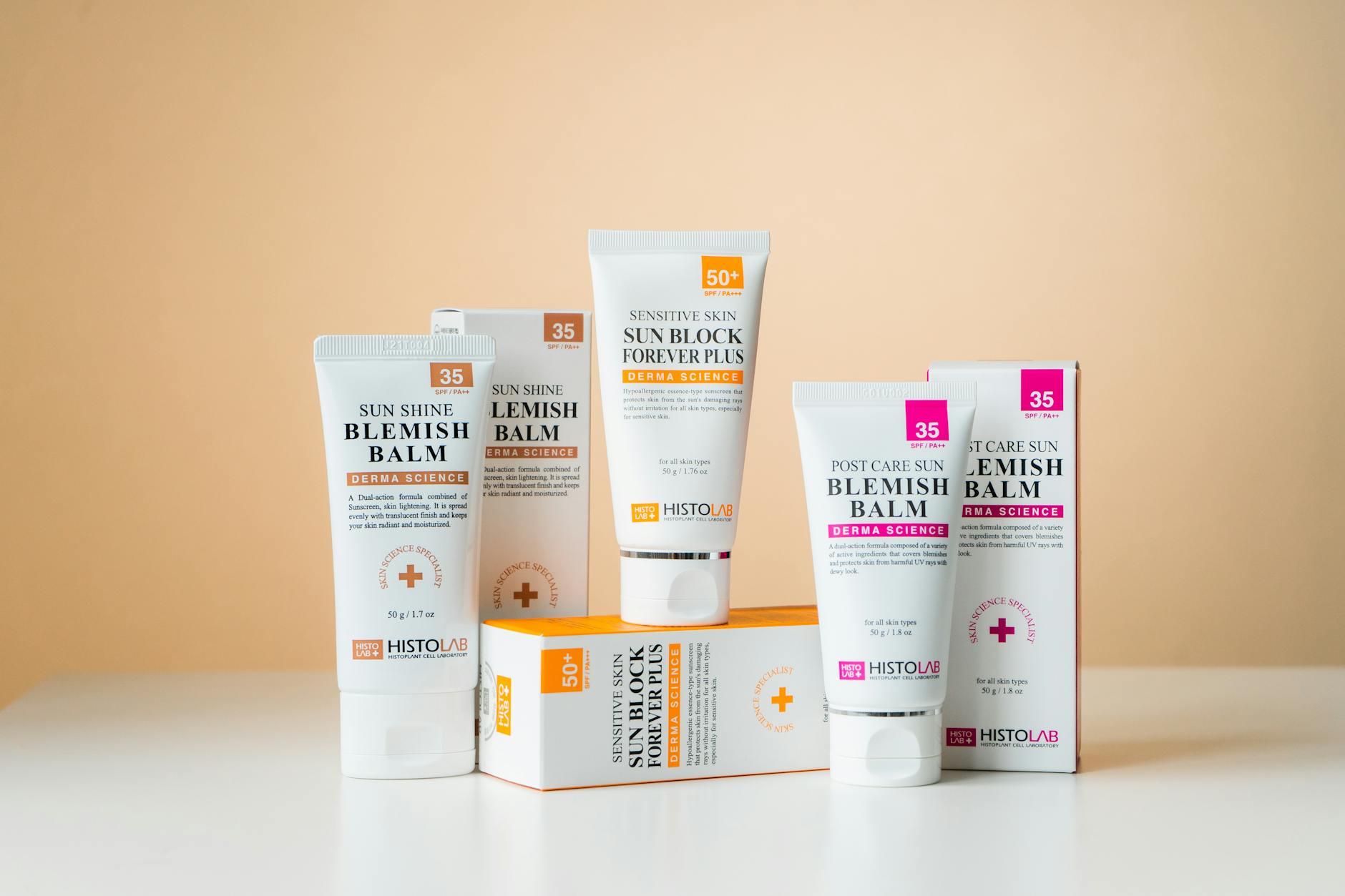
The Role of Green Tea in a Comprehensive Acne Treatment Plan
Green tea works best when integrated into a broader approach rather than relied upon exclusively. A practical example: someone with moderate inflammatory acne might use a benzoyl peroxide wash in the morning, a topical retinoid at night, drink three cups of green tea daily, and avoid high-glycemic foods. The green tea contributes to the overall anti-inflammatory environment without carrying the therapeutic load alone.
Comparing green tea to other dietary interventions reveals its moderate position. Eliminating dairy or reducing refined sugar shows stronger associations with acne improvement in some studies, while individual supplements like zinc or omega-3 fatty acids have more robust clinical trial support. Green tea is unlikely to produce dramatic transformations, but it also carries minimal risk and offers additional health benefits beyond skin.
What the Research Still Needs to Clarify
Despite decades of green tea research, significant gaps remain in our understanding of its effects on acne specifically. Most studies have been small, short-term, or conducted using extract supplements rather than brewed tea. The optimal dosage, duration needed for visible results, and which acne subtypes respond best remain open questions.
Emerging research is exploring whether green tea catechins can enhance the effects of conventional acne treatments. Early data suggests possible synergies with topical antibiotics, potentially allowing for lower antibiotic concentrations and reduced resistance development. If these findings are confirmed in larger trials, green tea could eventually earn a more defined role in treatment protocols.
Conclusion
Green tea offers genuine but modest benefits for acne-prone skin. Its catechins reduce sebum production, fight acne-causing bacteria, and provide anti-inflammatory and antioxidant effects that support overall skin health. The evidence is strong enough to justify adding a few cups daily to your routine, especially if you enjoy the taste and tolerate caffeine well.
The practical approach is to view green tea as one component of a multi-pronged strategy rather than a cure-all. Pair it with proven topical treatments, address any dietary triggers, manage stress, and give it several weeks to show effects. If drinking green tea becomes another healthy habit that slightly tips the balance toward clearer skin, that’s a reasonable win””even if it won’t replace your dermatologist’s recommendations.