
Preventing post inflammatory hyperpigmentation from acne requires a three-pronged approach: treating active breakouts as quickly and gently as possible, protecting skin from sun exposure during the healing process, and resisting the urge to pick or squeeze blemishes. The dark marks left behind by acne occur when inflammation triggers excess melanin production in the skin, so the most effective prevention strategy focuses on minimizing that inflammatory response in the first place. Someone who treats a new pimple with a targeted spot treatment on day one, applies sunscreen daily, and keeps their hands off the affected area will typically see significantly less hyperpigmentation than someone who lets the same breakout run its course untreated while spending time outdoors unprotected. Beyond these foundational steps, there are additional measures that can further reduce your risk of developing those stubborn dark spots.
The right skincare ingredients, proper wound healing support, and understanding your individual skin type all play important roles. For instance, a person with darker skin tones faces a higher risk of noticeable PIH and may need to be even more vigilant about sun protection and gentle treatment approaches. This article covers why hyperpigmentation occurs in the first place, which active ingredients help prevent it, how to modify your routine based on skin tone, and what to do when prevention measures fall short. The good news is that most post inflammatory hyperpigmentation is not permanent and can fade on its own over time, though this process can take anywhere from a few months to a couple of years without intervention. Understanding the mechanisms behind PIH gives you a meaningful advantage in preventing those marks from forming and treating them if they do appear.
Table of Contents
- What Causes Hyperpigmentation After Acne Breakouts?
- Best Ingredients for Preventing Dark Spots From Acne
- Why Sun Protection Is Critical During Acne Healing
- How Skin Tone Affects Your Risk of Post Inflammatory Hyperpigmentation
- The Connection Between Picking and Permanent Dark Marks
- How Retinoids Help Prevent Acne Scarring and Hyperpigmentation
- When Prevention Fails: Early Treatment Options
- Conclusion
What Causes Hyperpigmentation After Acne Breakouts?
Post inflammatory hyperpigmentation occurs as a direct result of the skin’s wound healing response. When acne creates inflammation beneath the skin’s surface, the immune system rushes to repair the damage, and one byproduct of this process is the overproduction of melanin by cells called melanocytes. This excess pigment gets deposited in the epidermis or dermis, leaving behind a flat, discolored mark that can range from pink or red on lighter skin to brown, dark brown, or even grayish on deeper skin tones. The severity of PIH typically correlates with the intensity and duration of the original inflammation. A small whitehead that resolves in two days rarely leaves any trace, while a deep, painful cystic lesion that lingers for weeks is far more likely to deposit noticeable pigment.
This explains why inflammatory acne types like pustules, papules, nodules, and cysts carry higher PIH risk compared to non-inflammatory comedones like blackheads and whiteheads. The comparison is significant: someone with primarily comedonal acne may never deal with hyperpigmentation at all, while someone with cystic acne might find PIH to be their most persistent skin concern even after the active breakouts stop. Several factors amplify the risk. Picking at acne, UV exposure during the healing phase, and delayed treatment all extend the inflammatory period and increase melanin production. Genetics and skin type also matter considerably. The Fitzpatrick scale, which classifies skin types based on melanin content and sun reactivity, shows that types III through VI carry substantially elevated PIH risk because these skin tones contain more active melanocytes that respond more aggressively to inflammatory triggers.

Best Ingredients for Preventing Dark Spots From Acne
Certain skincare ingredients have demonstrated the ability to interrupt the hyperpigmentation cascade at various points in the process. Niacinamide, a form of vitamin B3, works by inhibiting the transfer of melanin from melanocytes to keratinocytes, effectively reducing the amount of visible pigment that reaches the skin’s surface. Studies have shown that topical niacinamide at concentrations of 4-5% can reduce hyperpigmentation within 8-12 weeks while simultaneously helping to regulate sebum production and strengthen the skin barrier. Vitamin C, specifically in its L-ascorbic acid form, functions as a tyrosinase inhibitor, blocking the enzyme responsible for melanin synthesis. It also provides antioxidant protection against UV-induced damage and free radical activity that can worsen pigmentation. However, L-ascorbic acid is notoriously unstable and can oxidize quickly when exposed to light and air, rendering it less effective.
If your vitamin C serum has turned brown or orange, it has likely oxidized and should be replaced. More stable derivatives like magnesium ascorbyl phosphate or ascorbyl glucoside offer alternatives for those who find L-ascorbic acid difficult to keep fresh, though they may work more slowly. Alpha arbutin and azelaic acid round out the most research-backed prevention ingredients. Alpha arbutin, derived from bearberry plants, inhibits tyrosinase without the irritation potential of hydroquinone. Azelaic acid at 15-20% concentration offers dual benefits for acne-prone skin: it has antibacterial properties that help clear breakouts while also disrupting melanin production. The limitation worth noting is that all of these ingredients require consistent, long-term use to show results. Someone who uses a vitamin C serum for two weeks and gives up will not see meaningful prevention benefits.
Why Sun Protection Is Critical During Acne Healing
Ultraviolet radiation acts as a direct trigger for melanin production, which is why the skin tans when exposed to sunlight. When skin is already healing from an acne lesion and melanocytes are already activated, UV exposure essentially pours fuel on the fire. The healing wound receives a signal to produce even more protective pigment, and what might have been a faint pink mark becomes a dark brown spot that persists for months. This relationship is so significant that some dermatologists argue sun protection is the single most important PIH prevention step, more impactful than any treatment product. A broad-spectrum sunscreen with at least SPF 30 should be applied daily, even on cloudy days and even when staying indoors, since UVA rays penetrate windows.
Mineral sunscreens containing zinc oxide or titanium dioxide offer advantages for acne-prone skin because they are less likely to cause breakouts compared to some chemical filters, though modern formulations of chemical sunscreens have improved significantly in this regard. Reapplication every two hours during direct sun exposure remains essential, as no sunscreen provides all-day protection from a single morning application. Beyond sunscreen, physical sun avoidance strategies add another layer of protection. Wide-brimmed hats, seeking shade during peak UV hours between 10 AM and 4 PM, and positioning yourself away from windows during the workday all contribute to reduced UV exposure. If you are using retinoids, alpha hydroxy acids, or other exfoliating treatments for acne, your skin is photosensitized and even more vulnerable to sun-induced hyperpigmentation. Someone using tretinoin for acne without adequate sun protection is essentially guaranteeing themselves PIH with each new breakout.
How Skin Tone Affects Your Risk of Post Inflammatory Hyperpigmentation
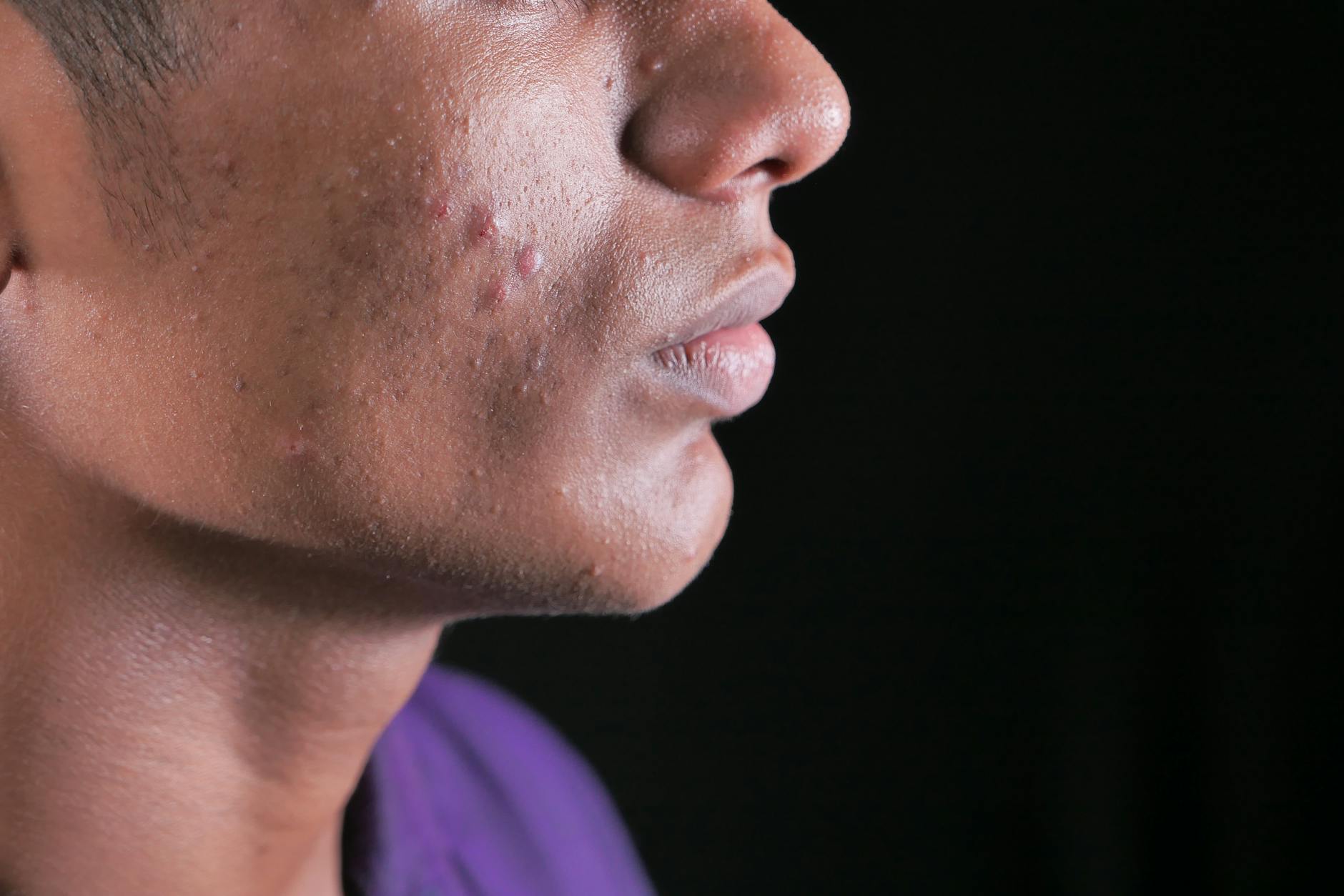
The relationship between melanin content and PIH susceptibility is well documented in dermatological research. Individuals with Fitzpatrick skin types IV, V, and VI, which encompass medium brown to dark brown and black skin tones, experience post inflammatory hyperpigmentation at significantly higher rates and greater severity than those with lighter skin. This occurs because darker skin contains more numerous and more reactive melanocytes, which respond more vigorously to inflammatory triggers. A moderate papule that might leave no trace on fair skin can deposit visible pigment for months on deeper skin. This heightened risk means that prevention strategies become even more important for people with darker skin tones. Early and aggressive treatment of active acne, meticulous sun protection, and complete avoidance of picking or squeezing are non-negotiable.
However, there is a complicating factor: many aggressive acne treatments themselves can irritate the skin and trigger additional hyperpigmentation. High-strength benzoyl peroxide, overly frequent chemical peels, and harsh physical scrubs can all cause the very problem they are meant to prevent when used on melanin-rich skin. The solution involves choosing gentler treatment approaches and building up to stronger products slowly. Someone with type V skin might start with 2.5% benzoyl peroxide instead of 10%, use chemical exfoliants once weekly rather than daily, and prioritize hydrating products that maintain barrier function. Professional treatments like aggressive laser procedures, deep chemical peels, and certain microneedling protocols carry elevated PIH risk for darker skin and should only be performed by practitioners experienced in treating higher Fitzpatrick types. The difference in approach is substantial: what works for a patient with type II skin may actively harm a patient with type V skin.
The Connection Between Picking and Permanent Dark Marks
Manual manipulation of acne lesions, whether through picking, squeezing, popping, or using extraction tools improperly, dramatically increases the likelihood and severity of post inflammatory hyperpigmentation. When you squeeze a pimple, you rupture the follicle wall and push inflammatory contents deeper into the surrounding tissue, spreading the infection and extending the healing timeline. The mechanical trauma itself also triggers additional melanin production as part of the wound response, creating hyperpigmentation from two sources instead of one. The temptation to pick is understandable. A visible whitehead feels intolerable, and the promise of immediate extraction seems preferable to waiting days for natural resolution.
However, the comparison is stark: a whitehead left alone might last three days and leave no mark, while the same whitehead squeezed aggressively could become an inflamed, crusted wound that takes two weeks to heal and deposits pigment visible for six months. Professional extractions performed by an esthetician or dermatologist using proper technique and sterile conditions carry lower risk, though they are still not risk-free. Breaking the picking habit often requires both physical and psychological strategies. Keeping hands busy, covering problem areas with hydrocolloid patches, and reducing mirror time can all help interrupt the picking impulse. For those with compulsive skin picking behaviors, sometimes called dermatillomania or excoriation disorder, professional support from a therapist specializing in body-focused repetitive behaviors may be necessary. The underlying anxiety or compulsion driving the picking needs to be addressed, as willpower alone is often insufficient for true skin-picking disorders.
How Retinoids Help Prevent Acne Scarring and Hyperpigmentation
Retinoids, vitamin A derivatives available in prescription forms like tretinoin and adapalene or over-the-counter forms like retinol, offer a two-for-one benefit in PIH prevention. First, they accelerate cellular turnover in the epidermis, which means pigmented cells are shed more quickly and replaced with fresh, unpigmented cells. Second, they reduce the frequency and severity of acne breakouts themselves, addressing the root cause of hyperpigmentation rather than just the symptom. A person who adds a retinoid to their routine typically experiences an adjustment period lasting 4-12 weeks, during which dryness, peeling, and sometimes temporary acne worsening can occur. This “retinization” phase deters many users who abandon the treatment before seeing benefits.
The tradeoff is significant: enduring the initial discomfort often leads to clearer skin and less hyperpigmentation over the long term, while giving up prematurely means missing those benefits entirely. Starting with low concentrations applied every third night and gradually increasing frequency helps mitigate the adjustment period. The caveat with retinoids is their photosensitizing effect. Retinoid users are more susceptible to UV damage, which means impeccable sun protection becomes even more critical. Using a retinoid without sunscreen is counterproductive for PIH prevention, since the increased UV sensitivity can trigger more hyperpigmentation than the retinoid prevents. Evening application followed by rigorous morning sunscreen use represents the standard approach.
When Prevention Fails: Early Treatment Options
Despite best efforts, some post inflammatory hyperpigmentation will still occur. The key to minimizing its visibility and duration is beginning treatment as soon as the acute inflammation has resolved. Once a pimple has fully healed and you are left with a flat discolored mark rather than an active lesion, targeted treatment can begin. Starting too early, while the spot is still raised or tender, can irritate the healing wound and worsen pigmentation. The same ingredients that prevent hyperpigmentation also treat it, so continued use of vitamin C, niacinamide, azelaic acid, and alpha arbutin remains valuable.
Hydroquinone, available over the counter at 2% concentration or by prescription at 4% or higher, is the most potent topical pigment-fading agent available but is not intended for indefinite use due to concerns about ochronosis with long-term application. Chemical exfoliants like glycolic acid, lactic acid, and mandelic acid help speed cell turnover and fade surface-level pigmentation when used consistently. Professional treatments can accelerate fading when topicals prove insufficient. Light chemical peels, microneedling, and certain laser treatments have all shown efficacy for PIH, though treatment selection must account for skin type. For example, intense pulsed light treatments that work well on PIH in fair skin can actually trigger additional hyperpigmentation in darker skin tones when performed incorrectly. Consultation with a board-certified dermatologist who has experience treating diverse skin types helps ensure appropriate treatment selection.
Conclusion
Preventing post inflammatory hyperpigmentation from acne is a matter of interrupting the inflammatory cycle before excess melanin has the chance to deposit in your skin. The foundation of any prevention strategy includes rapid treatment of new breakouts using gentle, effective products, religious sun protection with broad-spectrum SPF applied daily, and maintaining a strict hands-off policy when it comes to touching or picking at blemishes. Adding melanin-inhibiting ingredients like vitamin C, niacinamide, azelaic acid, or alpha arbutin to your routine provides additional protection, while retinoids offer the dual benefit of clearing acne and accelerating cellular turnover.
Understanding your individual risk factors, particularly skin tone, helps you calibrate your prevention approach appropriately. Those with darker skin must be especially diligent and should avoid aggressive treatments that themselves can trigger hyperpigmentation. When marks do occur despite your best efforts, early intervention with proven ingredients and, if necessary, professional treatments can significantly reduce how long they remain visible. Prevention is always preferable to treatment, but having a plan for both scenarios ensures that acne’s aftermath does not become a long-term concern.