
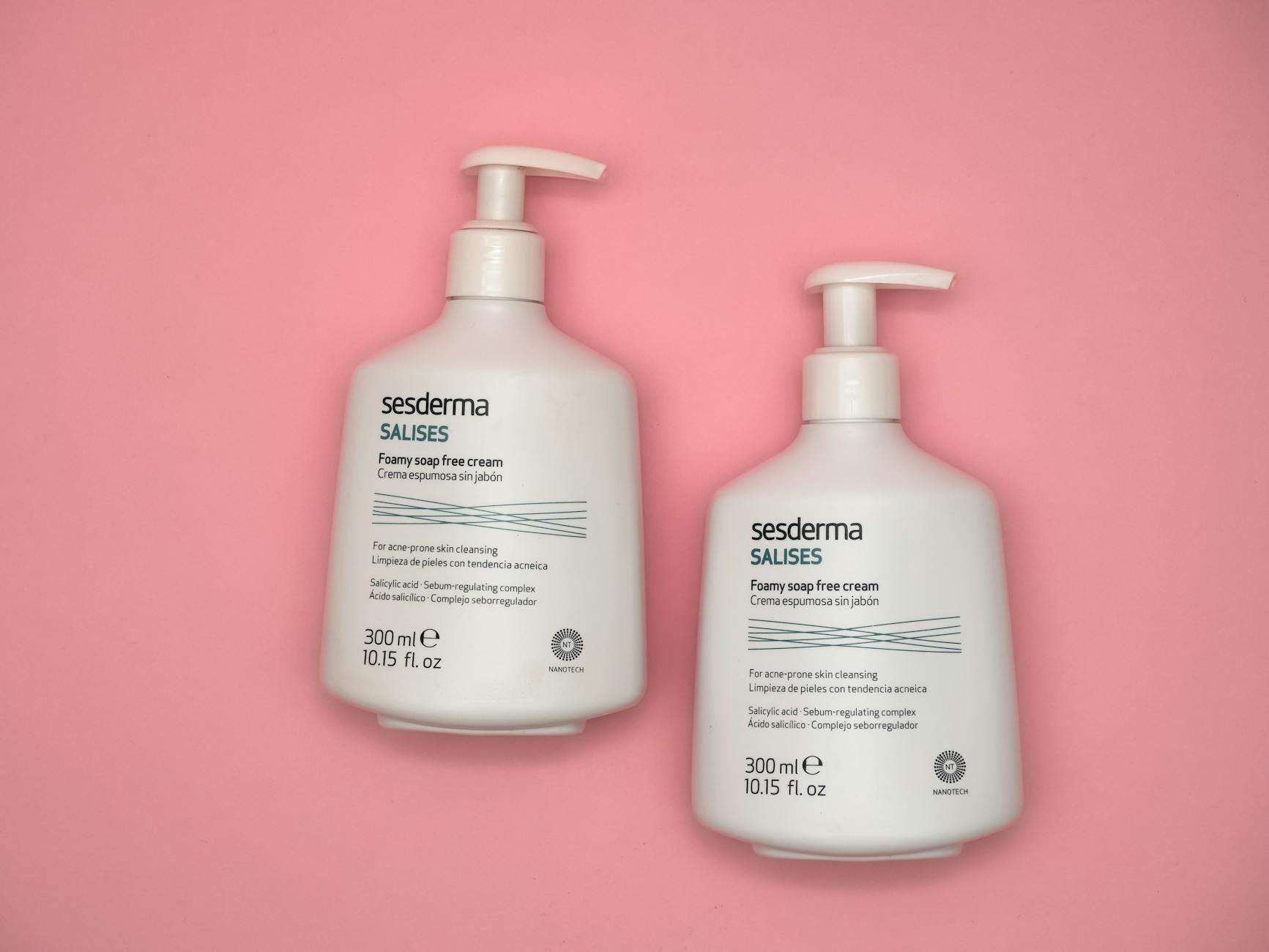
The best foundation for acne-prone oily skin is a non-comedogenic, oil-free formula with a matte finish that contains ingredients like salicylic acid, niacinamide, or zinc. Mineral foundations with zinc oxide or titanium dioxide as the primary ingredients tend to work exceptionally well because they sit on top of the skin rather than sinking into pores, and zinc itself has anti-inflammatory properties that can actually help calm existing breakouts. For example, someone dealing with hormonal chin acne and an oily T-zone would benefit from a powder mineral foundation during warmer months and a liquid oil-free formula with salicylic acid during winter when skin needs slightly more hydration without triggering breakouts.
However, finding the right foundation goes beyond just grabbing anything labeled “oil-free” off the shelf. Many foundations marketed to oily skin contain ingredients like coconut oil derivatives, certain silicones, or heavy pigments that can still clog pores and worsen acne. The texture, coverage level, and even the way you apply foundation all play roles in whether your skin will react well or rebel with new breakouts within days of use. This article covers how to identify truly acne-safe foundation ingredients, the differences between liquid, powder, and cushion formulas for oily skin, setting techniques that control shine without causing buildup, and common mistakes that lead people to blame their foundation when the real culprit is something else entirely in their routine.
Table of Contents
- What Makes a Foundation Safe for Acne Prone Oily Skin?
- Oil-Free vs. Water-Based Formulas: Understanding the Difference
- The Role of Mineral Foundations in Acne Management
- Common Mistakes That Cause Foundation-Related Breakouts
- Ingredients to Seek Out for Added Skin Benefits
- What the Shift Toward Skincare-Makeup Hybrids Means for Acne-Prone Skin
- Conclusion
What Makes a Foundation Safe for Acne Prone Oily Skin?
A foundation earns its acne-safe status primarily through what it leaves out rather than what it includes. The term “non-comedogenic” should appear on the label, but this term is not regulated by the FDA, so manufacturers can use it loosely. The more reliable approach is to check the actual ingredient list against known pore-clogging substances. Isopropyl myristate, isopropyl palmitate, coconut oil, cocoa butter, and certain algae extracts rank high on comedogenicity scales and frequently trigger breakouts even in small amounts. Dimethicone, a common silicone, is generally considered safe for acne-prone skin because its molecular structure is too large to penetrate pores, but cyclomethicone and other volatile silicones can cause problems for some individuals.
The finish matters significantly for oily skin types. Matte and semi-matte foundations contain oil-absorbing ingredients like silica, kaolin clay, or rice powder that help control shine throughout the day. Dewy or luminous foundations, while beautiful on dry skin, typically contain light-reflecting particles suspended in emollient bases that can slide around on oily skin and settle into pores. A foundation that oxidizes or separates within a few hours on oily skin is not just a cosmetic inconvenience””the breakdown of the product can mix with excess sebum and dead skin cells to create the perfect environment for comedones to form. For comparison, a foundation containing 2% salicylic acid will actively help prevent new clogs while providing coverage, whereas a standard matte foundation simply avoids making things worse. Active ingredient foundations work best for people who experience consistent low-grade acne and oiliness, while those with more severe inflammatory acne may need to prioritize gentler formulas that do not add any actives on top of their treatment regimen.
Oil-Free vs. Water-Based Formulas: Understanding the Difference
The terms “oil-free” and “water-based” often get used interchangeably, but they describe different aspects of a foundation’s composition. Oil-free means the formula contains no traditional oils like mineral oil, plant oils, or petroleum derivatives. Water-based means water is the primary solvent in which other ingredients are suspended. A foundation can be water-based but still contain emollients and fatty alcohols that behave similarly to oils on the skin. Reading past the front label claims to the actual ingredient list reveals whether a foundation truly suits oily, acne-prone skin. Silicone-based foundations occupy a middle ground that works well for many people with oily skin.
Dimethicone and related silicones create a smooth, blurring effect and can actually help control oil by forming a breathable barrier. However, if your skin tends to react to silicones with small bumps or textured patches, a truly water-based formula with minimal silicone content may be necessary. The only way to know is through careful testing””apply a silicone-heavy foundation to one side of your face for a week and a silicone-free option to the other, keeping all other products consistent. A limitation worth noting: water-based foundations typically offer less longevity on oily skin. They can break down more quickly when mixed with sebum, requiring midday touch-ups or a more robust primer and setting routine. For someone who needs 12-hour wear without maintenance, a silicone-based oil-free formula will generally outperform a water-based one, even if both are technically appropriate for acne-prone skin.
The Role of Mineral Foundations in Acne Management
Mineral foundations have developed a strong reputation in the acne community for good reason. The primary ingredients in pure mineral formulas””zinc oxide, titanium dioxide, and iron oxides””are inherently non-comedogenic and sit on the skin’s surface rather than penetrating into pores. Zinc oxide in particular offers anti-inflammatory and antibacterial properties that can help soothe existing acne while providing coverage. Many dermatologists recommend mineral powder foundations to patients undergoing acne treatment because the formulas are less likely to interfere with prescription topicals. Loose mineral powder foundations tend to work better than pressed versions for oily, acne-prone skin. Pressed powders require binding agents to hold the compact together, and these binders often include oils, waxes, or fatty acids that can contribute to clogging. A loose powder applied with a clean brush delivers pure mineral coverage without these additional ingredients. The application technique matters: swirling the brush in the powder, tapping off excess, and buffing onto the skin in circular motions ensures even coverage without product buildup in any single area. For example, someone switching from a liquid foundation to a loose mineral powder often notices that their midday oiliness decreases even without changing any other products. The minerals absorb sebum throughout the day rather than mixing with it and sliding off. However, mineral foundations typically offer sheer to medium coverage, which may not satisfy those who need to conceal significant hyperpigmentation or active acne.
In these cases, spot concealing with a targeted product and then setting with mineral powder offers a workable compromise. ## How to Test Foundation Without Triggering breakouts Testing a new foundation requires more patience than most people want to give it. Acne triggered by a product can take two to six weeks to appear, meaning that immediate breakouts after trying a new foundation might actually be caused by something else, while the true reaction to the foundation has not yet surfaced. A controlled testing approach involves introducing one new product at a time, using it for at least three weeks, and monitoring not just for new pimples but for changes in skin texture, small bumps, or increased congestion. The half-face test provides useful comparison data. Apply the new foundation only on one half of your face while using your established safe foundation on the other half, or going bare on the test side if you do not currently have a foundation that works. Keep your skincare routine, diet, and other variables as consistent as possible during the testing period. Photograph your skin under the same lighting conditions every few days to track subtle changes that might not be obvious day to day. A common tradeoff exists between thorough testing and the reality of having purchased a full-size product. Samples, when available, allow for extended testing without financial commitment. Some retailers offer generous return policies on opened cosmetics specifically because skin reactions are so individual. The cost of properly testing a foundation is almost always lower than the cost of dealing with a full-blown breakout that takes weeks to heal and potentially leaves hyperpigmentation behind.

Common Mistakes That Cause Foundation-Related Breakouts
The foundation itself often takes blame for breakouts that actually stem from application tools, layering issues, or removal practices. Brushes and sponges that are not cleaned regularly become breeding grounds for bacteria that get pressed directly onto the skin with every application. A brush used daily should be spot-cleaned after each use with a spray cleanser and deep-cleaned weekly. Beauty sponges, because of their porous nature, should ideally be replaced every one to three months even with regular washing. Someone who experiences persistent breakouts despite using a known non-comedogenic foundation should examine their tool hygiene before switching products. Layering foundation over skincare that has not fully absorbed creates another common problem.
Applying foundation within minutes of applying moisturizer, sunscreen, or treatment products traps those layers against the skin and can push ingredients into pores that would otherwise remain on the surface. A minimum wait time of five to ten minutes between the last skincare step and foundation application allows products to set properly. Similarly, using a primer that is incompatible with the foundation’s base””such as a water-based primer under a silicone-based foundation””can cause pilling and breakdown that contributes to pore congestion. The warning most people need but do not want to hear: not removing foundation thoroughly enough causes more breakouts than the foundation itself in many cases. Oil cleansing or micellar water as a first cleanse, followed by a gentle water-based cleanser, ensures that all pigments and film-forming ingredients are actually gone before bed. Someone who regularly falls asleep in their makeup or does only a cursory cleanse is sabotaging even the most acne-friendly foundation.
Ingredients to Seek Out for Added Skin Benefits
Beyond simply avoiding pore-clogging ingredients, some foundations include actives that provide treatment benefits while worn. Salicylic acid at concentrations of 0.5% to 2% offers gentle exfoliation that helps prevent new comedones from forming. Niacinamide helps regulate sebum production and has anti-inflammatory properties that calm redness around existing breakouts. These foundations can be particularly valuable for people with mild acne who want to minimize the number of treatment products in their routine.
Tea tree oil, sulfur, and willow bark extract appear in some formulas marketed for acne-prone skin, with varying levels of efficacy. Sulfur has a long history of use in acne treatment and can help absorb excess oil, though its distinctive smell puts some people off. Willow bark, a natural source of salicylic acid, provides gentler exfoliation than synthetic salicylic acid. However, if you are already using prescription retinoids or strong over-the-counter actives, adding more actives via foundation can tip the balance into irritation. Someone on tretinoin, for example, should probably choose a gentle, inactive foundation rather than stacking more exfoliating ingredients on sensitized skin.

What the Shift Toward Skincare-Makeup Hybrids Means for Acne-Prone Skin
The beauty industry’s movement toward hybrid products that combine skincare benefits with cosmetic coverage reflects a broader understanding that what we put on our skin daily should support rather than undermine skin health. For people with acne-prone oily skin, this trend has produced genuinely useful options: foundations with built-in SPF that does not clog pores, tinted serums with hyaluronic acid that hydrate without adding oil, and cushion compacts with centella asiatica for calming irritation.
The challenge lies in evaluating which hybrid products deliver on their promises and which use trendy ingredients in insignificant amounts for marketing purposes. A foundation claiming to contain niacinamide is only useful if the concentration is high enough to produce effects””typically 2% or more for visible results. Looking for products that disclose percentages or list the active ingredient high on the ingredient list helps separate genuinely functional hybrids from those that are standard foundations with a dusting of buzzy ingredients.
Conclusion
Finding the best foundation for acne-prone oily skin requires looking beyond marketing claims to actual ingredient lists, understanding the differences between formula types, and committing to a testing process that gives products enough time to reveal their true effects on your skin. Mineral foundations, oil-free liquids with matte finishes, and formulas containing beneficial actives like salicylic acid or niacinamide consistently perform well for this skin type, while proper application techniques and thorough removal prevent many foundation-related breakouts before they start.
The effort invested in finding a compatible foundation pays dividends in clearer skin, reduced frustration, and the ability to wear makeup without the constant anxiety of wondering whether today’s coverage will become next week’s breakout. Start by auditing your current foundation against the criteria discussed, test any new options methodically, and pay attention to the often-overlooked factors like tool cleanliness and product layering that can undermine even the best formulas.