

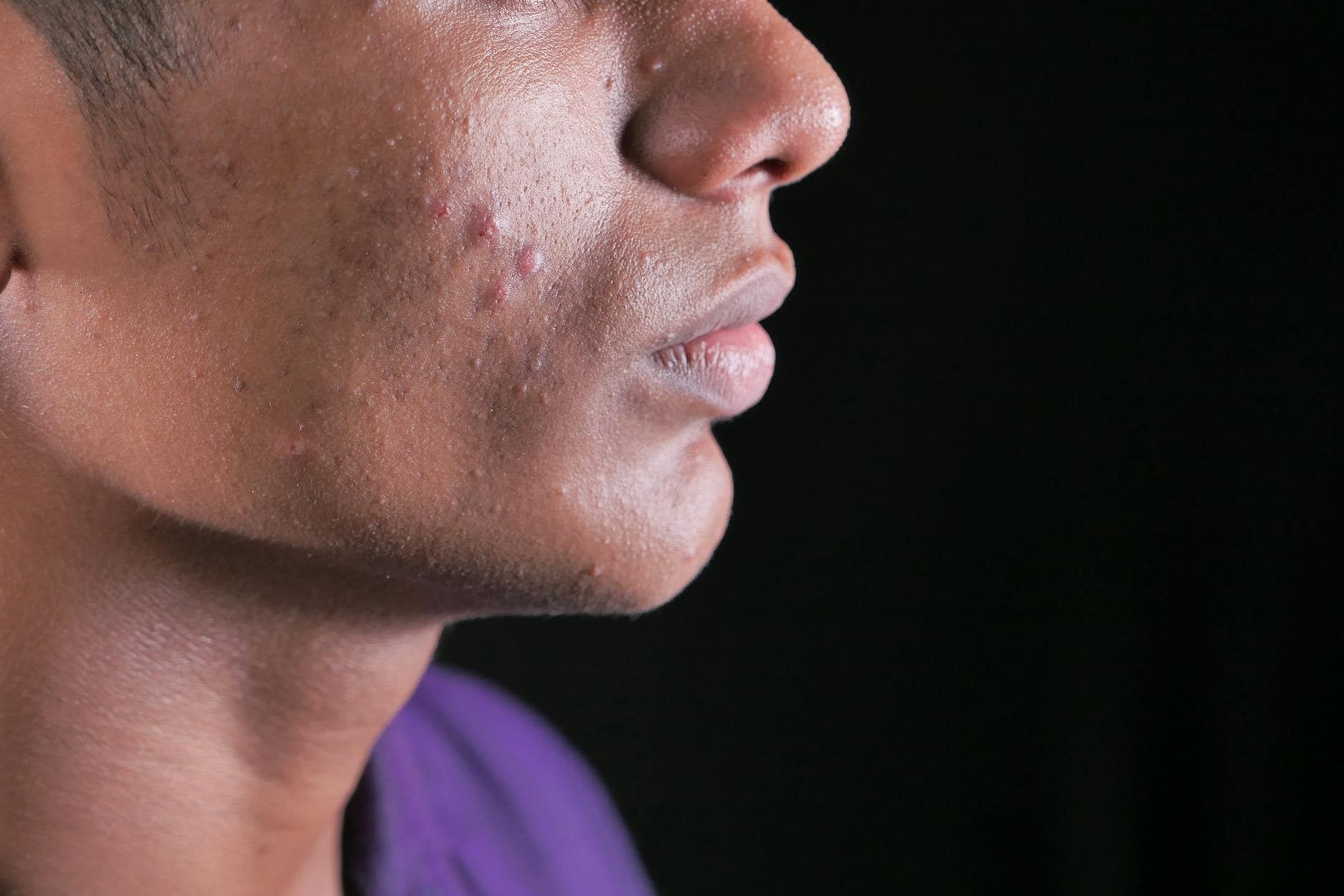
Treating acne excoriee requires a dual approach: healing the physical wounds while addressing the compulsive picking behavior that causes them. The most effective treatment combines gentle wound care with occlusive barriers like hydrocolloid patches to protect lesions from further manipulation, alongside behavioral interventions such as habit reversal training or cognitive behavioral therapy to break the picking cycle. Without addressing both components, the condition tends to persist regardless of how well the skin heals between episodes. Consider someone who started with mild hormonal breakouts but now has permanent scarring across their cheeks””not from the acne itself, but from years of picking at every bump until it became an open wound.
This pattern defines acne excoriee, sometimes called excoriated acne or picker’s acne. The original blemishes may have been minor, but the repeated trauma transforms them into something far more damaging. Many people with this condition feel trapped in a cycle where anxiety drives the picking, and the resulting skin damage creates more anxiety, which triggers more picking. This article covers the specific wound care techniques that promote healing, the behavioral strategies that help break the picking habit, when prescription treatments become necessary, and how to prevent the scarring that often results from this condition. We’ll also address the psychological component that makes acne excoriee fundamentally different from standard acne treatment.
Table of Contents
- What Causes Acne Excoriee and Why Does Skin Picking Make It Worse?
- The Wound Healing Process: Why Protecting Lesions Matters More Than Treating Them
- Behavioral Interventions: Breaking the Picking Cycle
- Prescription Treatments: When Over-the-Counter Care Isn’t Enough
- Preventing Scarring: What Works and What Doesn’t
- The Role of Skincare Routines in Acne Excoriee Management
- How to Prepare
- How to Apply This
- Expert Tips
- Conclusion
What Causes Acne Excoriee and Why Does Skin Picking Make It Worse?
acne excoriee develops when someone repeatedly picks, squeezes, or scratches at real or perceived skin imperfections. Unlike typical acne where inflammation comes from bacterial activity and clogged pores, the damage in acne excoriee comes primarily from mechanical trauma. The picking introduces bacteria from fingers and nails into the skin, pushes debris deeper into pores, ruptures the follicle wall beneath the surface, and prevents the natural healing process from completing. What might have been a two-day pimple becomes a two-week wound. The condition exists on a spectrum. Some people pick occasionally during stressful periods, while others engage in the behavior for hours daily, sometimes entering a trance-like state.
Dermatologists classify severe cases as excoriation disorder, a body-focused repetitive behavior related to obsessive-compulsive spectrum conditions. A person might start picking at a single whitehead and, an hour later, realize they’ve created dozens of open wounds across their face. The behavior often happens unconsciously””while reading, watching television, or during any idle moment. What makes this condition particularly frustrating is that the skin never gets a chance to fully heal. Normal wound healing takes about three to four weeks to complete the full cycle of inflammation, proliferation, and remodeling. When someone picks at the same spot repeatedly, they restart this cycle each time, which is why acne excoriee lesions often take months to resolve and frequently leave permanent scars even when the original blemish was superficial.
The Wound Healing Process: Why Protecting Lesions Matters More Than Treating Them
The single most important intervention for acne excoriee is creating a physical barrier between your fingers and your skin. Hydrocolloid patches serve this purpose exceptionally well””they absorb wound exudate, maintain a moist healing environment, and make it physically impossible to pick at covered lesions. For someone who picks unconsciously, these patches act as an interruption to the automatic behavior. The moment your fingers touch the patch instead of skin, you become aware of what you’re doing. However, if your lesions are infected””showing signs like increasing redness spreading beyond the wound edges, warmth, pus, or fever””occlusive dressings can trap bacteria and worsen the infection. In these cases, you need to see a dermatologist for appropriate antibiotic treatment before covering wounds.
Signs of infection require medical attention, not just better wound care products. Beyond hydrocolloid patches, basic wound care principles apply. Clean lesions gently with a mild cleanser rather than harsh antibacterial soaps, which can delay healing. Apply a thin layer of petroleum jelly or a healing ointment containing ingredients like centella asiatica or madecassoside to keep the wound moist. Contrary to old advice about letting wounds “breathe,” research consistently shows that moist wound healing produces faster recovery with less scarring. The key is balancing moisture retention with protection from further trauma.
Behavioral Interventions: Breaking the Picking Cycle
treating the skin without addressing the behavior is like mopping a floor while the faucet runs. Habit reversal training, a specific behavioral technique, has the strongest evidence for body-focused repetitive behaviors. The method involves three components: awareness training to recognize when and why you pick, competing response training to substitute a different behavior when urges arise, and social support to reinforce progress. For awareness training, keeping a picking log can reveal patterns you never noticed. One person might discover they only pick in the bathroom mirror, while another realizes they do it primarily while scrolling on their phone.
Once you identify triggers, you can modify your environment””covering or removing magnifying mirrors, keeping your hands busy with a fidget object, wearing finger covers during high-risk times. The competing response might be clenching your fists for sixty seconds when you feel the urge, pressing your palms flat against your thighs, or applying hand lotion instead. Cognitive behavioral therapy with a therapist experienced in skin picking can address the thoughts and emotions driving the behavior. Many people pick as a way to manage anxiety, perfectionism about their appearance, or a compulsion to “fix” perceived flaws. Without addressing these underlying factors, the behavior often returns even after periods of improvement. Online therapy platforms and support groups specifically for excoriation disorder exist for those without local access to specialized therapists.

Prescription Treatments: When Over-the-Counter Care Isn’t Enough
Dermatologists treat acne excoriee differently than standard acne because the primary problem isn’t sebum production or bacterial overgrowth””it’s trauma. That said, reducing the underlying acne that triggers picking can be part of the solution. Topical retinoids help normalize skin cell turnover and can reduce the small bumps and closed comedones that often serve as picking targets. Oral medications might include low-dose isotretinoin for severe cases, though this is controversial since it doesn’t address the behavioral component. When comparing treatment approaches, topical treatments offer the advantage of addressing both the acne substrate and promoting wound healing without systemic side effects. Azelaic acid, for instance, has both antibacterial properties and can help with post-inflammatory hyperpigmentation from healed lesions.
Prescription-strength hydroquinone or newer alternatives like tranexamic acid address the dark marks that often remain long after wounds close. Oral antibiotics are generally avoided for acne excoriee because the lesions aren’t primarily bacterial, and long-term antibiotic use carries risks that outweigh benefits here. Some dermatologists prescribe psychiatric medications””typically SSRIs like fluoxetine or the tricyclic clomipramine””for severe excoriation disorder. These medications can reduce the compulsive urge to pick, making behavioral strategies more effective. The tradeoff involves potential side effects including weight changes, sexual dysfunction, and the need for gradual tapering if you stop taking them. This decision requires collaboration between dermatology and psychiatry, weighing symptom severity against medication risks.
Preventing Scarring: What Works and What Doesn’t
Acne excoriee frequently causes scarring disproportionate to the original acne severity because of repeated wound reopening. Preventing scars requires protecting healing tissue, but even with perfect wound care, some scarring may be unavoidable once the damage reaches the dermis. The depth of your picking matters significantly””superficial scratching of the epidermis heals without scarring, while deep picking that ruptures the dermal layer will likely leave permanent marks regardless of aftercare. Silicone sheets and gels have modest evidence for scar prevention when applied to fully healed wounds. They work by hydrating the scar tissue and creating gentle pressure that may influence collagen remodeling.
However, they cannot reverse damage already done””their benefit is limited to optimization of natural healing. Products marketed as “scar prevention” that contain ingredients like vitamin E actually lack evidence and may cause contact dermatitis in some users. A warning about active picking: no scar treatment will help if you continue traumatizing the same areas. Investing in expensive laser treatments or professional procedures while still picking is counterproductive. Dermatologists generally require patients to demonstrate control over their picking behavior before offering scar revision procedures. Otherwise, they’ll create new wounds from treated areas, sometimes worse than the original scars.

The Role of Skincare Routines in Acne Excoriee Management
Simplifying your skincare routine often helps more than adding products. Elaborate multi-step routines provide more opportunities and excuses to examine skin closely in the mirror, which triggers picking for many people. A minimalist approach””cleanser, moisturizer, sunscreen, and one treatment product if needed””reduces mirror time and the temptation to scrutinize every pore.
For example, someone who previously spent forty-five minutes on their evening routine might switch to a five-minute version: remove makeup with micellar water, apply a prescription retinoid, follow with moisturizer. No magnifying mirror, no “extractions,” no extended skin examination. The improvement in their skin often comes less from the products and more from simply leaving it alone.
How to Prepare
- **Audit your mirrors and lighting.** Remove or cover magnifying mirrors entirely. Replace harsh, direct bathroom lighting with softer, diffused light that doesn’t highlight every pore and imperfection. Many people find that picking occurs primarily in one location””identify yours and modify it.
- **Gather your supplies.** Stock up on hydrocolloid patches in various sizes, petroleum jelly or a basic healing ointment, and a gentle cleanser. Having these readily available means you can cover a picked lesion immediately rather than letting the wound stay exposed.
- **Create a tracking system.** Whether a phone app, journal, or simple tally marks on a calendar, tracking picking episodes helps establish a baseline and identify patterns. Note the time, location, emotional state, and duration of each episode.
- **Identify your triggers.** Spend a week observing without trying to change behavior. Common triggers include boredom, anxiety, transitions between activities, bathroom visits, and nighttime routines. Understanding your specific triggers informs which interventions will work best.
- **Establish support.** Tell at least one trusted person about your goal to stop picking. This might be a friend, family member, therapist, or online community. Accountability and understanding from others significantly improves outcomes.
How to Apply This
- **Morning routine.** Cleanse with lukewarm water and a gentle, non-foaming cleanser. Apply any treatment products your dermatologist has prescribed. Follow with a lightweight moisturizer and broad-spectrum sunscreen. Keep this under five minutes and avoid close mirror examination.
- **Cover vulnerable areas.** If you have open wounds or freshly picked spots, cover them with appropriately sized hydrocolloid patches before leaving the house. These can be worn under makeup if needed. Replace patches when they turn white and saturated, typically every 12-24 hours.
- **Interrupt picking urges throughout the day.** When you notice the urge or catch yourself touching your face, immediately perform your competing response. This might be clenching your hands, applying hand lotion, or picking up a designated fidget object. The response should occupy your hands for at least one minute.
- **Evening repair.** After cleansing, assess any damage from the day without using magnification. Apply healing ointment to any open wounds. Cover picked areas with hydrocolloid patches overnight. Limit total mirror time to under three minutes.
Expert Tips
- Keep your nails trimmed extremely short and consider keeping them filed smooth. Longer nails cause more damage per pick and make extraction attempts more “successful,” which reinforces the behavior.
- Place physical barriers on your hands during high-risk times. Some people wear cotton gloves while watching television or use finger bandages when working at a computer. The extra step required to remove them before picking provides an interruption point.
- Address the underlying acne with your dermatologist even while focusing on the behavioral component. Fewer bumps to pick means fewer opportunities and triggers. However, don’t expect clear skin to automatically stop the picking””many people with excoriation disorder pick at normal skin or imagined imperfections.
- Photograph your skin weekly under consistent lighting. Viewing your skin in photos rather than mirrors provides more objective perspective. Many people discover their skin looks significantly better in photos than it appears in their magnified mirror scrutiny.
- Consider therapy specifically designed for body-focused repetitive behaviors if self-help strategies aren’t sufficient. The TLC Foundation for Body-Focused Repetitive Behaviors maintains a directory of trained therapists and offers evidence-based online resources.
Conclusion
Acne excoriee requires treatment that addresses both the visible skin damage and the invisible behavioral pattern causing it. Wound care and barrier protection heal individual lesions, but without breaking the picking cycle, new lesions will continuously appear. The most successful treatment plans combine simple, consistent skincare with behavioral interventions like habit reversal training and, when needed, professional support from dermatologists and mental health providers. Recovery from skin picking rarely follows a straight line.
Expect setbacks during stressful periods, and measure progress in trends rather than individual days. Someone who picked for an hour daily might consider picking for ten minutes twice a week genuine improvement worth building on. The goal is reduction and management, not necessarily complete elimination. With appropriate treatment, most people with acne excoriee can significantly reduce picking behavior and allow their skin to heal with minimal additional scarring.