

The best facial oils for acne-prone skin are those with a comedogenic rating of zero to two, including squalane, rosehip seed oil, hemp seed oil, grapeseed oil, and jojoba oil. These oils provide hydration and skin benefits without blocking pores or triggering breakouts. Squalane, in particular, stands out as nearly identical to the sebum your skin naturally produces, making it exceptionally well-tolerated even by those with active acne. Many dermatologists now recommend these lightweight oils as part of acne treatment routines because properly hydrated skin often produces less excess sebum, potentially reducing one factor in acne formation. The fear that all oils cause breakouts is outdated and oversimplified.
Comedogenicity depends on the specific fatty acid composition and molecular structure of each oil, not simply whether something is an oil. For example, coconut oil has a comedogenic rating of four out of five and frequently causes breakouts, while hemp seed oil rates zero and rarely causes problems even for highly sensitive, acne-prone individuals. Understanding this distinction allows people with acne to benefit from the barrier-strengthening, anti-inflammatory, and moisture-retaining properties that certain oils provide. This article covers the science behind why some oils clog pores while others do not, which specific oils work best for different acne types, how to properly patch test and incorporate oils into your routine, and common mistakes that can turn a beneficial oil into a breakout trigger. You will also find preparation steps, application methods, and expert tips for getting the best results.
Table of Contents
- Which Facial Oils Are Safest for Acne-Prone Skin?
- Understanding Comedogenic Ratings and Their Limitations
- The Role of Fatty Acid Balance in Acne Formation
- Common Mistakes When Using Oils on Acne-Prone Skin
- Choosing Between Pure Oils and Oil-Based Products
- How to Prepare
- How to Apply This
- Expert Tips
- Conclusion
- Frequently Asked Questions
Which Facial Oils Are Safest for Acne-Prone Skin?
The safest facial oils for acne-prone skin share common characteristics: they are lightweight, absorb quickly, and contain predominantly linoleic acid rather than oleic acid. Research published in the Journal of the American Academy of Dermatology found that acne-prone individuals tend to have sebum that is deficient in linoleic acid, and topically applying linoleic-rich oils may help normalize sebum composition. Oils high in linoleic acid include grapeseed (containing approximately 70 percent linoleic acid), hemp seed (55 to 60 percent), and rosehip seed (44 percent). Squalane deserves special mention because it is not technically a plant oil but rather a hydrogenated form of squalene, a compound your skin already produces. This makes it almost universally tolerated and gives it a comedogenic rating of zero.
Unlike squalene derived from shark liver, plant-derived squalane from olives or sugarcane is both sustainable and equally effective. It works well for all acne types, from hormonal cysts to fungal acne, because it does not feed the malassezia yeast that can worsen certain breakout patterns. In contrast, oils high in oleic acid tend to cause more problems for acne-prone skin. Olive oil (55 to 85 percent oleic acid), avocado oil (65 percent oleic acid), and sweet almond oil (70 percent oleic acid) are frequently tolerated by people with dry or normal skin but may exacerbate breakouts in those prone to acne. The exception is if your skin is severely dehydrated from harsh acne treatments; in that case, a small amount of oleic-acid-rich oil might help repair the barrier, though linoleic-rich alternatives usually remain the better choice.
Understanding Comedogenic Ratings and Their Limitations
Comedogenic ratings rank ingredients from zero (will not clog pores) to five (highly likely to clog pores), providing a useful starting framework for evaluating oils. Researchers developed these ratings decades ago using rabbit ear assays, where ingredients were applied to rabbit ears and observed for comedone formation. While these tests established general categories, they have significant limitations when applied to human skin, which differs in structure, sebum production, and pore size from rabbit tissue. The primary limitation is individual variation. An oil rated as a two might cause breakouts in one person but work beautifully for another, depending on their unique skin biology, the rest of their routine, and environmental factors.
Castor oil, for example, has a comedogenic rating of one, yet some people report breakouts from it while others use it without issue. This is why patch testing remains essential regardless of what any rating chart suggests. Additionally, concentration matters: an oil that causes problems when used pure may be perfectly safe in a product where it comprises only two percent of the formula. However, if you have severely acne-prone skin or are currently experiencing active inflammatory breakouts, sticking strictly to zero-rated oils like squalane provides the lowest risk while your skin heals. Once your acne is under better control, you can experiment with oils rated one or two, introducing them one at a time and monitoring your skin for two to three weeks before drawing conclusions. The comedogenic scale works best as a risk-reduction tool rather than an absolute rule.
The Role of Fatty Acid Balance in Acne Formation
Sebum composition plays a surprisingly important role in whether pores become clogged and inflamed. Healthy sebum flows easily out of follicles and provides natural moisture to the skin surface. When sebum becomes thick and sticky, it is more likely to combine with dead skin cells and form the plugs that initiate acne lesions. Research has demonstrated that acne patients often have sebum with reduced linoleic acid content and elevated oleic acid, creating sebum that is heavier and more prone to causing blockages. Applying oils high in linoleic acid may help counterbalance this deficiency. A small study found that applying linoleic acid topically for one month reduced microcomedone size by approximately 25 percent in participants with mild acne. Rosehip seed oil is a particularly good example: beyond its linoleic acid content, it also contains tretinoin-like compounds (trans-retinoic acid) that may provide mild exfoliation benefits. However, this also means rosehip oil can cause irritation if combined with prescription retinoids, so timing matters. Tea tree oil represents a different approach entirely. Rather than affecting sebum composition, it provides antibacterial benefits that may reduce the population of Cutibacterium acnes bacteria involved in inflammatory acne. A study comparing five percent tea tree oil gel to five percent benzoyl peroxide found similar efficacy for mild to moderate acne, though tea tree worked more slowly.
The limitation is that tea tree oil must be diluted (typically to one to two percent) in a carrier oil, adding another variable to consider for acne-prone skin. ## How to Patch Test Facial Oils Before Full Application Proper patch testing prevents widespread breakouts from products your skin cannot tolerate. The process requires patience, as acne reactions often take one to two weeks to appear, unlike allergic reactions that typically manifest within hours. Choose a small area on your jawline or behind your ear rather than your inner arm, since facial skin behaves differently than body skin and your goal is to predict facial reactions specifically. Apply a small amount of the oil to your test area once daily for seven to fourteen days, mimicking how you would actually use the product. Keep the rest of your routine consistent during this period to isolate the oil as the only variable. Watch for not just obvious breakouts but also increased closed comedones (skin-colored bumps), texture changes, or excessive oiliness in the test area. Some people also experience what appears to be purging when starting certain oils, particularly those with mild retinoid activity like rosehip, though true purging should resolve within a month. A common testing mistake is stopping too early after a few days of no reaction, then applying the oil to your entire face. The comedogenic process takes time; a clogged pore today might not become a visible pimple for another week or more. Another mistake is testing multiple new products simultaneously, making it impossible to identify which one caused a problem if breakouts occur. If you are eager to try several oils, test them sequentially with at least two weeks between each new introduction.

Common Mistakes When Using Oils on Acne-Prone Skin
The most frequent mistake is using too much oil, creating an occlusive layer that traps bacteria and debris against the skin. Acne-prone skin typically needs only two to four drops of facial oil for the entire face, warmed between palms before pressing gently into skin. Those accustomed to traditional moisturizers often apply oil the same way, using far more than necessary and then wondering why their skin becomes congested within weeks. Applying oil to dirty skin ranks as the second most common error. When you apply oil over makeup residue, sunscreen, pollution particles, or excess sebum, you essentially seal those substances against your skin.
Always apply facial oils to freshly cleansed, slightly damp skin, which also helps the oil spread more easily and absorb better. Some people make the opposite mistake by cleansing too aggressively before oils, stripping away natural lipids and then overcompensating with oil application. Mixing incompatible products causes problems that unfairly get blamed on the oil itself. Certain acne treatments, particularly benzoyl peroxide, can oxidize and degrade facial oils, rendering them potentially comedogenic even if they were safe before mixing. Allow benzoyl peroxide products to absorb fully for at least ten to fifteen minutes before applying oil, or better yet, use them at different times of day. Similarly, applying oils immediately before products that need to penetrate (like niacinamide serums) can create a barrier that reduces their effectiveness.
Choosing Between Pure Oils and Oil-Based Products
Pure, single-ingredient oils offer transparency and control. You know exactly what you are putting on your skin, making it easier to identify problem ingredients and customize your routine. High-quality pure squalane or rosehip oil contains no emulsifiers, preservatives, or fragrance that might independently irritate acne-prone skin. The tradeoff is that pure oils lack additional beneficial ingredients like antioxidants, peptides, or niacinamide that could address multiple concerns simultaneously.
Formulated oil-based products like face oil blends or oil-serum hybrids can deliver more complex benefits but introduce more variables. A well-formulated blend might combine multiple non-comedogenic oils with added vitamin E (an antioxidant that also helps preserve the oils from going rancid) and appropriate concentrations of essential oils for antibacterial effects. However, any blend is only as safe as its most comedogenic ingredient. If a product contains 80 percent squalane and 20 percent coconut oil, the coconut oil will likely cause problems regardless of the squalane.

How to Prepare
- Assess your current acne situation. If you have active, severely inflamed cystic acne, wait until inflammation reduces before introducing oils. Oils work best as maintenance and prevention rather than acute treatment for active breakouts.
- Simplify your existing routine. Remove any products you are unsure about for one to two weeks before testing a new oil. This gives your skin a stable baseline and prevents confusing reactions.
- Check your cleansing method. Ensure you are removing all makeup, sunscreen, and debris effectively without stripping your skin. A gentle, non-foaming cleanser or oil cleanser followed by a water-based cleanser works well for most people.
- Research the specific oil you plan to use. Look up its fatty acid profile, comedogenic rating, and any additional active compounds it contains. Understand potential interactions with products already in your routine.
- Purchase from reputable sources. Low-quality oils may be adulterated with cheaper, more comedogenic oils or may already be oxidized from poor storage. Look for oils in dark glass bottles with clear expiration dates.
How to Apply This
- After cleansing, leave your skin slightly damp rather than fully dry. This residual moisture helps the oil spread evenly and may enhance absorption. Pat your face with a towel until just barely damp.
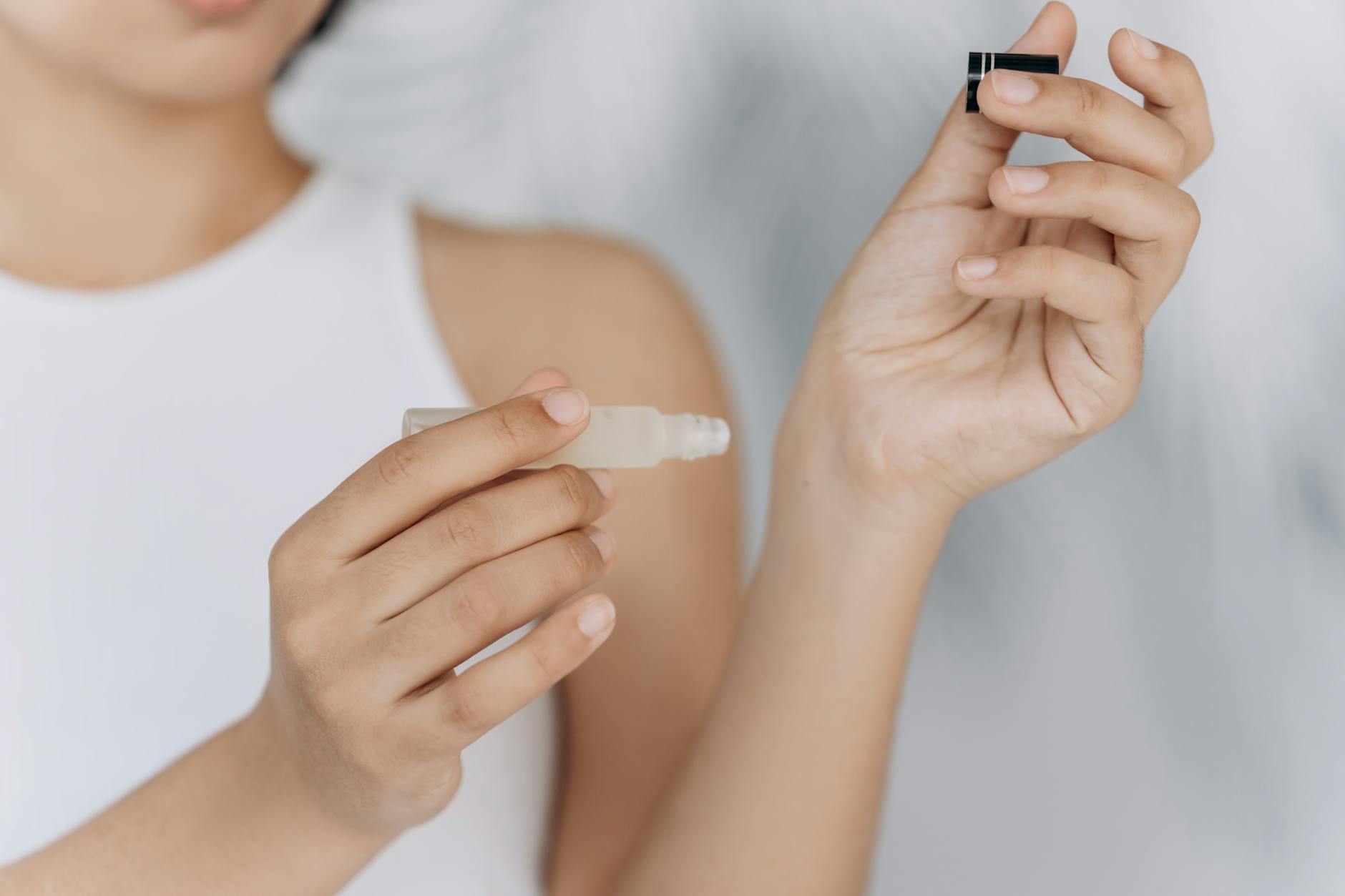
- Dispense two to four drops of oil into your palm and rub your hands together briefly to warm the oil. This helps it spread more easily and feels more comfortable on application.
- Press your palms gently against your skin, starting with your cheeks and moving to your forehead, nose, and chin. Avoid rubbing or dragging motions, which can irritate acne-prone skin. The pressing motion deposits a thin, even layer.
- Allow one to two minutes for absorption before applying any subsequent products or makeup. If the oil still feels heavy after this time, you likely used too much; use less the next application.
Expert Tips
- Always check the expiration date and smell your oils before use. Rancid oils become comedogenic and pro-inflammatory regardless of their original rating, so store oils away from heat and light.
- Do not use facial oils immediately before hot yoga, saunas, or intense exercise. Heat opens pores and increases sweating, which can trap oil in follicles and potentially cause breakouts.
- Consider using facial oils only at night initially. This allows you to observe how your skin responds without interference from makeup, sunscreen, or daytime environmental factors.
- If you use prescription retinoids, apply your oil first as a buffer on sensitive nights, or apply retinoid first and oil on top for better penetration on resilient nights. The order changes the effect.
- Less is genuinely more with facial oils for acne-prone skin. If you feel you need more hydration, layer a water-based hydrating serum underneath rather than increasing oil quantity, which risks congestion.
Conclusion
Facial oils can be a beneficial addition to acne-prone skincare routines when chosen carefully and applied correctly. The key factors are selecting oils with low comedogenic ratings, high linoleic acid content, and proper fatty acid profiles for your skin type. Squalane, rosehip seed oil, hemp seed oil, grapeseed oil, and jojoba oil all rank among the safest options, though individual responses vary and patch testing remains essential.
Success with facial oils requires attention to quantity, application technique, and compatibility with other products in your routine. Start with minimal amounts, apply to damp skin with pressing rather than rubbing motions, and avoid mixing with potentially incompatible actives. If you experience breakouts, consider whether the oil itself is truly the cause or whether application errors, product interactions, or oxidation might be responsible. With the right approach, non-comedogenic facial oils can provide hydration, barrier support, and even mild therapeutic benefits without compromising acne-prone skin.
Frequently Asked Questions
How long does it typically take to see results?
Results vary depending on individual circumstances, but most people begin to see meaningful progress within 4-8 weeks of consistent effort. Patience and persistence are key factors in achieving lasting outcomes.
Is this approach suitable for beginners?
Yes, this approach works well for beginners when implemented gradually. Starting with the fundamentals and building up over time leads to better long-term results than trying to do everything at once.
What are the most common mistakes to avoid?
The most common mistakes include rushing the process, skipping foundational steps, and failing to track progress. Taking a methodical approach and learning from both successes and setbacks leads to better outcomes.
How can I measure my progress effectively?
Set specific, measurable goals at the outset and track relevant metrics regularly. Keep a journal or log to document your journey, and periodically review your progress against your initial objectives.
When should I seek professional help?
Consider consulting a professional if you encounter persistent challenges, need specialized expertise, or want to accelerate your progress. Professional guidance can provide valuable insights and help you avoid costly mistakes.
What resources do you recommend for further learning?
Look for reputable sources in the field, including industry publications, expert blogs, and educational courses. Joining communities of practitioners can also provide valuable peer support and knowledge sharing.