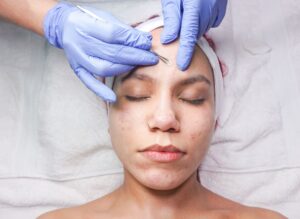
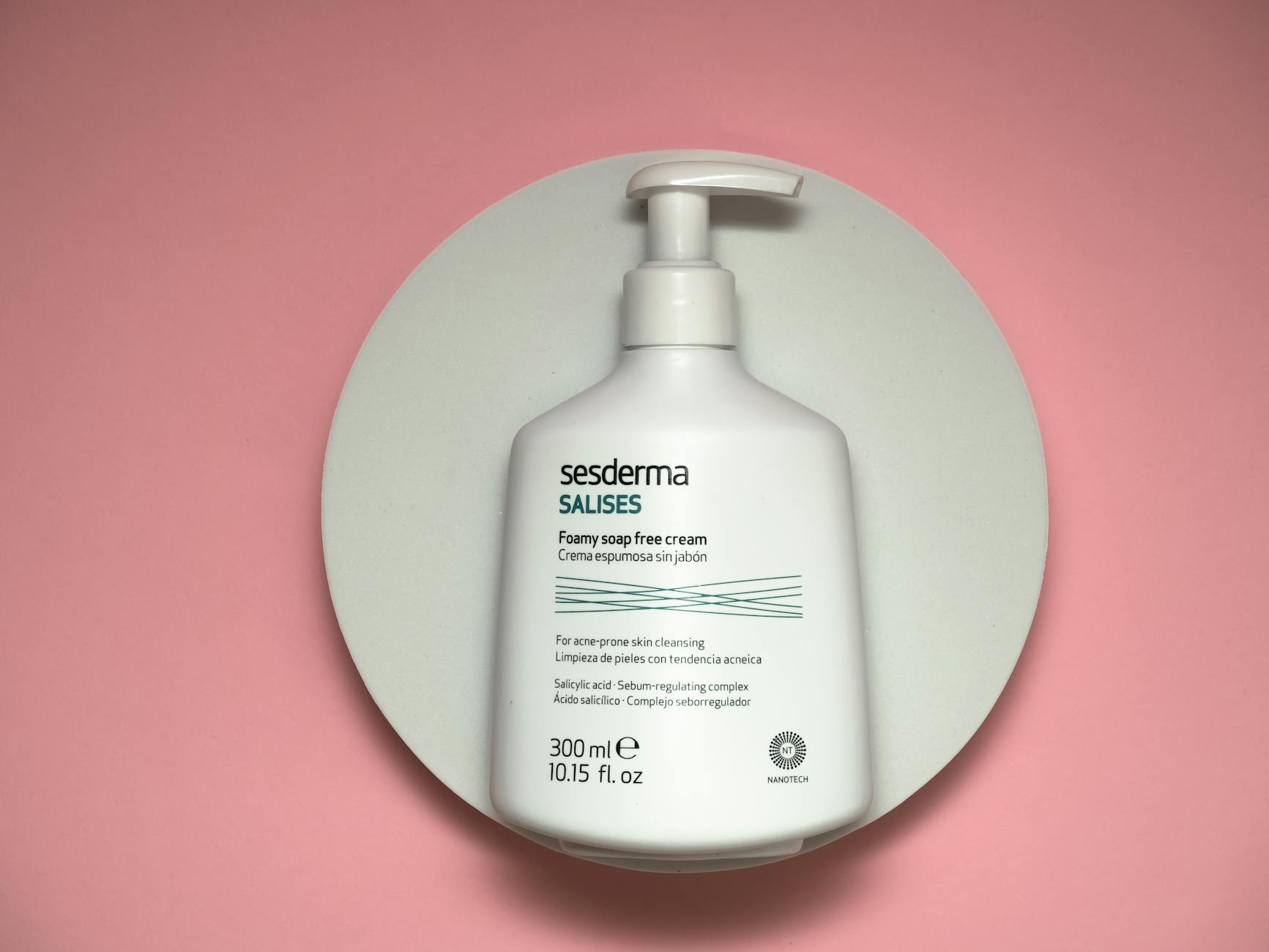
The best cleanser for blackhead removal is a salicylic acid-based formula in the 0.5% to 2% concentration range. Salicylic acid is oil-soluble, which means it can penetrate into pores and dissolve the sebum and dead skin cells that form blackheads, unlike water-soluble ingredients that only clean the skin’s surface. For example, someone struggling with persistent blackheads across their nose and chin who switches from a basic foaming cleanser to a 2% salicylic acid wash typically sees noticeable improvement within four to six weeks of consistent use. However, the “best” cleanser depends on your specific skin type and concerns.
Those with dry or sensitive skin may do better with a gentler formula containing 0.5% salicylic acid or a cleanser with glycolic acid, which offers exfoliation with slightly less potential for irritation. Benzoyl peroxide cleansers, while excellent for inflammatory acne, are generally less effective for blackheads specifically because they target bacteria rather than the clogged pore itself. This article covers how different active ingredients work to clear blackheads, which formulations suit various skin types, how to properly use these cleansers for maximum effectiveness, and common mistakes that can actually worsen your blackhead problem. You’ll also find guidance on combining cleansers with other treatments and when professional intervention might be necessary.
Table of Contents
- Why Does Salicylic Acid Work Best for Blackhead-Prone Skin?
- How Cleanser Formulation Affects Blackhead Treatment Results
- What Role Does Skin Type Play in Choosing a Blackhead Cleanser?
- Common Mistakes That Prevent Cleansers from Clearing Blackheads
- When to Consider Professional Treatments Alongside Your Cleanser
- How to Prepare
- How to Apply This
- Expert Tips
- Conclusion
- Frequently Asked Questions
Why Does Salicylic Acid Work Best for Blackhead-Prone Skin?
Salicylic acid belongs to a class of compounds called beta-hydroxy acids, and its molecular structure gives it a unique advantage over other exfoliating ingredients. Because it’s lipophilic, or fat-loving, salicylic acid can cut through the oily mixture inside a clogged pore rather than sitting uselessly on top of the skin. Once inside the pore, it breaks down the bonds holding dead skin cells together and helps dissolve the oxidized sebum that gives blackheads their dark appearance. The comparison to alpha-hydroxy acids like glycolic acid illustrates this point well. Glycolic acid is water-soluble and primarily works on the skin’s surface, making it excellent for general texture improvement and fine lines but less targeted for deep pore congestion.
A person with oily skin and numerous blackheads who uses a glycolic acid cleanser may see smoother skin overall but find that the blackheads themselves persist. That same person switching to salicylic acid often experiences a more direct reduction in visible blackheads because the ingredient reaches where the problem actually forms. The effectiveness also depends on concentration and pH level. Salicylic acid works optimally at a pH between 3 and 4, and many drugstore cleansers don’t meet this standard, which significantly reduces their efficacy. This is why two products with identical salicylic acid percentages can produce vastly different results””the formulation matters as much as the active ingredient itself.
How Cleanser Formulation Affects Blackhead Treatment Results
Beyond the active ingredient, the base formulation of a cleanser determines whether it will help or hinder your skin. Foaming cleansers tend to be more effective for oily skin types because they remove excess sebum without leaving residue, but they can strip the skin if they contain harsh sulfates. Cream or lotion cleansers work better for dry or combination skin, though they may not provide the deep clean that heavily congested pores require. The contact time presents a significant limitation with cleansers compared to leave-on treatments.
A cleanser sits on your skin for perhaps 30 to 60 seconds before being rinsed away, which limits how much the active ingredients can actually accomplish. However, if your skin cannot tolerate leave-on salicylic acid products due to dryness or sensitivity, a cleanser provides a gentler entry point because the short contact time reduces irritation potential while still offering some benefit. Those with combination skin face a particular challenge. If you have an oily T-zone with blackheads but dry cheeks, using a strong salicylic acid cleanser across your entire face may clear your nose while causing flaking on your cheeks. In this case, you might apply the cleanser primarily to congested areas while using a gentler formula elsewhere, or choose a lower concentration that balances efficacy with tolerance across different facial zones.
What Role Does Skin Type Play in Choosing a Blackhead Cleanser?
Oily skin generally tolerates and benefits most from salicylic acid cleansers at the higher 2% concentration. The excess sebum production that characterizes oily skin means there’s more “food” for the salicylic acid to work on, and the skin’s natural oils help buffer against the drying effects. Someone with very oily skin might even use their salicylic acid cleanser twice daily without issue, though monitoring for signs of overstripping remains important. Dry and sensitive skin types require more caution. A person with rosacea or eczema-prone skin who uses a 2% salicylic acid cleanser daily will likely experience redness, peeling, and compromised barrier function within a week. For these individuals, a cleanser with 0.5% salicylic acid used every other day, or a gentle glycolic acid formula, provides blackhead-fighting benefits without triggering a skin crisis. Another option is a cleanser containing polyhydroxy acids like gluconolactone, which offer exfoliation with a larger molecular size that penetrates more slowly and causes less irritation. Mature skin adds another consideration. As skin ages, it naturally produces less oil and becomes thinner, making it more susceptible to irritation from strong active ingredients. A 55-year-old dealing with blackheads needs a different approach than a 25-year-old with the same concern””gentler formulations, less frequent use, and careful attention to hydration become essential to prevent the cleanser from causing more problems than it solves.
## How to Build an Effective Blackhead-Fighting Cleansing Routine Consistency matters more than intensity when treating blackheads with a cleanser. Using a salicylic acid cleanser once daily, typically in the evening, produces better long-term results than aggressive twice-daily use that damages the skin barrier. The evening application makes sense because you’re removing the day’s accumulated oil, sunscreen, and environmental debris, giving the active ingredient the best chance to work on clean skin. The tradeoff between immediate results and sustainable skin health deserves attention. Increasing cleanser strength or frequency might clear blackheads faster initially, but it often leads to rebound oil production or irritation that worsens the problem over time. Conversely, being too gentle with a very low concentration might not produce visible results, leading to frustration and product-hopping. Finding the middle ground””the strongest formulation your skin can tolerate without negative effects””requires some experimentation and patience. Combining your cleanser with other products creates synergy but also complexity. A salicylic acid cleanser paired with a retinoid at night can dramatically improve blackheads, but this combination may prove too intense for many skin types. Starting with just the cleanser for two to three weeks, then gradually introducing additional actives, prevents overwhelming the skin and helps you identify which products are actually working versus which might be causing problems.

Common Mistakes That Prevent Cleansers from Clearing Blackheads
Over-cleansing ranks as the most frequent error. The logic seems sound””if blackheads come from clogged pores, more cleansing should help””but it backfires badly. Stripping the skin of all its natural oils triggers a defensive response where sebaceous glands ramp up production, ultimately creating more oil and more blackheads. Signs that you’re over-cleansing include skin that feels tight immediately after washing, visible flaking, or a shiny appearance within an hour of cleansing that differs from your usual oiliness. Using water that’s too hot creates similar problems. Hot water feels satisfying and seems like it would “open pores,” but this myth has led countless people to damage their skin barriers with scalding wash routines.
Lukewarm water effectively removes cleanser without causing the inflammation and dryness that hot water produces. The “open pores” concept misunderstands skin biology anyway””pores don’t have muscles that open and close with temperature changes. Expecting instant results leads many people to abandon effective products prematurely. Blackheads form over weeks as pores gradually fill with sebum and dead cells, and clearing them takes a similar timeframe. Someone who uses a salicylic acid cleanser for ten days, sees no dramatic change, and switches to a different product restarts the clock each time. Dermatologists generally recommend giving a new cleanser at least six to eight weeks of consistent use before judging its effectiveness, barring any adverse reactions that warrant stopping sooner.
When to Consider Professional Treatments Alongside Your Cleanser
Cleansers have limitations, and recognizing when you’ve hit their ceiling prevents wasted time and money on products that cannot solve your particular problem. Deep-seated blackheads, sometimes called “blind” comedones, may be too embedded for topical cleansers to address effectively. Similarly, hundreds of blackheads covering large areas of the face suggest a level of congestion that benefits from professional extraction followed by a maintenance cleanser routine.
A dermatologist can offer prescription-strength retinoids like tretinoin or adapalene, which work by increasing cell turnover and preventing the formation of new comedones. These treatments accomplish what cleansers cannot””fundamentally changing how skin behaves rather than just cleaning it. For someone who has diligently used appropriate cleansers for several months without satisfactory improvement, this escalation makes sense. Professional chemical peels and extractions can also provide a reset point that makes subsequent cleanser use more effective.

How to Prepare
- **Assess your current routine for potential conflicts.** If you’re already using retinoids, vitamin C serums, or other exfoliating products, adding a salicylic acid cleanser might overwhelm your skin. Consider simplifying your routine before introducing the new cleanser, or plan to use the cleanser on alternate days from other actives.
- **Patch test the product before full-face application.** Apply a small amount to your jawline or behind your ear for three consecutive days, watching for redness, itching, or flaking that would indicate sensitivity.
- **Start with every-other-day use regardless of your skin type.** Even oily, resilient skin benefits from a gradual introduction that allows you to gauge your tolerance before committing to daily use.
- **Ensure you have appropriate supporting products.** A good moisturizer and sunscreen become essential when using exfoliating cleansers, as these ingredients increase sun sensitivity and can cause dryness.
- **Document your starting point with photos.** Blackhead improvement happens gradually enough that you may not notice changes without a visual reference. Warning: relying on memory alone often leads to underestimating progress and abandoning effective routines prematurely.
How to Apply This
- **Wet your face with lukewarm water and apply a small amount of cleanser to your fingertips.** Avoid using washcloths or brushes initially, as the mechanical exfoliation combined with chemical exfoliation can cause irritation.
- **Massage the cleanser into blackhead-prone areas for a full 60 seconds.** Most people wash their face in 15 to 20 seconds, which doesn’t allow adequate contact time for active ingredients. Use gentle circular motions without aggressive scrubbing.
- **Rinse thoroughly with lukewarm water, ensuring no residue remains.** Leftover cleanser continues working on the skin and can cause irritation, particularly around the hairline and jawline where residue commonly hides.
- **Pat your face dry with a clean towel and immediately apply moisturizer.** The brief window after cleansing when skin is still slightly damp allows moisturizer to absorb better, helping counteract any drying effects from the cleanser.
Expert Tips
- Choose a cleanser with salicylic acid listed in the top half of the ingredient list, as products listing it near the bottom may contain negligible amounts that won’t produce meaningful results.
- Do not use physical scrubs in the same routine as a chemical exfoliating cleanser, as the combination creates excessive irritation and can damage healthy skin while failing to improve blackheads.
- Consider “short contact therapy” if you have sensitive skin””apply the cleanser, wait 30 seconds, and rinse, gradually increasing time as tolerance builds over several weeks.
- Store cleansers containing active ingredients away from direct sunlight and heat, as these conditions can degrade the active ingredients and reduce effectiveness before the product expires.
- Pay attention to seasonal changes in your skin, reducing cleanser frequency in winter when skin tends toward dryness and potentially increasing it during humid summer months when oil production rises.
Conclusion
Selecting the best cleanser for blackhead removal comes down to matching the right active ingredient””primarily salicylic acid””with your specific skin type and using it consistently enough to see results. The science clearly supports oil-soluble exfoliants for penetrating pores and clearing the sebum plugs that cause blackheads, but the practical success of any cleanser depends on proper formulation, realistic expectations, and avoiding the common mistakes that undermine treatment effectiveness. Building sustainable results requires patience and attention to how your skin responds.
Start with a moderate-strength salicylic acid cleanser, use it consistently for at least six weeks, and adjust based on your skin’s tolerance and progress. If over-the-counter cleansers don’t produce satisfactory improvement after several months of proper use, consulting a dermatologist for prescription options represents a logical next step. The goal is not just clearing current blackheads but establishing a routine that prevents their return.
Frequently Asked Questions
How long does it typically take to see results?
Results vary depending on individual circumstances, but most people begin to see meaningful progress within 4-8 weeks of consistent effort. Patience and persistence are key factors in achieving lasting outcomes.
Is this approach suitable for beginners?
Yes, this approach works well for beginners when implemented gradually. Starting with the fundamentals and building up over time leads to better long-term results than trying to do everything at once.
What are the most common mistakes to avoid?
The most common mistakes include rushing the process, skipping foundational steps, and failing to track progress. Taking a methodical approach and learning from both successes and setbacks leads to better outcomes.
How can I measure my progress effectively?
Set specific, measurable goals at the outset and track relevant metrics regularly. Keep a journal or log to document your journey, and periodically review your progress against your initial objectives.
When should I seek professional help?
Consider consulting a professional if you encounter persistent challenges, need specialized expertise, or want to accelerate your progress. Professional guidance can provide valuable insights and help you avoid costly mistakes.
What resources do you recommend for further learning?
Look for reputable sources in the field, including industry publications, expert blogs, and educational courses. Joining communities of practitioners can also provide valuable peer support and knowledge sharing.