
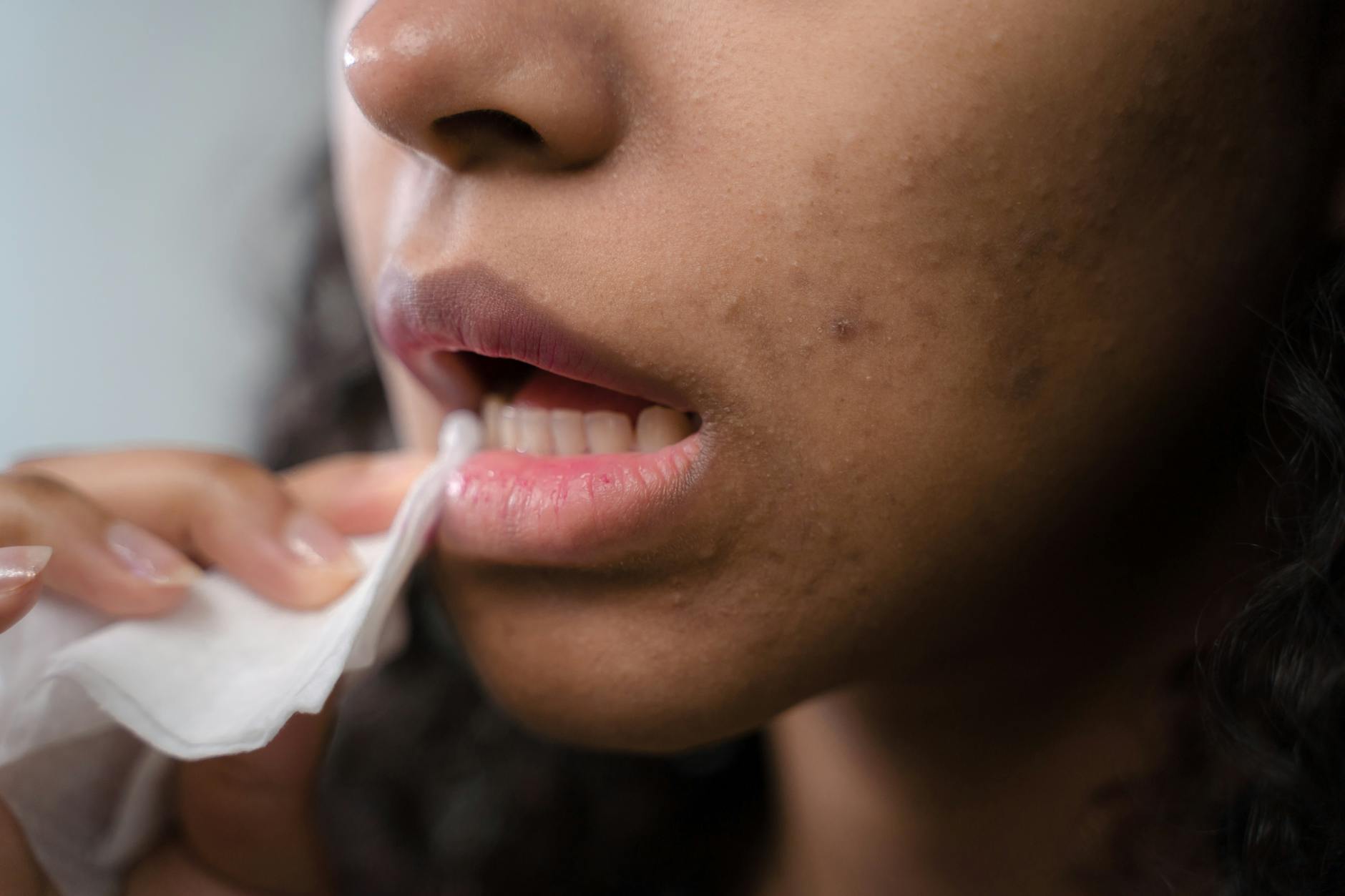
Glycolic acid treats acne scars by dissolving the bonds between dead skin cells on the surface, which accelerates cell turnover and gradually reveals fresher, more evenly textured skin beneath. To use it effectively, start with a low concentration (5-7%) applied two to three times per week, then slowly increase frequency and strength as your skin builds tolerance over several weeks. The acid works by penetrating the upper layers of skin and stimulating collagen production in the deeper dermis, which helps fill in the depressions left by inflammatory acne. For someone with moderate post-acne scarring, applying an 8% glycolic acid toner every other evening for three months can produce visible improvement in skin texture and tone.
This approach works best for superficial scars””the discolored, slightly uneven marks left after breakouts heal””rather than deep ice pick or boxcar scars, which typically require professional treatments. The exfoliating action of glycolic acid also helps fade post-inflammatory hyperpigmentation, the dark spots that linger long after a pimple has resolved. Throughout this article, you’ll learn how glycolic acid chemically interacts with scarred skin, which concentrations and formulations yield the best results, how to build an effective routine without damaging your moisture barrier, and when to recognize that professional intervention might serve you better than at-home treatment. Understanding the limitations upfront saves both time and frustration. Glycolic acid can meaningfully improve the appearance of acne scars, but it rarely eliminates them entirely, and the process demands patience””most people need three to six months of consistent use before seeing substantial changes.
Table of Contents
- What Makes Glycolic Acid Effective for Treating Acne Scars?
- Choosing the Right Glycolic Acid Concentration for Your Scarring
- How Skin Type Influences Your Glycolic Acid Results
- Building a Complete Skincare Routine Around Glycolic Acid
- When Glycolic Acid Won’t Work and What to Try Instead
- The Role of Professional Glycolic Peels in Scar Treatment
- How to Prepare
- How to Apply This
- Expert Tips
- Conclusion
- Frequently Asked Questions
What Makes Glycolic Acid Effective for Treating Acne Scars?
Glycolic acid belongs to the alpha hydroxy acid family, and among its relatives””lactic, mandelic, tartaric, and citric acids””it has the smallest molecular size. This compact structure allows it to penetrate skin more deeply than other AHAs, reaching the dermis where collagen fibers reside. When applied topically, glycolic acid breaks down the “glue” (desmosomes) holding dead corneocytes together on the skin’s surface, triggering a cascade of cellular renewal that eventually affects the deeper structural layers. The scar-fading mechanism operates on two fronts. First, by removing accumulated dead skin cells, glycolic acid physically smooths the uneven texture that makes scars visible.
Second, and more importantly for long-term improvement, it signals fibroblasts in the dermis to ramp up collagen and elastin production. A 2020 study published in the Journal of Clinical and Aesthetic Dermatology found that participants using 10% glycolic acid twice weekly for twelve weeks showed measurable increases in dermal collagen density and corresponding improvements in scar appearance scores. However, glycolic acid’s strength is also its limitation. The same penetrating ability that makes it effective can cause irritation, redness, and peeling””especially in those with sensitive skin or compromised barriers. People with rosacea or eczema often find glycolic acid too aggressive and may achieve better results with the gentler mandelic acid, which penetrates more slowly and causes less inflammation despite similar resurfacing benefits.
Choosing the Right Glycolic Acid Concentration for Your Scarring
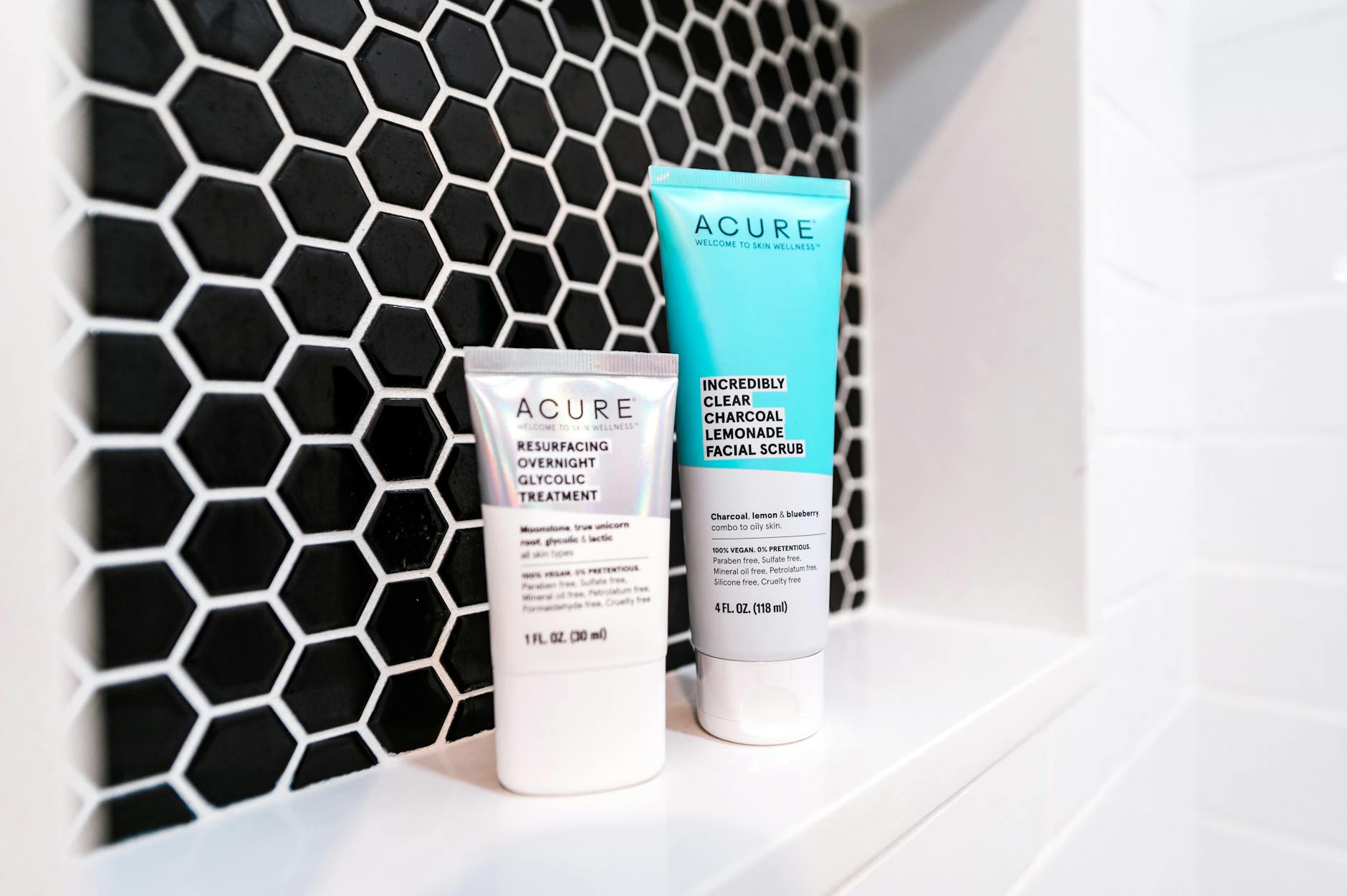
Over-the-counter glycolic acid products range from 5% to 30%, while professional peels can reach 70%. The right concentration depends on your skin’s current tolerance, the severity of your scarring, and whether you’ve used chemical exfoliants before. Beginners should start at the lower end””5% to 8%””to assess their skin’s response before graduating to stronger formulations. For mild, superficial scarring and post-inflammatory hyperpigmentation, daily-use products in the 5-10% range often produce satisfactory results within two to three months.
The Ordinary’s Glycolic Acid 7% Toning Solution or Paula’s Choice 8% AHA Gel Exfoliant represent this category well, offering enough potency to accelerate turnover without overwhelming untrained skin. Someone transitioning from a basic cleanser-moisturizer routine would find these concentrations challenging but manageable with proper hydration and sun protection. Deeper texture issues may warrant stronger formulations, but here’s where caution matters: jumping directly to a 20% or 30% peel without building tolerance can cause chemical burns, prolonged redness, and paradoxically worsen scarring through post-inflammatory hyperpigmentation. If your scarring hasn’t responded to consistent use of 10% glycolic acid after four months, the better path forward is consulting a dermatologist about professional-strength peels rather than attempting aggressive at-home treatments. Professional peels are neutralized at precise intervals and administered by trained practitioners who can monitor your skin’s response in real time.
How Skin Type Influences Your Glycolic Acid Results
Not all skin responds to glycolic acid equally, and melanin-rich skin tones face particular considerations when using this ingredient for scar treatment. Darker skin (Fitzpatrick types IV-VI) produces more melanin in response to inflammation, making these individuals more susceptible to post-inflammatory hyperpigmentation from overly aggressive acid use. This doesn’t mean glycolic acid is off-limits””it means the margin for error is narrower. A person with medium-brown skin treating acne scars might achieve excellent results with an 8% glycolic acid serum applied every third night, while the same product used nightly could trigger new dark spots that take months to fade.
The conservative approach””lower concentrations, less frequent application, and meticulous sun protection””becomes essential rather than optional. Some dermatologists recommend combining lower-concentration glycolic acid with tyrosinase inhibitors like vitamin C or arbutin to simultaneously resurface and suppress excess melanin production. Oily and acne-prone skin generally tolerates glycolic acid well since the acid helps regulate sebum production and keeps pores clear of the debris that leads to new breakouts. Dry and sensitive skin types face a different challenge: glycolic acid can strip an already compromised moisture barrier, leading to increased transepidermal water loss and irritation that obscures any scar-fading benefits. These individuals often do better layering glycolic acid over a thin layer of hyaluronic acid serum, which provides a buffer while still allowing the acid to work.

Building a Complete Skincare Routine Around Glycolic Acid
Incorporating glycolic acid into an existing routine requires thoughtful sequencing to maximize benefits and minimize irritation. The acid should be applied to clean, dry skin before heavier products like serums and moisturizers, which can dilute its efficacy or create a barrier that prevents proper penetration. Waiting two to three minutes after application before layering other products allows the acid time to lower the skin’s pH and begin its exfoliating work. A practical evening routine might proceed as follows: gentle cleanser, glycolic acid toner or serum, three-minute wait, hydrating serum (hyaluronic acid or niacinamide), and finally moisturizer.
The morning routine should omit glycolic acid entirely and instead focus on antioxidant protection and sunscreen””freshly exfoliated skin is significantly more vulnerable to UV damage, and sun exposure can darken existing scars rather than fade them. The tradeoff between using glycolic acid in a toner versus a serum comes down to application style and concentration. Toners spread easily over the entire face and work well for overall texture improvement and maintenance, but they typically contain lower acid concentrations. Serums deliver higher concentrations to targeted areas and allow more controlled application to specific scar clusters, but they require more precision and can feel heavier on the skin. Someone with scattered scarring across both cheeks might prefer a toner; someone with concentrated scarring along the jawline might achieve faster results with a targeted serum.
When Glycolic Acid Won’t Work and What to Try Instead
Certain types of acne scars simply don’t respond to topical glycolic acid, regardless of concentration or consistency. Ice pick scars””deep, narrow depressions that extend into the dermis””require treatments that reach below the skin’s surface, such as TCA cross (trichloroacetic acid applied directly into individual scars), subcision, or laser resurfacing. Similarly, rolling scars with their wave-like undulations often need subcision to release the fibrous bands tethering skin to deeper tissue. Boxcar scars occupy a middle ground. Shallow boxcar scars with clearly defined edges may improve moderately with glycolic acid, but deep ones typically need fractional laser treatment or dermal fillers to achieve meaningful correction.
Expecting glycolic acid to fix these deeper structural problems leads to frustration and wasted months of effort. A dermatologist can assess your specific scarring pattern during a single consultation and direct you toward treatments matched to your anatomy. Even for appropriate scar types, glycolic acid may fail to deliver results under certain conditions. Active acne must be controlled first””applying acid to inflamed, broken-out skin increases irritation and can spread bacteria across the face. Likewise, using glycolic acid while on isotretinoin (Accutane) or within six months of completing a course is contraindicated due to the drug’s thinning effect on skin, which makes chemical burns more likely. And some people simply don’t respond well to glycolic acid due to individual variation in skin chemistry; for them, switching to lactic acid or polyhydroxy acids like gluconolactone may produce better tolerance and similar long-term outcomes.
The Role of Professional Glycolic Peels in Scar Treatment
While at-home products max out around 30%, professional glycolic acid peels range from 30% to 70% and are formulated at lower pH levels that dramatically increase their penetrating power. These treatments remove the entire stratum corneum in a single session, forcing the skin to regenerate from deeper layers and producing visible peeling over the following three to seven days. A series of four to six professional peels spaced three to four weeks apart can produce changes that would take a year or more to achieve with daily-use products.
A typical patient experience might involve consulting with an aesthetician, receiving a 50% glycolic peel, experiencing mild burning during the ten-minute application, then observing visible flaking beginning around day three and resolving by day seven. The cumulative effect of repeated treatments reshapes the skin’s surface architecture and stimulates substantial collagen remodeling in the papillary dermis. However, professional peels carry higher risks of adverse effects””uneven application can create patches of differently textured skin, and improper aftercare can lead to infection or scarring worse than the original condition.
How to Prepare
- **Assess your current skin barrier health.** If you’re experiencing tightness, flaking, or redness from your existing routine, spend two to four weeks using only gentle cleanser and moisturizer before introducing glycolic acid. Adding acid to already-stressed skin amplifies problems.
- **Discontinue other active ingredients temporarily.** Stop using retinoids, vitamin C serums, and other exfoliating acids one week before beginning glycolic acid treatment. Layering multiple actives simultaneously overwhelms skin and makes it impossible to identify which product causes any negative reactions.
- **Establish a baseline sunscreen habit.** Glycolic acid increases photosensitivity, making consistent SPF 30 or higher protection non-negotiable. If you don’t already apply sunscreen daily, build this habit for at least two weeks before adding acid to your routine.
- **Patch test your chosen product.** Apply a small amount behind your ear or on your inner forearm for three consecutive nights. Monitor for excessive redness, burning, or rash. Mild tingling is normal; pain or blistering indicates the formulation is too strong for your skin.
- **Start with the lowest concentration available.** Even if you’ve used other AHAs before, glycolic acid’s smaller molecular size means it penetrates differently. Beginning with a 5-7% formulation allows you to gauge your individual response before committing to stronger products.
How to Apply This
- **Cleanse thoroughly and pat dry.** Remove all makeup, sunscreen, and debris with a gentle, pH-balanced cleanser. Wait until skin is completely dry””applying glycolic acid to damp skin intensifies penetration and increases irritation risk.
- **Apply a thin, even layer to the entire treatment area.** Use fingertips or a cotton pad to spread the product across your face, avoiding the eye area, nostrils, and corners of the mouth where skin is thinnest. Don’t concentrate extra product on scars specifically; uniform application prevents uneven exfoliation.
- **Wait before layering additional products.** Allow two to three minutes for the glycolic acid to absorb and begin working. You may feel mild tingling during this time, which is normal. Severe burning or stinging that doesn’t subside indicates you should rinse immediately.
- **Follow with hydrating and barrier-supporting products.** Apply hyaluronic acid serum while skin is still slightly tacky, then seal everything with a non-comedogenic moisturizer. This sequence replenishes moisture lost through exfoliation and strengthens the skin barrier against overnight water loss.
Expert Tips
- Introduce glycolic acid gradually using the “three-day rule”: apply once, wait three days, assess your skin’s response, then apply again. Only increase frequency after two weeks of consistent tolerance at your current usage level.
- Buffer the acid’s intensity during the adjustment period by mixing a few drops of glycolic acid serum into your moisturizer. This dilutes the concentration while still providing exfoliating benefits for sensitive skin.
- Track your progress with monthly photographs taken in the same lighting conditions. Scar improvement happens slowly enough that daily observation misses changes; photographic comparison reveals progress your eyes have adapted to overlook.
- Do not use glycolic acid on the same nights as retinoids or benzoyl peroxide. These ingredients work through different mechanisms and combining them doesn’t speed results””it only increases the likelihood of a damaged moisture barrier and sensitized skin.
- Consider cycling off glycolic acid for one week every two months. Continuous use can lead to tolerance, where the skin stops responding as robustly, and temporary breaks help maintain the ingredient’s efficacy over the long term.
Conclusion
Glycolic acid offers a scientifically validated, accessible approach to improving acne scars at home, working through accelerated cell turnover and collagen stimulation to smooth texture and fade discoloration over time. Success requires patience, proper preparation, and realistic expectations””superficial scarring and post-inflammatory hyperpigmentation respond well, while deeper structural scars need professional intervention.
Starting with low concentrations, building tolerance gradually, and maintaining rigorous sun protection form the foundation of an effective treatment protocol. Moving forward, commit to a minimum three-month trial before evaluating results, document your progress photographically, and don’t hesitate to consult a dermatologist if at-home treatment plateaus or if you’re uncertain whether your scarring type is suitable for glycolic acid. The goal isn’t perfection but meaningful improvement that helps you feel more comfortable in your skin.
Frequently Asked Questions
How long does it typically take to see results?
Results vary depending on individual circumstances, but most people begin to see meaningful progress within 4-8 weeks of consistent effort. Patience and persistence are key factors in achieving lasting outcomes.
Is this approach suitable for beginners?
Yes, this approach works well for beginners when implemented gradually. Starting with the fundamentals and building up over time leads to better long-term results than trying to do everything at once.
What are the most common mistakes to avoid?
The most common mistakes include rushing the process, skipping foundational steps, and failing to track progress. Taking a methodical approach and learning from both successes and setbacks leads to better outcomes.
How can I measure my progress effectively?
Set specific, measurable goals at the outset and track relevant metrics regularly. Keep a journal or log to document your journey, and periodically review your progress against your initial objectives.
When should I seek professional help?
Consider consulting a professional if you encounter persistent challenges, need specialized expertise, or want to accelerate your progress. Professional guidance can provide valuable insights and help you avoid costly mistakes.
What resources do you recommend for further learning?
Look for reputable sources in the field, including industry publications, expert blogs, and educational courses. Joining communities of practitioners can also provide valuable peer support and knowledge sharing.