

The question of whether humidity makes acne better or worse has puzzled people with breakout-prone skin for decades, particularly those who live in tropical climates or experience dramatic seasonal weather shifts. Humidity affects nearly every aspect of skin function, from oil production to the behavior of acne-causing bacteria, yet the relationship between moisture in the air and pimples on the face remains surprisingly misunderstood. For the estimated 50 million Americans dealing with acne each year, understanding environmental triggers can mean the difference between clear skin and chronic breakouts. This topic matters because environmental factors often get overlooked in acne treatment plans.
Most people focus exclusively on topical products, dietary changes, or hormonal factors while ignoring the air surrounding them for sixteen or more waking hours daily. High humidity environments can create a perfect storm for bacterial proliferation and clogged pores, while excessively dry air triggers compensatory oil production that leads to its own set of problems. The interplay between atmospheric moisture and skin health deserves serious attention from anyone struggling to manage persistent acne. By the end of this article, readers will understand the specific mechanisms through which humidity affects acne development, recognize the signs that their environment may be contributing to breakouts, and gain practical strategies for adapting skincare routines to different humidity levels. The science behind humidity and skin function reveals that the answer to whether humidity helps or hurts acne is more nuanced than a simple yes or no, and that knowledge empowers better decision-making about treatment approaches.
Table of Contents
- How Does Humidity Affect Acne Formation and Skin Health?
- The Science Behind Humid Weather and Increased Breakouts
- Dry Climates and Acne: The Other Side of the Humidity Equation
- How to Adapt Your Skincare Routine for Different Humidity Levels
- Common Mistakes When Managing Acne in Humid Conditions
- The Role of Indoor Climate Control in Acne Management
- How to Prepare
- How to Apply This
- Expert Tips
- Conclusion
- Frequently Asked Questions
How Does Humidity Affect Acne Formation and Skin Health?
Humidity influences acne through several interconnected biological pathways that begin at the skin’s surface and extend down to the sebaceous glands. When relative humidity rises above 70 percent, the skin’s natural moisture evaporation slows dramatically, leaving a film of sweat, oil, and dead skin cells sitting on the surface rather than dissipating into the air. This creates an occlusive environment where Cutibacterium acnes, the primary bacterium responsible for inflammatory acne, thrives. The bacterium is anaerobic, meaning it flourishes in environments with limited oxygen, and the trapped moisture layer on humid skin provides exactly those conditions.
The stratum corneum, the outermost layer of skin, behaves differently depending on ambient moisture levels. In high humidity, this protective barrier absorbs excess water and swells, which can paradoxically weaken its defensive function. Swollen skin cells create microscopic gaps that allow irritants and bacteria easier access to hair follicles and pores. Research published in the British Journal of Dermatology found that skin hydration levels increase by up to 40 percent in high humidity conditions, and while hydration sounds beneficial, the resulting cellular swelling contributes to comedone formation.
- Sebaceous glands may actually produce less oil in humid conditions since the skin senses adequate surface moisture, but this oil becomes trapped more easily beneath swollen skin cells
- Sweat production increases to regulate body temperature, and sweat mixed with sebum creates an ideal growth medium for bacteria
- The skin’s pH shifts slightly in humid conditions, moving away from its ideal acidic range of 4.5 to 5.5, which compromises its antimicrobial defenses

The Science Behind Humid Weather and Increased Breakouts
Clinical studies examining the relationship between humidity and acne provide concrete evidence for seasonal and geographic patterns in breakout frequency. A 2019 study conducted across multiple climate zones found that acne severity scores increased by an average of 25 percent during summer months in regions with humidity consistently above 65 percent. The researchers controlled for other variables including stress levels, dietary changes, and skincare routine modifications, isolating humidity as a significant independent factor.
The mechanism driving humidity-related breakouts involves more than just surface-level changes. When ambient moisture is high, the body’s thermoregulatory system activates sweat glands at a higher baseline rate. Eccrine sweat, which is mostly water and salt, mixes with apocrine sweat from hair follicle regions, creating a nutrient-rich environment on the skin surface. This mixture, combined with naturally secreted sebum, forms what dermatologists sometimes call the “humid skin biofilm,” a thin layer that resists the natural shedding of dead skin cells and promotes bacterial colonization.
- Bacterial colony counts on facial skin increase by up to 300 percent after just four hours in environments exceeding 80 percent relative humidity
- Inflammatory cytokines, the chemical signals that trigger redness and swelling, show elevated production in skin exposed to prolonged high humidity
- Fungal acne, caused by Malassezia yeast rather than bacteria, becomes significantly more common in humid climates because this organism specifically thrives in warm, moist conditions
Dry Climates and Acne: The Other Side of the Humidity Equation
Low humidity environments present their own challenges for acne-prone skin, though the mechanisms differ substantially from those in humid conditions. When relative humidity drops below 30 percent, transepidermal water loss accelerates dramatically, pulling moisture from deeper skin layers to the surface where it evaporates into the dry air. The skin interprets this moisture loss as a threat and responds by ramping up sebum production, sometimes by 50 percent or more compared to baseline levels. This compensatory oil surge often leads to the oily-yet-flaky skin texture common in dry climates and during winter months.
The skin barrier faces direct damage in low humidity conditions. The lipid matrix that holds skin cells together begins to crack and separate, much like dry earth during a drought. These micro-fissures allow bacteria easier entry into follicles while simultaneously triggering inflammatory responses as the immune system detects barrier compromise. People who relocate from humid coastal areas to dry inland or high-altitude regions frequently report unexpected acne flares during their first year, a phenomenon dermatologists attribute to the skin’s adjustment period.
- Desert climates with humidity below 20 percent can cause sebum viscosity to decrease, making oil spread more easily across the face and into pores
- Indoor heating during winter months often drops humidity to 15-25 percent, creating artificial desert conditions that stress the skin barrier
- The combination of dry air and wind exposure accelerates skin cell turnover without adequate moisture to support healthy shedding, leading to pore-clogging buildup
How to Adapt Your Skincare Routine for Different Humidity Levels
Building a humidity-responsive skincare routine requires understanding that products effective in one climate may cause problems in another. The foundation of adaptation lies in adjusting moisturizer weight, active ingredient concentrations, and cleansing frequency based on current environmental conditions. In humid environments above 60 percent relative humidity, lighter gel-based moisturizers and water-based serums prevent the occlusive buildup that traps bacteria. In dry conditions, richer cream formulations with ceramides and fatty acids help maintain barrier integrity without triggering compensatory oil production.
Cleansing strategies require particular attention across humidity spectrums. High humidity calls for twice-daily cleansing with gentle foaming or gel cleansers that remove the accumulated sweat-oil-bacteria film without stripping the skin. Over-cleansing remains a risk even in humid conditions, as harsh surfactants can damage the barrier and trigger inflammation. Low humidity environments benefit from single daily cleansing with cream or oil-based cleansers that remove impurities while depositing moisturizing agents. The double-cleanse method, using an oil cleanser followed by a water-based cleanser, works well in humid climates but may prove too aggressive for dry conditions.
- Switching from heavy occlusive ingredients like petroleum jelly and mineral oil to lighter options like squalane and jojoba oil during humid months prevents pore congestion
- Humectants like hyaluronic acid and glycerin work optimally when ambient humidity provides moisture for them to draw into the skin; in very dry environments, they can actually pull water from deeper skin layers
- Active ingredients like benzoyl peroxide and salicylic acid may require concentration adjustments, as high humidity can increase skin sensitivity while low humidity intensifies drying effects
Common Mistakes When Managing Acne in Humid Conditions
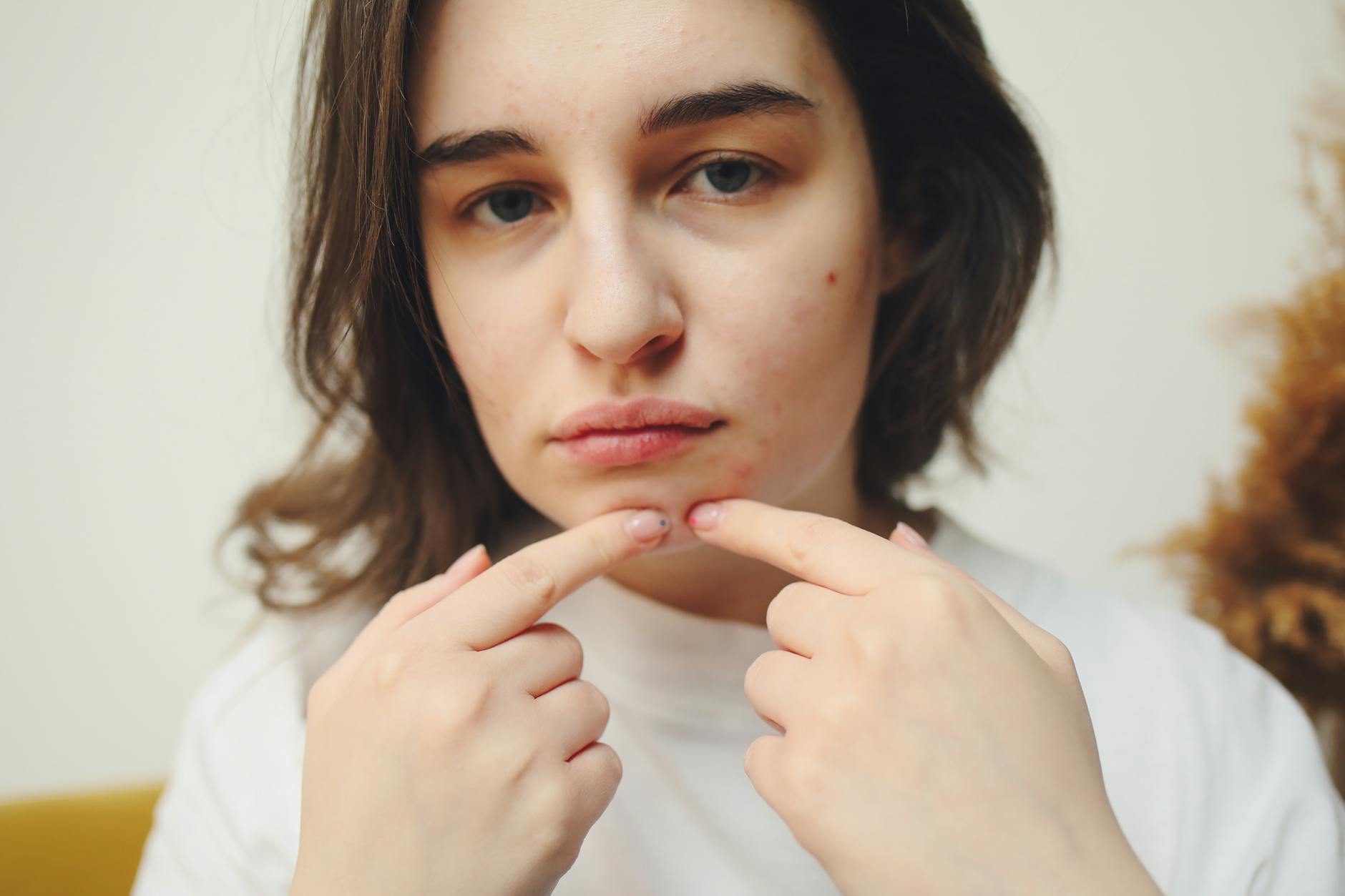
The most frequent error people make in humid climates involves overcompensating with harsh, drying products in an attempt to combat the perceived excess moisture and oil. This approach backfires because stripping the skin triggers defensive mechanisms that worsen acne in the long term. Aggressive toners with high alcohol content, strong physical exfoliants, and multiple drying active ingredients used simultaneously damage the acid mantle and create entry points for bacteria. The skin becomes simultaneously irritated and congested, a frustrating combination that resists standard treatment approaches.
Another common mistake involves abandoning moisturizer entirely based on the logic that humid air provides sufficient hydration. While the skin may feel adequately moist in tropical conditions, that surface hydration often masks underlying barrier dysfunction. Lightweight, non-comedogenic moisturizers serve purposes beyond simple hydration; they deliver beneficial ingredients, help repair the lipid barrier, and create a smooth surface that resists bacterial adhesion. Oil-free formulations with niacinamide, a vitamin B3 derivative that regulates sebum production and strengthens the barrier, prove particularly valuable in humid environments.
- Using thick sunscreens designed for dry climates in humid weather creates an occlusive layer that traps sweat and bacteria against the skin
- Skipping cleansing after sweating, even without formal exercise, allows the sweat-sebum mixture to colonize pores for hours
- Touching the face more frequently in humid conditions, often unconsciously wiping away perspiration, transfers bacteria from hands and creates micro-abrasions
The Role of Indoor Climate Control in Acne Management
Air conditioning and heating systems create artificial microclimates that often differ dramatically from outdoor conditions, and this indoor-outdoor humidity fluctuation stresses acne-prone skin. Moving between a hot, humid exterior and an aggressively air-conditioned interior multiple times daily forces the skin through rapid adaptation cycles it cannot keep pace with. Office buildings commonly maintain relative humidity between 30 and 40 percent regardless of outdoor conditions, meaning tropical residents may actually spend most of their time in artificially dry environments that counteract assumptions about their climate.
Managing indoor humidity through portable humidifiers or dehumidifiers allows for more consistent skin conditions throughout the day. Dermatologists generally recommend maintaining indoor humidity between 40 and 50 percent for optimal skin health, a range that supports barrier function without encouraging bacterial overgrowth. Bedroom humidity during sleep hours matters particularly because the body undergoes repair processes overnight that depend on adequate hydration. Waking with excessively oily or excessively dry skin often reflects inappropriate sleep environment humidity rather than product or hormonal issues.
How to Prepare
- Invest in a digital hygrometer to monitor indoor humidity levels throughout the day and identify patterns that affect skin condition. Place the device in rooms where significant time is spent, including the bedroom and home office, and track readings for at least one week to establish baseline conditions. This data reveals whether perceived humidity issues actually match environmental reality.
- Audit current skincare products for climate appropriateness by checking ingredient lists against humidity guidelines. Products containing heavy occlusives like lanolin, cocoa butter, or thick silicones suit dry climates but may cause problems in humid conditions. Compile a list of products by category and identify gaps that need filling for different humidity scenarios.
- Establish baseline skin photographs under consistent lighting conditions to objectively track how humidity affects acne over time. Many people cannot accurately assess their own skin changes, and photographic records reveal patterns that subjective observation misses. Take photos at the same time of day, with the same lighting, weekly for at least one month.
- Research local climate patterns including seasonal humidity variations, microclimate differences within your area, and typical indoor conditions at workplace or school. Understanding that coastal areas may experience 85 percent humidity in summer but 45 percent in winter allows for proactive routine adjustments rather than reactive scrambling when breakouts occur.
- Consult with a dermatologist about your specific acne type and ask targeted questions about humidity sensitivity. Inflammatory acne, hormonal acne, and fungal acne each respond differently to humidity changes, and professional guidance ensures adaptation strategies match underlying skin conditions rather than following generic advice.
How to Apply This
- Create two distinct skincare routines, one for high humidity periods and one for low humidity periods, with clear product substitutions mapped out. Keep both sets of products accessible and switch based on hygrometer readings or weather forecasts rather than waiting for breakouts to signal the need for change.
- Adjust application techniques for current conditions: use thinner product layers and longer absorption times between steps in humid weather, while applying products to slightly damp skin and following with occlusives in dry conditions. The same serum may perform entirely differently depending on how and when it contacts the skin.
- Modify cleansing frequency and intensity based on daily humidity exposure, adding a midday rinse with plain water during particularly humid days or switching to cleansing only at night during dry winter weeks. Track cleansing changes and skin responses to identify personal tolerance thresholds.
- Layer sunscreen strategically by choosing lighter, more mattifying formulations for humid conditions and richer, more hydrating options for dry environments. Apply sunscreen as the final skincare step in humid weather but before moisturizer in dry conditions to allow the moisturizer to seal in hydration.
Expert Tips
- Monitor skin changes during travel to different climate zones and document which products cause problems versus which help; this personal data proves more valuable than generic climate advice because individual skin responses vary significantly.
- Consider the humidity inside vehicles, which often runs extremely dry due to air conditioning or heating; keeping a hydrating facial mist in the car for reapplication during commutes can prevent the yo-yo effect of stepping between humid outdoor air and desiccated vehicle interiors.
- Pay attention to hair products when humidity rises, as pomades, gels, and leave-in conditioners can migrate onto facial skin throughout the day and contribute to breakouts along the hairline and temples.
- Time active treatments like retinoids and chemical exfoliants for evening application in humid climates, as morning application under humidity can increase photosensitivity and irritation throughout the day.
- Recognize that the skin’s adaptation to humidity changes takes approximately two to four weeks, meaning patience is essential when relocating or during seasonal transitions; resist the urge to constantly switch products during this adjustment period.
Conclusion
The relationship between humidity and acne defies simple categorization as universally good or bad. High humidity creates conditions favorable to bacterial growth and pore congestion, while low humidity triggers compensatory oil production and barrier damage. Both extremes can worsen acne through different mechanisms, and the optimal approach involves understanding your specific environment and adapting accordingly rather than seeking some mythical perfect climate.
Managing acne in the context of humidity requires ongoing attention and willingness to modify routines as conditions change. The strategies outlined here provide a framework for climate-responsive skincare, but individual experimentation remains essential because no two people’s skin behaves identically. Those who track environmental conditions, observe their skin’s responses, and make evidence-based adjustments position themselves for better outcomes than those who apply the same routine regardless of weather. Clear skin in any climate is achievable with the right knowledge and consistent application of humidity-appropriate practices.
Frequently Asked Questions
How long does it typically take to see results?
Results vary depending on individual circumstances, but most people begin to see meaningful progress within 4-8 weeks of consistent effort. Patience and persistence are key factors in achieving lasting outcomes.
Is this approach suitable for beginners?
Yes, this approach works well for beginners when implemented gradually. Starting with the fundamentals and building up over time leads to better long-term results than trying to do everything at once.
What are the most common mistakes to avoid?
The most common mistakes include rushing the process, skipping foundational steps, and failing to track progress. Taking a methodical approach and learning from both successes and setbacks leads to better outcomes.
How can I measure my progress effectively?
Set specific, measurable goals at the outset and track relevant metrics regularly. Keep a journal or log to document your journey, and periodically review your progress against your initial objectives.
When should I seek professional help?
Consider consulting a professional if you encounter persistent challenges, need specialized expertise, or want to accelerate your progress. Professional guidance can provide valuable insights and help you avoid costly mistakes.
What resources do you recommend for further learning?
Look for reputable sources in the field, including industry publications, expert blogs, and educational courses. Joining communities of practitioners can also provide valuable peer support and knowledge sharing.