
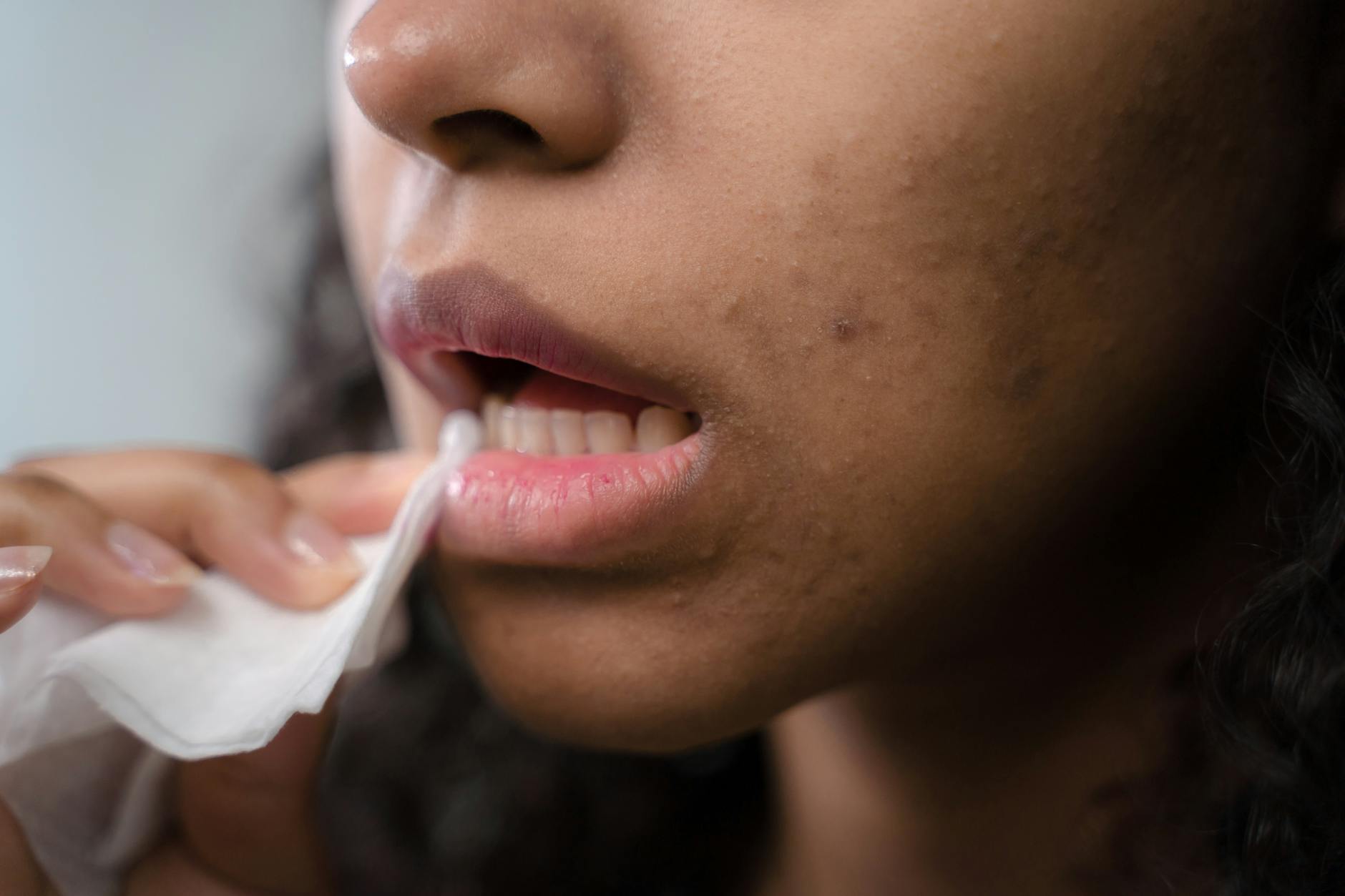
Learning how to get rid of macular acne scars naturally has become a priority for many people seeking gentler alternatives to aggressive dermatological procedures. These flat, discolored marks left behind after acne heals can persist for months or even years, affecting self-confidence and prompting countless searches for effective home remedies. Unlike raised or pitted scars, macular scars present as dark or reddish patches on the skin’s surface, making them particularly responsive to topical treatments and lifestyle modifications that support the skin’s natural healing processes. The frustration of dealing with acne scars extends beyond their physical appearance. Many people find themselves caught between expensive clinical treatments and ineffective over-the-counter products, unaware that natural approaches can deliver meaningful results when applied consistently and correctly.
The skin possesses remarkable regenerative capabilities, and understanding how to support these processes can make the difference between scars that linger indefinitely and marks that fade steadily over time. Natural treatments work by accelerating cell turnover, reducing melanin production, promoting collagen synthesis, and calming inflammation””all without the potential side effects of chemical peels or laser therapy. This comprehensive guide covers everything from understanding the science behind macular scarring to implementing a complete natural treatment protocol. Readers will learn which ingredients have clinical backing, how to combine treatments for maximum effectiveness, and what timeline to expect for visible improvement. Whether dealing with fresh post-inflammatory marks or older discoloration that has resisted previous treatments, the strategies outlined here provide a roadmap for achieving clearer, more even-toned skin through methods that work with the body’s healing mechanisms rather than against them.
Table of Contents
- What Causes Macular Acne Scars and Can You Really Treat Them Naturally?
- The Most Effective Natural Ingredients for Fading Macular Acne Scars
- Understanding the Natural Healing Timeline for Acne Scars
- Building a Natural Skincare Routine to Fade Macular Acne Scars
- Common Mistakes That Prevent Natural Scar Treatments From Working
- When to Combine Natural Methods with Professional Treatments
- How to Prepare
- How to Apply This
- Expert Tips
- Conclusion
- Frequently Asked Questions
What Causes Macular Acne Scars and Can You Really Treat Them Naturally?
Macular acne scars form when the skin’s healing response to inflammatory acne leaves behind excess pigmentation or damaged blood vessels. When a pimple, cyst, or nodule develops, the body rushes inflammatory cells to the area to fight bacteria and repair tissue. This process triggers melanocytes””the cells responsible for skin pigmentation””to produce excess melanin as a protective response. The result is post-inflammatory hyperpigmentation (PIH), which appears as brown, tan, or dark spots that outlast the original blemish by weeks or months. In lighter skin tones, the scars may present as pink or red marks called post-inflammatory erythema (PIE), caused by dilated or damaged blood vessels near the skin’s surface.
The good news is that macular scars respond remarkably well to natural treatments because they exist at the epidermal level rather than involving deeper structural damage. Unlike atrophic or hypertrophic scars that require professional intervention to address collagen loss or overgrowth, macular marks primarily involve pigmentation irregularities that the skin can resolve given proper support. Research published in the Journal of Clinical and Aesthetic Dermatology has demonstrated that consistent application of certain natural compounds can reduce hyperpigmentation by 30-60% within 8-12 weeks, with some ingredients performing comparably to prescription treatments like hydroquinone. The effectiveness of natural scar treatment depends on several factors: the age and depth of the discoloration, individual skin type, consistency of application, and sun protection practices. Fresh macular scars typically respond faster than older marks because the excess pigment remains closer to the skin’s surface and hasn’t had time to become deeply embedded in the dermis. Key mechanisms that natural treatments target include:.
- Tyrosinase inhibition, which blocks the enzyme responsible for melanin production
- Accelerated cell turnover, bringing fresh skin cells to the surface while shedding pigmented ones
- Antioxidant protection, preventing further oxidative damage that can worsen discoloration
- Anti-inflammatory action, calming residual inflammation that perpetuates the scarring process

The Most Effective Natural Ingredients for Fading Macular Acne Scars
Several natural ingredients have earned recognition in dermatological research for their ability to fade hyperpigmentation and support skin healing. Vitamin C, particularly in the form of L-ascorbic acid, stands as one of the most studied and effective options. This antioxidant interrupts melanin synthesis by inhibiting tyrosinase while simultaneously stimulating collagen production and neutralizing free radicals. Studies show that topical vitamin C concentrations between 10-20% can produce visible lightening of hyperpigmentation within 12 weeks, with results comparable to some prescription lightening agents. Niacinamide, a form of vitamin B3, offers another powerful option with an excellent safety profile across all skin types. This ingredient works by preventing the transfer of melanosomes (pigment-containing structures) from melanocytes to keratinocytes, effectively keeping excess pigment from reaching the visible skin surface.
Research published in the British Journal of Dermatology found that 4% niacinamide significantly reduced hyperpigmentation after 8 weeks of use. Beyond its lightening effects, niacinamide strengthens the skin barrier, reduces inflammation, and regulates oil production””making it particularly valuable for acne-prone skin still experiencing breakouts alongside scarring. Alpha hydroxy acids derived from natural sources provide chemical exfoliation that accelerates the fading process. Glycolic acid from sugar cane, lactic acid from milk, and mandelic acid from almonds all dissolve the bonds between dead skin cells, encouraging faster turnover and bringing fresh, unpigmented cells to the surface. These acids also signal the skin to produce more collagen and can improve overall texture alongside addressing discoloration. Additional ingredients worth incorporating include:.
- Kojic acid, derived from fungi, which inhibits tyrosinase and has shown effectiveness comparable to 2% hydroquinone
- Licorice root extract, containing glabridin, which brightens skin while providing anti-inflammatory benefits
- Azelaic acid, naturally occurring in grains, effective for both acne and hyperpigmentation at 15-20% concentrations
- Arbutin, derived from bearberry plants, a gentler tyrosinase inhibitor suitable for sensitive skin
Understanding the Natural Healing Timeline for Acne Scars
Patience remains the most challenging aspect of treating macular acne scars naturally, yet understanding the biological timeline helps set realistic expectations and maintain consistency. The skin renews itself through a process called cell turnover, where new cells form in the basal layer of the epidermis, gradually migrate to the surface over 28-40 days, and eventually slough off. This means any topical treatment requires at least one full skin cycle to show initial results, with meaningful improvement typically visible after 2-3 cycles. For fresh macular scars less than three months old, this translates to approximately 8-12 weeks of consistent treatment before significant fading becomes apparent.
Older macular scars present a more complex challenge because the excess melanin may have migrated into the dermis, the deeper skin layer below the epidermis. Dermal pigmentation takes considerably longer to address because the skin’s natural renewal process primarily affects the epidermis. In these cases, natural treatments still work but require 6-12 months of consistent application to achieve substantial improvement. Some studies tracking long-term use of tyrosinase inhibitors found continued improvement even after 24 months, suggesting that patience and persistence yield cumulative benefits that short-term use cannot achieve. Several factors influence how quickly individual scars respond to natural treatment:.
- Skin type and tone: Darker skin produces more melanin and may experience more persistent hyperpigmentation, requiring longer treatment duration
- Scar age: Marks less than 6 months old typically fade faster than those present for years
- Previous sun exposure: UV damage can deepen and set pigmentation, making it more resistant to treatment
- Overall skin health: Well-hydrated, healthy skin with intact barrier function responds better to active ingredients

Building a Natural Skincare Routine to Fade Macular Acne Scars
Creating an effective natural treatment routine requires strategic layering of active ingredients while maintaining skin health and barrier integrity. The morning routine should prioritize antioxidant protection and sun defense, while the evening routine can focus on more intensive treatment with exfoliating acids and repair ingredients. This approach maximizes effectiveness while minimizing the risk of irritation that can worsen hyperpigmentation and potentially trigger new breakouts. A well-structured morning routine begins with a gentle cleanser that removes overnight buildup without stripping the skin’s natural oils. Following cleansing, apply a vitamin C serum to clean, slightly damp skin””this antioxidant not only fades existing pigmentation but also provides photoprotection that enhances sunscreen effectiveness.
After the serum absorbs, follow with a niacinamide-containing moisturizer to further support pigment reduction while strengthening the skin barrier. The final and most crucial step is broad-spectrum sunscreen with SPF 30 or higher, reapplied every two hours during sun exposure. Without consistent sun protection, all other efforts become futile because UV radiation triggers melanin production and can darken existing scars within minutes. Evening routines can incorporate stronger active ingredients without sun exposure concerns. Key elements include:.
- Double cleansing on makeup days, using an oil-based cleanser followed by a water-based formula
- Alpha hydroxy acid treatment 2-3 times weekly, starting with lower concentrations (5-8%) and increasing gradually
- Kojic acid or arbutin serum on alternate nights from acid treatments
- Rich moisturizer or facial oil to support overnight repair and prevent the dehydration that acids can cause
- Spot treatment with concentrated ingredients directly on stubborn scars
Common Mistakes That Prevent Natural Scar Treatments From Working
Many people abandon natural scar treatments prematurely or inadvertently sabotage their efforts through common errors that undermine results. Over-exfoliation ranks among the most frequent mistakes””in the eagerness to speed up cell turnover, some people apply acid treatments daily or combine multiple exfoliating products, leading to barrier damage, increased sensitivity, and ironically, worsened hyperpigmentation. The skin responds to this assault by ramping up melanin production as a protective measure, creating a cycle where aggressive treatment perpetuates the very problem it aims to solve. Signs of over-exfoliation include persistent redness, stinging with product application, unusual dryness or oiliness, and increased breakouts.
Inconsistent application represents another major obstacle to success. Natural ingredients require time and consistent exposure to produce results, and sporadic use essentially restarts the clock with each gap in application. The skin’s processes don’t pause between applications, meaning irregular treatment allows melanin production to continue unchecked while waiting for the next dose of inhibiting ingredients. Studies on topical lightening agents consistently show that subjects with high adherence rates achieve significantly better outcomes than those who apply products inconsistently, even when using identical formulations. Additional mistakes that prevent natural treatments from reaching their potential include:.
- Inadequate sun protection: A single day of unprotected sun exposure can undo weeks of treatment progress
- Wrong ingredient pH: Vitamin C requires an acidic pH below 3.5 for optimal absorption; many DIY preparations fail to achieve this
- Insufficient concentration: Over-the-counter products may contain active ingredients at levels too low to produce meaningful results
- Picking at healing acne: This trauma response introduces new inflammation and virtually guarantees additional scarring

When to Combine Natural Methods with Professional Treatments
While natural treatments can produce significant improvement in macular acne scars, some situations benefit from combining at-home care with professional interventions. Dermal pigmentation that has resisted 6-12 months of consistent natural treatment may require procedures that can reach below the epidermis, such as microneedling or certain laser treatments. These professional options can be enhanced by natural treatments used before and after procedures””vitamin C and niacinamide support healing while continuing to inhibit melanin production during recovery.
The decision to seek professional help should also consider the psychological impact of scarring. If macular scars significantly affect quality of life, mental health, or daily functioning, faster results through combined approaches may provide meaningful benefit beyond the purely cosmetic. A consultation with a board-certified dermatologist can help determine whether scars are truly macular or involve textural components that require different treatment approaches. For those who choose to pursue professional treatments, continuing natural methods between sessions and during maintenance phases optimizes long-term results while reducing the frequency of more invasive procedures.
How to Prepare
- **Assess your current skin condition** by examining scars in natural lighting and documenting them with photos. Note whether marks appear brown, red, or purple, as this indicates whether you’re dealing with hyperpigmentation, erythema, or a combination. This baseline documentation allows accurate tracking of progress over the coming months and helps maintain motivation during the gradual improvement process.
- **Patch test all new ingredients** by applying a small amount to the inner forearm and waiting 24-48 hours before facial application. Even natural ingredients can cause reactions in sensitive individuals, and identifying allergies or sensitivities before full-face application prevents potential setbacks. Pay particular attention to vitamin C serums and acids, which most commonly cause irritation.
- **Simplify your existing routine** by temporarily eliminating unnecessary products, particularly those containing fragrance, essential oils, or other potential irritants. This creates a clean baseline from which to introduce active treatments and makes it easier to identify the source of any reactions. Keep only a gentle cleanser, simple moisturizer, and sunscreen for the first week.
- **Stock up on broad-spectrum sunscreen** that you will actually use daily. If your current sunscreen feels heavy, greasy, or leaves a white cast that discourages consistent application, invest in finding a formula you genuinely enjoy wearing. Sun protection determines at least 50% of treatment success, making this preparation step non-negotiable.
- **Set realistic timeline expectations** by marking your calendar for assessment points at 4, 8, 12, and 24 weeks. Understanding that visible results require 2-3 months of consistent treatment prevents discouragement and premature abandonment of effective protocols. Consider the first month an investment period during which cellular changes occur beneath the visible surface.
How to Apply This
- **Cleanse thoroughly but gently** using lukewarm water and a pH-balanced cleanser. Pat skin dry with a clean towel, leaving it slightly damp to enhance absorption of subsequent products. Avoid hot water, which can trigger inflammation and worsen redness associated with macular scars.
- **Apply water-based serums to damp skin** in order of thinnest to thickest consistency. Vitamin C serums should be applied first, using 4-5 drops spread across the face and patted (not rubbed) into the skin. Wait 1-2 minutes for absorption before applying niacinamide or other treatment serums.
- **Target stubborn scars with spot treatment** by applying concentrated products directly to individual marks using a clean fingertip or cotton swab. This allows higher concentrations of active ingredients on specific areas without exposing the entire face to potentially irritating formulations. Allow spot treatments to absorb fully before proceeding.
- **Seal everything with moisturizer and sunscreen** during daytime routines, or with a richer night cream during evening applications. The moisturizer locks in active ingredients and prevents transepidermal water loss that can compromise skin barrier function. During the day, finish with a generous application of sunscreen””most people apply only 25-50% of the amount needed for labeled SPF protection.
Expert Tips
- **Refrigerate vitamin C serums** to extend their stability and potency. L-ascorbic acid oxidizes rapidly when exposed to air, light, and heat, with oxidized serum appearing yellow or brown rather than clear or pale. Cold storage slows this degradation significantly, and the cooling sensation during application provides additional anti-inflammatory benefits.
- **Combine acids strategically rather than layering them** by using different acids on alternating nights. Glycolic acid on Monday and Wednesday, lactic acid on Friday, and recovery nights in between allows comprehensive exfoliation without overwhelming the skin. This rotation also addresses pigmentation through multiple pathways, potentially improving results over single-acid approaches.
- **Apply vitamin C in the morning and acids at night** to maximize the benefits of each. Vitamin C provides antioxidant protection against daytime environmental stressors and enhances sunscreen effectiveness, while acids increase photosensitivity and work best when the skin can repair overnight without UV exposure.
- **Track progress with consistent photography** taken in the same lighting, at the same angle, and at the same time of day each week. Morning photographs before applying products provide the most accurate representation, as product application and daily activities can temporarily affect how scars appear. This documentation proves invaluable during plateau phases when visible change seems to stall.
- **Support topical treatments with internal antioxidants** through diet rich in vitamins C and E, omega-3 fatty acids, and colorful vegetables. While topical application delivers concentrated ingredients directly to the skin, systemic antioxidant status influences overall skin health and healing capacity. Adequate hydration””at least 8 glasses of water daily””maintains skin plumpness and supports cellular functions involved in repair.
Conclusion
Successfully fading macular acne scars through natural methods requires understanding the biological processes involved, selecting evidence-backed ingredients, and maintaining consistent application over realistic timeframes. The strategies outlined in this guide””from tyrosinase-inhibiting compounds like vitamin C and kojic acid to cell-turnover accelerators like alpha hydroxy acids””work with the skin’s innate healing capabilities rather than forcing rapid change through aggressive interventions. While results develop gradually over weeks and months rather than days, this gentler approach minimizes side effects, supports overall skin health, and produces sustainable improvement that doesn’t compromise barrier function.
The journey toward clearer skin extends beyond product application to encompass lifestyle factors that either support or undermine treatment efforts. Rigorous sun protection, adequate sleep for nighttime skin repair, stress management to control cortisol’s inflammatory effects, and a nutrient-rich diet all contribute to the skin’s ability to heal and regenerate. Those who approach natural scar treatment as a comprehensive skin health protocol rather than a quick fix typically achieve the most satisfying results. With patience, consistency, and realistic expectations, macular acne scars that once seemed permanent can fade significantly, restoring both skin clarity and the confidence that accompanies it.
Frequently Asked Questions
How long does it typically take to see results?
Results vary depending on individual circumstances, but most people begin to see meaningful progress within 4-8 weeks of consistent effort. Patience and persistence are key factors in achieving lasting outcomes.
Is this approach suitable for beginners?
Yes, this approach works well for beginners when implemented gradually. Starting with the fundamentals and building up over time leads to better long-term results than trying to do everything at once.
What are the most common mistakes to avoid?
The most common mistakes include rushing the process, skipping foundational steps, and failing to track progress. Taking a methodical approach and learning from both successes and setbacks leads to better outcomes.
How can I measure my progress effectively?
Set specific, measurable goals at the outset and track relevant metrics regularly. Keep a journal or log to document your journey, and periodically review your progress against your initial objectives.
When should I seek professional help?
Consider consulting a professional if you encounter persistent challenges, need specialized expertise, or want to accelerate your progress. Professional guidance can provide valuable insights and help you avoid costly mistakes.
What resources do you recommend for further learning?
Look for reputable sources in the field, including industry publications, expert blogs, and educational courses. Joining communities of practitioners can also provide valuable peer support and knowledge sharing.