

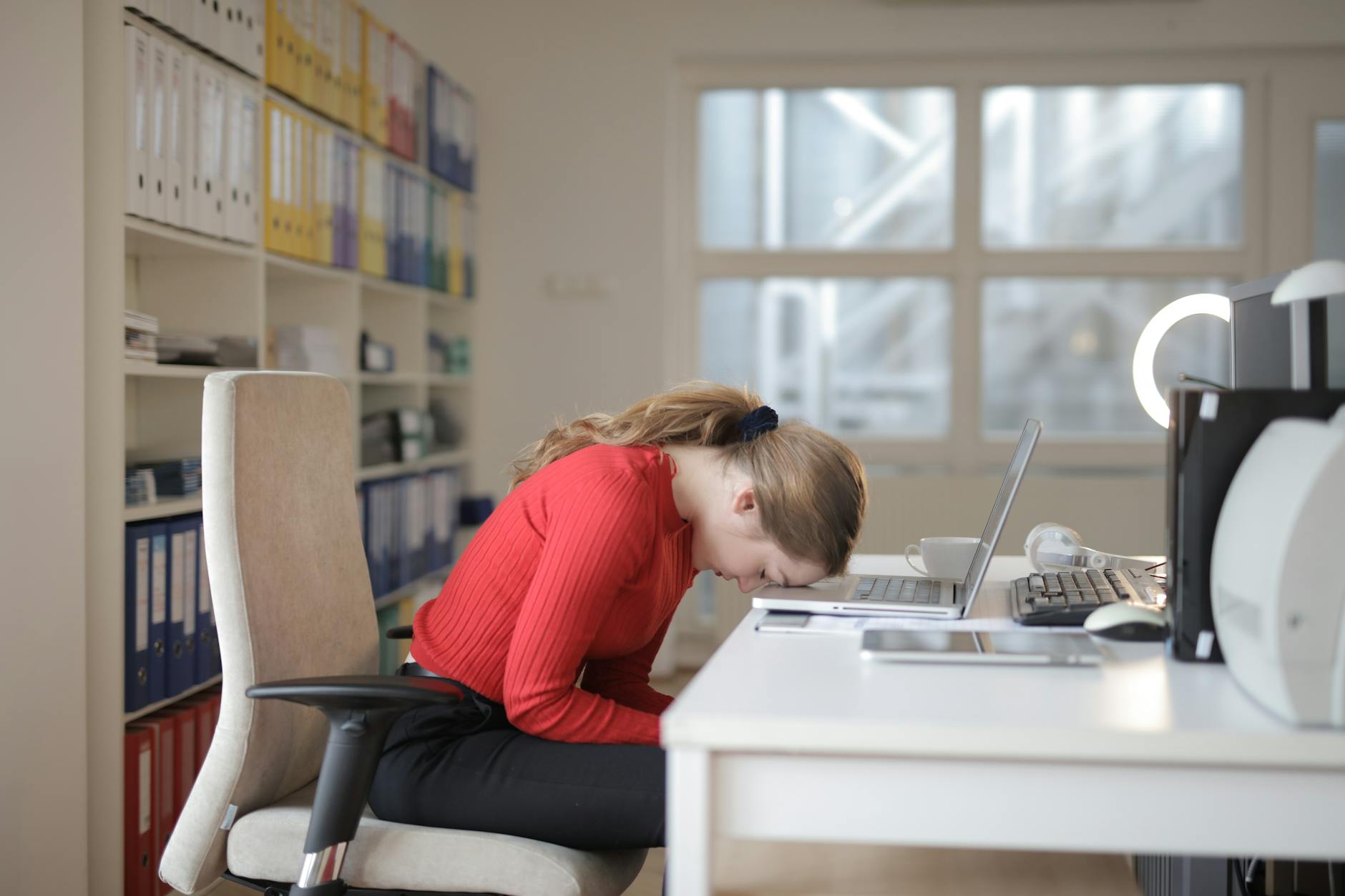
The question of whether lack of sleep can cause acne flare ups concerns millions of people who notice their skin worsening after nights of poor rest. Sleep deprivation has become endemic in modern society, with the CDC reporting that one-third of American adults regularly get less than the recommended seven hours per night. For those already struggling with acne-prone skin, this chronic sleep deficit may be doing more damage than dark circles under the eyes. The relationship between sleep and skin health extends far beyond surface-level observations. When the body is deprived of adequate rest, a cascade of hormonal and inflammatory responses begins that can directly impact sebum production, skin cell turnover, and the skin’s ability to repair itself.
These biological processes create conditions that favor the development of comedones, inflammatory lesions, and prolonged healing times for existing breakouts. Understanding this connection provides a powerful tool for anyone seeking clearer skin through lifestyle modifications. This article examines the scientific mechanisms linking sleep deprivation to acne, explores how different aspects of poor sleep quality affect skin health, and provides practical strategies for optimizing both sleep habits and skincare routines. Readers will gain insight into the hormonal pathways involved, learn how stress and sleep interact to affect skin, and discover evidence-based approaches to breaking the cycle of sleeplessness and breakouts. The information presented here draws from dermatological research, sleep science, and clinical observations to provide a comprehensive understanding of this often-overlooked factor in acne management.
Table of Contents
- How Does Sleep Deprivation Trigger Acne Breakouts?
- The Role of Sleep Quality in Skin Inflammation and Acne
- Sleep Deprivation, Stress, and the Acne Connection
- How to Improve Sleep Habits to Prevent Acne Flare Ups
- Common Sleep Disorders That May Worsen Acne Symptoms
- The Impact of Sleep on Acne Treatment Effectiveness
- How to Prepare
- How to Apply This
- Expert Tips
- Conclusion
- Frequently Asked Questions
How Does Sleep Deprivation Trigger Acne Breakouts?
Sleep deprivation triggers acne breakouts through multiple interconnected biological pathways that affect nearly every aspect of skin function. The most significant mechanism involves the stress hormone cortisol, which rises sharply when the body fails to get adequate rest. Elevated cortisol levels stimulate the sebaceous glands to produce excess oil, creating the greasy environment that acne-causing bacteria thrive in. Research published in the Journal of Investigative Dermatology has demonstrated that even a single night of poor sleep can increase cortisol levels by 37 percent, with cumulative sleep debt producing even more pronounced hormonal disruptions.
Beyond cortisol, sleep deprivation affects insulin sensitivity and blood sugar regulation in ways that promote acne development. When sleep-deprived, the body becomes less efficient at processing glucose, leading to elevated blood sugar and corresponding spikes in insulin. High insulin levels trigger a cascade that increases androgen hormones and insulin-like growth factor 1 (IGF-1), both of which stimulate sebaceous gland activity and abnormal keratinocyte proliferation. This combination of excess sebum and irregular skin cell shedding creates the perfect conditions for clogged pores and subsequent inflammation.
- **Cortisol elevation**: Sleep deprivation causes sustained high cortisol, which directly increases sebum production and promotes inflammation throughout the skin
- **Impaired skin barrier function**: Lack of rest compromises the skin’s protective barrier, making it more susceptible to bacterial colonization and environmental irritants
- **Reduced cellular repair**: The body performs critical skin repair and regeneration during deep sleep phases, and interruption of these processes leads to slower healing and increased scarring

The Role of Sleep Quality in Skin Inflammation and Acne
Sleep quality matters as much as sleep quantity when examining the connection between rest and acne flare ups. Fragmented sleep, frequent awakenings, and failure to achieve sufficient deep sleep stages all contribute to systemic inflammation that manifests in the skin. During the deeper stages of non-REM sleep, the body releases growth hormone and engages in tissue repair, including the regeneration of skin cells and the resolution of inflammatory processes.
When these sleep stages are curtailed or disrupted, inflammatory markers such as interleukin-6 (IL-6) and tumor necrosis factor-alpha (TNF-α) remain elevated, directly contributing to the inflammatory component of acne. Studies using polysomnography to measure sleep architecture have found correlations between reduced slow-wave sleep and increased skin inflammation. Participants who spent less time in deep sleep showed higher levels of pro-inflammatory cytokines and reported more frequent acne breakouts over the study period. The inflammatory state created by poor sleep quality also affects the skin’s microbiome, potentially allowing Cutibacterium acnes (formerly Propionibacterium acnes) to proliferate unchecked and trigger immune responses that result in pustules and cystic lesions.
- **Cytokine imbalance**: Poor sleep quality shifts the body toward a pro-inflammatory state, exacerbating existing acne and creating conditions for new lesions
- **Microbiome disruption**: Sleep-related immune dysfunction can alter the balance of skin bacteria, favoring acne-causing organisms
- **Oxidative stress**: Inadequate rest increases free radical production while reducing antioxidant defenses, causing cellular damage that impairs skin health
Sleep Deprivation, Stress, and the Acne Connection
The relationship between sleep deprivation and acne becomes more complex when considering the bidirectional connection with psychological stress. Poor sleep increases perceived stress levels, while stress itself makes falling and staying asleep more difficult, creating a self-reinforcing cycle that amplifies skin problems. This stress-sleep-acne triangle operates through shared hormonal pathways, particularly the hypothalamic-pituitary-adrenal (HPA) axis, which governs the body’s stress response and influences numerous processes relevant to skin health.
Chronic stress resulting from or contributing to sleep problems activates the sympathetic nervous system, keeping the body in a heightened state of alertness that impairs normal skin function. Blood flow patterns shift away from the skin toward vital organs, reducing the delivery of nutrients and oxygen necessary for healthy cell turnover. Additionally, stress-related behaviors often worsen when sleep-deprived””people are more likely to consume sugary foods, skip skincare routines, and touch their faces, all of which can trigger or exacerbate acne.
- **HPA axis dysregulation**: The stress response system becomes overactive with sleep deprivation, maintaining elevated cortisol and promoting inflammation
- **Behavioral changes**: Sleep-deprived individuals often engage in habits that worsen acne, including poor dietary choices and inconsistent skincare
How to Improve Sleep Habits to Prevent Acne Flare Ups
Improving sleep habits represents one of the most accessible interventions for reducing acne flare ups triggered by poor rest. Establishing a consistent sleep schedule ranks among the most effective strategies, as the body’s circadian rhythm governs not only sleep-wake cycles but also hormone release patterns that affect skin health. Going to bed and waking at the same times each day, including weekends, helps synchronize these internal rhythms and optimize the hormonal environment for clear skin. Research indicates that irregular sleep schedules can disrupt cortisol patterns even when total sleep duration remains adequate.
Creating an optimal sleep environment involves controlling factors that commonly interfere with rest quality. Temperature plays a critical role, with most sleep scientists recommending a bedroom temperature between 65 and 68 degrees Fahrenheit for optimal sleep. Light exposure, particularly from electronic screens, suppresses melatonin production and delays sleep onset. Implementing a digital curfew at least one hour before bed and using blackout curtains or a sleep mask can significantly improve both sleep quality and duration, with downstream benefits for skin health.
- **Consistent timing**: Maintaining regular sleep and wake times stabilizes hormones that affect sebum production and skin inflammation
- **Environment optimization**: Cool, dark, quiet sleeping conditions support deeper, more restorative sleep that benefits skin repair processes
- **Pre-sleep routine**: Establishing calming activities before bed reduces stress hormones and prepares the body for quality rest
Common Sleep Disorders That May Worsen Acne Symptoms
Several sleep disorders can significantly worsen acne symptoms by preventing restorative sleep even when time in bed appears adequate. Sleep apnea, characterized by repeated breathing interruptions during sleep, causes frequent awakenings and oxygen desaturation that trigger inflammatory responses throughout the body. Studies have found that individuals with untreated obstructive sleep apnea have higher levels of inflammatory markers associated with acne and often experience improvement in skin conditions after beginning continuous positive airway pressure (CPAP) therapy.
Insomnia disorder, affecting approximately 10 percent of the adult population, creates chronic sleep deprivation that sustains the hormonal and inflammatory conditions favorable to acne development. Unlike occasional sleeplessness, chronic insomnia involves persistent difficulty initiating or maintaining sleep despite adequate opportunity, leading to accumulated sleep debt that compounds over time. Circadian rhythm disorders, including delayed sleep phase syndrome common in adolescents and young adults, can similarly disrupt the timing of hormonal releases that affect skin, even when total sleep duration falls within normal ranges.
- **Sleep apnea**: Breathing-related sleep disorders cause systemic inflammation and hormonal disruption that can manifest as worsening acne
- **Chronic insomnia**: Persistent sleep difficulties maintain elevated cortisol and inflammatory markers that promote breakouts
The Impact of Sleep on Acne Treatment Effectiveness
Sleep quality directly influences how well acne treatments work, affecting everything from medication metabolism to the skin’s ability to tolerate active ingredients. Many topical acne treatments, including retinoids and benzoyl peroxide, work by accelerating cell turnover and reducing bacterial populations””processes that primarily occur during sleep when the skin enters repair mode. Using these treatments at night takes advantage of the body’s natural regenerative timing and avoids potential photosensitivity issues with daytime application.
Oral acne medications may also show variable effectiveness based on sleep patterns. Antibiotics and hormonal treatments depend on proper metabolic function for absorption and processing, both of which are compromised during sleep deprivation. Furthermore, the immune system modulation achieved by adequate sleep supports the body’s natural ability to fight the bacterial component of acne, potentially reducing the dose or duration of antibiotic therapy needed to achieve clear skin.
How to Prepare
- **Audit your sleep environment** by evaluating your bedroom for light leaks, temperature issues, and noise sources that might be disrupting sleep without your awareness. Install blackout curtains if streetlights or early morning sun enter your room, and consider a white noise machine if environmental sounds cause frequent awakenings.
- **Establish a technology cutoff time** at least 60 to 90 minutes before your intended sleep time, moving phones and tablets out of the bedroom entirely if possible. The blue light from screens suppresses melatonin production by up to 50 percent, making it harder to fall asleep and reducing sleep quality throughout the night.
- **Evaluate caffeine and alcohol consumption patterns**, recognizing that caffeine has a half-life of five to six hours and can affect sleep even when consumed in the early afternoon. Alcohol, while initially sedating, fragments sleep architecture and prevents the deep sleep stages necessary for skin repair.
- **Create a pre-sleep routine** lasting 30 to 60 minutes that signals to your body that sleep is approaching. This might include gentle stretching, reading physical books, taking a warm bath, or practicing relaxation techniques like progressive muscle relaxation.
- **Address any underlying sleep disorders** by consulting with a healthcare provider if you experience symptoms like loud snoring, gasping during sleep, or persistent difficulty falling or staying asleep despite good sleep hygiene practices.
How to Apply This
- **Coordinate skincare with sleep timing** by applying active treatments like retinoids, alpha hydroxy acids, and benzoyl peroxide during your evening routine to maximize their effectiveness during the skin’s nighttime repair phase.
- **Use clean pillowcases** changed every two to three days, or use a silk or copper-infused pillowcase that reduces friction and bacterial buildup, minimizing one source of acne-triggering irritation during sleep.
- **Implement stress-reduction techniques** before bed to lower cortisol levels, choosing methods like meditation, deep breathing exercises, or journaling that calm the nervous system and prepare the body for restorative sleep.
- **Track your sleep and skin** using a simple journal or app to identify patterns between sleep quality, duration, and acne flare ups, allowing you to pinpoint specific sleep-related triggers for your breakouts.
Expert Tips
- **Prioritize consistency over duration initially**: Keeping the same sleep and wake times, even on weekends, often proves more beneficial for acne than simply trying to sleep more hours at irregular times, as consistent timing better regulates the hormones affecting sebum production.
- **Consider your sleeping position**: Side and stomach sleepers experience more direct contact between facial skin and pillowcases, increasing the transfer of oils, bacteria, and irritants; back sleeping, while difficult to maintain, minimizes this contact and may reduce breakouts on the cheeks and chin.
- **Watch for sleep-disrupting skincare ingredients**: Some active ingredients like certain forms of vitamin C and high-concentration acids can cause tingling or discomfort that interferes with falling asleep; if this occurs, consider applying these products earlier in the evening or switching to morning application.
- **Don’t compensate for poor sleep with excessive caffeine**: While caffeine may help you function during the day, high consumption perpetuates the cycle of poor sleep and can increase cortisol levels, potentially worsening acne even as it temporarily improves alertness.
- **Address sleep issues before increasing acne treatment intensity**: If breakouts are worsening despite consistent topical treatment, improving sleep quality may produce better results than adding stronger medications, with fewer side effects and broader health benefits.
Conclusion
The evidence connecting lack of sleep to acne flare ups extends across multiple biological systems, from hormonal regulation to immune function to the skin’s own repair mechanisms. Understanding these connections reveals that treating acne effectively often requires looking beyond the medicine cabinet to address the lifestyle factors that create favorable conditions for breakouts. Sleep optimization represents a particularly powerful intervention because of its far-reaching effects on the body systems that influence skin health, offering benefits that complement and enhance traditional acne treatments.
Addressing sleep-related acne triggers requires patience and consistency, as the body needs time to restore normal hormone patterns and reduce accumulated inflammation. Most people notice improvements in skin clarity within two to four weeks of implementing better sleep habits, though this timeline varies based on the severity of prior sleep deprivation and individual factors. Those struggling with persistent sleep problems or severe acne should consider consulting healthcare providers who can evaluate for underlying conditions and coordinate treatment approaches. Taking sleep seriously as a component of skin health opens new possibilities for achieving and maintaining clear skin through sustainable lifestyle practices rather than relying solely on increasingly aggressive topical and oral treatments.
Frequently Asked Questions
How long does it typically take to see results?
Results vary depending on individual circumstances, but most people begin to see meaningful progress within 4-8 weeks of consistent effort. Patience and persistence are key factors in achieving lasting outcomes.
Is this approach suitable for beginners?
Yes, this approach works well for beginners when implemented gradually. Starting with the fundamentals and building up over time leads to better long-term results than trying to do everything at once.
What are the most common mistakes to avoid?
The most common mistakes include rushing the process, skipping foundational steps, and failing to track progress. Taking a methodical approach and learning from both successes and setbacks leads to better outcomes.
How can I measure my progress effectively?
Set specific, measurable goals at the outset and track relevant metrics regularly. Keep a journal or log to document your journey, and periodically review your progress against your initial objectives.
When should I seek professional help?
Consider consulting a professional if you encounter persistent challenges, need specialized expertise, or want to accelerate your progress. Professional guidance can provide valuable insights and help you avoid costly mistakes.
What resources do you recommend for further learning?
Look for reputable sources in the field, including industry publications, expert blogs, and educational courses. Joining communities of practitioners can also provide valuable peer support and knowledge sharing.