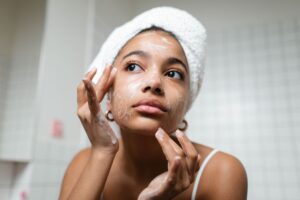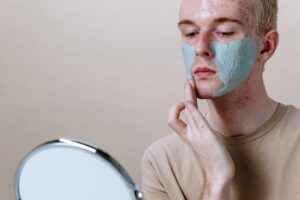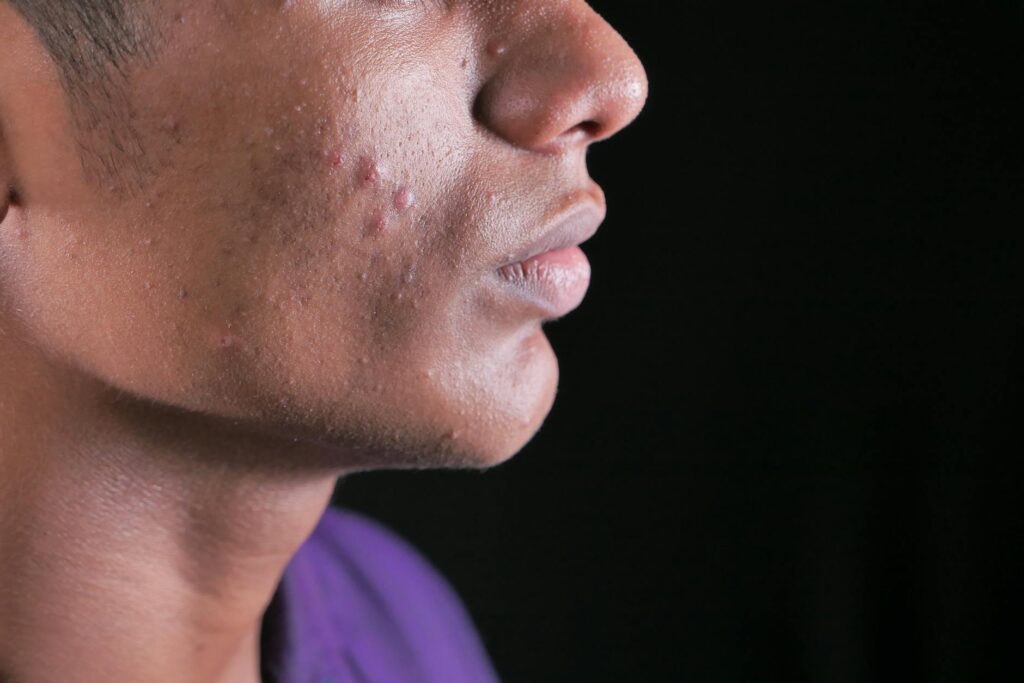
Learning how to use azelaic acid for acne and rosacea can transform your skincare routine, offering a gentler alternative to more aggressive treatments while delivering measurable results for two of the most common skin conditions affecting adults worldwide. This multitasking ingredient has gained significant attention in dermatological circles for its ability to address inflammation, bacteria, and uneven skin tone simultaneously, making it particularly valuable for those dealing with both acne breakouts and rosacea flare-ups. Unlike many acne treatments that prove too harsh for rosacea-prone skin, azelaic acid occupies a unique middle ground that works across both conditions without triggering the irritation that often accompanies other active ingredients. Acne affects approximately 85% of people between ages 12 and 24, while rosacea impacts an estimated 16 million Americans, many of whom struggle to find treatments that don’t exacerbate their symptoms. The frustration of managing these conditions often leads people through countless products that either fail to deliver results or create new problems in the form of dryness, peeling, and sensitivity.
Azelaic acid addresses this challenge by working through multiple mechanisms simultaneously: it kills the bacteria responsible for inflammatory acne, reduces keratin production that clogs pores, and calms the inflammation at the heart of rosacea’s characteristic redness. This versatility explains why dermatologists increasingly recommend it as a first-line treatment or complementary therapy. By the end of this article, you will understand exactly how azelaic acid works on a cellular level, which concentrations and formulations suit different skin types and conditions, how to incorporate it into your existing routine without causing irritation, and what realistic results to expect over time. The information provided draws from clinical research, dermatological guidelines, and practical application strategies that have proven effective across diverse skin types. Whether you’re dealing with stubborn hormonal acne, papulopustular rosacea, or the frustrating combination of both, this comprehensive guide will equip you with the knowledge to use azelaic acid effectively and safely.
Table of Contents
- What Is Azelaic Acid and How Does It Treat Acne and Rosacea?
- Azelaic Acid Concentrations and Formulations for Different Skin Conditions
- Comparing Azelaic Acid to Other Acne and Rosacea Treatments
- Building an Effective Skincare Routine with Azelaic Acid
- Managing Side Effects and Overcoming Common Azelaic Acid Challenges
- Long-Term Results and Maintenance Therapy with Azelaic Acid
- How to Prepare
- How to Apply This
- Expert Tips
- Conclusion
- Frequently Asked Questions
What Is Azelaic Acid and How Does It Treat Acne and Rosacea?
Azelaic acid is a naturally occurring dicarboxylic acid produced by a yeast called Malassezia furfur, which lives on normal human skin. In its synthetic form used in skincare products, this ingredient functions as an antibacterial, anti-inflammatory, and keratolytic agent, meaning it addresses multiple factors contributing to both acne and rosacea. The compound works by inhibiting the growth of Propionibacterium acnes, the bacteria responsible for inflammatory acne lesions, while also normalizing the keratinization process that leads to clogged pores. For rosacea patients, azelaic acid reduces the production of reactive oxygen species and inhibits the release of pro-inflammatory cytokines, effectively calming the persistent redness and bumps characteristic of this condition.
The mechanism behind azelaic acid’s effectiveness involves its ability to penetrate the follicular opening and accumulate in the skin at therapeutic concentrations. Once absorbed, it interferes with DNA synthesis in bacteria without developing resistance, a significant advantage over topical antibiotics that can lose effectiveness over time. For acne treatment, studies show that 15-20% azelaic acid preparations demonstrate comparable efficacy to benzoyl peroxide, tretinoin, and topical erythromycin in reducing both inflammatory and non-inflammatory lesions. In rosacea treatment, the anti-inflammatory properties help reduce the papules and pustules of subtype 2 rosacea while also addressing the background erythema that makes this condition so visible and distressing.
- Azelaic acid inhibits tyrosinase, an enzyme involved in melanin production, which helps fade post-inflammatory hyperpigmentation left behind by acne lesions
- The ingredient demonstrates antimicrobial activity against both gram-positive and gram-negative bacteria, providing broad-spectrum coverage against acne-causing organisms
- Unlike retinoids and benzoyl peroxide, azelaic acid does not increase photosensitivity, making it suitable for year-round use without additional sun protection concerns beyond standard recommendations
Azelaic Acid Concentrations and Formulations for Different Skin Conditions
The concentration of azelaic acid determines both its effectiveness and how it can be obtained. Prescription formulations typically contain 15% to 20% azelaic acid and are FDA-approved specifically for treating acne vulgaris and rosacea. Finacea gel contains 15% azelaic acid and holds approval for the inflammatory papules and pustules of mild to moderate rosacea, while Azelex cream at 20% concentration is approved for mild to moderate acne. Over-the-counter products generally contain 10% or less azelaic acid, which can still provide benefits for maintenance therapy or for those with sensitive skin who cannot tolerate higher concentrations.
Formulation type significantly impacts how azelaic acid performs on the skin. Gel formulations tend to absorb more quickly and work well for oily or acne-prone skin types, while cream formulations provide additional moisturization beneficial for rosacea patients who often experience dryness and compromised skin barriers. Some newer formulations incorporate azelaic acid into foam or suspension vehicles that enhance penetration while minimizing the grainy texture that older preparations sometimes exhibited. The base ingredients in any formulation matter considerably, particularly for rosacea-prone skin, where common additives like fragrance, alcohol, or certain preservatives can trigger flare-ups despite the therapeutic benefits of the active ingredient.
- Prescription 15% azelaic acid gel shows 70% improvement in inflammatory rosacea lesions after 15 weeks of treatment in clinical trials
- Over-the-counter 10% formulations can serve as effective maintenance therapy after achieving initial clearing with prescription-strength products
- Compounding pharmacies can prepare custom concentrations for patients who need formulations between standard strengths or specific bases that avoid common irritants
Comparing Azelaic Acid to Other Acne and Rosacea Treatments
Azelaic acid occupies a distinct position in the treatment landscape, offering advantages and limitations compared to other common therapies. When compared to benzoyl peroxide for acne, azelaic acid demonstrates similar efficacy against inflammatory lesions but causes significantly less dryness, peeling, and irritation. Benzoyl peroxide works faster for some patients and excels at killing bacteria, but it bleaches fabrics and can be too harsh for those with concurrent rosacea or sensitive skin.
Azelaic acid provides the additional benefit of addressing hyperpigmentation, something benzoyl peroxide cannot do. Retinoids remain the gold standard for comedonal acne and anti-aging benefits, but they present challenges for rosacea patients due to their potential for irritation and their tendency to exacerbate rosacea symptoms during the adjustment period. Azelaic acid can often be used by patients who cannot tolerate retinoids, and some dermatologists recommend combining the two ingredients on alternating nights once skin has adapted to each individually. For rosacea specifically, azelaic acid competes with topical metronidazole and ivermectin, with studies showing comparable or superior results for papulopustular rosacea while also addressing the post-inflammatory hyperpigmentation that these alternatives do not target.
- Azelaic acid is pregnancy category B, making it one of the few effective acne treatments considered safe during pregnancy, unlike retinoids which are contraindicated
- The ingredient does not cause bacterial resistance, unlike topical antibiotics such as clindamycin and erythromycin that are losing effectiveness due to widespread resistance
- Combination therapy using azelaic acid with other treatments often produces better results than monotherapy, particularly when paired with gentle retinoids or niacinamide
Building an Effective Skincare Routine with Azelaic Acid
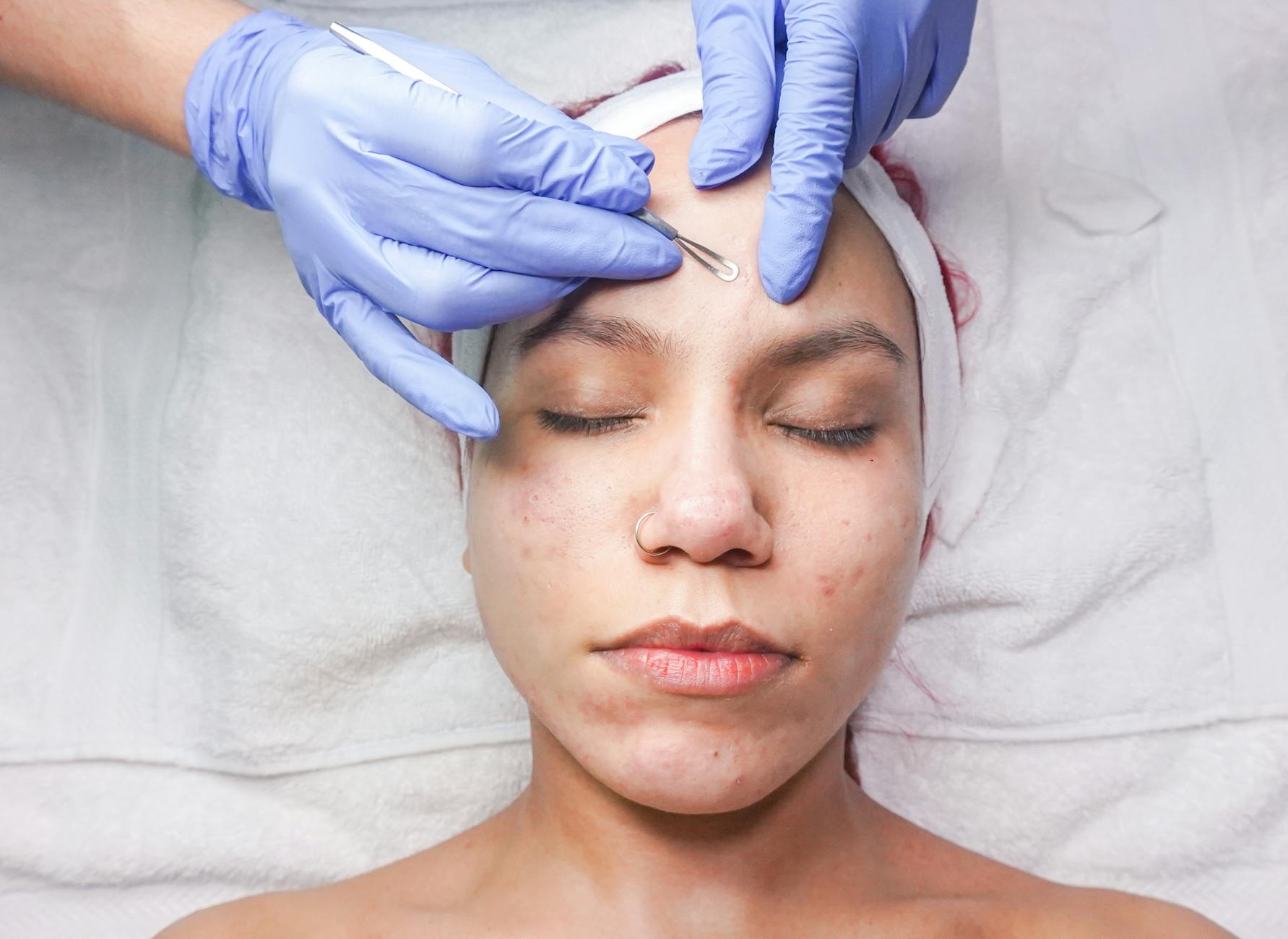
Incorporating azelaic acid into your skincare routine requires strategic planning to maximize benefits while avoiding irritation or interference with other products. The ingredient works well in most routine positions but performs optimally when applied to clean, dry skin before heavier treatments and moisturizers. For most users, applying azelaic acid in the morning takes advantage of its lack of photosensitivity while reserving evening slots for retinoids or other actives that benefit from overnight contact time. Those with particularly sensitive skin may find better tolerance when applying azelaic acid over a thin layer of moisturizer, a technique called buffering that slightly reduces penetration but dramatically decreases irritation potential.
The sequence of your routine matters considerably when using multiple active ingredients. Azelaic acid has a pH around 4.5-5, which sits comfortably within the range of normal skin pH and does not require waiting periods after application as vitamin C serums sometimes do. When using alongside niacinamide, which pairs exceptionally well with azelaic acid, either product can be applied first without issue. However, using azelaic acid with exfoliating acids like glycolic or salicylic acid in the same routine can lead to over-exfoliation, so alternating days or using them at different times of day proves more sustainable for long-term use.
- Start with once-daily application for the first two weeks, then increase to twice daily if no irritation occurs
- Allow azelaic acid to absorb for 2-3 minutes before applying subsequent products to ensure adequate penetration
- Use a gentle, non-foaming cleanser before azelaic acid application to avoid stripping the skin barrier and increasing sensitivity to the active ingredient
Managing Side Effects and Overcoming Common Azelaic Acid Challenges
While azelaic acid is generally well-tolerated compared to many acne treatments, some users experience initial side effects that can discourage continued use. The most common complaints include tingling, burning, or itching upon application, particularly during the first few weeks of use. These sensations typically subside within 15-30 minutes and diminish over time as the skin adjusts. A temporary increase in redness may occur, which can be particularly concerning for rosacea patients, but this initial reaction usually resolves within the first month of consistent use.
Dryness and mild peeling affect a smaller percentage of users and can be managed by adjusting application frequency or incorporating additional moisturization into the routine. Using a ceramide-containing moisturizer after azelaic acid helps restore barrier function and reduces transepidermal water loss. Some formulations contain propylene glycol or other penetration enhancers that increase irritation potential, so switching between different products at the same concentration can sometimes resolve tolerance issues. The grainy texture of certain azelaic acid preparations can make application unpleasant, but newer micronized formulations have largely addressed this concern.
- If burning persists beyond the first month or worsens with continued use, reducing application frequency or switching to a lower concentration often helps
- Applying azelaic acid to damp skin increases penetration and can intensify both effects and side effects, so ensure skin is completely dry before application
- Purging, a temporary increase in breakouts as the skin adjusts, can occur but typically resolves within 4-6 weeks and indicates the product is working to bring existing clogs to the surface
Long-Term Results and Maintenance Therapy with Azelaic Acid
Unlike some treatments that lose effectiveness over time, azelaic acid maintains its efficacy with continued use and does not induce bacterial resistance or tachyphylaxis. Clinical studies following patients for 12 months or longer show sustained improvement in both acne and rosacea when azelaic acid is used consistently. For acne patients, this means azelaic acid can serve as a long-term maintenance treatment after achieving initial clearing, helping prevent new breakouts without the concerns associated with indefinite antibiotic use. Rosacea patients particularly benefit from this stability, as their condition requires ongoing management rather than a cure.
The hyperpigmentation-reducing effects of azelaic acid continue to improve over time, with studies showing progressive lightening of post-inflammatory marks over 3-6 months of use. Patients who have achieved their desired results can often reduce application frequency to once daily or every other day for maintenance while retaining benefits. Some dermatologists recommend periodic breaks from treatment, while others advocate for continuous use given the excellent safety profile. Individual response guides these decisions, and maintaining regular follow-up appointments allows for adjustments based on how the skin responds over time.
How to Prepare
- **Assess your current routine for potential conflicts** by reviewing all products you use regularly. Remove or phase out other strong actives like benzoyl peroxide, retinoids, or exfoliating acids during the first 2-4 weeks of azelaic acid use to prevent overloading the skin with too many active ingredients simultaneously.
- **Document your baseline skin condition** by taking clear photos in consistent lighting. This allows you to track progress objectively, since daily mirror checks often miss gradual improvements that become obvious when comparing photos from weeks or months apart.
- **Simplify your routine to essentials** consisting of a gentle cleanser, moisturizer, and sunscreen. This minimal approach helps identify any reactions specifically caused by azelaic acid rather than interactions with other products, and it gives your skin a stable foundation before introducing the new active.
- **Patch test the product on a small area** such as behind the ear or along the jawline for 3-5 days before full-face application. This step proves particularly valuable for rosacea patients whose skin may react unpredictably to new products despite generally good tolerance reported in studies.
- **Set realistic expectations for timeline** understanding that meaningful improvement typically requires 4-12 weeks of consistent use. Knowing this prevents the common mistake of abandoning treatment prematurely when dramatic changes don’t appear within the first few applications.
How to Apply This
- **Cleanse your face thoroughly** using lukewarm water and a gentle, non-stripping cleanser, then pat completely dry with a clean towel. Applying azelaic acid to dry rather than damp skin reduces penetration enough to minimize irritation while still allowing therapeutic levels to absorb.
- **Dispense a pea-sized amount** for the entire face, spreading a thin, even layer across the forehead, cheeks, nose, and chin while avoiding the immediate eye area, nostrils, and lips. A thin layer absorbs better and causes less irritation than applying excess product, which tends to sit on the skin surface and transfer to pillows or clothing.
- **Allow 2-3 minutes for absorption** before applying subsequent products, ensuring the azelaic acid has penetrated sufficiently to remain effective. You can use this waiting time to perform other parts of your routine, such as applying eye cream or brushing teeth.
- **Follow with moisturizer and sunscreen** in the morning, or moisturizer alone at night, sealing in the treatment while providing additional skin barrier support. Choose products free of fragrance and known irritants, particularly if treating rosacea, to avoid undermining the anti-inflammatory benefits of azelaic acid.
Expert Tips
- **Start with nighttime application only** during the first two weeks, as any tingling or temporary redness will be less noticeable while you sleep, and you can assess skin tolerance the next morning before committing to twice-daily use
- **Keep azelaic acid away from broken skin or active eczema patches** because compromised barrier areas will absorb the product more deeply and can develop prolonged irritation or burning that delays healing
- **Layer niacinamide underneath azelaic acid** to enhance both tolerance and efficacy, as these two ingredients work synergistically to reduce inflammation, improve skin barrier function, and address hyperpigmentation through complementary pathways
- **Consider prescription strength from the start** if you have moderate to severe acne or rosacea, since over-the-counter concentrations may not provide adequate therapeutic effect and delay improvement, whereas prescription products deliver proven results
- **Use azelaic acid consistently for at least 12 weeks** before evaluating whether it works for your skin, as premature discontinuation remains the most common reason for treatment failure among patients who would otherwise have responded well
Conclusion
Understanding how to use azelaic acid for acne and rosacea effectively requires knowledge of the ingredient’s mechanisms, appropriate concentrations, proper application techniques, and realistic expectations for results. This multifunctional treatment addresses inflammation, bacteria, abnormal keratinization, and hyperpigmentation through pathways that complement rather than duplicate other common therapies. For patients who have struggled with the irritation caused by benzoyl peroxide, the dryness from retinoids, or the resistance development with topical antibiotics, azelaic acid offers a sustainable alternative that maintains effectiveness over long-term use without compromising skin barrier health.
The evidence supporting azelaic acid for both acne and rosacea continues to grow, with dermatologists increasingly recommending it as a first-line option or valuable addition to combination regimens. Success with this ingredient depends on proper preparation, consistent application, patience during the adjustment period, and attention to how your individual skin responds over time. Whether you begin with prescription-strength formulations for faster results or prefer to start with over-the-counter options to test tolerance, the strategies outlined in this guide provide a framework for incorporating azelaic acid into your routine safely and effectively. With consistent use and appropriate expectations, most users find azelaic acid becomes a reliable cornerstone of their skincare approach for managing these common conditions.
Frequently Asked Questions
How long does it typically take to see results?
Results vary depending on individual circumstances, but most people begin to see meaningful progress within 4-8 weeks of consistent effort. Patience and persistence are key factors in achieving lasting outcomes.
Is this approach suitable for beginners?
Yes, this approach works well for beginners when implemented gradually. Starting with the fundamentals and building up over time leads to better long-term results than trying to do everything at once.
What are the most common mistakes to avoid?
The most common mistakes include rushing the process, skipping foundational steps, and failing to track progress. Taking a methodical approach and learning from both successes and setbacks leads to better outcomes.
How can I measure my progress effectively?
Set specific, measurable goals at the outset and track relevant metrics regularly. Keep a journal or log to document your journey, and periodically review your progress against your initial objectives.
When should I seek professional help?
Consider consulting a professional if you encounter persistent challenges, need specialized expertise, or want to accelerate your progress. Professional guidance can provide valuable insights and help you avoid costly mistakes.
What resources do you recommend for further learning?
Look for reputable sources in the field, including industry publications, expert blogs, and educational courses. Joining communities of practitioners can also provide valuable peer support and knowledge sharing.