

Understanding what causes clogged pores on nose and cheeks is essential for anyone dealing with persistent blackheads, whiteheads, or a rough, uneven skin texture in these areas. The nose and cheeks represent some of the most visible real estate on the face, and when pores become congested in these zones, the effects are difficult to ignore. These facial regions share a common characteristic that makes them particularly vulnerable to pore blockages: they contain a higher concentration of sebaceous glands than almost any other area of the body, producing oil around the clock and creating prime conditions for debris accumulation. The frustration of dealing with clogged pores in these areas extends beyond aesthetics.
Congested pores can serve as the foundation for more severe acne conditions, including inflammatory papules, pustules, and even cystic breakouts when bacteria colonize the trapped sebum and dead skin cells. Many people find themselves caught in a cycle of attempting to extract or scrub away the problem, only to discover that aggressive approaches often worsen the situation. The nose, in particular, presents unique challenges due to its prominent position and the distinctive structure of its pores, which tend to be larger and more visible than those on surrounding skin. By the end of this article, readers will gain a thorough understanding of the biological mechanisms behind pore congestion, the specific factors that make the nose and cheek areas especially prone to blockages, and the environmental and lifestyle influences that exacerbate the problem. This knowledge forms the foundation for developing an effective, personalized approach to managing and preventing clogged pores rather than simply treating symptoms as they appear.
Table of Contents
- Why Do Pores Get Clogged on the Nose and Cheeks More Than Other Areas?
- The Role of Sebum and Dead Skin Cells in Pore Congestion
- Hormonal Factors That Contribute to Clogged Pores on the Face
- How Environmental Pollutants Clog Pores on the Nose and Cheek Areas
- Common Mistakes That Worsen Clogged Pores on the Nose and Cheeks
- The Connection Between Diet, Lifestyle, and Pore Health
- How to Prepare
- How to Apply This
- Expert Tips
- Conclusion
- Frequently Asked Questions
Why Do Pores Get Clogged on the Nose and Cheeks More Than Other Areas?
The nose and cheeks belong to what dermatologists call the T-zone and inner cheek region, areas characterized by exceptionally high sebaceous gland density. while the average square centimeter of facial skin contains approximately 100 sebaceous glands, the nose can have up to 400 to 900 glands per square centimeter, making it one of the oiliest regions on the entire body. This concentration exists because sebum serves protective functions, but in modern environments with pollution, cosmetics, and indoor heating, this evolutionary adaptation often works against clear skin.
The structural characteristics of nose pores differ from those elsewhere on the face. Pores on the nose tend to be physically larger and have a more open, funnel-like structure that readily collects environmental debris, dead skin cells, and excess sebum. The constant production of oil combines with the daily accumulation of particulate matter from the air, makeup residue, and naturally shedding keratinocytes to form plugs within these enlarged follicles. The cheeks, while typically less oily than the nose, still contain significant sebaceous activity, particularly in the inner cheek area adjacent to the nose.
- **Higher sebaceous gland concentration** creates more oil production and greater opportunity for pore blockages
- **Larger pore diameter** on the nose allows for accumulation of debris and more visible congestion
- **Prominent facial positioning** exposes these areas to more environmental pollutants and UV damage
- **Increased skin cell turnover** in oily areas leads to more dead cells available to mix with sebum
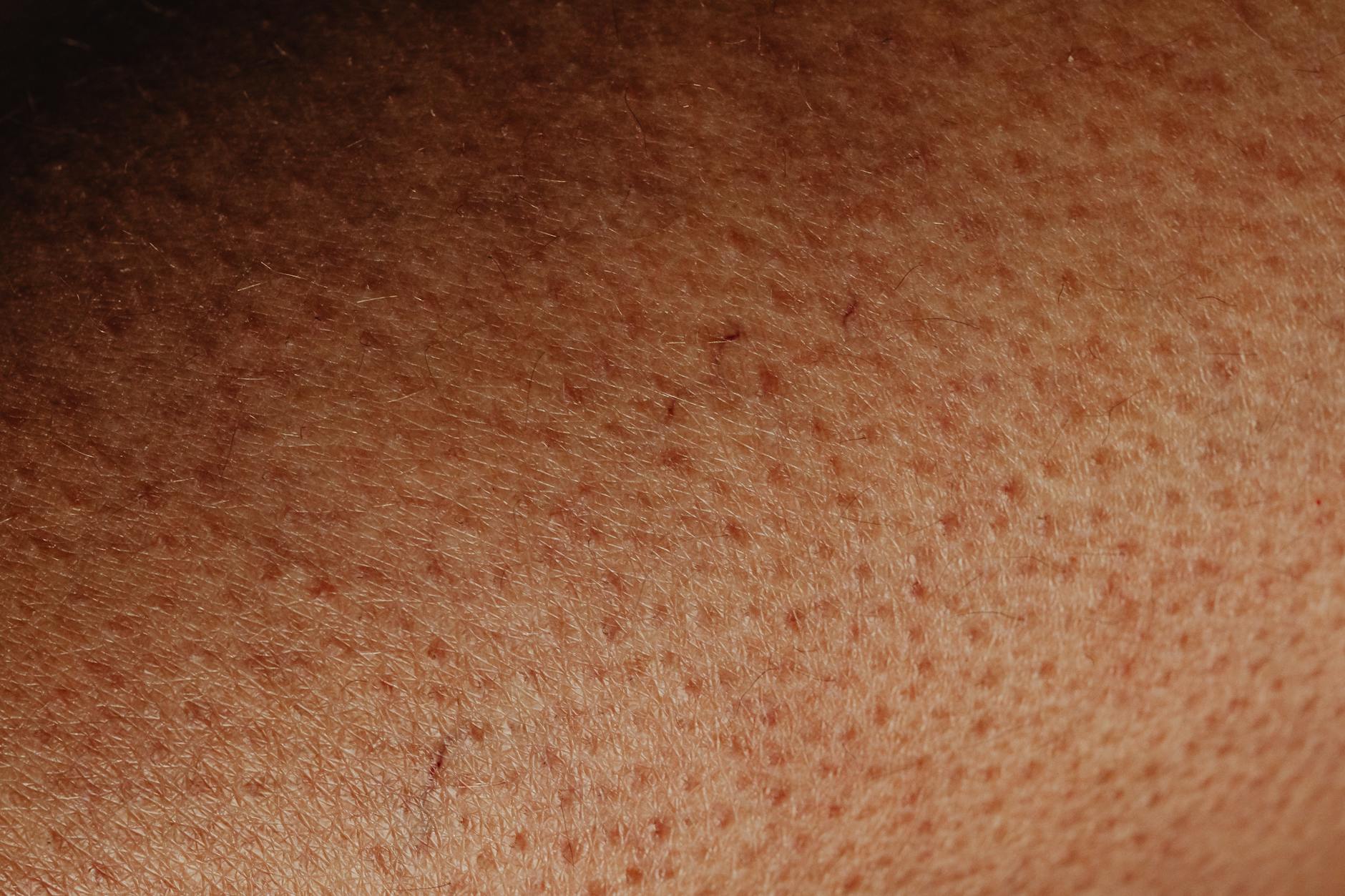
The Role of Sebum and Dead Skin Cells in Pore Congestion
Sebum itself is not inherently problematic. This lipid-rich substance produced by sebaceous glands serves critical functions including waterproofing the skin, maintaining the acid mantle, and providing antimicrobial protection. The issue arises when sebum production exceeds the skin’s ability to efficiently transport it to the surface and when it combines with other substances to form sticky, pore-clogging mixtures. The composition of sebum varies between individuals and can be influenced by diet, hormones, and genetics, with some people producing sebum that oxidizes more readily or has a thicker consistency prone to congestion.
Dead skin cells, technically called corneocytes, are constantly being produced as part of the skin’s natural renewal process. In healthy skin, these cells shed efficiently through a process called desquamation. However, when this process becomes impaired, whether due to dehydration, hormonal changes, aging, or certain skincare products, cells accumulate on the surface and within pore openings. The combination of sticky sebum and accumulated dead cells creates the perfect recipe for comedone formation. This mixture can remain beneath the surface as a whitehead or become exposed to air and oxidize into a blackhead.
- **Sebum oxidation** causes the darkening characteristic of blackheads when plugs are exposed to oxygen
- **Desquamation dysfunction** prevents proper shedding of dead cells, increasing congestion likelihood
- **Follicular hyperkeratinization** describes the abnormal buildup of keratin within pores that precedes most acne lesions
- **Sebum composition changes** with hormonal fluctuations can increase or decrease clogging tendency
Hormonal Factors That Contribute to Clogged Pores on the Face
Hormones represent one of the most significant internal factors influencing pore congestion, particularly on the nose and cheeks. Androgens, including testosterone and dihydrotestosterone, directly stimulate sebaceous gland activity, explaining why breakouts often intensify during puberty, around menstrual cycles, and during periods of stress when cortisol triggers androgen release. The sebaceous glands on the face are particularly responsive to hormonal signals, containing more androgen receptors than those on the body, which explains why facial skin tends to be oilier and more prone to congestion.
The hormonal influence on pore clogging extends beyond simple oil production. Fluctuations in estrogen and progesterone throughout the menstrual cycle affect skin hydration, cell turnover rates, and the consistency of sebum produced. Many women notice increased congestion in the week before menstruation when progesterone levels peak and estrogen drops. Conditions such as polycystic ovary syndrome, which involves elevated androgen levels, frequently manifest with persistent acne and clogged pores concentrated in the lower face and jawline but also affecting the nose and cheeks.
- **Androgen receptor sensitivity** varies between individuals, affecting sebum production response
- **Cortisol elevation** during stress triggers androgen release and increases oiliness
- **Insulin resistance** can increase androgen production, linking diet and lifestyle to pore health

How Environmental Pollutants Clog Pores on the Nose and Cheek Areas
The nose and cheeks, positioned prominently on the face, receive constant exposure to environmental pollutants that contribute significantly to pore congestion. Particulate matter, including PM2.5 and PM10 particles from vehicle exhaust, industrial emissions, and smoke, settles on facial skin throughout the day. These microscopic particles are small enough to penetrate pore openings, where they mix with sebum and dead cells to accelerate plug formation.
Studies have demonstrated that individuals living in high-pollution areas experience higher rates of comedonal acne and enlarged pores compared to those in cleaner environments. Beyond particulate matter, environmental factors include exposure to volatile organic compounds, cigarette smoke, and airborne chemicals that can alter sebum composition and impair the skin barrier. UV radiation from sunlight causes photodamage that thickens the outer layer of skin, a process called photoaging, which can trap debris within pores and reduce their ability to clear naturally. Indoor environments present their own challenges, with dry air from heating systems dehydrating the skin surface and paradoxically triggering increased oil production as a compensatory mechanism.
- **PM2.5 particles** can penetrate deep into pores, carrying oxidative compounds that damage sebum
- **UV exposure** thickens the stratum corneum, impeding natural pore clearing
- **Indoor heating** creates dehydrating conditions that trigger reactive sebum production
- **Cigarette smoke** exposure alters sebum composition and damages the skin barrier
Common Mistakes That Worsen Clogged Pores on the Nose and Cheeks
Many approaches people take to address clogged pores inadvertently make the problem worse, creating a frustrating cycle of congestion and irritation. Over-cleansing and using harsh, stripping cleansers represent perhaps the most common error. When the skin is stripped of its natural oils, it responds by producing even more sebum to compensate, leading to a rebound effect that increases pore congestion. This is particularly problematic on the nose, where sebaceous glands are already hyperactive and respond aggressively to perceived dryness.
Physical extraction of clogged pores, whether through squeezing, pore strips, or aggressive exfoliation, can damage the delicate pore lining and surrounding skin. This damage triggers an inflammatory response that can actually enlarge pores over time and create scarring. Pore strips, while satisfying in their immediate results, often remove only the superficial portion of the plug while leaving deeper congestion intact, and the adhesive can irritate sensitive skin. Using heavy, occlusive skincare products and cosmetics compounds the problem by creating a barrier that traps oil and debris beneath the surface.
- **Over-cleansing** triggers compensatory sebum production that worsens oiliness
- **Aggressive extraction** damages pore structure and can cause permanent enlargement
- **Comedogenic cosmetics** containing pore-clogging ingredients like certain oils and waxes
- **Skipping moisturizer** on oily areas leads to dehydration and reactive oil production
- **Inconsistent skincare routine** prevents the skin from achieving balanced function

The Connection Between Diet, Lifestyle, and Pore Health
Emerging research has established meaningful connections between dietary patterns and skin health, including pore congestion. High-glycemic foods that rapidly spike blood sugar trigger a cascade of hormonal responses, including insulin release, which influences androgen production and sebum output. Dairy consumption has also been associated with increased acne in multiple studies, potentially due to the hormones naturally present in milk and the insulin-like growth factors it contains. While diet alone rarely causes pore problems, it can significantly influence how prone skin is to congestion.
Lifestyle factors beyond diet also play substantial roles. Sleep deprivation elevates cortisol levels, creating the same sebum-stimulating effect as psychological stress. Dehydration from inadequate water intake can impair skin cell turnover and make sebum thicker and more likely to clog pores. Physical activity generally benefits skin health by improving circulation and reducing stress hormones, though sweat mixed with makeup or environmental debris during exercise requires prompt cleansing to prevent pore blockages.
How to Prepare
- **Assess your skin type accurately** by cleansing with a gentle, pH-balanced cleanser and waiting one hour without applying any products. Observe whether your nose and cheeks appear oily, dry, or a combination. Truly oily skin will show visible shine within 30 minutes, while combination skin may have shine only on the nose with normal or dry cheeks. This assessment guides product selection.
- **Review current products for comedogenic ingredients** by checking labels against known pore-clogging substances. Common culprits include coconut oil, isopropyl myristate, algae extract, and certain silicones. Eliminate products containing these ingredients, even if they are marketed for acne-prone skin, as formulations vary widely.
- **Establish a baseline skin condition** by taking clear photographs of your nose and cheeks in natural lighting. This documentation allows for objective assessment of progress over time, as changes in pore congestion often occur gradually and can be difficult to perceive day-to-day.
- **Gather appropriate active ingredients** based on your skin type. Those with oily skin benefit from salicylic acid and niacinamide, while combination or sensitive skin may tolerate gentler options like azelaic acid or mandelic acid. Purchase products with appropriate concentrations for beginners to avoid irritation.
- **Create a consistent schedule** that accounts for your lifestyle and allows for gradual introduction of active ingredients. Plan to introduce only one new product every two weeks to identify any adverse reactions and allow skin to adjust without overwhelming it.
How to Apply This
- **Begin with proper cleansing technique** using lukewarm water and a gentle, non-stripping cleanser. Massage the product onto the nose and cheeks using circular motions for at least 60 seconds to effectively dissolve sebum and loosen debris. Rinse thoroughly and pat dry with a clean towel rather than rubbing.
- **Apply exfoliating acids correctly** by using them on dry skin for maximum penetration. Start with application every third night to gauge tolerance, gradually increasing to nightly use as skin adjusts. Apply a thin layer to the nose and cheek areas, avoiding the eye area and any irritated skin.
- **Layer hydrating products appropriately** by applying water-based serums before heavier moisturizers. Even oily skin requires hydration, and gel-based moisturizers or hyaluronic acid serums provide moisture without adding occlusive layers that trap debris within pores.
- **Implement regular clay masking** one to two times weekly, focusing on the nose and inner cheek areas where congestion concentrates. Apply a thin, even layer and remove before it dries completely to prevent over-stripping. Follow immediately with hydrating products to prevent compensatory oil production.
Expert Tips
- **Double cleanse in the evening** using an oil-based cleanser first to dissolve sunscreen and makeup, followed by a water-based cleanser to remove water-soluble debris. This two-step approach is far more effective at clearing pores than a single cleanse, particularly for the nose where sebum accumulates heavily.
- **Store vitamin C serums properly** in dark, cool locations, as oxidized vitamin C can actually contribute to pore congestion rather than preventing it. If your serum has turned dark orange or brown, replace it immediately.
- **Apply salicylic acid before other products** when using it as a leave-on treatment, as its oil-soluble nature allows it to penetrate pores effectively only when applied to bare skin. Layering it over other products significantly reduces its ability to reach and clear pore congestion.
- **Use non-comedogenic sunscreen daily** regardless of weather or indoor status, as UV damage contributes to pore enlargement and impaired clearing over time. Mineral sunscreens containing zinc oxide are generally less pore-clogging than chemical formulations.
- **Resist the urge to extract manually** as professional extraction with proper tools and technique causes far less damage than at-home attempts. If extraction is necessary, book periodic appointments with a licensed esthetician rather than risking scarring and pore damage through self-extraction.
Conclusion
Understanding the causes of clogged pores on the nose and cheeks reveals that congestion results from a complex interplay of biological factors, environmental exposures, and daily habits rather than a single correctable issue. The high concentration of sebaceous glands in these areas, combined with their prominent facial positioning and exposure to pollutants, creates inherent vulnerability that requires consistent management rather than one-time fixes. Addressing the root causes through appropriate skincare, lifestyle modifications, and patience yields far better long-term results than aggressive short-term interventions that can damage skin and worsen the underlying condition.
The path to clearer pores begins with accurate assessment and continues through consistent, gentle care that supports the skin’s natural functions rather than fighting against them. Building a routine that addresses sebum regulation, promotes healthy cell turnover, and protects against environmental damage may require several weeks to show significant results, as skin cells take approximately 28 days to complete their renewal cycle. With proper understanding and sustained effort, managing pore congestion on the nose and cheeks becomes an achievable goal that supports overall skin health and appearance.
Frequently Asked Questions
How long does it typically take to see results?
Results vary depending on individual circumstances, but most people begin to see meaningful progress within 4-8 weeks of consistent effort. Patience and persistence are key factors in achieving lasting outcomes.
Is this approach suitable for beginners?
Yes, this approach works well for beginners when implemented gradually. Starting with the fundamentals and building up over time leads to better long-term results than trying to do everything at once.
What are the most common mistakes to avoid?
The most common mistakes include rushing the process, skipping foundational steps, and failing to track progress. Taking a methodical approach and learning from both successes and setbacks leads to better outcomes.
How can I measure my progress effectively?
Set specific, measurable goals at the outset and track relevant metrics regularly. Keep a journal or log to document your journey, and periodically review your progress against your initial objectives.
When should I seek professional help?
Consider consulting a professional if you encounter persistent challenges, need specialized expertise, or want to accelerate your progress. Professional guidance can provide valuable insights and help you avoid costly mistakes.
What resources do you recommend for further learning?
Look for reputable sources in the field, including industry publications, expert blogs, and educational courses. Joining communities of practitioners can also provide valuable peer support and knowledge sharing.