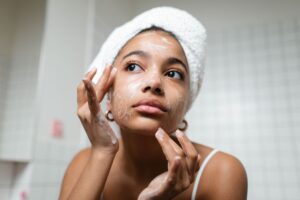
Learning how to prevent acne while taking protein supplements has become a pressing concern for millions of fitness enthusiasts, athletes, and everyday gym-goers who refuse to choose between clear skin and their muscle-building goals. The relationship between protein supplementation and breakouts is more nuanced than many realize, involving hormonal pathways, ingredient sensitivities, and individual biological responses that vary dramatically from person to person. For those who have noticed their skin deteriorating after adding whey protein or other supplements to their routine, understanding the underlying mechanisms is the first step toward finding solutions that work. The frustration is real and widespread. Studies suggest that anywhere from 30 to 50 percent of regular protein supplement users experience some degree of acne exacerbation, with whey protein being the most commonly implicated culprit.
This creates an uncomfortable dilemma for people committed to fitness: abandon the supplements that support recovery and muscle synthesis, or accept problematic skin as an unavoidable trade-off. Neither option is satisfactory, which is why a growing body of research and clinical observation has focused on strategies that allow individuals to continue supplementing while minimizing or eliminating acne flare-ups. By the end of this article, readers will understand exactly why certain protein supplements trigger breakouts, which alternatives exist, and what practical steps can be taken to protect skin health without sacrificing fitness results. The information presented draws from dermatological research, nutritional science, and real-world experience from athletes and skincare professionals who have navigated this challenge successfully. Whether currently dealing with supplement-related acne or hoping to prevent it proactively, the strategies outlined here provide a comprehensive roadmap for maintaining both physical performance and clear, healthy skin.
Table of Contents
- Why Do Protein Supplements Cause Acne Breakouts?
- Types of Protein Supplements and Their Acne Risk Profiles
- The Role of Gut Health in Protein Supplement Acne
- Choosing Acne-Safe Protein Supplements for Clear Skin
- Lifestyle Factors That Compound Protein Supplement Acne
- When to Consult a Dermatologist About Supplement-Related Acne
- How to Prepare
- How to Apply This
- Expert Tips
- Conclusion
- Frequently Asked Questions
Why Do Protein Supplements Cause Acne Breakouts?
The connection between protein supplements and acne stems primarily from the insulin-like growth factor 1 (IGF-1) pathway, a hormonal mechanism that plays a central role in both muscle development and sebaceous gland activity. Whey protein, derived from milk, is particularly effective at elevating IGF-1 levels in the body””which is precisely why it promotes muscle growth so effectively. However, IGF-1 also stimulates sebocytes, the cells responsible for producing sebum, the oily substance that can clog pores and create an environment where acne-causing bacteria thrive. This dual effect explains why the same properties that make whey protein anabolic for muscles also make it potentially problematic for skin.
Beyond IGF-1, dairy-derived proteins contain hormones and hormone precursors naturally present in cow’s milk. These include androgens and estrogen metabolites that can further disrupt hormonal balance and contribute to increased sebum production. The processing methods used to create whey protein concentrate versus whey protein isolate can affect the concentration of these compounds, but neither form completely eliminates them. Additionally, many protein supplements contain added ingredients like artificial sweeteners, thickeners, and flavor enhancers that some individuals find aggravate their skin independently of the protein source.
- **IGF-1 elevation**: Whey protein increases insulin-like growth factor 1, which stimulates oil glands and accelerates skin cell turnover, potentially clogging pores
- **Dairy hormones**: Natural hormones in milk-derived proteins can disrupt endocrine balance and trigger inflammatory responses in susceptible individuals
- **Glycemic response**: Some protein supplements, especially those with added sugars or maltodextrin, cause blood sugar spikes that compound hormonal acne triggers
- **Individual sensitivity**: Genetic variations in hormone receptors and dairy processing ability mean some people experience severe reactions while others notice no skin changes at all

Types of Protein Supplements and Their Acne Risk Profiles
Not all protein supplements carry equal risk for acne development, and understanding the differences between various protein sources can help individuals make informed choices based on their skin sensitivity. Whey protein consistently ranks as the highest-risk option in dermatological literature, with whey concentrate generally considered more problematic than whey isolate due to its higher lactose and fat content, which may carry more hormonal compounds. Casein, another milk-derived protein that digests more slowly, presents similar concerns to whey, though some users report fewer breakouts with casein due to its different amino acid release pattern and potentially lower impact on acute IGF-1 spikes.
Plant-based protein supplements offer a compelling alternative for those struggling with dairy-related acne. Pea protein, rice protein, hemp protein, and soy protein do not contain the same hormonal compounds found in dairy and do not stimulate IGF-1 to the same degree. Research comparing acne incidence among users of different protein types consistently shows lower rates of skin problems with plant-derived options. Soy protein deserves special mention because, while it contains phytoestrogens that some worry about, clinical evidence does not support a link between soy consumption and acne””in fact, some studies suggest soy may have anti-inflammatory properties beneficial for skin health.
- **Whey concentrate**: Highest acne risk due to retained lactose, fats, and hormonal compounds; approximately 75-80% protein content with more bioactive dairy components
- **Whey isolate**: Moderate risk with reduced lactose and fat but still contains IGF-1-stimulating properties; 90%+ protein content
- **Casein**: Similar risk profile to whey with potentially slower hormonal impact; some users tolerate it better than whey
- **Egg white protein**: Lower risk than dairy proteins; hypoallergenic for most people but can trigger reactions in those with egg sensitivity
- **Plant proteins (pea, rice, hemp)**: Lowest acne risk; no dairy hormones and minimal IGF-1 impact; may require blending for complete amino acid profile
The Role of Gut Health in Protein Supplement Acne
The gut-skin axis represents an increasingly recognized factor in acne development, and protein supplements can influence this connection in several ways. The digestive system’s ability to process and absorb protein affects not only nutritional outcomes but also systemic inflammation levels that manifest in skin health. When protein supplements overwhelm digestive capacity or disrupt gut bacteria balance, the resulting intestinal permeability and inflammatory markers can trigger or worsen acne. This explains why two people taking identical supplements might experience vastly different skin outcomes based on their individual gut health status.
Dairy-based proteins pose particular challenges for the estimated 68 percent of the global population with some degree of lactose malabsorption. Even when digestive symptoms are mild or absent, incomplete lactose digestion can alter the gut microbiome and contribute to low-grade inflammation that affects skin. The artificial sweeteners commonly found in flavored protein powders””particularly sucralose and acesulfame potassium””have also been shown to impact gut bacteria composition in ways that may promote inflammatory responses. Choosing unflavored or naturally sweetened protein options and supporting digestive health can significantly reduce these risks.
- **Microbiome disruption**: High protein intake and dairy components can alter beneficial bacteria populations, affecting systemic inflammation
- **Intestinal permeability**: Poor digestion of protein supplements may contribute to “leaky gut,” allowing inflammatory compounds to enter circulation and affect skin
- **Lactose intolerance effects**: Even subclinical lactose malabsorption can trigger inflammatory cascades relevant to acne pathogenesis
- **Artificial sweetener impact**: Common protein powder additives affect gut bacteria in ways that may indirectly worsen skin conditions

Choosing Acne-Safe Protein Supplements for Clear Skin
Selecting protein supplements with skin health in mind requires evaluating both the protein source and the full ingredient list for potential acne triggers. The safest approach for acne-prone individuals involves starting with plant-based proteins or highly purified animal proteins while avoiding common problematic additives. Pea protein isolate stands out as a particularly skin-friendly option, offering a complete amino acid profile comparable to whey with none of the dairy-related hormonal concerns. Combining pea protein with rice protein addresses any minor amino acid gaps and creates a supplement profile that rivals dairy proteins for muscle-building efficacy without the skin consequences.
For those who prefer animal-derived proteins or find plant proteins insufficient for their goals, several strategies can minimize acne risk while maintaining effectiveness. Grass-fed whey isolate with third-party testing for purity may contain lower levels of problematic compounds than conventional whey products. Collagen protein, while not a complete protein for muscle building, can supplement other protein sources while potentially benefiting skin through its amino acid composition. Hydrolyzed proteins of any type undergo additional processing that breaks down the protein into smaller peptides, potentially reducing their hormonal impact and improving digestibility.
- **Look for minimal ingredients**: Choose products with short ingredient lists, avoiding artificial colors, flavors, and sweeteners that may trigger inflammation
- **Third-party testing**: NSF Certified for Sport or Informed Sport certifications indicate cleaner products with verified ingredient accuracy
- **Consider hydrolyzed options**: Pre-digested proteins may reduce gut stress and hormonal response compared to intact protein sources
- **Evaluate sweeteners carefully**: If sweetened products are preferred, stevia and monk fruit extract are generally better tolerated than artificial alternatives
Lifestyle Factors That Compound Protein Supplement Acne
Protein supplement consumption does not occur in a vacuum, and various lifestyle factors can amplify or mitigate the skin effects of supplementation. Sleep deprivation increases cortisol levels and inflammatory markers that worsen acne independently, and combining poor sleep with high protein intake creates compounding stress on the body’s hormonal regulation systems. Athletes and fitness enthusiasts often fall into patterns of intense training, inadequate rest, and aggressive supplementation that collectively overwhelm the body’s capacity to maintain skin health. Addressing these synergistic factors often produces better results than focusing on supplementation alone.
Stress management deserves particular attention because psychological stress directly increases androgen production and sebum output through the hypothalamic-pituitary-adrenal axis. The pressure to achieve fitness goals can create chronic stress that manifests in skin problems regardless of supplement choices. Hydration status also plays a crucial role: adequate water intake supports kidney function in processing the increased nitrogen load from high protein consumption and helps maintain skin barrier integrity. Those experiencing protein supplement acne should evaluate their entire lifestyle picture rather than viewing supplementation as an isolated variable.
- **Sleep quality and quantity**: Fewer than seven hours nightly or poor sleep quality increases inflammatory markers and hormonal disruption that worsen acne
- **Training intensity timing**: Extremely intense training sessions followed immediately by protein consumption may create larger hormonal spikes than moderate training
- **Overall dietary pattern**: High glycemic diets combined with protein supplementation multiply acne risk; pairing supplements with fiber and healthy fats may buffer effects
- **Stress levels**: Chronic stress amplifies the acnegenic effects of protein supplements through shared hormonal pathways
When to Consult a Dermatologist About Supplement-Related Acne
Some cases of protein supplement acne require professional intervention, particularly when over-the-counter treatments and supplement switches fail to produce improvement within eight to twelve weeks of consistent effort. Severe inflammatory acne, characterized by painful cystic lesions that leave scars, warrants dermatological evaluation regardless of suspected triggers. A dermatologist can assess whether protein supplements are truly the primary factor, identify other contributing conditions, and prescribe treatments that address acne while allowing continued supplement use when appropriate.
Dermatologists experienced with athletes and fitness-focused patients understand the reluctance to abandon supplements that support training goals. Many can recommend prescription-strength retinoids, anti-androgen medications, or other interventions that specifically counteract the hormonal mechanisms through which protein supplements trigger acne. For female patients, spironolactone has shown particular effectiveness in treating hormonal acne related to IGF-1 and androgen elevation. The key is finding a dermatologist who views supplement use as a modifiable factor within a comprehensive treatment plan rather than simply advising patients to stop taking protein entirely.
How to Prepare
- **Audit current supplements thoroughly**: Read the complete ingredient list of all current protein products, noting the protein source (whey, casein, plant-based), sweeteners used, and any additives. Research each unfamiliar ingredient for potential acne connections and identify products that may be contributing to breakouts.
- **Assess individual dairy sensitivity**: Consider completing a two-week elimination of all dairy-based supplements while tracking skin changes in a simple daily log. This baseline information helps determine personal sensitivity levels and informs subsequent product choices.
- **Research alternative protein sources**: Identify three to five alternative protein products that use different sources than current supplements. Compare amino acid profiles, reviews from acne-prone users, and ingredient quality to create a shortlist of options to try.
- **Establish a skincare baseline**: Begin a consistent, non-comedogenic skincare routine at least two weeks before making any supplement changes. This creates a stable foundation that makes it easier to identify whether skin changes result from supplement modifications or other factors.
- **Plan a structured transition**: Rather than making multiple changes simultaneously, develop a timeline for testing new supplements one at a time, allowing three to four weeks per product to observe skin response before evaluating effectiveness.
How to Apply This
- **Switch to plant-based protein for a trial period**: Replace dairy-based proteins with pea protein isolate or a pea-rice blend for a minimum of four weeks while maintaining all other aspects of training and nutrition. Document skin changes, energy levels, and workout performance to evaluate whether the switch affects results.
- **Implement supportive supplementation**: Add a daily probiotic containing Lactobacillus and Bifidobacterium strains to support gut health and reduce inflammation. Consider zinc supplementation at 30mg daily, as zinc has demonstrated anti-acne properties and may counteract some effects of high protein intake.
- **Adjust protein timing strategically**: Rather than consuming large protein doses immediately post-workout when IGF-1 response may be highest, experiment with splitting protein intake into smaller portions throughout the day. This approach may reduce hormonal spikes while maintaining total protein intake.
- **Optimize the supplement environment**: Ensure protein supplements are stored properly to prevent degradation, mixed with adequate water to support digestion, and consumed alongside fiber-containing foods that moderate glycemic and insulin response.
Expert Tips
- **Start with the cleanest products available**: The fewer ingredients in a protein supplement, the easier it becomes to identify triggers if breakouts occur. Single-ingredient, unflavored protein powders provide the purest baseline for testing tolerance, even if they require adding natural flavorings at home.
- **Track protein intake relative to body weight**: Excessive protein consumption beyond what the body can efficiently utilize creates additional metabolic stress. Most individuals need only 0.7 to 1 gram per pound of body weight daily; consuming significantly more than this offers diminishing returns for muscle building while potentially increasing acne risk.
- **Consider collagen as a complementary protein**: While not suitable as a primary protein source, adding collagen peptides provides glycine and proline that support skin repair and may offset some inflammatory effects of primary protein sources. Ten to fifteen grams daily alongside regular protein supplements can benefit skin without compromising fitness goals.
- **Time supplement intake away from topical acne treatments**: Applying benzoyl peroxide or retinoids immediately before or after consuming protein supplements that cause stomach upset can increase skin irritation. Allow at least thirty minutes between supplement consumption and applying active skincare ingredients.
- **Monitor breaking patterns for clues**: Where acne appears on the face can provide diagnostic information. Breakouts concentrated along the jawline and chin often indicate hormonal triggers consistent with protein supplement effects, while forehead acne may point more toward digestive or product residue issues.
Conclusion
Successfully preventing acne while taking protein supplements requires understanding the biological mechanisms connecting protein consumption to skin health and making informed choices based on individual sensitivity. The IGF-1 pathway, dairy hormones, gut health impacts, and lifestyle factors all play roles in determining whether protein supplementation will affect skin negatively. By selecting appropriate protein sources, optimizing supplement timing and dosing, and supporting overall health through sleep, stress management, and skincare, most individuals can find approaches that serve both their fitness and skin health goals.
The journey to finding acne-safe protein supplementation may require experimentation and patience, but the abundance of alternatives available today means few people need to abandon supplementation entirely. Plant-based proteins offer effective muscle-building support without dairy-related acne triggers, while various strategies can minimize risk for those who prefer animal-derived proteins. Clear skin and athletic performance are not mutually exclusive goals””with the right knowledge and systematic approach, both are achievable.
Frequently Asked Questions
How long does it typically take to see results?
Results vary depending on individual circumstances, but most people begin to see meaningful progress within 4-8 weeks of consistent effort. Patience and persistence are key factors in achieving lasting outcomes.
Is this approach suitable for beginners?
Yes, this approach works well for beginners when implemented gradually. Starting with the fundamentals and building up over time leads to better long-term results than trying to do everything at once.
What are the most common mistakes to avoid?
The most common mistakes include rushing the process, skipping foundational steps, and failing to track progress. Taking a methodical approach and learning from both successes and setbacks leads to better outcomes.
How can I measure my progress effectively?
Set specific, measurable goals at the outset and track relevant metrics regularly. Keep a journal or log to document your journey, and periodically review your progress against your initial objectives.
When should I seek professional help?
Consider consulting a professional if you encounter persistent challenges, need specialized expertise, or want to accelerate your progress. Professional guidance can provide valuable insights and help you avoid costly mistakes.
What resources do you recommend for further learning?
Look for reputable sources in the field, including industry publications, expert blogs, and educational courses. Joining communities of practitioners can also provide valuable peer support and knowledge sharing.