
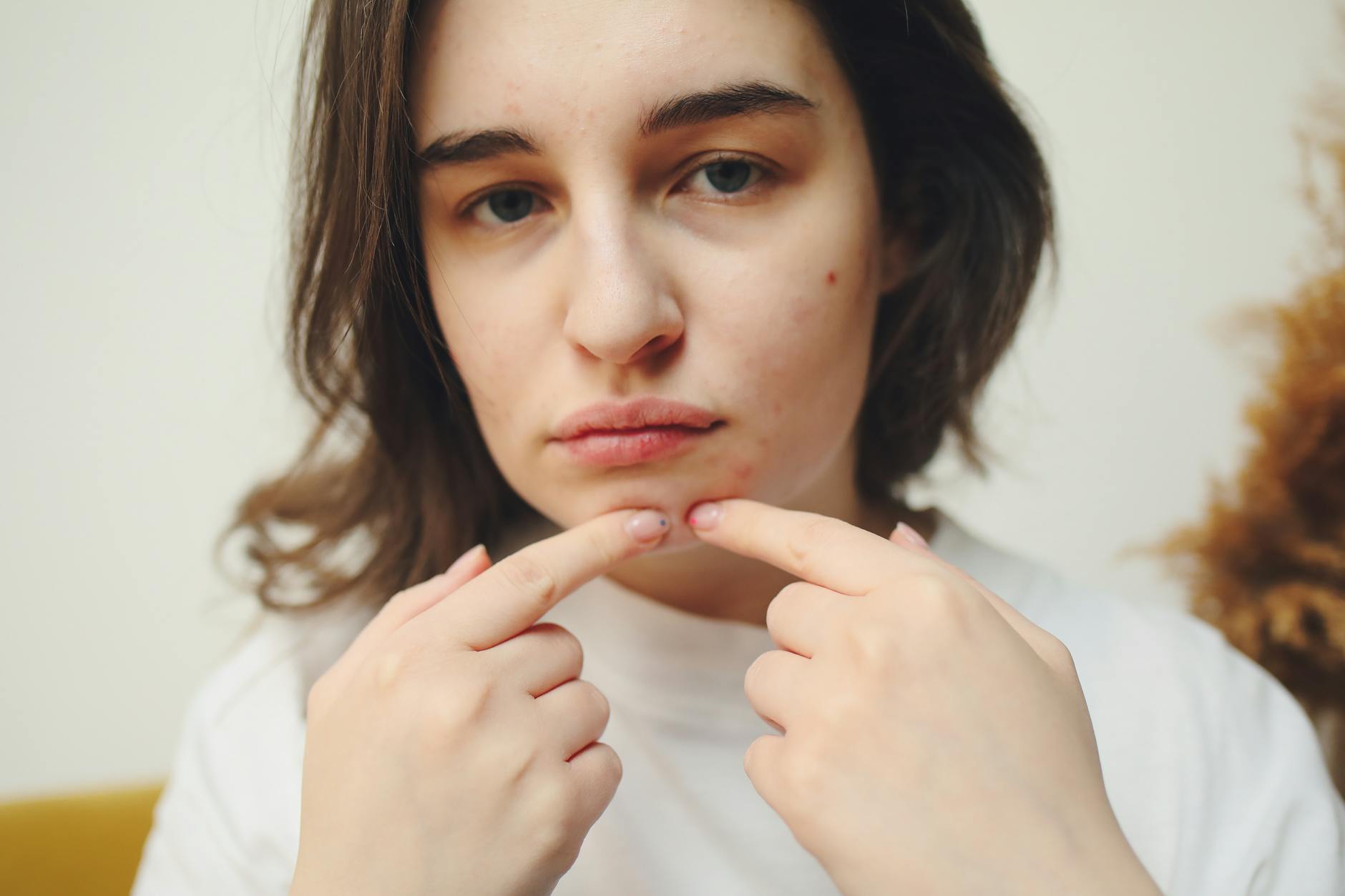
Understanding the difference between acne and milia is essential for anyone dealing with persistent bumps on their skin that seem resistant to typical treatments. These two conditions are frequently confused because they can appear similar at first glance””both present as small, raised bumps on the face””yet they have entirely different causes, compositions, and treatment approaches. Misidentifying one for the other often leads to frustration when standard acne products fail to clear what turns out to be milia, or when gentle approaches prove ineffective against actual acne breakouts. The distinction matters significantly because applying the wrong treatment can worsen either condition or simply waste time and money on ineffective products. Acne involves inflammation, bacteria, and excess sebum production, while milia are keratin-filled cysts that form when dead skin cells become trapped beneath the surface.
A person might spend months using salicylic acid cleansers on milia with no results, or alternatively, attempt to extract acne lesions in ways that cause scarring and spread infection. Dermatologists report that milia misdiagnosis is one of the most common reasons patients seek second opinions after unsuccessful home treatment attempts. By the end of this guide, you will be able to confidently identify whether those stubborn bumps are acne or milia, understand the underlying mechanisms that cause each condition, and know which treatment strategies actually work for your specific concern. This knowledge empowers better skincare decisions and helps set realistic expectations for how long treatment might take. Whether you are dealing with a few isolated bumps or widespread facial texture issues, accurate identification is the first step toward clearer skin.
Table of Contents
- What Exactly Are Acne and Milia, and How Do They Form Differently?
- Visual Differences Between Acne Bumps and Milia Cysts
- Common Causes and Risk Factors for Each Condition
- How to Treat Acne Versus Milia: Different Approaches for Different Problems
- Why Milia Are Often Mistaken for Stubborn Whiteheads
- When to See a Dermatologist for Persistent Skin Bumps
- How to Prepare
- How to Apply This
- Expert Tips
- Conclusion
- Frequently Asked Questions
What Exactly Are Acne and Milia, and How Do They Form Differently?
acne develops when hair follicles become clogged with a combination of sebum (the skin’s natural oil), dead skin cells, and bacteria called Cutibacterium acnes. This creates an environment where inflammation can flourish, resulting in various lesion types ranging from non-inflammatory blackheads and whiteheads to inflammatory papules, pustules, nodules, and cysts. The sebaceous glands, which are most concentrated on the face, chest, and back, play a central role in acne development. hormonal fluctuations, genetics, diet, stress, and certain medications all influence how much sebum these glands produce and how efficiently dead cells shed from the follicular lining.
Milia, by contrast, form through an entirely different mechanism that does not involve sebum or bacteria. These small, dome-shaped bumps are keratin-filled cysts that develop when dead skin cells become trapped in small pockets beneath the skin’s surface rather than shedding naturally. Keratin is the protein that makes up the outer layer of skin, hair, and nails. When this protein accumulates in a tiny sac just under the epidermis, it creates the characteristic hard, white or yellowish bump that does not respond to squeezing or typical acne treatments. Milia can be primary, arising spontaneously, or secondary, developing after skin trauma, burns, blistering conditions, or even from heavy skincare products that impede normal cell turnover.
- **Acne involves active bacterial infection and inflammation** within the pore, which is why it often appears red, swollen, or tender to the touch
- **Milia contain no bacteria or inflammatory components**, making them painless and not prone to the redness associated with acne
- **Acne lesions have an opening** (even if microscopic) that connects to the skin’s surface, while milia are completely encapsulated beneath the epidermis with no pore connection

Visual Differences Between Acne Bumps and Milia Cysts
Learning to visually distinguish acne from milia requires attention to several key characteristics including color, texture, size, location, and behavior over time. Milia appear as small, firm, white or pale yellow bumps typically measuring 1-2 millimeters in diameter. They have a distinctive pearly or opalescent quality and feel hard when touched, almost like a tiny grain of sand embedded under the skin. The surface over milia appears smooth and unbroken, with no visible pore opening or surrounding redness. These cysts most commonly cluster around the eyes, on the cheeks, nose, and forehead, though they can appear anywhere on the face or body.
Acne presents with much more variability in appearance depending on the type and severity of the lesion. Whiteheads (closed comedones) might superficially resemble milia because they are also small and white, but they have a softer texture, often appear slightly more yellowish with visible pore involvement, and may have subtle surrounding inflammation. Blackheads (open comedones) are easily distinguished by their dark oxidized center. Inflammatory acne lesions””papules, pustules, nodules, and cysts””display obvious redness, swelling, and tenderness that milia never exhibit. Acne also tends to appear in the classic T-zone pattern and areas with high sebaceous gland density, whereas milia frequently appear in the delicate under-eye area where acne rarely develops.
- **Texture test**: Milia feel distinctly hard and round like tiny beads; acne lesions feel softer and may have fluid content
- **Color assessment**: Milia maintain a consistent white or cream color; acne ranges from skin-colored to red, purple, or dark depending on inflammation and healing stage
- **Squeeze response**: Milia will not express any content when pressed because they have no surface opening; whiteheads and pustules may release sebum or pus (though squeezing is not recommended)
Common Causes and Risk Factors for Each Condition
The factors that predispose someone to acne versus milia overlap minimally, which further underscores how different these conditions truly are. Acne development is heavily influenced by hormonal activity, particularly androgens that stimulate sebaceous gland enlargement and increased sebum production. This explains why acne peaks during puberty, affects many women cyclically around menstruation, and can worsen during pregnancy or with conditions like polycystic ovary syndrome. Genetic predisposition plays a substantial role””studies suggest that having a first-degree relative with acne increases your likelihood of developing it by two to three times. Additional contributing factors include certain dietary patterns (particularly high-glycemic foods and dairy), stress-induced cortisol elevation, comedogenic skincare or makeup products, and medications such as corticosteroids, lithium, and some anticonvulsants.
Milia formation follows different pathways depending on whether they are primary or secondary. Primary milia, which appear spontaneously, are linked to naturally sluggish cell turnover, genetic predisposition, and possibly sun damage that thickens the skin over time. Newborns frequently develop primary milia (affecting up to 50% of infants) due to immature sweat glands and developing skin, but these typically resolve within a few weeks without treatment. Secondary milia develop as a consequence of skin trauma or certain conditions. Burns, dermabrasion, laser resurfacing, blistering diseases like bullous pemphigoid, and chronic sun exposure can all trigger milia formation in the healing skin. Heavy occlusive skincare products, particularly those containing lanolin, mineral oil, or petrolatum applied around the eyes, are notorious culprits for milia development in adults.
- **Hormonal influences affect acne significantly** but have no documented impact on milia formation
- **Sun damage contributes to both conditions** through different mechanisms””increasing sebum oxidation for acne and impairing normal desquamation for milia
- **Product selection matters differently**: comedogenic ingredients trigger acne by clogging pores with oil, while occlusive ingredients cause milia by trapping dead cells

How to Treat Acne Versus Milia: Different Approaches for Different Problems
Effective acne treatment targets the four main factors contributing to breakouts: excess sebum, abnormal desquamation (skin cell shedding), bacterial proliferation, and inflammation. Over-the-counter options include benzoyl peroxide, which kills acne-causing bacteria and helps unclog pores; salicylic acid, a beta-hydroxy acid that penetrates oil to exfoliate within the pore; and adapalene, a retinoid now available without prescription that normalizes cell turnover and reduces inflammation. More severe acne may require prescription-strength retinoids like tretinoin or tazarotene, topical or oral antibiotics, hormonal therapies such as spironolactone or birth control pills, or in cases of severe nodulocystic acne, isotretinoin (Accutane). Treatment timelines for acne typically span 8-12 weeks minimum before significant improvement appears, with maintenance therapy often necessary long-term. Milia treatment takes an entirely different approach because these cysts do not respond to acne-fighting ingredients””there is no bacteria to kill, no excess oil to control, and no inflammation to reduce.
The keratin trapped within milia is essentially inert. Mild cases may eventually resolve on their own as skin naturally turns over, though this can take months. Topical retinoids can help prevent new milia by accelerating cell turnover and preventing the trapping of keratin, but they cannot dissolve existing cysts. The most effective treatment for established milia is professional extraction, where a dermatologist or trained aesthetician uses a sterile needle or blade to create a tiny incision in the skin overlying the cyst, then expresses the keratin plug. Other professional options include cryotherapy, laser ablation, and chemical peels, all of which remove or destroy the cyst wall to prevent recurrence.
- **Do not attempt to squeeze milia at home**””the lack of a pore opening means forceful extraction causes skin trauma without successfully removing the cyst
- **Acne treatments containing benzoyl peroxide and salicylic acid are ineffective against milia** because there is no bacterial or oil component to address
- **Retinoids help prevent both conditions** through enhanced cell turnover, making them a valuable addition to any skincare routine for bump-prone skin
Why Milia Are Often Mistaken for Stubborn Whiteheads
The confusion between milia and closed comedones (whiteheads) causes significant treatment frustration and represents one of the most common skincare misidentifications. Both appear as small, flesh-colored to white bumps without obvious inflammation, and both can persist for extended periods without intervention. However, the structural differences are substantial. Whiteheads are follicular in origin””they form within a hair follicle that has become plugged at its surface, trapping sebum and dead cells inside. This plug can eventually loosen, express spontaneously, or respond to topical exfoliants that penetrate the pore.
Milia exist completely outside the follicular structure in a separate dermal pocket, which explains why pore-targeting treatments fail entirely. Several clinical clues help differentiate stubborn whiteheads from milia beyond texture and appearance. Location provides important information: whiteheads cluster in areas of high sebaceous activity like the forehead, nose, and chin, while milia commonly appear around the eyes and cheeks where oil glands are less dense. Duration matters as well””whiteheads typically cycle through formation and resolution over days to weeks, while milia can persist unchanged for months or years. Response to gentle extraction attempt (performed only by professionals) also differs: whiteheads yield soft, waxy sebum material, whereas milia produce a firm, white keratin ball. When patients report “whiteheads” that have remained in the same spots for months despite consistent acne treatment, milia are the likely culprit.
- **Whiteheads have an identifiable pore** even if it is closed; milia have no pore association whatsoever
- **Whiteheads feel slightly compressible**; milia are distinctly firm and solid
- **Whiteheads respond to consistent exfoliation**; milia require physical removal for immediate resolution
When to See a Dermatologist for Persistent Skin Bumps
Self-treatment is appropriate for mild, clearly identifiable cases of either condition, but several scenarios warrant professional evaluation. Any bump that changes in size, color, or appearance over time should be examined to rule out other conditions including benign growths like syringomas or, rarely, skin cancers. If you have been treating presumed acne for 12 weeks without improvement, reassessment is warranted to confirm the diagnosis and adjust treatment strategy.
Milia located very close to the eye margin or on the eyelid itself should always be removed by a professional due to the delicate anatomy and risk of injury from DIY attempts. Dermatologists can provide treatments unavailable over the counter, including stronger retinoids, professional extractions, and procedures like chemical peels or laser therapy that address both current lesions and underlying predisposing factors. For persistent or frequently recurring milia, a dermatologist may investigate potential underlying causes such as genetic conditions affecting keratinization. Similarly, severe or scarring acne benefits from early aggressive treatment to prevent permanent skin damage””waiting too long to seek professional help when over-the-counter products are insufficient can result in pitting and discoloration that persists long after active acne resolves.
How to Prepare
- **Cleanse your face thoroughly and wait 20-30 minutes** before examining your skin, allowing any temporary redness from washing to subside and letting your skin return to its baseline state for accurate assessment.
- **Examine your bumps in natural daylight** using a magnifying mirror, noting their exact color (pearly white, cream, red, skin-toned), texture (hard, soft, fluid-filled), and whether any surrounding redness or inflammation is present.
- **Document the location of each bump** and whether it corresponds to typical acne zones (T-zone, jawline, chest) or areas more common for milia (around eyes, cheeks, temples), photographing from the same angle and lighting for comparison over time.
- **Test the texture gently with clean fingertips**, feeling whether the bump is hard and bead-like (suggesting milia) or softer with potential give (suggesting a comedone or inflammatory lesion).
- **Track how long each bump persists** and whether it changes over days or weeks””acne lesions typically evolve and eventually resolve, while milia remain static indefinitely without intervention.
How to Apply This
- **For acne, apply treatment products to the entire affected area** rather than spot-treating individual lesions, as this approach addresses developing microcomedones that are not yet visible and prevents new breakouts from forming.
- **Introduce active ingredients gradually** starting with every other night application, increasing to nightly use as tolerance builds to minimize irritation that can paradoxically worsen both conditions.
- **For milia prevention, use lightweight, non-occlusive products** around the eye area and incorporate a retinoid into your routine to maintain healthy cell turnover and prevent keratin from becoming trapped.
- **Give any treatment protocol at least 8-12 weeks** before assessing efficacy, as skin cell turnover cycles take approximately 28 days and several cycles are needed to see meaningful change for either condition.
Expert Tips
- **Avoid heavy eye creams if you are prone to milia**””look for gel formulas or serums instead of thick creams, and apply products to the orbital bone rather than directly under the lash line where milia commonly form.
- **Never attempt to extract milia with unsterilized tools at home**, as the lack of a pore opening means you must create a wound to remove them, dramatically increasing infection risk and potential scarring when done incorrectly.
- **Layer your acne treatments strategically** by applying water-based products before oil-based ones and waiting 1-2 minutes between layers to prevent pilling and maximize penetration of active ingredients.
- **Consider that you might have both conditions simultaneously**””milia around the eyes and acne in the T-zone represent different problems requiring different solutions, and treating one does not address the other.
- **Sun protection benefits both conditions** by preventing the photodamage that thickens skin and impairs cell turnover (contributing to milia) while also preventing post-inflammatory hyperpigmentation from acne lesions.
Conclusion
Distinguishing between acne and milia transforms how effectively you can address persistent facial bumps that may have frustrated you for months or years. These conditions, while superficially similar, arise from completely different mechanisms””acne from sebum, bacteria, and inflammation within the pore, and milia from keratin trapped in isolated dermal pockets with no follicular connection. This fundamental difference explains why acne treatments fail against milia and why attempting to squeeze milia results only in skin damage without clearing the bump.
Armed with this knowledge, you can now evaluate your own skin with informed eyes, select appropriate treatments, and set realistic expectations for results. If acne is your concern, consistent use of proven ingredients like benzoyl peroxide, salicylic acid, and retinoids will gradually improve your skin over 2-3 months. If milia are the issue, prevention through lightweight products and retinoids combined with professional extraction for existing cysts offers the clearest path forward. Whatever bumps you are dealing with, accurate identification is the foundation of effective treatment””and now you have the tools to tell the difference.
Frequently Asked Questions
How long does it typically take to see results?
Results vary depending on individual circumstances, but most people begin to see meaningful progress within 4-8 weeks of consistent effort. Patience and persistence are key factors in achieving lasting outcomes.
Is this approach suitable for beginners?
Yes, this approach works well for beginners when implemented gradually. Starting with the fundamentals and building up over time leads to better long-term results than trying to do everything at once.
What are the most common mistakes to avoid?
The most common mistakes include rushing the process, skipping foundational steps, and failing to track progress. Taking a methodical approach and learning from both successes and setbacks leads to better outcomes.
How can I measure my progress effectively?
Set specific, measurable goals at the outset and track relevant metrics regularly. Keep a journal or log to document your journey, and periodically review your progress against your initial objectives.
When should I seek professional help?
Consider consulting a professional if you encounter persistent challenges, need specialized expertise, or want to accelerate your progress. Professional guidance can provide valuable insights and help you avoid costly mistakes.
What resources do you recommend for further learning?
Look for reputable sources in the field, including industry publications, expert blogs, and educational courses. Joining communities of practitioners can also provide valuable peer support and knowledge sharing.