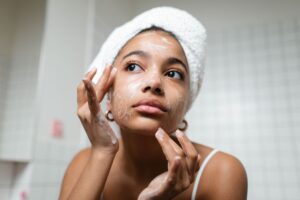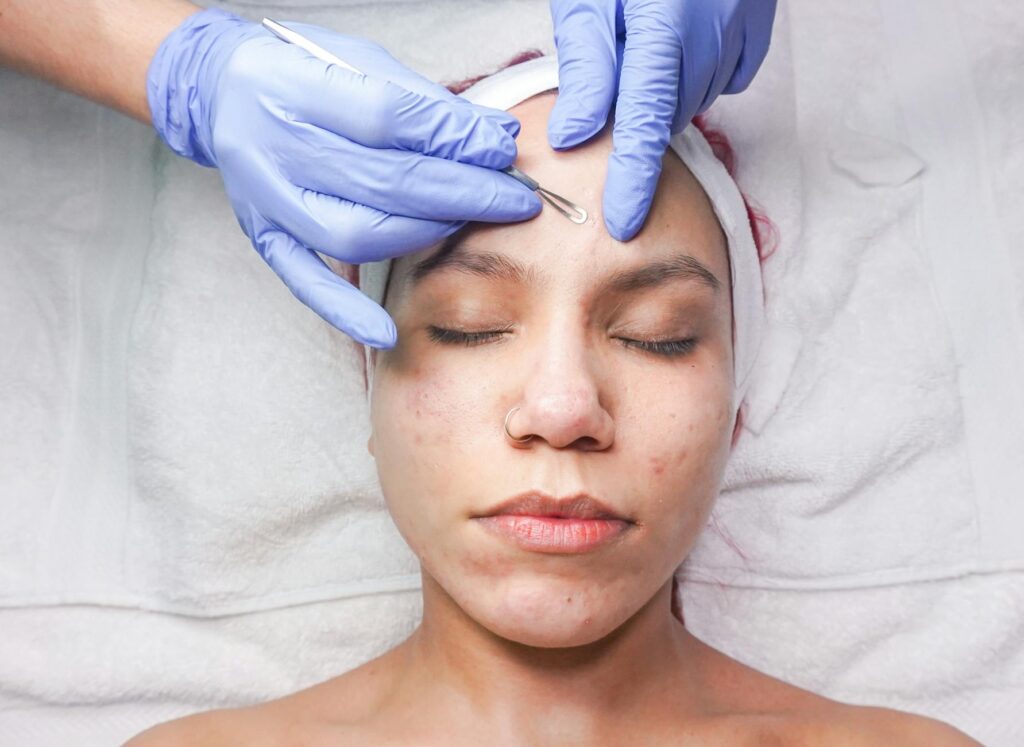
Learning how to use niacinamide for acne and redness has become one of the most sought-after skincare skills, and for good reason. This water-soluble form of vitamin B3 has earned its reputation as a multitasking powerhouse that addresses multiple skin concerns simultaneously without the harsh side effects associated with many acne treatments. Unlike retinoids or benzoyl peroxide, which can leave skin dry, flaky, and irritated, niacinamide works gently while delivering measurable results for those struggling with breakouts, post-inflammatory redness, and uneven skin tone. The challenges of managing acne-prone skin extend far beyond the pimples themselves.
Persistent redness, enlarged pores, excess oil production, and the dark marks left behind after breakouts clear can feel like an endless cycle of frustration. Many people find themselves caught between wanting effective treatment and fearing the irritation that often accompanies potent active ingredients. Niacinamide occupies a unique position in the skincare landscape because it addresses these interconnected concerns while simultaneously strengthening the skin barrier rather than compromising it. By the end of this article, you will understand exactly how niacinamide works at a cellular level to reduce acne and calm redness, what concentrations and formulations work best for different skin types, how to properly incorporate this ingredient into your existing routine, and which product combinations maximize its benefits. Whether you are new to active ingredients or looking to optimize a routine that already includes niacinamide, this guide provides the scientific foundation and practical application strategies you need.
Table of Contents
- What Is Niacinamide and Why Does It Help Acne and Redness?
- Optimal Concentrations of Niacinamide for Treating Acne-Prone Skin
- How Niacinamide Reduces Post-Acne Redness and Hyperpigmentation
- Building a Skincare Routine with Niacinamide for Acne Control
- Common Mistakes When Using Niacinamide for Acne and How to Avoid Them
- Niacinamide Versus Other Acne Treatments: Where It Fits
- How to Prepare
- How to Apply This
- Expert Tips
- Conclusion
- Frequently Asked Questions
What Is Niacinamide and Why Does It Help Acne and Redness?
Niacinamide, also known as nicotinamide, is one of two primary forms of vitamin B3, the other being nicotinic acid. When applied topically, niacinamide converts into nicotinamide adenine dinucleotide (NAD+), a coenzyme present in all living cells that plays essential roles in cellular energy production and repair. This biochemical conversion explains why niacinamide affects so many different skin functions simultaneously. Unlike single-target treatments that address only one aspect of acne, niacinamide modulates sebum production, reduces inflammation, inhibits the transfer of pigment to skin cells, and enhances the protective lipid barrier.
The connection between niacinamide and acne improvement stems from its ability to regulate sebaceous gland activity. Research published in the International Journal of Dermatology demonstrated that topical application of 2% niacinamide reduced sebum excretion rates significantly over a four-week period. Excess sebum contributes directly to clogged pores and creates an environment where Cutibacterium acnes bacteria thrive. By normalizing oil production without stripping the skin, niacinamide addresses one of the root causes of acne rather than merely treating symptoms. The anti-redness properties of niacinamide work through multiple pathways:.
- **Inflammation suppression**: Niacinamide inhibits the production of inflammatory cytokines and interleukins that cause the redness and swelling associated with active breakouts
- **Histamine blocking**: The ingredient reduces histamine release in the skin, which contributes to flushing and sensitivity
- **Barrier repair**: By increasing ceramide and fatty acid production in the stratum corneum, niacinamide strengthens the skin barrier against environmental irritants that trigger reactive redness

Optimal Concentrations of Niacinamide for Treating Acne-Prone Skin
The concentration of niacinamide in a product significantly impacts both its effectiveness and tolerability. Most clinical studies demonstrating benefits for acne and sebum control used concentrations between 2% and 5%, with research supporting 4% as particularly effective for managing inflammatory acne. A landmark study comparing 4% niacinamide gel to 1% clindamycin gel found comparable results in reducing acne lesion counts after eight weeks, positioning niacinamide as a viable alternative for those seeking non-antibiotic options.
Products marketed with 10% niacinamide have gained popularity, but higher concentrations do not necessarily translate to better results. Concentrations above 5% may cause irritation in sensitive individuals, particularly when combined with other active ingredients. The law of diminishing returns applies here: while 10% formulations work well for some people, especially those targeting hyperpigmentation, they offer minimal additional acne-fighting benefits compared to 4-5% concentrations and carry increased risk of skin irritation that could actually worsen redness. Understanding what to look for when selecting niacinamide products helps navigate the overwhelming number of options:.
- **Concentration clarity**: Choose products that clearly state the percentage of niacinamide, as vague terms like “niacinamide complex” may indicate minimal amounts
- **Supporting ingredients**: Zinc PCA paired with niacinamide enhances sebum-regulating effects, while hyaluronic acid helps offset any potential drying
- **pH stability**: Niacinamide remains stable across a wide pH range (4-7), making it compatible with most formulations and easy to layer with other products
How Niacinamide Reduces Post-Acne Redness and Hyperpigmentation
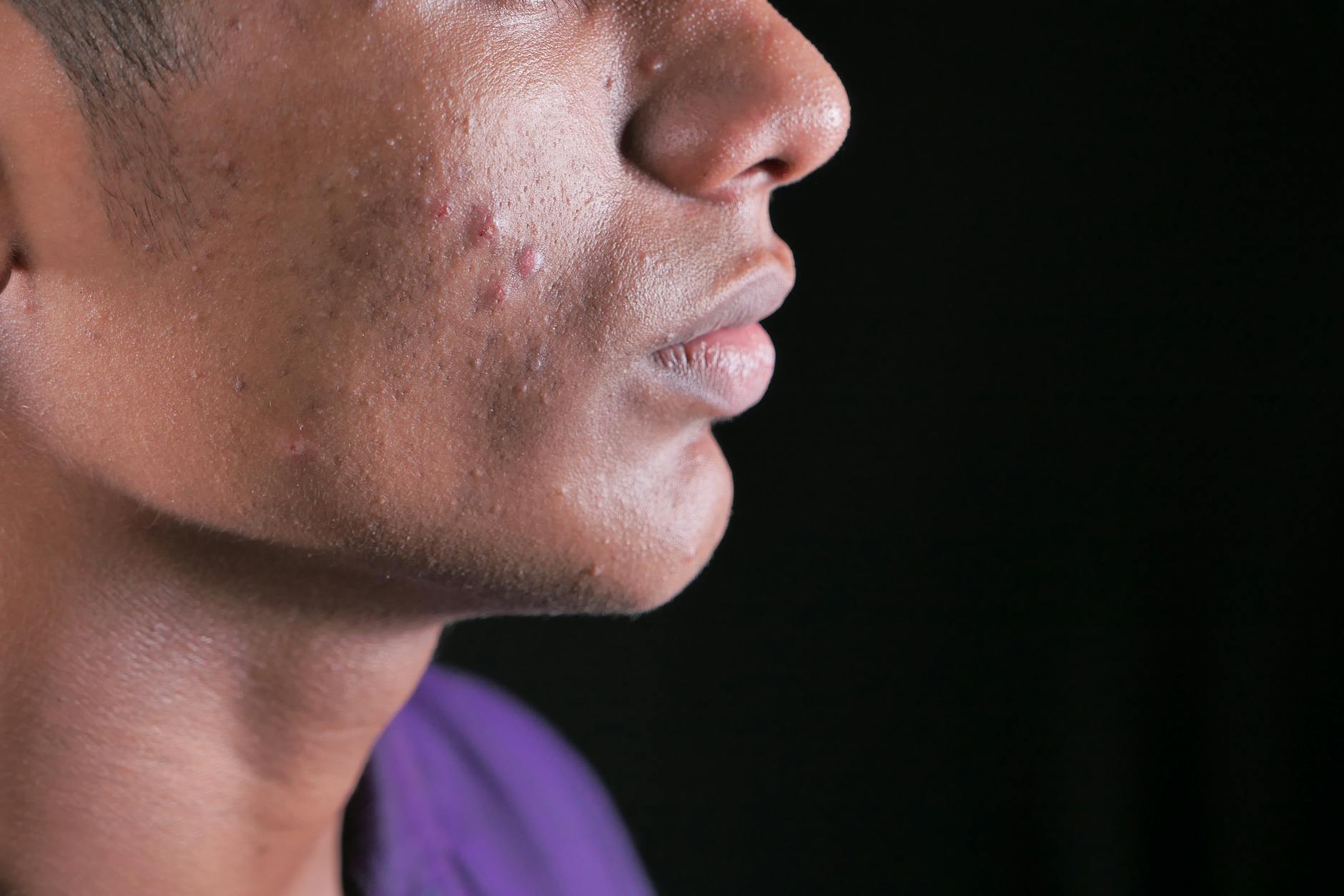
The red and brown marks that linger after acne heals often cause more distress than the breakouts themselves. Post-inflammatory erythema (PIE) refers to the persistent red or pink marks caused by damage to blood vessels during the inflammatory acne process. Post-inflammatory hyperpigmentation (PIH) describes the brown or purple discoloration resulting from excess melanin production triggered by skin trauma. Niacinamide addresses both conditions through distinct mechanisms, making it uniquely suited for the aftermath of acne.
For post-inflammatory erythema, niacinamide’s ability to strengthen the skin barrier accelerates the healing of damaged capillaries. Studies show that niacinamide improves microcirculation and reduces vascular permeability, which helps resolve the underlying cause of persistent redness rather than merely masking it. Additionally, its anti-inflammatory properties prevent the cascade of cellular signals that perpetuate redness long after a pimple has flattened. Niacinamide’s effect on hyperpigmentation works through an entirely different pathway:.
- **Melanosome transfer inhibition**: Rather than blocking melanin production directly, niacinamide prevents the transfer of melanin-containing packets (melanosomes) from melanocytes to keratinocytes, the cells that make up the visible skin surface
- **Cumulative lightening**: Studies demonstrate visible reduction in hyperpigmentation after 4-8 weeks of consistent use at concentrations of 2-5%
- **Safe for all skin tones**: Unlike some lightening agents that carry risks of over-lightening or rebound hyperpigmentation, niacinamide works gradually and safely across all Fitzpatrick skin types
Building a Skincare Routine with Niacinamide for Acne Control
Incorporating niacinamide into an acne-fighting routine requires understanding both sequencing and compatibility with other active ingredients. The flexibility of niacinamide makes it easier to use than many other actives, but strategic placement in your routine maximizes absorption and minimizes potential for irritation. Because niacinamide is water-soluble and typically formulated at a pH close to neutral, it integrates seamlessly into most routines regardless of whether you use it morning, evening, or both. The general rule for layering skincare products””thinnest to thickest consistency””applies when using niacinamide serums.
After cleansing and any toning or essence steps, apply niacinamide serum to slightly damp skin to enhance penetration. Allow 30-60 seconds for absorption before proceeding to heavier products like moisturizers or facial oils. Those using prescription retinoids should apply niacinamide first, as it can buffer potential irritation while retinoids work on deeper cellular turnover. Key considerations for building an effective routine:.
- **Morning application advantages**: Using niacinamide in the morning takes advantage of its antioxidant properties, which protect against environmental stressors and complement sunscreen
- **Evening pairing options**: Niacinamide pairs exceptionally well with azelaic acid, another ingredient effective for acne and redness, and can be layered directly before or mixed with moisturizer
- **Consistency over intensity**: Daily use of moderate-strength niacinamide produces better long-term results than sporadic use of high-concentration products
Common Mistakes When Using Niacinamide for Acne and How to Avoid Them
Despite niacinamide’s reputation for gentleness, certain usage errors can undermine results or even exacerbate skin concerns. The myth that niacinamide cannot be combined with vitamin C persists despite being thoroughly debunked by cosmetic chemists. This misunderstanding originated from a 1963 study involving conditions””high heat and extreme pH levels””that do not occur on human skin. Modern stabilized formulations of both ingredients work safely together, and some products intentionally combine them for enhanced brightening effects.
Product pilling, where skincare balls up on the skin surface rather than absorbing, represents another common frustration with niacinamide serums. This occurs not because of ingredient incompatibility but due to formulation conflicts, particularly when silicone-based products are layered with water-based niacinamide serums. Adjusting application order or switching to a niacinamide moisturizer rather than serum often resolves pilling issues without sacrificing the ingredient’s benefits. Additional pitfalls to recognize and prevent:.
- **Overloading on actives**: Adding niacinamide to a routine already heavy in acids, retinoids, and other actives can overwhelm even resilient skin, causing the very redness you are trying to address
- **Expecting overnight results**: Visible improvements in acne and redness typically require 6-8 weeks of consistent use, and melanin-related changes may take 12 weeks or longer
- **Ignoring formulation quality**: Niacinamide degrades when exposed to heat and light over time; products in clear packaging or those stored improperly may lose potency before you finish them
Niacinamide Versus Other Acne Treatments: Where It Fits
Positioning niacinamide within the broader landscape of acne treatments helps clarify its role as a complementary rather than replacement therapy for many people. Benzoyl peroxide kills acne-causing bacteria directly and works faster on active breakouts, but it bleaches fabrics, causes significant dryness, and cannot address post-acne marks. Salicylic acid excels at penetrating pores and dissolving sebum plugs, making it superior for blackheads and closed comedones, but it does nothing for redness or pigmentation concerns.
Niacinamide occupies a unique position because it addresses the inflammatory component of acne, helps prevent future breakouts by regulating oil production, and treats the discoloration left behind””all without compromising the skin barrier. For mild to moderate inflammatory acne accompanied by redness and dark marks, niacinamide may serve as a primary treatment. For more severe acne, it functions best as an adjunct therapy that manages side effects from stronger treatments while contributing its own therapeutic benefits. Dermatologists increasingly recommend niacinamide alongside prescription retinoids specifically because it mitigates retinoid-induced irritation while enhancing overall skin health.
How to Prepare
- **Assess your current routine complexity**: Review every product you currently use and identify existing active ingredients. If your routine already includes AHAs, BHAs, retinoids, and vitamin C, consider simplifying before adding niacinamide to prevent overwhelming your skin with too many actives simultaneously.
- **Perform a patch test**: Apply a small amount of your chosen niacinamide product to the inner forearm or behind the ear and wait 24-48 hours. While true allergies to niacinamide are rare, sensitivities to other formulation ingredients occur, and testing prevents full-face reactions.
- **Start with appropriate concentration**: If you have sensitive or reactive skin, begin with products containing 2-4% niacinamide before considering higher concentrations. Those with resilient skin and no sensitivity history can start at 5% without issue.
- **Check product compatibility**: Examine the base of your niacinamide product. Water-based serums layer best with other water-based products, while niacinamide in silicone-based formulations may cause pilling when combined with water-based products.
- **Establish a baseline**: Take photographs of your skin in consistent lighting before beginning treatment. The gradual nature of niacinamide’s improvements makes day-to-day changes difficult to perceive, but comparison photos after 4-8 weeks reveal progress that might otherwise go unnoticed.
How to Apply This
- **Cleanse thoroughly**: Begin with a gentle, pH-balanced cleanser that removes makeup, sunscreen, and debris without stripping natural oils. Niacinamide absorbs most effectively into clean skin without residue from previous products.
- **Apply to damp skin**: After cleansing, pat skin until just slightly damp rather than completely dry. This residual moisture enhances penetration of water-soluble niacinamide and helps the product spread evenly without dragging.
- **Use appropriate quantity**: Dispense 3-4 drops of serum or a pea-sized amount of niacinamide moisturizer. Gently press the product into skin using fingertips, moving from the center of the face outward and including the neck if desired.
- **Allow absorption before layering**: Wait approximately one minute for niacinamide to absorb before applying subsequent products. This pause prevents dilution and ensures the active ingredient makes full contact with skin rather than mixing with the next product layer.
Expert Tips
- **Pair niacinamide with zinc for enhanced oil control**: Products combining niacinamide with zinc PCA or zinc gluconate show superior sebum-regulating effects compared to niacinamide alone. This combination works particularly well for those with oily T-zones or persistent shine.
- **Use niacinamide to buffer retinoid irritation**: Apply niacinamide serum as a first step before prescription tretinoin or over-the-counter retinol. Studies confirm this sequencing reduces flaking, burning, and redness without diminishing retinoid efficacy.
- **Refrigerate opened products for extended potency**: While niacinamide is relatively stable, storing serums in the refrigerator after opening slows degradation and provides a cooling sensation that temporarily constricts blood vessels, offering additional redness-reducing benefits during application.
- **Consider niacinamide supplements for internal support**: Oral niacinamide at doses of 500-750mg daily shows promise for reducing acne in some studies. Consult with a healthcare provider before adding supplements, especially if taking other medications.
- **Monitor for flushing with impure formulations**: Low-quality niacinamide products may contain traces of niacin (nicotinic acid), which causes temporary flushing. If you experience warmth and redness after application, switch to a pharmaceutical-grade niacinamide product from a reputable brand.
Conclusion
Mastering how to use niacinamide for acne and redness opens up a sustainable approach to clearer, calmer skin without the harsh trade-offs that accompany many conventional treatments. The ingredient’s ability to regulate sebum production, suppress inflammation, strengthen the skin barrier, and fade post-acne marks makes it remarkably well-suited for the complex and interrelated nature of acne-prone skin. Unlike aggressive treatments that may clear breakouts while creating new problems like chronic dryness or sensitization, niacinamide improves overall skin health while addressing specific concerns.
The path forward involves selecting an appropriately concentrated product, integrating it thoughtfully into your existing routine, and maintaining consistency long enough to observe results. Those with mild inflammatory acne may find niacinamide sufficient as a primary treatment, while those managing moderate to severe acne will benefit from its role as a supportive therapy alongside stronger interventions. Whatever your starting point, the evidence supporting niacinamide’s efficacy continues to grow, backed by decades of research and clinical application. Your skin’s response will ultimately guide refinements to concentration, frequency, and product choice, making this a genuinely personalized journey toward lasting improvement.
Frequently Asked Questions
How long does it typically take to see results?
Results vary depending on individual circumstances, but most people begin to see meaningful progress within 4-8 weeks of consistent effort. Patience and persistence are key factors in achieving lasting outcomes.
Is this approach suitable for beginners?
Yes, this approach works well for beginners when implemented gradually. Starting with the fundamentals and building up over time leads to better long-term results than trying to do everything at once.
What are the most common mistakes to avoid?
The most common mistakes include rushing the process, skipping foundational steps, and failing to track progress. Taking a methodical approach and learning from both successes and setbacks leads to better outcomes.
How can I measure my progress effectively?
Set specific, measurable goals at the outset and track relevant metrics regularly. Keep a journal or log to document your journey, and periodically review your progress against your initial objectives.
When should I seek professional help?
Consider consulting a professional if you encounter persistent challenges, need specialized expertise, or want to accelerate your progress. Professional guidance can provide valuable insights and help you avoid costly mistakes.
What resources do you recommend for further learning?
Look for reputable sources in the field, including industry publications, expert blogs, and educational courses. Joining communities of practitioners can also provide valuable peer support and knowledge sharing.