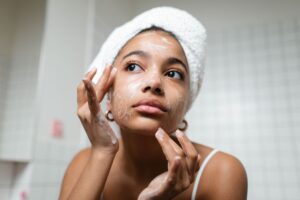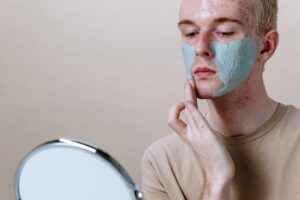
Acne affects approximately 85 percent of teenagers between the ages of 12 and 24, making it the most common skin condition in the United States. For adolescents navigating the already complex terrain of puberty, social pressures, and identity formation, persistent breakouts can significantly impact self-esteem and emotional wellbeing. The search for an effective face wash becomes more than a cosmetic concern—it represents a quest for confidence during formative years. Yet the overwhelming array of products lining drugstore shelves, each promising miraculous results, leaves many teens and their parents confused about where to begin. The challenge of treating teenage acne stems from its unique biological origins.
Hormonal fluctuations during puberty trigger increased sebum production, while dead skin cells accumulate more rapidly, creating the perfect environment for acne-causing bacteria to thrive. Unlike adult acne, which often concentrates along the jawline and is linked to stress or hormonal imbalances, teenage acne typically appears across the T-zone—forehead, nose, and chin—and can range from mild comedonal acne (blackheads and whiteheads) to severe inflammatory cystic acne. Understanding these distinctions matters because the wrong face wash can either prove ineffective or, worse, exacerbate the problem by stripping the skin barrier and triggering rebound oil production. This comprehensive guide addresses the specific questions teenagers and their caregivers frequently ask: What ingredients actually work against acne? How do different skin types respond to various formulations? When should over-the-counter products give way to prescription treatments? By the end, readers will understand the science behind acne-fighting ingredients, know how to identify their skin type and select appropriate products, learn proper cleansing techniques that maximize effectiveness, and recognize warning signs that indicate professional dermatological intervention. Armed with this knowledge, the path to clearer skin becomes less about trial and error and more about informed, strategic choices.
Table of Contents
- Why Does Teenage Skin Break Out Differently Than Adult Skin?
- The Science Behind Acne-Fighting Ingredients
- Matching Face Wash to Skin Type
- Building an Effective Cleansing Routine
- Common Mistakes and How to Avoid Them
- When Over-the-Counter Products Aren’t Enough
- How to Prepare
- How to Apply This
- Expert Tips
- Conclusion
- Frequently Asked Questions
Why Does Teenage Skin Break Out Differently Than Adult Skin?
The teenage years mark a period of dramatic hormonal upheaval that directly impacts skin health. During puberty, the body increases production of androgens—hormones like testosterone that are present in both males and females. These androgens stimulate the sebaceous glands to produce more sebum, an oily substance designed to lubricate and protect the skin. In teenagers, sebum production can increase by 300 to 500 percent compared to childhood levels. This excess oil mixes with dead skin cells that are also shedding at an accelerated rate, creating plugs within hair follicles. These plugs become comedones—the technical term for blackheads and whiteheads—and can become inflamed when Cutibacterium acnes (formerly known as Propionibacterium acnes) bacteria proliferate within the clogged pore.
The structural characteristics of teenage skin also differ from adult skin in ways that influence acne development and treatment. Adolescent skin tends to have larger, more active pores, particularly in the T-zone, and a thicker epidermis that can trap debris more easily. Cellular turnover rates are higher in young skin, which sounds beneficial but actually contributes to the accumulation of dead cells that clog pores. Additionally, teenage skin typically maintains better hydration and collagen levels than adult skin, meaning it can often tolerate stronger acne treatments without experiencing the dryness and irritation that older skin might encounter. This resilience, however, can lead to overuse of harsh products in pursuit of faster results. Understanding these differences helps explain why face washes formulated for adult acne may not be ideal for teenagers, and vice versa. Key considerations when selecting a teenage acne face wash include:.
- **Sebum regulation matters more than moisture infusion**: Unlike adult formulations that often focus on hydration and anti-aging, teenage products should prioritize oil control without completely stripping natural moisture
- **Bacterial control is essential**: The higher bacterial load in teenage acne means antibacterial ingredients like benzoyl peroxide often prove more effective than they would for adult hormonal acne
- **Gentle exfoliation addresses rapid cell turnover**: Ingredients that promote controlled exfoliation help prevent the dead cell accumulation that triggers comedones

The Science Behind Acne-Fighting Ingredients
Not all acne-fighting ingredients work the same way, and understanding their mechanisms helps in selecting the right face wash for specific skin concerns. Salicylic acid, a beta-hydroxy acid (BHA) derived from willow bark, stands as one of the most effective ingredients for teenage acne because of its oil-soluble nature. Unlike water-soluble ingredients that sit on the skin’s surface, salicylic acid can penetrate into pores and dissolve the sebum and dead skin cells that form comedonal plugs. Concentrations between 0.5 and 2 percent are standard in over-the-counter products, with 2 percent being the maximum allowed without a prescription. Clinical studies demonstrate that regular use of salicylic acid reduces both inflammatory and non-inflammatory acne lesions by 40 to 50 percent over eight weeks.
Benzoyl peroxide operates through a different mechanism, functioning primarily as an antimicrobial agent that kills C. acnes bacteria through oxidation. Available in concentrations ranging from 2.5 to 10 percent, benzoyl peroxide has been a dermatological staple since the 1960s. Research published in the Journal of the American Academy of Dermatology found that 2.5 percent benzoyl peroxide proves equally effective as higher concentrations for most acne while causing significantly less irritation, dryness, and peeling. This makes lower-concentration benzoyl peroxide face washes particularly suitable for teenagers who may not yet have established robust skincare routines or who have sensitive skin alongside their acne. Additional ingredients worth understanding when evaluating face wash options include:.
- **Sulfur**: An ancient remedy with keratolytic (skin-softening) and mild antibacterial properties, sulfur works well for those who cannot tolerate benzoyl peroxide or salicylic acid, though its distinctive smell limits its appeal
- **Alpha-hydroxy acids (AHAs)**: Glycolic and lactic acid provide surface-level exfoliation and work best for acne accompanied by post-inflammatory hyperpigmentation, though they’re less effective for deep comedonal acne than BHAs
- **Niacinamide**: This form of vitamin B3 regulates sebum production and reduces inflammation without causing irritation, making it an excellent supporting ingredient in acne face washes
- **Tea tree oil**: At concentrations of 5 percent or higher, tea tree oil demonstrates antibacterial effects comparable to 5 percent benzoyl peroxide, though it works more slowly
Matching Face Wash to Skin Type
The concept of one-size-fits-all acne treatment fails because skin types vary significantly, even among teenagers experiencing similar hormonal changes. Oily skin, characterized by visible shine within an hour of washing, enlarged pores, and frequent breakouts, responds well to gel or foaming cleansers containing salicylic acid or benzoyl peroxide. These formulations effectively remove excess sebum without leaving residue. Products labeled “oil-free” and “non-comedogenic” (meaning they won’t clog pores) are essential for this skin type. Gel cleansers with 2 percent salicylic acid represent the gold standard for oily, acne-prone teenage skin, as they address both excess oil and pore congestion simultaneously.
Combination skin presents a more nuanced challenge, with the T-zone exhibiting oiliness while cheeks remain normal or dry. This skin type, common among teenagers, requires a balanced approach. Gentle foaming cleansers with lower concentrations of active ingredients (0.5 to 1 percent salicylic acid) clean the oily zones without over-drying the rest of the face. Another strategy involves using different products on different areas—a stronger treatment on the T-zone and a gentler cleanser on the cheeks—though this adds complexity that many teenagers may not maintain consistently. Water-based gel cleansers with niacinamide offer an excellent middle ground, controlling oil and addressing breakouts while supporting overall skin barrier function. Dry or sensitive skin with acne requires the most careful product selection:.
- **Cream or lotion cleansers** work better than gels or foams, as they cleanse without stripping essential moisture
- **Lower active ingredient concentrations** prevent the irritation and flaking that can worsen acne’s appearance and trigger inflammation
- **Ceramides and hyaluronic acid** as supporting ingredients help maintain the skin barrier while active ingredients fight acne
- **Fragrance-free formulations** reduce the risk of irritation and allergic reactions that compound skin distress

Building an Effective Cleansing Routine
Frequency and technique matter as much as product selection when treating teenage acne. The twice-daily cleansing approach—morning and night—represents the consensus recommendation among dermatologists. Morning cleansing removes the sebum and cellular debris that accumulates during sleep, while evening cleansing eliminates the day’s accumulation of oil, sweat, environmental pollutants, and any makeup or sunscreen. Washing more than twice daily, a temptation for teenagers frustrated by oiliness, actually backfires by compromising the skin’s protective barrier and triggering compensatory oil production. Studies show that over-cleansing can increase acne severity by 20 to 30 percent within four weeks.
Water temperature during cleansing affects both product efficacy and skin health. Lukewarm water—approximately body temperature—represents the ideal choice. Hot water feels satisfying and may seem to dissolve oil more effectively, but it strips protective lipids from the skin’s surface and can cause vasodilation that worsens redness in inflamed acne. Cold water, conversely, won’t effectively remove sebum and may not fully activate foaming cleansers. The mechanical aspect of washing also matters: gentle circular motions with fingertips for 30 to 60 seconds allow active ingredients time to work without the abrasion caused by washcloths, loofahs, or scrubbing brushes that can damage skin and spread bacteria. Practical considerations for establishing a sustainable routine include:.
- **Consistency trumps perfection**: A simple routine followed daily outperforms an elaborate regimen that teenagers abandon after two weeks
- **Post-cleansing care matters**: Pat (don’t rub) skin dry with a clean towel, then apply any leave-on acne treatments before moisturizer
- **Timing with other products**: Allow the face wash to work before rinsing; the common mistake of immediate rinsing limits active ingredient contact time
- **Seasonal adjustments**: Lighter cleansers may suffice in humid summer months, while cream-based options provide needed moisture during dry winter periods
Common Mistakes and How to Avoid Them
The frustration of persistent acne leads many teenagers to make well-intentioned errors that worsen their condition. Perhaps the most prevalent mistake involves the “more is better” mentality—using higher concentrations of active ingredients, washing more frequently, or combining multiple acne products simultaneously. This aggressive approach damages the skin barrier, causing irritation, dryness, and peeling that not only looks worse than the original acne but also triggers inflammation that can lead to new breakouts. Dermatologists recommend starting with the lowest effective concentration and gradually increasing only if the skin tolerates it well after four to six weeks. Another critical error involves inadequate patience.
Skin cell turnover takes approximately 28 days, meaning any new acne treatment requires at least one full skin cycle to show initial results and often two to three cycles (eight to twelve weeks) to demonstrate its full potential. Teenagers who switch products every few days or weeks never allow any single treatment the opportunity to work. This product-hopping also makes it impossible to identify which ingredients help, harm, or have no effect on individual skin. The exception to the patience rule involves obvious adverse reactions—severe burning, extensive redness, hives, or swelling warrant immediate discontinuation and possible medical consultation. Additional mistakes that undermine treatment success include:.
- **Touching the face throughout the day**: Hands transfer bacteria, oil, and debris to facial skin constantly; becoming aware of this habit and reducing it significantly impacts acne
- **Not replacing pillowcases frequently**: Sleeping surfaces accumulate oil, bacteria, and dead skin cells; weekly pillowcase changes minimum, with twice-weekly being optimal for active acne
- **Skipping non-comedogenic moisturizer**: The belief that oily, acne-prone skin doesn’t need moisture is false; dehydrated skin produces more oil and heals more slowly
- **Using dirty makeup brushes and applicators**: These tools become bacterial breeding grounds; weekly cleaning is essential for anyone who wears makeup

When Over-the-Counter Products Aren’t Enough
Despite the effectiveness of many drugstore face washes, some cases of teenage acne require professional intervention. Moderate to severe acne—characterized by numerous papules and pustules, nodules (large, painful bumps deep under the skin), or cysts—typically doesn’t respond adequately to over-the-counter treatments alone. If consistent use of an appropriate face wash and supporting products shows no improvement after 12 weeks, or if acne is causing scarring, dermatological consultation becomes essential. Prescription options include topical retinoids like tretinoin and adapalene (stronger than the OTC formulation), topical or oral antibiotics, and for severe cases, isotretinoin (commonly known by its former brand name Accutane).
The psychological impact of acne also merits professional attention even when the physical presentation seems manageable. Research consistently demonstrates that acne’s effect on mental health doesn’t correlate directly with its clinical severity—teenagers with objectively mild acne may experience significant depression, anxiety, and social withdrawal. If acne is substantially affecting quality of life, school performance, or social engagement, earlier and more aggressive treatment is justified regardless of the number or type of lesions present. Pediatricians can provide initial guidance and referrals, while dermatologists offer specialized expertise in both medical and procedural acne treatments.
How to Prepare
- **Identify your skin type accurately** by washing your face with a gentle, neutral cleanser, waiting one hour without applying any products, then observing where oil appears. Shine across the entire face indicates oily skin; shine only in the T-zone with normal or tight cheeks suggests combination skin; no shine with possible tightness points to dry or normal skin.
- **Document your current skin condition** by taking clear, well-lit photographs of your face from multiple angles. These baseline images allow you to objectively assess improvement over time, since daily mirror observations often miss gradual changes. Include photos of any existing acne scars or hyperpigmentation.
- **Inventory your current products** and check expiration dates, as expired skincare products lose efficacy and can harbor bacteria. Note which ingredients you’ve tried previously and how your skin responded, creating a personal reference for future product selection.
- **Remove potential aggravating factors** from your routine before introducing a new face wash. This includes heavily fragranced products, physical scrubs with rough particles, and any products that have previously caused irritation. Simplifying your routine first makes it easier to evaluate the new cleanser’s effects.
- **Establish realistic expectations and a testing timeline** by committing to use the new face wash consistently for a minimum of eight weeks before judging results. Mark a calendar date for evaluation and plan to take comparison photos at that point.
How to Apply This
- **Wet your face thoroughly with lukewarm water** before applying any cleanser, as water helps activate foaming agents and allows the product to spread evenly without tugging or pulling on the skin. Approximately 30 seconds of splashing prepares the skin adequately.
- **Dispense a small amount of product**—typically a nickel-sized amount for most face washes—into clean palms and work it briefly between your hands before applying to the face. This ensures even distribution and prevents concentrated product from contacting sensitive areas.
- **Massage gently in circular motions** for 30 to 60 seconds, covering all areas of the face including the hairline, jawline, sides of the nose, and around the ears where oil and bacteria accumulate. This duration allows active ingredients like salicylic acid or benzoyl peroxide to begin working before being rinsed away.
- **Rinse thoroughly with lukewarm water** for at least 30 seconds, ensuring no residue remains especially along the hairline and jaw where leftover cleanser commonly causes irritation or “pomade acne.” Pat dry with a clean towel reserved exclusively for your face.
Expert Tips
- **Start with a pea-sized amount of benzoyl peroxide products** and apply only every other day for the first two weeks, gradually increasing to daily use. This acclimatization period dramatically reduces the redness, peeling, and irritation that cause many teenagers to abandon effective treatments prematurely.
- **Keep your face wash away from eyebrows when using benzoyl peroxide**, as this ingredient bleaches hair and fabric. Many teenagers discover this property only after ruining towels, pillowcases, or noticing orange-tinged eyebrows.
- **Consider the contact time of your cleanser**: for maximum efficacy with salicylic acid face washes, leaving the product on skin for up to two minutes before rinsing allows deeper penetration into pores. This differs from benzoyl peroxide washes, which work effectively even with brief contact.
- **Use a separate clean towel for your face** that you change every two to three days. Bath towels harbor bacteria from body skin and bathroom moisture; a dedicated face towel—or even disposable paper towels for those with severe acne—reduces bacterial transfer.
- **Time your active ingredient usage strategically**: if using both a salicylic acid face wash and a benzoyl peroxide spot treatment, use the face wash in the morning and the spot treatment at night to avoid over-irritation while maintaining consistent treatment.
Conclusion
Selecting the best face wash for teenage acne involves understanding the unique characteristics of adolescent skin, the mechanisms of various active ingredients, and the importance of matching products to individual skin types. Salicylic acid at 2 percent concentration works well for oily skin with blackheads and whiteheads, while benzoyl peroxide at 2.5 to 5 percent addresses bacterial-driven inflammatory acne effectively. Teenagers with sensitive or dry skin should opt for lower concentrations or gentler alternatives like sulfur or niacinamide-based formulations. Beyond ingredient selection, proper technique—washing twice daily with lukewarm water, allowing adequate contact time, and patting dry with clean towels—maximizes any product’s potential.
The journey to clearer skin requires patience, consistency, and realistic expectations. Most acne treatments need eight to twelve weeks of regular use before full results become apparent, and even the most effective face wash works best as part of a comprehensive approach that includes appropriate moisturization, sun protection, and lifestyle factors like regular pillowcase changes and minimized face-touching. When over-the-counter products prove insufficient after three months of consistent use, or when acne causes scarring or significant emotional distress, professional dermatological guidance opens access to prescription-strength options. Every teenager’s skin is different, and finding the right face wash sometimes requires trying more than one product—but with informed choices based on skin type and acne characteristics, the process becomes far more efficient than random experimentation.
Frequently Asked Questions
How long does it typically take to see results?
Results vary depending on individual circumstances, but most people begin to see meaningful progress within 4-8 weeks of consistent effort. Patience and persistence are key factors in achieving lasting outcomes.
Is this approach suitable for beginners?
Yes, this approach works well for beginners when implemented gradually. Starting with the fundamentals and building up over time leads to better long-term results than trying to do everything at once.
What are the most common mistakes to avoid?
The most common mistakes include rushing the process, skipping foundational steps, and failing to track progress. Taking a methodical approach and learning from both successes and setbacks leads to better outcomes.
How can I measure my progress effectively?
Set specific, measurable goals at the outset and track relevant metrics regularly. Keep a journal or log to document your journey, and periodically review your progress against your initial objectives.
When should I seek professional help?
Consider consulting a professional if you encounter persistent challenges, need specialized expertise, or want to accelerate your progress. Professional guidance can provide valuable insights and help you avoid costly mistakes.
What resources do you recommend for further learning?
Look for reputable sources in the field, including industry publications, expert blogs, and educational courses. Joining communities of practitioners can also provide valuable peer support and knowledge sharing.