
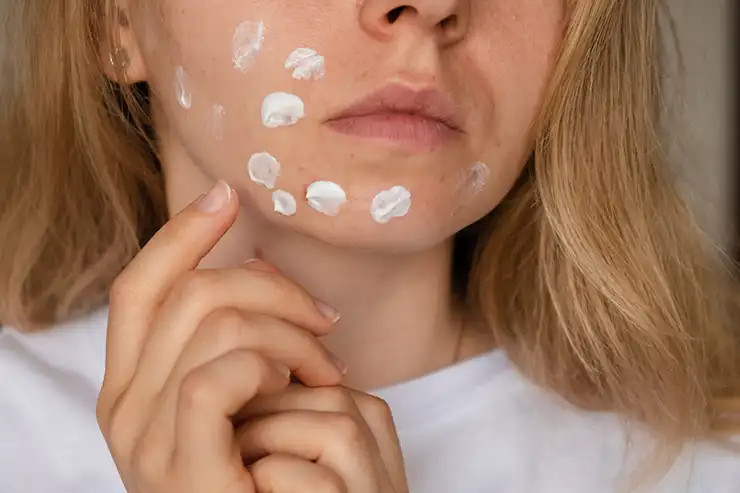
Acne is commonly associated with adolescence, but it can persist into adulthood, affecting many individuals well into their 30s, 40s, and even beyond. Adult acne can be a particularly frustrating condition due to the myriad of causes and misconceptions surrounding it. While teenage acne is often attributed to puberty and hormonal changes, adult acne, especially on the cheeks, can have a wider range of triggers. Understanding the specific causes of cheek acne in adults is crucial for effective treatment and prevention. In recent years, increased awareness around skin health has highlighted the complexity of acne in adults. Factors can range from hormonal imbalances and stress to dietary choices and lifestyle habits. This complexity of causes means that treating acne often requires a multidimensional approach tailored to the individual’s specific circumstances. Through exploring the various potential triggers and understanding how they interact with our skin, adults can better manage and potentially reduce outbreaks on their cheeks.
Table of Contents
- Hormonal Imbalances
- Dietary Influences
- Stress and Lack of Sleep
- Skincare Products and Habits
- Environmental Factors
- Underlying Health Issues
- Genetic Predispositions
- How to Manage and Prevent Acne on Cheeks
- Expert Tips
- Conclusion
- Frequently Asked Questions
Hormonal Imbalances
Adult acne on the cheeks can often be tied to hormonal changes. This includes fluctuations that occur due to menstrual cycles, pregnancy, peri-menopause, or medical conditions like polycystic ovary syndrome (PCOS). Androgens are hormones that can stimulate the sebaceous glands, increasing oil production and leading to clogged pores and acne.
- Menstrual cycle fluctuations.
- Conditions like polycystic ovary syndrome (PCOS).
- Pregnancy and postpartum hormonal shifts.
Dietary Influences
The role of diet in acne development is often debated but can be significant. High glycemic index foods and dairy products have been linked to increased acne. These foods can spike insulin levels, which in turn may elevate the production of sebum and lead to acne, particularly on the cheeks.
- Consumption of high-sugar and high-carbohydrate foods.
- Dairy intake and its potential impact on skin health.
- Processed foods rich in unhealthy fats.
Stress and Lack of Sleep
Emotional stress and inadequate sleep can exacerbate skin problems, including acne on the cheeks. Stress increases the production of hormones like cortisol, which can contribute to inflammation and sebum production, while lack of sleep disrupts skin barrier function and repair processes.
- Increased cortisol levels due to stress.
- Decreased skin barrier function due to sleep deprivation.
- Enhanced inflammatory responses during stressful periods.
Skincare Products and Habits
Sometimes, the very products used to treat acne might be causing it. Thick, oily moisturizers or makeup can clog pores, especially if not properly cleansed from the skin. Similarly, harsh skincare regimens that over-exfoliate or strip the skin can lead to increased oil production.
- Use of comedogenic makeup or skincare products.
- Harsh cleansing routines that damage the skin barrier.
- Insufficient removal of makeup and dirt.
Environmental Factors
Pollution and environmental irritants can adversely affect the skin’s health. Urban environments with high levels of pollution are associated with increased rates of acne due to the presence of particulate matter that clogs pores and leads to inflammation.
- Exposure to pollution in urban settings.
- Physical irritants like dust and airborne allergens.
- Climate-related factors such as humidity.
Underlying Health Issues
Sometimes, acne can signal an underlying health problem that requires medical attention. Conditions like endocrine disorders or gastrointestinal issues might manifest as persistent acne, including on the cheeks.
- Endocrine disorders affecting hormone levels.
- Gastrointestinal problems impacting nutrient absorption.
- Inflammatory conditions contributing to skin inflammation.
Genetic Predispositions
Genetics play a significant role in determining who gets acne, and where. If you have a family history of adult acne, you are more likely to experience it yourself. The hereditary nature of acne means it can sometimes persist even if other potential triggers are managed.
- Family history of acne.
- Inherited skin characteristics like sensitivity.
- Genetic influence on hormonal production.
How to Manage and Prevent Acne on Cheeks
- Consult a dermatologist to understand specific causes.
- Adopt a consistent skincare routine with non-comedogenic products.
- Incorporate stress management techniques like yoga or meditation.
- Modify diet to reduce high glycemic index foods and dairy.
- Ensure adequate sleep to support skin health.
Expert Tips
- Always remove makeup before bed.
- Choose skincare and makeup labeled as non-comedogenic.
- Practice mindfulness to reduce stress-related breakouts.
- Stay hydrated to maintain skin’s elasticity and barrier function.
Conclusion
Acne on the cheeks in adults can be a persistent and distressing issue due to its multifactorial nature. Understanding the underlying causes is crucial in developing an effective treatment strategy. While hormonal imbalances and dietary influences are prominent factors, stress management and proper skincare are equally vital. Taking a holistic approach in addressing cheek acne involves considering all potential triggers and tailoring a personalized skincare and lifestyle regimen. Persistence and consistency in treatment, alongside professional guidance when necessary, are key to achieving clearer, healthier skin.
Frequently Asked Questions
Can changing my diet really help with cheek acne?
Yes, dietary changes, particularly reducing high glycemic index foods and dairy, have been shown to improve acne in some individuals by lowering insulin levels and reducing sebum production.
Is adult acne different from teenage acne?
While both adult and teenage acne can involve similar mechanisms like clogged pores and overproduction of sebum, adult acne is often more influenced by lifestyle factors, stress, and hormonal changes throughout different phases of life.
Expert Insight
This article was reviewed by skincare professionals who specialize in acne treatment and skin health. The information provided is based on current dermatological research and clinical best practices.