
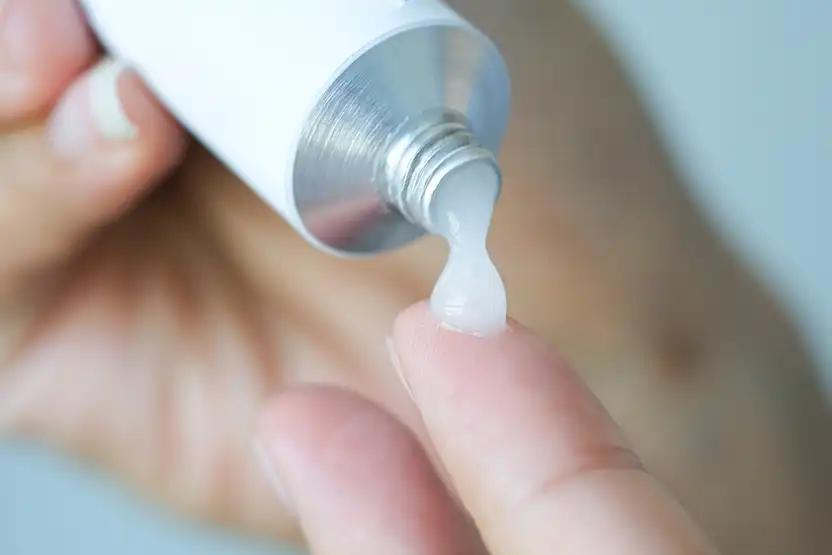
Acne around the mouth and chin can be particularly frustrating, often persisting long after adolescence and proving more difficult to treat due to the complex nature of skin in these areas. Hormonal changes, diet, stress, and poor skin care practices are among the many factors that contribute to the appearance of acne in these zones. This type of acne not only affects your appearance but can also knock your confidence and overall self-esteem. Recognizing the underlying causes and finding appropriate treatment can seem overwhelming, but with a targeted approach, you can mitigate flare-ups and achieve clearer skin. In this article, we delve into effective treatments and lifestyle adjustments that can help address acne around the mouth and chin, focusing on strategies that go beyond basic care, with scientifically backed methods and expert tips to rejuvenate your skin.
Table of Contents
- Understanding the Causes
- Non-Clinical Treatments
- Clinical Interventions
- Dietary Considerations
- Importance of a Regular Skincare Routine
- How to Create an Effective Acne Treatment Plan
- Expert Tips
- Conclusion
- Frequently Asked Questions
Understanding the Causes
Acne development is a multifaceted process, with various influences contributing to outbreaks. Addressing acne around the mouth and chin necessitates an understanding of its potential causes, which range from hormonal fluctuations to external irritants.
- Hormonal Changes: Fluctuations in hormones can lead to increased oil production, especially during menstruation or puberty.
- Lifestyle Factors: Stress, lack of sleep, and poor diet can exacerbate acne conditions.
- Product Irritants: Specific ingredients in toothpaste or lip products can trigger acne when they come in contact with facial skin.
Non-Clinical Treatments
Departmentalizing options that do not require a prescription can provide an initial line of defense against acne. These over-the-counter methods are often the starting point for those seeking accessible solutions.
- Benzoyl Peroxide: Helps reduce bacteria and dry out excess oil.
- Salicylic Acid: Aids in removing dead skin cells and unclogging pores.
- Tea Tree Oil: A natural alternative known for its antibacterial properties.
Clinical Interventions
For persistent or severe acne, professional treatments may offer accelerated or more comprehensive solutions. Consultation with a dermatologist can help personalize these interventions.
- Topical Retinoids: Derived from Vitamin A, they help prevent hair follicle clogging.
- Oral Antibiotics: Reduce bacteria and inflammation.
- Hormonal Therapy: Birth control pills or anti-androgen agents can balance hormone levels.
Dietary Considerations
What we consume can significantly impact our skin health. Certain dietary changes may help mitigate the severity and frequency of acne breakouts.
- Reducing Dairy: High dairy intake has been linked with acne.
- Low-Glycemic Diet: Opting for foods that have low sugar content can stabilize blood sugar levels and reduce acne.
- Increase Omega-3 Fatty Acids: Found in fish, these acids possess anti-inflammatory properties beneficial for skin health.
Importance of a Regular Skincare Routine
Establishing a consistent skincare regimen is crucial. Good practices can consolidate acne treatment efforts and help maintain clear skin over the long term.
- Gentle Cleansing: Use a mild cleanser twice a day to remove oil and dirt.
- Moisturizing: Hydration helps maintain skin barrier integrity.
- Sun Protection: Applying SPF can prevent post-inflammatory hyperpigmentation.
How to Create an Effective Acne Treatment Plan
- Consult with a dermatologist for an initial evaluation.
- Start with a simple routine and gradually introduce new products.
- Monitor the skin’s response and adjust treatments accordingly.
- Incorporate lifestyle modifications such as diet changes and stress management.
Expert Tips
- Avoid touching your face frequently to reduce the transfer of dirt and bacteria.
- Change pillowcases regularly to ensure they are clean and free from oil.
- Opt for non-comedogenic makeup products to prevent clogged pores.
- Don’t skip moisturizer, even if you have oily skin.
Conclusion
Persistent acne around the mouth and chin can be challenging, but understanding its causes and implementing the appropriate treatments and lifestyle adjustments can facilitate clearer skin and boost your confidence. By taking a holistic approach that combines dermatological advice, a consistent skincare routine, and healthy lifestyle choices, you can successfully manage and decrease the prominence of acne. Through patience and persistence, and with the guidance of a healthcare professional if necessary, achieving clear skin is attainable. The path to improvement involves more than just topical solutions; it requires a balanced approach considering all aspects of life, from health to habits.
Frequently Asked Questions
Can toothpaste cause acne around the mouth?
Yes, some toothpaste contains sodium lauryl sulfate or fluoride, which can irritate the skin around the mouth and lead to breakouts.
Are chocolate and greasy foods causes of acne?
While these foods don’t directly cause acne, they might exacerbate acne due to their high sugar or fat content, which can increase inflammation and oil production.
How long does it take for acne treatments to show results?
It typically takes 4-6 weeks to see noticeable improvement with consistent acne treatment. However, some treatments, particularly those prescribed by a dermatologist, may work faster.
Expert Insight
This article was reviewed by skincare professionals who specialize in acne treatment and skin health. The information provided is based on current dermatological research and clinical best practices.