Published on January 12, 2026
Acne is one of the most common skin conditions that affect people across the globe. While it is often associated with the teenage years, many adults continue to struggle with it well into their 30s and beyond. Developing a skincare routine tailored to combating acne is essential for achieving a clear and healthy complexion. With the right products and practices, you can significantly reduce breakouts and improve your skin’s overall health. Understanding your skin type and the underlying causes of your acne is the first step toward crafting an effective skincare routine. From hormonal changes and dietary factors to stress and pollution, several factors contribute to acne. Therefore, a personalized skincare regime is not only about selecting the right products but also maintaining a holistic approach to skincare that includes lifestyle modifications and consistency.
Table of Contents
- Understanding Acne and Its Causes
- Identifying Your Skin Type
- Selecting the Right Skincare Products
- The Role of Diet and Hydration
- Incorporating Lifestyle Changes
- Consistency is Key
- How to Build Your Acne-Fighting Skincare Routine
- Expert Tips
- Conclusion
- Frequently Asked Questions
Understanding Acne and Its Causes
Acne occurs when hair follicles become clogged with oil and dead skin cells. This blockage can lead to whiteheads, blackheads, or more severe forms of acne such as pustules and cysts. Hormonal fluctuations during adolescence, menstruation, or stress can increase oil production, exacerbating the problem.
- Types of acne: non-inflammatory (blackheads, whiteheads) and inflammatory (papules, pustules, nodules, cysts).
- Factors such as genetics, diet, and environment can contribute to the severity and frequency of acne outbreaks.
- Common areas affected include the face, chest, back, and shoulders.
Identifying Your Skin Type
Understanding your skin type is vital in selecting products that will not exacerbate acne. The main skin types include oily, dry, combination, and sensitive skin. Each type requires specific ingredients and formulations to address particular needs without causing irritation or damage.
- Oily skin is characterized by excess sebum production, often leading to shiny appearance and enlarged pores.
- Dry skin lacks natural oils, which can result in flaking and rough texture.
- Combination skin displays both oily and dry features, commonly manifesting as an oily T-zone and dry cheeks.
- Sensitive skin may react negatively to certain ingredients, necessitating gentle formulations.
Selecting the Right Skincare Products
Choosing products that target acne without compromising skin health is crucial. Key ingredients like salicylic acid and benzoyl peroxide are well-known for their acne-fighting properties, but it’s essential to ensure that they align with your skin type.
- Salicylic acid helps to exfoliate the skin and unclog pores, making it effective for treating blackheads and whiteheads.
- Benzoyl peroxide reduces bacteria and inflammation, effective against inflammatory acne.
- Non-comedogenic and oil-free products are preferable, especially for oily skin types.
The Role of Diet and Hydration
What you consume plays a significant role in skin health. Certain foods can trigger acne, while maintaining a balanced diet can promote clearer skin. Staying hydrated is also key in flushing out toxins and keeping your skin healthy.
- High-glycemic foods like sugar and white bread can lead to acne flare-ups.
- Dairy products may trigger acne in some individuals due to hormonal content.
- Drinking plenty of water aids in skin detoxification and maintaining hydration.
Incorporating Lifestyle Changes
Beyond skincare products, certain lifestyle changes can greatly impact your skin’s condition. Stress management, proper rest, and regular exercise can contribute positively to skin health, reducing the frequency and severity of acne.
- Implement stress-reduction techniques such as yoga, meditation, or deep-breathing exercises.
- Aim for 7-9 hours of sleep to allow the skin time to repair and renew.
- Exercise increases blood circulation and helps clear the skin by flushing out impurities.
Consistency is Key
Adopting a skincare routine requires dedication and consistency. Results may not be instantaneous, but persistence is crucial for achieving and maintaining clear skin.
- Skincare routines should be followed daily, ideally morning and night.
- Avoid switching products too frequently to allow time for effectiveness evaluation.
- Track your progress over weeks to identify what works best for your skin.
How to Build Your Acne-Fighting Skincare Routine
- Cleanse twice daily using a gentle cleanser tailored to your skin type to remove impurities and excess oil.
- Apply a toner containing acne-fighting ingredients such as salicylic acid or witch hazel to lightly exfoliate and balance the skin.
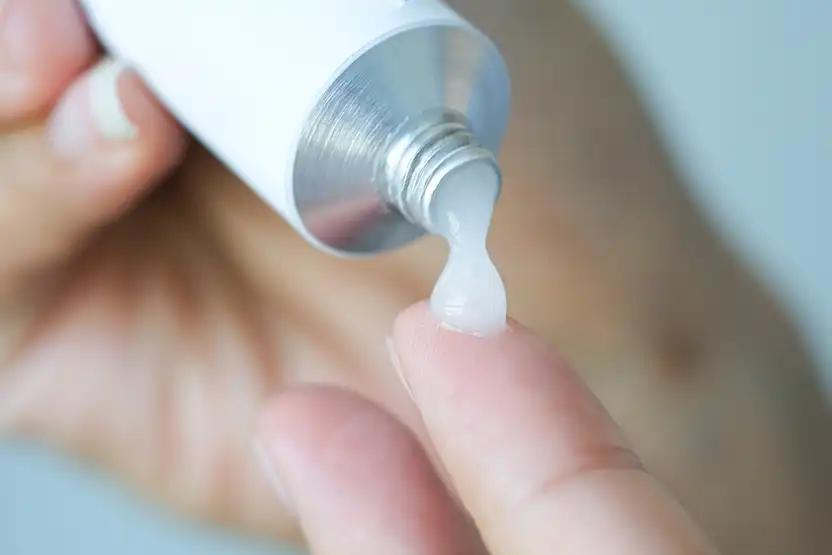
- Use a treatment serum or cream containing benzoyl peroxide or azelaic acid on active breakouts.
- Moisturize your skin with a non-comedogenic moisturizer to hydrate without clogging pores.
- Apply a broad-spectrum sunscreen in the morning, especially if using acne treatments that increase sun sensitivity.
Expert Tips
- Avoid touching your face frequently to prevent the spread of bacteria.
- Change your pillowcase regularly to ensure cleanliness.
- Don’t pick or squeeze acne lesions to prevent scarring.
- Wash your face after sweating, as sweat can irritate acne-prone skin.
Conclusion
Building an acne-fighting skincare routine requires a targeted approach that considers your unique skin type and the underlying causes of your acne. By selecting the right products and incorporating healthy lifestyle practices, you can significantly improve your complexion and reduce acne flare-ups. It’s important to remember that skincare is a journey, not a quick fix—results take time, and adapting your routine as needed is crucial for long-term success. While acne can be frustrating, maintaining a positive mindset and being consistent with your routine can make a significant difference. If your acne persists or worsens, consulting a dermatologist can provide tailored advice and potentially more advanced treatment options to ensure your skin stays clear and healthy.
Frequently Asked Questions
Can I use makeup while treating acne?
Yes, you can use makeup while treating acne; however, it’s crucial to use non-comedogenic, oil-free products to prevent clogging pores. Always remove your makeup before going to bed to allow your skin to breathe and recover.
How long does it take to see results from a new skincare routine?
It generally takes 4-6 weeks to start seeing noticeable improvements from a new skincare routine. However, consistency is key, and longer periods may be necessary to achieve more significant changes, especially for stubborn acne types.
Is it okay to exfoliate my skin if I have acne?
Yes, exfoliating can help clear dead skin cells that contribute to clogged pores. However, use gentle exfoliants designed for acne-prone skin to prevent irritation and inflammation. Exfoliating 1-2 times a week is usually sufficient.
Expert Insight
This article was reviewed by skincare professionals who specialize in acne treatment and skin health. The information provided is based on current dermatological research and clinical best practices.