Are Peptides Safe for Sensitive Skin?
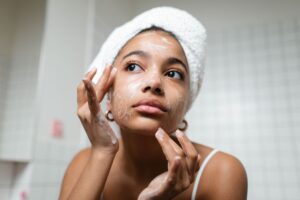
If you have sensitive skin, you might worry about adding new products to your routine. The good news is that peptides are generally considered safe and beneficial for sensitive skin types. Unlike some other skincare actives like retinol or vitamin C, peptides are well-tolerated with a lower risk of causing skin sensitization or irritation.
What Makes Peptides Different for Sensitive Skin?
Peptides work with your skin’s natural processes rather than forcing dramatic changes. This gentle approach is why they tend to be easier on reactive skin. When you apply peptides topically, they send signals to your skin cells that essentially tell them to heal and repair themselves. This communication happens because peptides mimic fragments that appear when collagen naturally breaks down, signaling your body to create more.
For sensitive skin specifically, peptides offer several advantages. They help strengthen the compromised skin barrier that often causes sensitivity in the first place. A weakened barrier is usually the root cause of sensitivity, so by reinforcing it, peptides address the underlying problem rather than just masking symptoms.
How Peptides Strengthen Your Barrier
Your skin barrier relies on effective communication and adhesion between skin cells. Certain peptides act like molecular glue, improving the connections between cells and reinforcing the dermal-epidermal junction. This enhanced connectivity means that when part of your barrier is damaged, nearby cells can quickly coordinate to repair it. The result is a more responsive and self-repairing barrier system that handles daily stress better.
Peptides also reduce inflammation, which is crucial for sensitive skin. Inflammation weakens the skin barrier, but peptides step in with calming and immune-balancing properties. By reducing irritation and moderating immune responses, they create the ideal environment for skin repair. Some peptides, like LL-37 and human beta-defensins, even add an antimicrobial layer of defense.
Different Types of Peptides and Their Benefits
Not all peptides work the same way. Signal peptides directly stimulate collagen and elastin production, helping reduce fine lines and improve skin texture. Carrier peptides deliver trace minerals to your skin that boost collagen production. Copper peptides not only stimulate collagen but also possess anti-inflammatory properties that accelerate healing and reduce redness, making them particularly good for sensitive skin.
Enzyme inhibitor peptides protect your skin by preventing the breakdown of collagen and elastin. These peptides block enzymes called matrix metalloproteinases, which degrade the proteins that keep skin firm and elastic.
Safety Considerations for Sensitive Skin
Peptides have excellent safety profiles when used properly. Most therapeutic peptides cause minimal side effects. However, quality matters significantly. Low purity peptides can contain impurities that cause allergic reactions or unexpected side effects. Look for products with 97-99% purity or higher.
When starting peptides for sensitive skin, begin with a lower concentration and patch test new products first. This cautious approach helps you identify any potential reactions before applying the product to your entire face. Watch for 30 minutes after application to see how your skin responds.
Ingredient Compatibility Matters
To avoid irritation, be mindful of what you combine peptides with. Avoid using peptides immediately after strong acidic treatments like AHA peels. If you use retinoids, introduce them gradually alongside peptides to reduce the risk of irritation. Look for formulations that combine peptides with soothing ingredients like niacinamide for enhanced barrier support.
Potential Side Effects
Aside from potential allergic reactions, the risks associated with peptides are generally low. Allergic reactions are rare but can include rash, hives, swelling of the face or throat, difficulty breathing, rapid heartbeat, or dizziness. If you experience any of these symptoms, stop using the peptide immediately and seek medical attention.
Most people tolerate peptides well because they work with your skin’s natural processes rather than against them. This is why they are suitable even for sensitive skin types that might react negatively to harsher actives.
The Bottom Line
Peptides offer a gentle yet effective option for people with sensitive skin. They strengthen your compromised barrier, reduce inflammation, and support your skin’s natural repair mechanisms. Start with a lower concentration, patch test first, and combine them with other soothing ingredients for the best results. When sourced from quality vendors and used responsibly, peptides can be a valuable addition to a sensitive skin routine.
Sources
https://www.aveseena.com/how-peptides-strengthen-skin-barrier/
https://www.seekpeptides.com/blog/articles/peptide-safety-and-risks
https://www.crodabeauty.com/en-gb/capabilities/peptides
https://www.sarahhormachea.com/2025/12/17/what-are-peptides-and-why-is-everyone-talking-about-them/
https://centerfordermatologyandlaserskinsurgery.com/skin-care/is-peptide-therapy-a-miracle-cure/