Do Spicules Help Acne Scars
Acne scars can be a tough leftover from breakouts that just will not fade. They show up as pits, dark spots, or uneven skin after pimples heal. People try all sorts of fixes like creams, lasers, and peels. Lately, spicules have caught attention as a possible helper. But what are they, and can they really smooth out those scars?
Spicules come from sea sponges. They are tiny, needle-like structures made of silica, the same stuff in glass and sand. In skincare, they get ground into a fine powder and mixed into creams or serums. The idea is that these micro needles poke gently into the skin. This creates tiny channels that let other good ingredients sink deeper. They also stir up the skin’s own repair process by causing mild irritation.
For acne scars, spicules might work in a few ways. First, they boost exfoliation. The tips break off in the skin and keep working for days, sloughing off dead cells. This can even out rough texture from scars. Second, they improve product absorption. Things like vitamin C or hyaluronic acid can reach deeper layers to fade pigmentation and plump up pitted areas. Third, the irritation triggers collagen production. Collagen is the protein that fills in scars over time, making skin firmer.
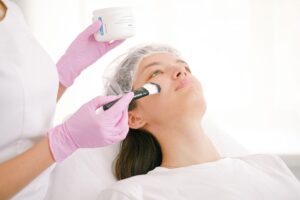
Some users report smoother skin after a few uses. Clinics in Korea and parts of Asia use spicule treatments often. A session might involve a mask or cream left on for 20 minutes, then rinsed off. At home, products come in jars you apply like a regular face mask. Results vary. Shallow scars and redness might improve faster than deep ice pick scars.
Experts say spicules are not a miracle cure. They shine for mild to moderate scars but pair best with other treatments. Dermatologists note the exfoliation helps, but deep scars often need fillers or lasers too. Sensitivity matters. Dry or irritated skin might react with redness or stinging. Always patch test first.
Studies back some claims. Research shows spicules penetrate better than plain creams, with less waste of active ingredients. One test on volunteers found better hydration and glow after spicule use. For scars specifically, small trials hint at reduced roughness, but big studies are still coming. Safety looks good for most, as silica is natural and breaks down.
If you try spicules, start slow. Cleanse skin, apply a thin layer, wait the time on the label, and moisturize after. Use sunscreen daily since new skin is sensitive. Over time, consistent use might soften acne scars enough to boost confidence.
Sources
https://pubmed.ncbi.nlm.nih.gov/34726647/
https://www.ncbi.nlm.nih.gov/pmc/articles/PMC10045678/
https://www.dermatologytimes.com/view/spicule-based-therapy-for-skin-rejuvenation
https://jddonline.com/articles/spicules-in-dermatology-S1545961619P0574X/
https://www.healthline.com/health/beauty-skin-care/spicule-serum