Azelaic acid is a gentle skincare ingredient that helps fade post inflammatory erythema, the red marks left on the skin after acne or other inflammation heals. These red spots, known as PIE, happen when tiny blood vessels under the skin get damaged and stay dilated, causing lingering pink or red patches.[1][2][4][6]
PIE often shows up after pimples, especially cystic ones, but it can also come from things like bug bites, cuts, or dermatitis. Unlike dark spots from too much pigment, PIE is all about visible redness from broken or widened capillaries. It tends to fade on its own over months or years, but that can feel like forever if you want quicker results.[1][2][4]
Azelaic acid stands out as a top topical treatment for mild to moderate PIE. It works in a few key ways. First, it calms inflammation, which helps quiet down the irritated skin and blood vessels. Second, it has mild exfoliating effects that encourage skin cells to turn over faster, gradually reducing the red appearance. Third, it fights bacteria that might trigger more breakouts and worsen marks. You can find it in creams or gels at 10 to 20 percent strength, often over the counter or by prescription.[1][2]
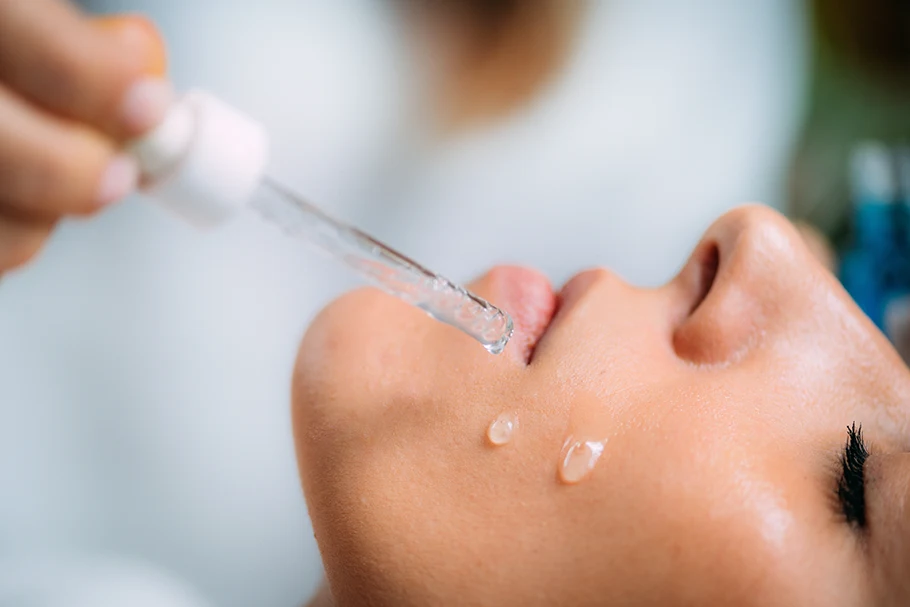
Start simple by applying azelaic acid once a day, maybe at night, after cleansing. Pair it with a light moisturizer to avoid dryness, since it can sometimes feel a bit tingly at first. Always slather on broad spectrum sunscreen every morning, as sun exposure makes PIE worse by inflaming those vessels more.[1][2]
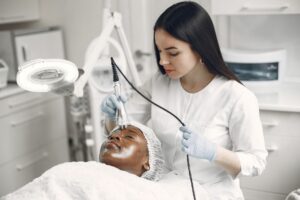
For better results, combine azelaic acid with other gentle actives like niacinamide, which strengthens skin barriers, or vitamin C, an antioxidant that brightens and protects. Avoid harsh scrubs or picking at skin, as that stirs up more inflammation. If your PIE is stubborn, a dermatologist might suggest lasers like pulsed dye laser to zap the blood vessels directly, but topicals like azelaic acid are a solid first step for most people.[1][2][3][4]
Prevention beats treatment every time. Keep acne in check with a consistent routine to stop new PIE from forming. Gentle cleansing, non comedogenic products, and quick treatment of breakouts make a big difference.[2]
Sources
https://moawadskininstitute.com/post-inflammatory-erythema-cure/
https://banish.com/blogs/article/pie-vs-pih-how-to-tell-the-difference
https://www.droracle.ai/articles/592293/what-are-the-treatment-options-for-acne-post-inflammatory-erythema
https://www.sanctuaryskinvb.com/post/the-truth-about-acne-scars-treatments-that-work-and-why
https://slmdskincare.com/blogs/learn/the-5-kinds-of-acne-scars-how-to-treat-each-type
https://elosklinik.com/en/sivilce-tedavisi/sivilce-cukurlari-nasil-gecer/
https://doralhw.org/acne-treatment-beyond-topicals-when-to-consider-professional-procedures-2/
https://zentcare.com/blogs/news/how-to-get-rid-of-discoloration-and-red-spots