Why Does Acne Feel Harder to Treat as an Adult
Many people think acne is just a teenage problem, but it sticks around or even starts up again in adulthood for plenty of folks. Treating it as an adult often feels tougher because the causes shift away from simple oil and bacteria buildup to more complex issues like hormone changes, stress, and lifestyle factors that are harder to control.[1]
Hormones play a big role here. In teens, acne usually comes from surging hormones during puberty that crank up oil production and clog pores. As an adult, hormonal acne is often linked to imbalances from things like menstrual cycles, pregnancy, menopause, or conditions such as polycystic ovary syndrome. These lead to excess androgens, male-like hormones that boost oil glands and cause deeper, more painful pimples around the jawline, chin, and neck. Fixing this means tackling the hormones themselves, not just the skin surface, which takes targeted treatments like birth control pills or anti-androgen meds such as spironolactone.[1][2]
Adult skin is different too. It tends to be more sensitive and prone to irritation from strong treatments that worked fine in your teens. Harsh scrubs or high-strength retinoids can worsen redness and even lead to dark spots, especially in people with darker skin tones. Doctors now push gentler options like azelaic acid, niacinamide, or low-dose retinoids to avoid this while still clearing pores.[3]
Lifestyle creeps in as another hurdle. Busy adult schedules make it hard to stick to a consistent skincare routine. Stress from work or family ramps up cortisol, a hormone that flares acne by increasing inflammation and oil. Diets high in sugar or dairy might trigger breakouts too, and skipping moisturizer on oily skin can backfire by making glands produce even more oil.[1][3][4]
Treatments take longer to work and need more patience. Over-the-counter stuff like benzoyl peroxide or salicylic acid helps mildly, but stubborn adult acne often requires prescriptions. Oral antibiotics are used carefully now due to resistance worries in the acne-causing bacteria, so they pair with topicals instead of standing alone. It can take months for something like spironolactone to peak, and results vary by age, working better for women over 25.[2]
Personalization is key, and that’s trickier without a doctor’s input. What cleared your skin at 16 might scar or irritate now. Dermatologists create plans factoring in your full health history, skin type, and even gut health or nutrition, since imbalances there feed acne from the inside.[5][7]
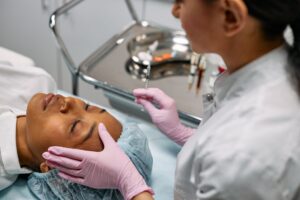
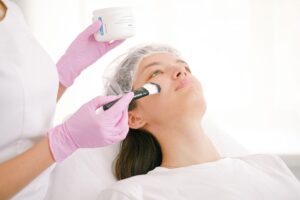
Seeing a pro early prevents scars and frustration. Professional options like chemical peels or lasers tackle both active pimples and leftover marks, but they require commitment beyond quick fixes.[1][7][8]
Sources
https://www.medicaldaily.com/hormonal-acne-adults-acne-causes-skin-hormones-explained-474128
https://blogs.the-hospitalist.org/topics/acne
https://www.dermatologytimes.com/view/balancing-pathophysiology-and-patient-lifestyle-in-acne-management-part-3
https://www.oreateai.com/blog/navigating-the-challenges-of-acneprone-skin-a-comprehensive-guide/f5553972215ab6378c8d5f58f4f89ae4
https://www.pharmacytimes.com/view/the-educated-patient-clearing-up-acne
https://dermondemand.com/blog/does-accutane-stunt-growth/
https://www.skinrenewal.co.za/acne
https://doralhw.org/acne-treatment-beyond-topicals-when-to-consider-professional-procedures-2/