
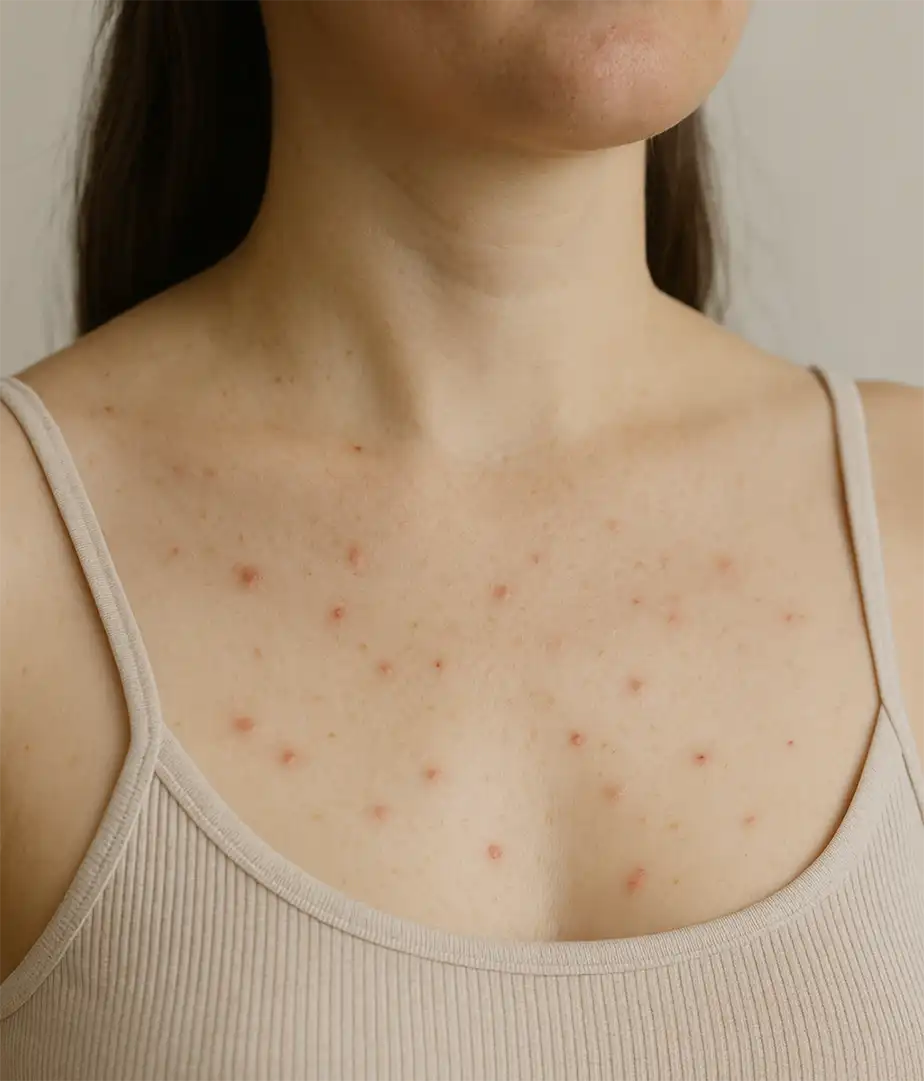
What Causes Acne Flare Ups During Treatment
Acne treatments like retinoids, benzoyl peroxide, or professional facials work by clearing pores and reducing oil, but they can sometimes lead to temporary flare ups as your skin adjusts. These flare ups happen because the treatments speed up skin cell turnover and fight bacteria, which initially causes more inflammation before things improve.
One big reason is irritation from overdoing it. If you use too many products at once or apply them too harshly, your skin barrier gets damaged. This makes your skin dry out and produce extra oil to compensate, clogging pores and sparking new breakouts. For example, teens often grab multiple over-the-counter treatments in a panic, which strips moisture and worsens acne.
Hormonal changes play a role too, especially during treatment. Shifts from puberty, menstrual cycles, birth control, pregnancy, or conditions like PCOS raise androgen levels, boosting oil production and clogging pores along the jawline or T-zone. Even if treatment is underway, these hormones can override progress and cause flares.
Stress and lack of sleep make things worse by triggering sebum production. When stressed, your body releases hormones that ramp up oil glands, leading to clogged pores. Poor sleep disrupts skin repair, letting inflammation build up. Holidays or busy times often bring these on, clashing with your routine.
Diet can trigger flares even on treatment. High sugar foods, dairy, whey protein, and high glycemic items like sodas or pastries spike insulin and inflammation, worsening acne. Fried foods and chocolate may also contribute by promoting oil and bacteria growth.
Too frequent treatments add to the problem. Getting facials or strong peels closer than every two to four weeks irritates skin, especially if it’s already inflamed. Your skin needs about 28 days to renew, so spacing helps it heal between sessions without rebound congestion.
Comedogenic products sneak in as culprits. Heavy makeup or skincare that clogs pores during treatment blocks the benefits of your meds. Bacteria like P. acnes thrive in these blocked follicles, causing more inflammation.
Genetics set the stage, making some people prone to flares no matter the treatment. Family history means oilier skin or weaker barriers, so flare ups hit harder.
Overwashing or scrubbing strips the barrier, letting irritants in and prompting oil overdrive. Environmental shifts like travel dry out skin, disrupting balance mid-treatment.
Sources
https://lunamedspawi.com/how-often-to-get-facials-for-breakouts/
https://www.advanceddermatologypc.com/conditions/acne/
https://www.tuftsmedicine.org/about-us/news/acne-over-30
https://www.englishdermatology.com/5-holiday-habits-that-trigger-acne-and-what-actually-helps/
https://www.dermatologyadvisor.com/factsheets/diet-and-acne/