Why Skin Barrier Repair Matters After Acne
Your skin has a protective layer called the skin barrier. It acts like a shield, keeping moisture in and harmful things like bacteria and pollutants out. When you have acne, this barrier often gets damaged. Harsh treatments like strong cleansers or acne medications strip away natural oils, leaving the skin dry, irritated, and sensitive. Without repair, this weakness lets more bacteria in, which can cause new breakouts and make healing take longer.
Acne treatments fight pimples but can weaken the barrier even more. For example, medicated products remove the oils that hold skin cells together. This leads to redness, flakiness, and ongoing inflammation. Repairing the barrier stops this cycle. It helps your skin hold onto water, reduces irritation, and creates a stronger defense against acne-causing germs. A healthy barrier also means less sensitivity, so you can use treatments without as much stinging or dryness.
Think of the skin barrier as bricks and mortar. The bricks are skin cells, and the mortar is made of lipids like ceramides. Acne damages the mortar, making everything unstable. Fixing it restores balance. Studies show ingredients that rebuild this layer improve skin strength and cut down on symptoms like itchiness and roughness.
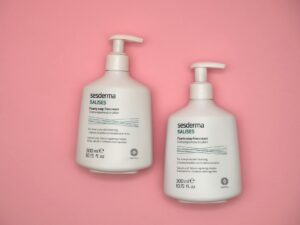
After acne clears, your skin needs time to recover. This process can take 8 to 12 weeks. Start simple. Use a gentle cleanser that does not strip oils, like a milky or cream formula. Skip scrubs, strong acids, and fragrances that irritate further. Focus on hydration with ingredients that pull in moisture and lock it down.
Key helpers include ceramides, which rebuild the lipid wall. They are naturally in healthy skin and work best in forms like ceramide 1, 3, and 6-II. Niacinamide calms swelling, controls oil, and boosts barrier lipids. It also fights bacteria without harshness. Hyaluronic acid adds water without clogging pores, perfect for acne-prone skin. Phytosphingosine strengthens the barrier, kills acne bacteria, and eases inflammation. Peptides aid repair by supporting cell growth, and centella asiatica soothes while healing.
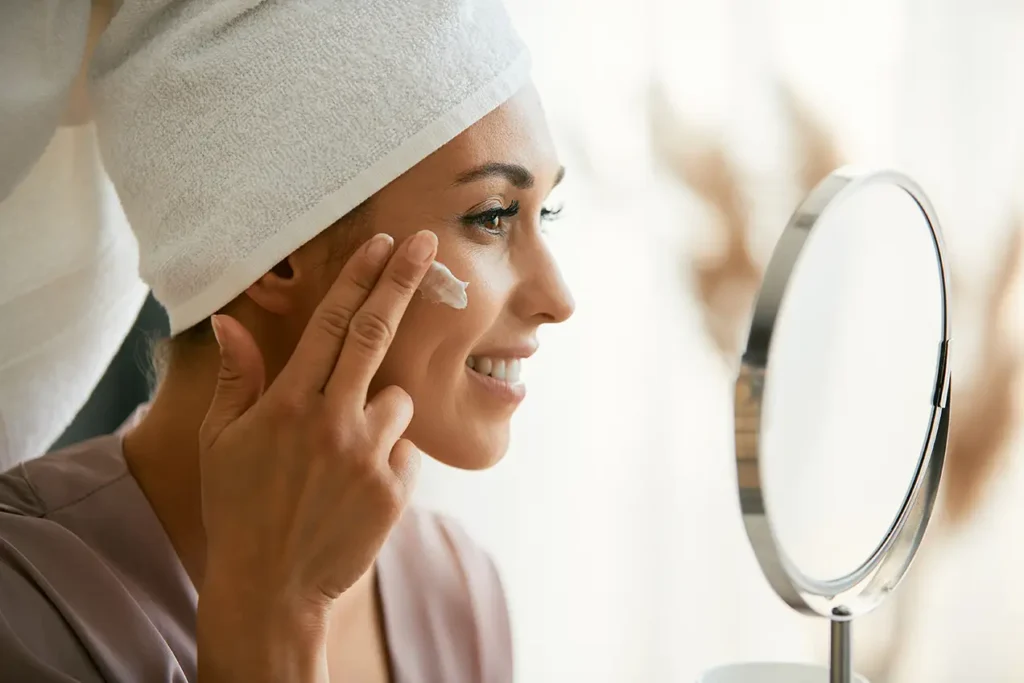
Build a basic routine. In the morning, cleanse gently, apply a serum with these ingredients, follow with a light moisturizer, and add sunscreen. At night, use an oil cleanser if needed, then your regular steps, ending with a thicker moisturizer to seal everything in. Avoid overdoing it. Less is more during repair.
Lifestyle helps too. Drink water, eat foods with omega-3s, and manage stress, as these support barrier health from inside. Over time, a repaired barrier prevents future damage from weather, pollution, or aging. Your skin feels smoother, looks even, and handles acne better if it returns.
Sources
https://flychem.com/blogs/articles/phytosphingosine-benefits-for-skin-barrier-repair-acne-sensitive-skin
https://worldofasaya.com/blogs/acne/healing-acne-damaged-skin-barrier-repair-guide
https://sachiskin.com/blogs/skin-education/what-products-and-steps-actually-repair-the-skin-barrier
https://www.drsebagh.com/blogs/skin-secrets/skin-barrier-science
https://seacra.com/blogs/skin-within/how-get-rid-acne