Why Stress Hormones Impact the Skin
Your skin often shows the first signs of stress because hormones like cortisol travel quickly through your body and affect skin cells directly. When you feel stressed, your brain signals the adrenal glands to release these hormones, starting a chain reaction that changes how your skin looks and feels.[1][2]
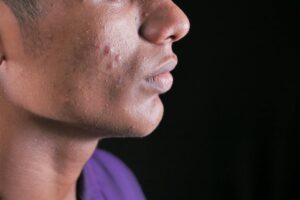
The main player is cortisol, released through the hypothalamic-pituitary-adrenal axis, a system linking your brain to hormone production. Cortisol binds to receptors in skin cells, boosting oil from sebaceous glands and sparking inflammation. This leads to clogged pores and acne breakouts, even on skin that stays clear most days.[1][2][5]
Stress also weakens the skin’s natural barrier, the outer layer that holds in moisture and blocks irritants. High cortisol reduces lipids in this barrier, causing dryness, irritation, and sensitivity. Your skin loses its ability to protect itself, making it react more to weather, products, or touch.[1][2][3]
Inflammation ramps up from these hormones, worsening conditions like eczema, rosacea, psoriasis, or acne. Immune cells release molecules that damage the skin further, slowing repair and healing of cuts or blemishes.[2][3][4]
Cortisol breaks down collagen and elastin, the proteins giving skin its firmness and bounce. Over time, this makes skin thinner, leading to fine lines, sagging, and a dull look. Blood flow shifts away from the skin to organs, starving cells of oxygen and nutrients for a tired complexion.[1][4][5]
Chronic stress creates a loop: skin problems add more stress, which pumps out more hormones. This shows as puffiness from fluid retention, redness from widened blood vessels, or even shifts in pigmentation.[3][5][6]
Sources
https://www.mollenol.com/q-a/stress-impact-on-skin-symptoms-causes-relief-and-care/
https://www.spavieenrose.com/journal-1/the-link-between-stress-and-skin-health-how-facials-help
https://www.revivalabs.com/why-skin-reacts-to-life-in-real-time/
https://www.alisonbladh.com/post/cortisol-face-and-skin-ageing-how-stress-shows-on-your-skin
https://www.latimes.com/doctors-scientists/medicine/primary-care/story/cortisol-face-common-causes-myths-diagnosis-treatments
https://www.betterhelp.com/advice/stress/what-causes-a-stressed-face-and-what-does-it-look-like-understanding-the-signs-of-burnout/