
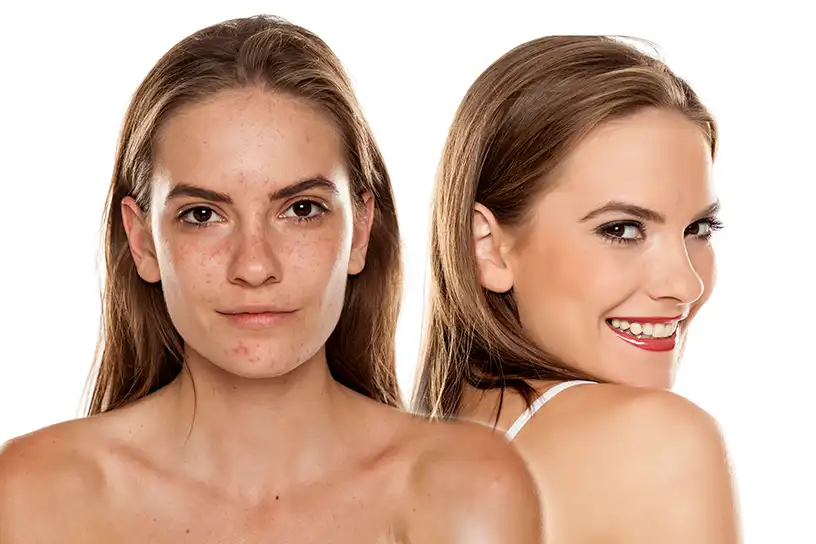
Why Your Skin Breaks Out Before Hormonal Shifts
Your skin has a direct connection to your hormones, and this relationship becomes especially obvious right before your body goes through hormonal changes. Understanding why breakouts happen at these specific times can help you manage your skin better and feel less frustrated when pimples appear at predictable moments in your cycle.
The Oil Production Connection
The main reason your skin breaks out before hormonal shifts comes down to oil production. Your skin contains glands called sebaceous glands, and these glands respond directly to hormones in your body. When hormone levels start to shift, particularly when androgens increase relative to estrogen, these glands kick into overdrive and produce excess oil, also called sebum. This extra oil clogs your pores and creates the perfect environment for acne to develop.
Think of it this way: androgens are hormones that stimulate your sebaceous glands to enlarge and produce more oil. Estrogen normally counteracts this effect by inhibiting androgen activity and reducing sebum production. When your hormones begin to fluctuate before your period, during pregnancy, or as you approach menopause, this delicate balance gets disrupted. The result is more oil on your skin than usual, which leads to clogged pores.
Why Breakouts Happen Before Your Period
For many people who menstruate, breakouts occur seven to ten days before their period starts. This timing is not random. Before your period, progesterone levels rise, which increases oil production in your skin. Your body is essentially preparing for hormonal changes, and your skin responds by producing more sebum. This is why many people notice their skin gets oilier during this time of the month.
The breakouts that appear before your period tend to look different from regular acne. They usually show up as deep, painful bumps and cysts rather than surface-level blackheads or whiteheads. These typically cluster around your lower face, including your jawline, chin, and lower cheeks. This specific location and type of breakout is a telltale sign that hormones are the culprit.
The Inflammation Factor
Beyond just oil production, hormonal shifts trigger inflammation in your skin. When your pores become clogged with excess oil, bacteria called Cutibacterium acnes can grow inside. Your immune system responds to this bacterial growth by creating inflammation, which makes the acne worse and more painful. This inflammatory response is why hormonal acne tends to be more severe and slower to heal than other types of breakouts.
Other Times Hormonal Breakouts Occur
Hormonal breakouts are not limited to menstrual cycles. Pregnancy causes significant hormone surges that can trigger oil glands to become overactive. Some women experience worse acne during pregnancy, while others find their skin temporarily improves due to hormonal balance shifts. The unpredictability is part of what makes hormonal acne challenging.
As women approach menopause, declining estrogen levels allow androgens to dominate without opposition. This hormonal imbalance causes breakouts even though estrogen levels are low overall. During menopause, your skin becomes drier in some ways while still experiencing acne, which creates a confusing and frustrating situation for many people.
Stress and Hormonal Acne
Stress plays a significant role in hormonal breakouts. When you experience stress, your body produces more cortisol, a stress hormone. This cortisol indirectly increases oil production and inflammation in your skin, making breakouts worse. If you notice your acne flares up during stressful periods in your life, this hormonal connection explains why.
Why Regular Acne Treatments May Not Work
One important thing to understand is that hormonal acne often does not respond well to regular acne treatments. This is because the root cause is internal hormonal fluctuation, not just surface-level bacteria or oil. Treating hormonal acne requires addressing the hormonal imbalance itself, which is why dermatologists sometimes recommend different approaches than they would for other types of acne.
The Bottom Line
Your skin breaks out before hormonal shifts because your body’s hormonal changes directly trigger increased oil production, clogged pores, and inflammation. This is a natural response to fluctuating hormone levels, and it happens to many people at predictable times in their cycles or life stages. Recognizing these patterns can help you anticipate breakouts and take preventive steps to manage your skin during these vulnerable times.
Sources
https://www.medicaldaily.com/hormonal-acne-adults-acne-causes-skin-hormones-explained-474128
https://drankitmehra.com/blogs/hormonal-acne-causes-treatment-dermatologist-guide
https://www.drbatras.com/hormonal-acne-what-causes-it-and-how-to-treat-it
https://www.newriverdermatology.com/blog/how-to-manage-hormonal-acne-during-menopause
https://www.marieclaire.co.uk/beauty/hormonal-acne
https://www.westchestercosmeticdermatology.com/blog/adult-acne-why-it-happens-and-how-to-treat-it/