Why Skin Needs Recovery Time Between Treatments
Your skin is like a busy workshop that needs time to fix itself after treatments like microneedling, chemical peels, or lasers. These procedures create tiny injuries to trigger repair, but rushing into the next one can overload the process and lead to poor results.
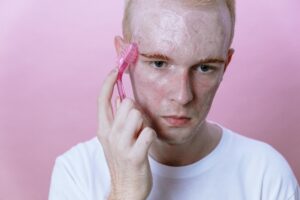
Treatments work by stressing the skin just enough to kickstart healing. For example, microneedling uses fine needles to poke the surface, which tells your body to make new collagen and fresh cells. This renewal smooths texture, fades scars, and firms up loose areas. Right after, you might see redness, dryness, or flaking as the top layer sheds. By days 2 to 3, moisturizing helps soothe this while deeper changes brew. Around day 4 to 7, redness fades and texture improves as collagen ramps up. Full effects build over weeks because the skin renews itself layer by layer[3][4].
Without recovery time, the skin barrier weakens. This protective shield keeps out irritants and locks in moisture. When damaged, it lets in bacteria and loses hydration, causing extra redness, peeling, or sensitivity. Spacing sessions lets this barrier rebuild, so each treatment builds on the last instead of starting from scratch. For Tixel treatments, sessions are set weeks apart to let repair happen naturally, leading to smoother, more elastic skin by the end[2].
Healing timelines vary by treatment type and your skin. Lasers might need 2 to 8 weeks of sensitivity, especially ablative ones that strip layers. Microneedling or Morpheus8 often shows brightness in a week, but collagen peaks later. Multiple rounds, like six Tixel visits, space out over months for gradual gains without overload[3][5]. Skin type matters too; drier or sensitive skin takes longer.
Rushing risks irritation buildup. Back-to-back sessions ignore the 28 to 42 day natural turnover cycle, where old cells slough off and new ones rise. Proper gaps speed healing, cut downtime to 24 to 48 hours for many, and boost long-term resilience. Post-care like gentle moisturizers, LED therapy, or avoiding sun helps this along[1][2][6].
Recovery also enhances results. One study-backed approach uses light therapy to calm inflammation and aid collagen right after procedures. This soothes fast, often with no downtime, letting you resume routines soon. Over time, skin gets clearer, hydrated, and stronger[1][6].
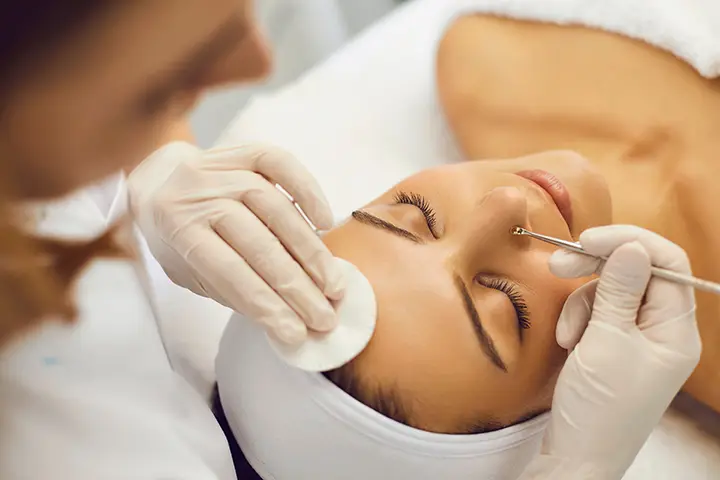
Providers check your skin first to tailor plans. They might add cooling masks or growth factors for quicker calm. This prep ensures the next treatment hits ready skin for better outcomes[1][9].
Sources
https://dermking.com/post-treatment-skin-recovery/
https://heartaestheticshobart.com.au/tixel-before-and-after-what-changes-to-expect-after-each-session/
https://www.eyestheticsmd.com/what-to-expect-after-your-microneedling-with-morpheus8-treatment
https://azul-medspa.com/top-7-benefits-of-microneedling-for-skin-rejuvenation/
https://healthyimage.ca/medical-aesthetics/why-fall-winter-are-ideal-for-laser-resurfacing/
https://www.bocatanningclub.com/post-holiday-skin-reset-using-red-light-therapy/
https://surebeauty.com/blogs/beauty-tech-insights/how-does-skin-cycling-work
https://www.aboutfaceaesthetics.com/post-holiday-skin-recovery-south-carolina
https://www.skincarecrl.com/on-point-with-crl-blog/the-science-of-skin-readiness-preparing-clients-for-treatment