# Why Hormonal Changes Trigger Skin Problems
Your skin is more connected to your hormones than you might realize. When hormone levels shift, your skin often responds with unwanted changes like acne, dryness, irritation, and other frustrating conditions. Understanding this connection can help you manage these issues more effectively.
## How Hormones Control Your Skin
Estrogen plays a crucial role in keeping your skin healthy and youthful. This hormone helps maintain collagen production, which keeps skin firm and elastic. It also helps your skin retain moisture by supporting natural oil production. When estrogen levels are stable, your skin typically looks and feels its best.
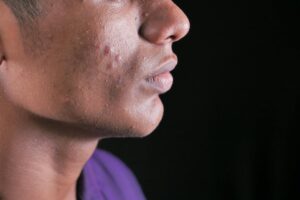
Androgens, another group of hormones, work differently. These hormones can trigger excess oil production in your skin, which leads to clogged pores and acne breakouts. The balance between estrogen and androgens matters greatly for your skin’s appearance.
## When Hormonal Changes Happen
Hormonal shifts occur at several key times in a woman’s life. During your menstrual cycle, hormone fluctuations can trigger acne breakouts, particularly around your jawline, chin, and neck. During pregnancy, changing hormone levels can cause pigmentation changes and acne. Menopause and perimenopause bring the most dramatic hormonal shifts, as estrogen levels decline significantly.
Conditions like polycystic ovary syndrome (PCOS) also disrupt hormone balance and commonly cause persistent acne and other skin problems. Even thyroid imbalances and other endocrine disorders can affect your skin’s health.
## The Specific Skin Changes That Occur
When estrogen drops, several things happen to your skin at once. Your skin produces less natural oil, making it drier and more brittle. Collagen production decreases, causing your pores to look larger and your skin to lose elasticity. Your skin becomes thinner and more sensitive, making it prone to irritation, rashes, and rosacea.
At the same time, if androgens remain relatively high compared to estrogen, you may experience increased acne. This combination of dry, sensitive skin plus acne-prone conditions makes hormonal acne particularly stubborn and difficult to treat. Your skin’s pH balance can also shift during hormonal changes, creating an environment that irritates your skin further.
## Beyond Just Acne
Hormonal imbalances show up on your skin in multiple ways. You might notice unexplained dullness, dark spots, or pigmentation changes like melasma. Some women develop excess facial hair when androgen levels are elevated. These signs aren’t just cosmetic concerns – they can indicate important changes happening in your reproductive health and overall body chemistry.
## The Stress Connection
Stress makes hormonal skin problems worse. When you’re stressed, your body produces more cortisol, a hormone that can harm your skin and trigger breakouts. This creates a difficult cycle where stress worsens acne, which then causes more stress.
## Managing Hormonal Skin Problems
The most effective approach addresses the root cause – your hormones. For menopause-related skin issues, menopausal hormone therapy can help restore skin moisture and reduce irritation by supplementing declining estrogen levels. For other hormonal conditions, your dermatologist might recommend androgen-blocking medications like spironolactone or hormone-regulating supplements.
Topical treatments also help. Non-drying antibiotics and retinoids can reduce acne without stripping away needed moisture. Topical sulfur can kill bacteria and mites that contribute to breakouts. These work best when combined with proper moisturization using products containing shea butter or cocoa butter.
Lifestyle changes provide important support. Eating better, managing stress through yoga or meditation, getting quality sleep, staying hydrated, and exercising regularly all help restore hormonal balance and improve your skin. Reducing inflammation through diet choices and avoiding high-glycemic foods and excess dairy can also help, since these foods may worsen acne in some people.
## Why Professional Help Matters
Hormonal acne tends to be treatment-resistant because it stems from internal hormone fluctuations rather than just surface-level skin issues. A dermatologist can identify whether your skin problems relate to hormonal changes and recommend the right combination of treatments for your specific situation. They can also rule out underlying medical conditions that might be affecting your skin.
Your skin is telling you something important when hormonal changes occur. By understanding this connection and taking action, you can manage these changes more effectively and feel more confident in your skin.
Sources
https://www.newriverdermatology.com/blog/how-to-manage-hormonal-acne-during-menopause
https://www.healthshots.com/preventive-care/reproductive-care/skin-health-hormonal-balance/
https://www.westchestercosmeticdermatology.com/blog/adult-acne-why-it-happens-and-how-to-treat-it/
https://www.jpost.com/health-and-wellness/health-and-wellness-around-the-world/article-879585