
Why Acne Returns After Stopping Treatment
Acne is one of the most frustrating skin conditions because it often comes back even after you think you’ve gotten rid of it. Many people successfully treat their acne, feel relieved when their skin clears up, and then stop their treatment only to see breakouts return a few months later. Understanding why this happens can help you keep your skin clear for the long term.
The Root Cause of Recurring Acne
Acne is not a condition that goes away permanently with short-term treatment. Instead, acne develops because of three main factors working together: excess oil production, hormones, and bacteria called Cutibacterium acnes. Because these factors continue to exist in your body even after your skin clears, acne needs ongoing management rather than a one-time fix. When you stop treating acne too early, you remove the control that was keeping these factors in check, and breakouts return.
Common Reasons Acne Comes Back
Several specific reasons explain why acne returns after treatment stops. The most obvious reason is stopping treatment too early. Many people assume that once their skin looks clear, they no longer need their acne medication or skincare routine. However, this is when relapse often happens.
Using the wrong skincare products after treatment also causes problems. If you switch to products that are too harsh, too heavy, or not suited to your skin type, you can trigger new breakouts. Your skin has become accustomed to certain products during treatment, and sudden changes can disrupt the balance you worked to achieve.
Lifestyle factors play a bigger role than many people realize. Ignoring diet, sleep, and stress levels can bring acne back even if your skin was clear. Poor sleep weakens your immune system and increases inflammation. High stress levels trigger hormonal changes that increase oil production. Certain foods, especially those high in dairy, can also contribute to breakouts.
Hormonal imbalances are another major cause of recurring acne. If you have untreated hormonal issues, acne will keep returning no matter how good your skincare routine is. This is especially common in adult acne, which is often tied to hormonal cycles, pregnancy, or other hormonal changes in the body.
How Treatment Dosage Affects Relapse
Research shows that the strength and duration of your acne treatment matters significantly. Studies comparing different doses of isotretinoin, a powerful acne medication, found that patients who received higher cumulative doses had much lower relapse rates. Patients receiving a higher dose of 220 milligrams per kilogram had a relapse rate of about 27 percent, while those receiving lower doses of 120 to 150 milligrams per kilogram had a relapse rate of about 44 percent. This means that more complete treatment during the initial phase leads to better long-term results.
Preventing Acne from Coming Back
The key to preventing acne relapse is treating it as a long-term condition that requires ongoing management. This means continuing your acne treatment even after your skin clears up, rather than stopping immediately. A structured acne control plan that addresses the root causes of your acne works better than simply treating the visible breakouts.
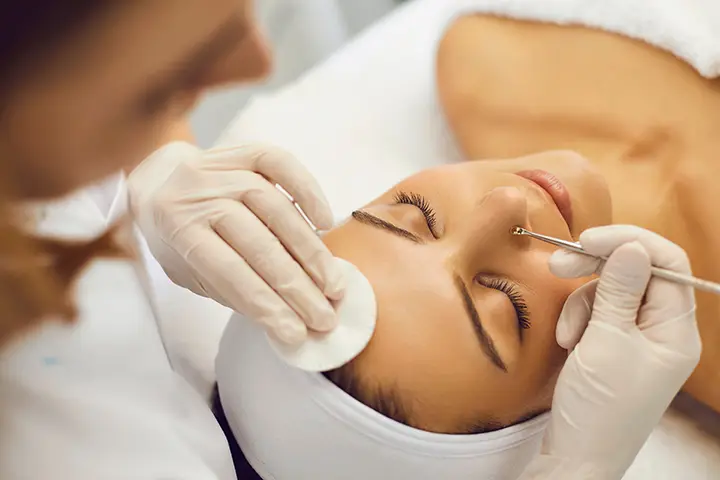
Maintenance treatments like regular peels can help keep your pores clear and prevent new breakouts from forming. Lifestyle counseling that addresses diet, sleep, and stress management reduces internal triggers that cause acne to return. If you have hormonal acne, working with a dermatologist to identify and treat any hormonal imbalances is essential.
Adult acne that keeps coming back is extremely common and is often tied to hormones, stress, skincare routines, or underlying inflammation. A dermatologist can help you identify the specific patterns in your acne and treat the underlying cause rather than just treating the symptoms that appear on your skin.
The Bottom Line
Acne returns after stopping treatment because the underlying causes of acne, such as excess oil production, bacteria, and hormonal factors, continue to exist in your body. Stopping treatment too early, using incorrect products, ignoring lifestyle factors, and leaving hormonal imbalances untreated all contribute to relapse. The most effective approach is to view acne as a condition that requires long-term management and to work with a dermatologist to create a maintenance plan that keeps your skin clear.
Sources
https://drreshmaahuja.com/recurring-acne-causes/
https://www.pristyncare.com/consult/what-are-the-most-common-reasons-for-acne/
https://renotahoederm.com/when-its-time-to-see-a-dermatologist-for-acne-in-reno-nv/