
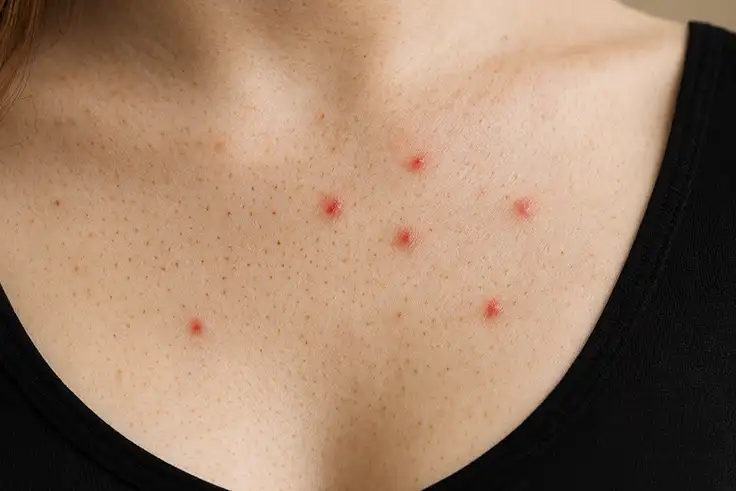
Why Acne Needs Maintenance Treatment
Acne is not something you treat once and forget about. Even after your skin clears up, the underlying conditions that cause breakouts remain present. This is why dermatologists emphasize that acne treatment requires ongoing maintenance to prevent new breakouts from returning.
The root causes of acne involve excess oil production combined with hormonal changes, often linked to your menstrual cycle or stress levels. When you stop treating acne completely after it clears, these conditions don’t disappear. Your skin can quickly return to producing excess oil, bacteria can build up again in your pores, and you may find yourself back where you started with active breakouts.
One common mistake people make is discontinuing their acne routine the moment their skin substantially clears up. Dermatologists recommend continuing your full acne regimen for at least a few months after your acne subsides. Only then should you transition to a maintenance routine. If you start breaking out again, you need to go back to your full treatment system rather than waiting for the problem to worsen.
Maintenance treatment works by controlling oil production on the surface of your skin using specialized topical treatments and clinical skincare products. This breaks the cycle where acne-causing bacteria thrives. By continuing to use non-pore-clogging skincare products and adhering to lifestyle modifications you learned during your initial treatment, you protect your skin from factors that can cause future breakouts and help prevent scarring.
The timeline for results matters too. Initial results like a decrease in new breakouts often appear around six weeks into treatment. The comprehensive results of smoother texture and significant clearing typically happen after a 12-week program. To extend those results indefinitely, you must continue using your core maintenance plan consistently.
Maintenance treatments may be recommended based on your skin’s ongoing needs. With proper aftercare and maintenance, results can be long-lasting, but new breakouts may still occur without continued care. Some patients benefit from periodic professional treatments like laser therapy or chemical peels to maintain their progress and extend the benefits of their initial treatment.
Your skin barrier also plays an important role in maintenance. Even if your skin seems oily, you should not skip moisturizing. A lightweight, non-comedogenic moisturizer with ingredients like hyaluronic acid helps keep your skin balanced after using treatment products, which tend to dry out skin. If your skin barrier is not functioning properly, you become more susceptible to irritation and to acne-causing bacteria.
The key takeaway is that acne management requires a patient-centered approach that considers your lifestyle factors alongside clinical treatment. Systemic therapy should be viewed as a bridge to rapidly reduce inflammation while implementing a gentle but strategic topical base for long-term maintenance. This combination approach, maintained consistently over time, gives you the best chance of keeping acne under control and preventing the physical and psychological complications that come with recurring breakouts.
Sources
https://www.usdermatologypartners.com/blog/types-of-acne/
https://trilliumclinic.com/laser-treatments-for-acne-dermatologist-guide/
https://slmdskincare.com/blogs/learn/dr-pimple-poppers-guide-to-starting-acne-treatment
https://www.scoutaesthetics.com/skin-treatments/acne-treatment/
https://blogs.the-hospitalist.org/topics/acne
https://dermking.com/acne-treatment/
https://www.mims.com/singapore/disease/acne-vulgaris/management