
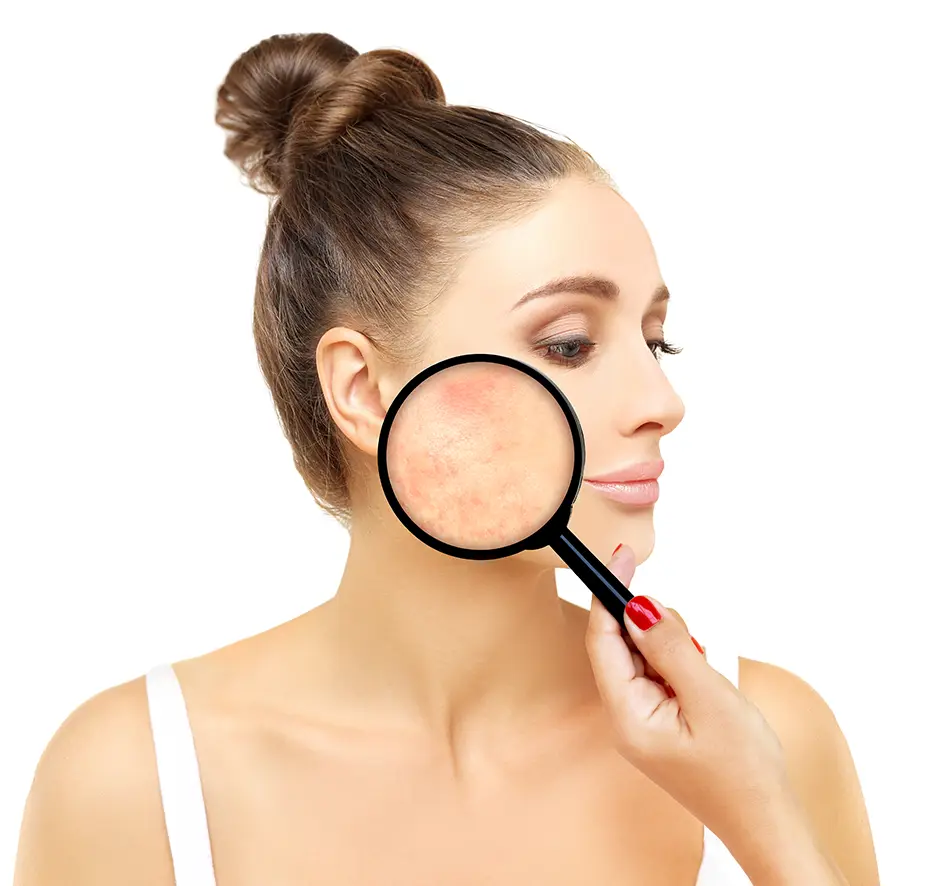
How to Treat Acne Without Hormonal Birth Control
Acne happens when pores get clogged with oil, dead skin, and bacteria, leading to pimples, blackheads, and inflammation. Many people want options beyond hormonal birth control, and natural remedies can help by fighting bacteria, reducing swelling, and balancing skin. These approaches take time, often 4 to 6 weeks of steady use, but they work gently without harsh chemicals.[2][1]
Start with a simple daily routine. Clean your face twice a day with a mild cleanser, not soap that dries out skin. Pat dry and apply treatments right after. Moisturize even oily skin to avoid overproduction of oil. Use non-comedogenic products that will not clog pores.[2]
Tea tree oil fights acne bacteria like Propionibacterium acnes. Dilute a few drops in a carrier oil like jojoba and dab on spots. It reduces inflammation too.[1][6]
Aloe vera gel soothes red, irritated skin and kills germs. Scoop fresh gel from a leaf or buy pure versions. Spread it on clean skin daily. It heals spots faster without clogging pores.[1][2]
Honey, especially raw kinds, kills bacteria and calms swelling. Put a thin layer on your face for 10 to 15 minutes, then rinse with warm water. Do this 2 or 3 times a week.[2]
Turmeric fights inflammation with curcumin. Mix powder with water or honey into a paste. Apply for 10 minutes and wash off. It may stain skin yellow briefly.[2][5][6]
Chamomile and calendula calm angry skin. Brew chamomile tea, cool it, and use as a toner. Calendula cream reduces redness on pimples.[1]
Frankincense oil controls oil and heals. Mix 2 or 3 drops with carrier oil and apply to breakouts. Add to steam or masks for deeper cleaning.[4]
From Chinese medicine, try honeysuckle or centella asiatica in cleansers or creams. They clear toxins, reduce heat, and soothe itch.[3]
Support from inside with diet. Eat foods high in vitamin C like citrus and vitamin A from carrots. Add turmeric to meals. Cut sugar and processed foods. Drink diluted apple cider vinegar to balance pH and aid digestion.[5]
Lavender oil cuts inflammation and prevents infection. Dilute and use at night.[1][6]
Echinacea boosts immunity and fights swelling. Take as a supplement or use in creams.[1]
Test new remedies on a small patch first to avoid reactions. If acne stays bad or scars form, see a doctor. Combine a few remedies that suit your skin for best results.[1][2][3]
Sources
https://www.naturalhealinghawaii.com/blog/naturopathic-approach-treating-acne/
https://worldofasaya.com/blogs/acne/clear-skin-naturally-your-complete-step-guide
https://us.dermatology-m.com/blogs/news/chinese-medicine-s-roaccutane-alternatives
https://www.meadowandbark.com/blogs/skincare/does-frankincense-help-with-acne-complete-guide
https://www.oreateai.com/blog/natural-remedies-for-acne-finding-your-best-solution/7fc35d98f6d34b4a5595b79526c03a9c
https://pmc.ncbi.nlm.nih.gov/articles/PMC12729506/